


Did you know that over 80% of people admit to letting fear stop them from reaching their full potential at work and in life? This reveals a powerful, often hidden force shaping our choices—fear. In both bustling UK boardrooms and independent home service businesses, our deepest anxieties can subtly define our paths, limit our ambitions, and even dictate everyday decisions. But what if understanding fear is the first step toward unlocking greater success?
A Startling Truth About Fear and Control
Fear is not just an emotion; it’s a powerful driver that shapes daily behaviour, career progression, and business outcomes for professionals across the UK and beyond. When fear is left unchecked, it can quietly assume control—forcing people to avoid growth opportunities, play safe in leadership roles, or second-guess every strategic business decision. For many local business owners, especially within the home services sector, fear often emerges as the silent barrier to innovation, adaptability, and sustained personal fulfilment.
By acknowledging the way fear operates in both the workplace and our private lives, we can begin to identify those moments when it holds us back. Whether it’s public speaking, difficult negotiations, or taking a calculated risk to grow your company, recognising fear’s influence is critical. The uncomfortable truth is: what you fear most may have more control over you than colleagues, competitors, or external pressures do. But the good news? You can learn strategies to shift this power dynamic, using fear as fuel rather than a chain.

What You'll Learn From This Article
- How fear subtly influences your personal and professional choices
- The difference between fear and anxiety
- Common types of fear and their impact
- Practical strategies to take control of your own fear
Fear: A Powerful Force in the Business World
Nearly every professional has felt the grip of fear at some point, especially in high-stake business situations. In the UK’s robust home services and small business landscape, owners frequently face fear of failure, fear of rejection, and the fear of making wrong decisions. Fear’s influence can be subtle, leaking into operations as doubt, hesitation, or avoidance—causing leaders to pass on new opportunities or innovations in favour of familiar routines. This "safety first" approach might offer short-term relief, but it often limits long-term growth.
The realm of business is fraught with uncertainties, and fear can magnify threats that may not even be real. Yet, when approached constructively, fear can also alert us to risks, stimulate creative problem-solving, and drive us to prepare thoroughly. By addressing fear head-on, business owners can turn what may seem like a weakness into an actionable strength, propelling both personal and business successes.
While fear can be a significant barrier, integrating practical tools and systems into your business can help reduce stress and create a more balanced environment. For example, many contractors have found that adopting smart systems not only streamlines operations but also alleviates some of the daily pressures that fuel anxiety. If you're interested in actionable ways to manage stress and regain control, explore how smart systems help contractors reduce stress effectively for further insights.
Facing Fear: Personal Experiences Shared
Everyone has stories of feeling fear—be it the shaky nerves before a big client meeting or the anxiety of pitching a new idea in front of sceptical peers. A fellow business owner once described how the thought of failing his family and employees left him paralysed before launching a new product. This fear was so pervasive it almost halted the project, despite months of research and preparation. Yet, sharing this fear with a mentor and seeking support helped him reclaim control, turning a crippling emotion into a motivation to plan smarter and take courageous action.
Such personal experiences reveal that feeling fear isn't a sign of weakness—it's an experience nearly all entrepreneurs share at every stage of business. The key distinction between those who succeed and those who stall often comes down to acknowledging the presence of fear and deciding not to let it dictate the outcome.
“Everything you want is on the other side of fear.” – Jack Canfield
Understanding the Nature of Fear and Anxiety
Fear and anxiety are terms often used interchangeably in business and daily conversation. However, understanding their differences—and recognising their presence—helps professionals take more targeted control. Fear is usually a response to a specific, identifiable threat—a dangerous situation, a daunting deadline, or a challenging negotiation. Anxiety, on the other hand, is more diffuse and persistent. It may also appear as a general dread about something that might never happen, consistently elevating stress in the background of your professional life.
For local business owners and service providers, especially in fast-paced or competitive markets, the line between fear and anxiety can blur. Both can impact decision-making, cloud judgement, and ultimately limit opportunities for business development or personal growth. The ability to discern between the two, and to identify physical symptoms that accompany them, empowers individuals to select the most effective coping strategies—be it mindfulness, coaching, or professional counselling.
How Fear Manifests: Physical Symptoms
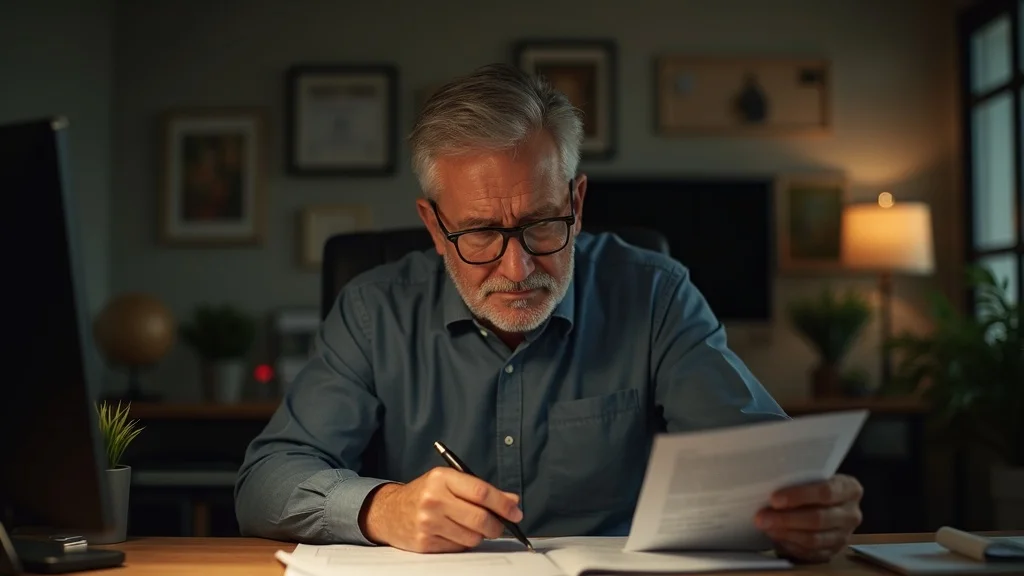
When feeling fear or anxiety, your body issues immediate physical responses, sometimes before your brain registers the emotion. Physical symptoms of fear can include:
- Rapid heartbeat
- Sweating or trembling
- Dry mouth
- Difficulty concentrating
These physical symptoms are part of your body’s age-old defence mechanism—a remnant from our evolutionary need to escape dangerous situations. In the modern business world, though, these signals can betray us, surfacing in key moments like high-stakes presentations, financial reviews, or new client negotiations. Recognising the body's cues is essential for responding with calmness rather than withdrawing or panicking. Remember, even though these physical symptoms can be uncomfortable, they often indicate a natural reaction to perceived threat rather than a true emergency.
The animation demonstrates how fear activates specific regions of the brain—such as the amygdala—and triggers natural stress responses throughout the body. Neurons fire rapidly, alerting muscles and organs to prepare for action, which is why physical symptoms like increased heart rate, shallow breathing, and trembling are so common. Understanding these processes can help you normalise and manage the feelings when they arise.
Different Types of Fear: From Specific Phobia to Social Anxiety
Fear is not one-size-fits-all. Rather, it manifests in many forms, impacting professionals in distinct ways depending on context and personal background. In the business world, the most impactful types include specific phobias, social anxiety, and panic attacks. Understanding the nuances of each helps business owners and professionals recognise which challenges are barriers and which are opportunities for growth.
Some fears arise from particular objects or situations—a classic example is the fear of heights or enclosed spaces (specific phobia). Others, like social anxiety, surface in group settings, eroding confidence and causing intense discomfort during critical networking events or public speaking. Meanwhile, panic attacks can strike without warning, causing overwhelming dread in otherwise ordinary circumstances, such as high-pressure client meetings or deadline crunches.
| Type of Fear | Description | Common Example |
|---|---|---|
| Specific Phobia | Intense fear of a particular object/situation | Fear of heights |
| Social Anxiety | Fear of being judged in social settings | Public speaking |
| Panic Attack | Sudden intense episode of fear | Fear during stressful business meetings |
Specific Phobias and Their Impact on Decision Making
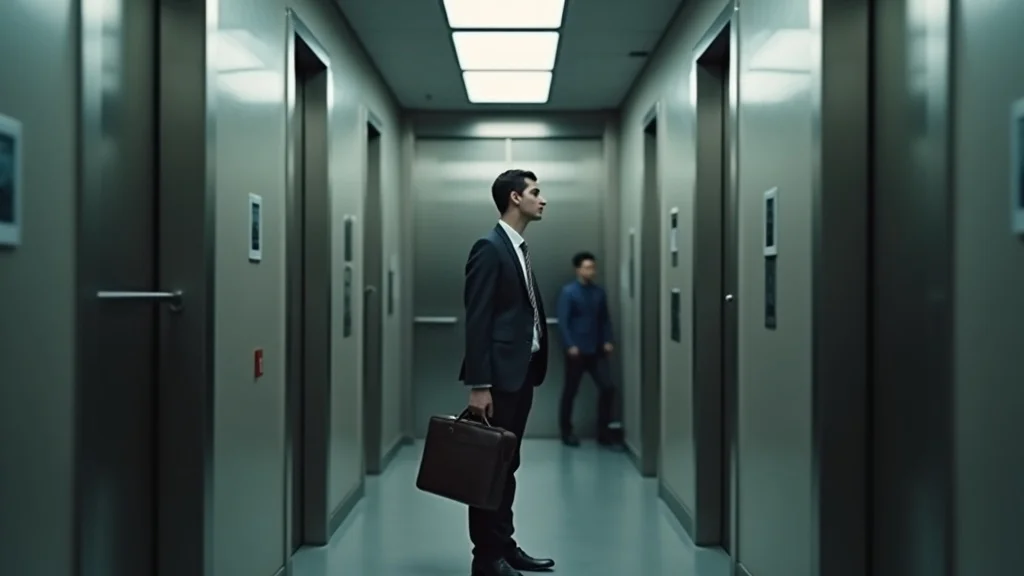
A specific phobia can be surprisingly disruptive, especially in a professional setting. Take, for example, someone with a fear of enclosed spaces—this single phobia can lead a business owner or employee to avoid lifts, impacting punctuality or causing issues during important meetings on higher floors. The emotional discomfort is real and can result in altered routines, missed opportunities, and unnecessary stress.
Such phobias may also affect wider business strategies, causing a professional to shy away from travel, public events, or certain clients. While these fears sometimes stem from previous experiences, their impact is always practical: influencing core business decisions and limiting options unconsciously. Identifying and addressing specific phobias allows individuals to regain agency and implement rational, effective solutions—whether through gradual exposure or professional support.
Social Anxiety in Professional Settings

Social anxiety often emerges in meetings, presentations, or networking events, situations where someone fears being judged, scrutinised, or rejected. This form of fear and anxiety can make even the most skilled professionals question their abilities and withdraw from valuable opportunities. Challenges like public speaking or direct sales are especially intimidating for those with social anxiety, sometimes leading to avoidance behaviours that impact business development or relationship-building.
Many people do not realise how common social anxiety is. Even though it is often masked by professionalism, symptoms like blushing, trembling, or stumbling over words can erode confidence over time. For UK home services professionals who rely on trust and reputation, overcoming social anxiety is crucial for securing client loyalty and standing out in competitive markets.
Panic Attack: A Closer Look
A panic attack involves sudden and overwhelming feelings of fear or dread, often accompanied by physical symptoms like rapid heart rate, shortness of breath, and dizziness. Unlike general anxiety, panic attacks can appear abruptly, sometimes during stressful business negotiations or just before a public presentation. These episodes are alarming, and can even feel dangerous, but they are not life-threatening.
Knowing the difference between a one-off panic attack and an ongoing anxiety disorder is essential. Panic attacks may be isolated, but frequent occurrences should not be ignored. Addressing the triggers and seeking help—be it through mindfulness, breathing exercises, or exposure therapy—can significantly improve professional quality of life.
"Fear defeats more people than any one thing in the world." – Ralph Waldo Emerson
Why Fear Controls You: The Psychological Basis

The real power of fear lies not just in its presence, but in its subtle ability to influence decisions—we may also avoid risks, ignore opportunities, or stay comfortable in our routine purely because of what we fear. From an evolutionary perspective, fear was developed as a survival mechanism, priming us to evade threats and dangerous situations. But in modern work environments, those instincts may keep us from reaching our potential, holding us back from trying new ventures or voicing bold ideas.
Fear or anxiety activates the brain’s fight-or-flight response. For some, this protective mechanism becomes overactive, resulting in avoidance, procrastination, or over-cautious behaviour. By recognising when this process is happening, especially with major decisions, business owners and professionals can learn to challenge negative thoughts, reframe their mindset, and gradually overcome these biases.
Fear vs. Anxiety Disorder
It’s crucial to distinguish between everyday fear and an anxiety disorder. While fear reacts to real and immediate threats (like a client refusing payment), anxiety disorder is persistent and often irrational—characterised by chronic dread, restlessness, and worry. This distinction matters, as anxiety disorder may require structured interventions, such as cognitive behavioural therapy, professional counselling, or medical support.
If you notice that fear or anxiety consistently interferes with your wellbeing, decision-making, or quality of work, it may be time to seek further evaluation. Early intervention is not only a sign of strength but can help you cope more effectively and regain professional momentum.
How Fear and Anxiety Hold Back Professional Success
- Paralysis in important decision making
- Reluctance to pursue growth opportunities
- Damaged confidence and reputation
Fear can make us freeze just when it matters most—be it in front of a new client, during staff evaluations, or when negotiating tighter deadlines. Missed opportunities are one of the biggest costs, as hesitation or self-doubt discourage risk-taking and vision. Over time, consistent avoidance can erode a professional reputation, causing others to question your confidence or resilience.
Many people underestimate the cumulative effect of chronic fear and anxiety. Small moments of avoidance compound and create a restrictive professional environment. Recognising and counteracting these patterns is vital for healthy business growth and personal satisfaction.

This video highlights business leaders who openly share their journey—revealing moments of vulnerability, the strategies they adopted, and how facing fear head-on ultimately led to better business outcomes. The message? Even the most accomplished professionals face fear, but by embracing support, learning from setbacks, and continually developing coping strategies, they adapted and thrived.
Conquering Fear: Practical Strategies for Local Business Owners
- Recognising and naming your fear
- Implementing step-by-step exposure to fearful scenarios
- Seeking professional help for anxiety disorder or social anxiety
- Building peer support networks
The first step in conquering fear is awareness. By recognising and naming your specific fears—be it fear of failure, criticism, or public speaking—you move from a reactive to a proactive mindset. Next, gradual exposure, sometimes called "exposure therapy," can desensitise your nervous response: start with small, manageable steps (like speaking in front of friends), then slowly work your way to larger audiences or riskier decisions. Over time, your comfort zone expands.
For persistent or all-consuming anxiety, there’s no shame in seeking expert support. Therapists, business coaches, and supportive peers can provide the reassurance and tools needed to reframe fears and build confidence. A strong peer network also reinforces the idea that vulnerability is part of growth—professional or personal.
Quotes From Industry Experts on Facing Fear
"You don’t have to control your thoughts. You just have to stop letting them control you." – Dan Millman
This wisdom encapsulates a core theme of business leadership: it’s impossible to eliminate fear, but you can control how you respond. Industry experts agree that fostering a growth mindset, maintaining open conversations, and investing in self-awareness are transformative tools for business leaders who want to move beyond fear.
Key Takeaways: Turning Fear Into a Business Ally
- Fear can be transformed into a powerful motivator
- Self-awareness of fear leads to better leadership
- Concrete steps can reduce the impact of fear and anxiety
Ultimately, the presence of fear does not mark the end of progress—it can become a motivator if addressed honestly and constructively. Leaders who build self-awareness are more resilient, decisive, and inspirational to their teams. Simple, everyday actions—recognising physical symptoms, naming your fear, and seeking help—can deflate fear’s power over time and turn anxiety into empowerment.

People Also Ask: Addressing Common Questions About Fear
What is the true meaning of fear?
Fear is a natural, instinctive response that alerts us to real or perceived threats. It serves an important role in keeping us safe by preparing the body and mind to react—either to confront a challenge or to avoid danger. However, in everyday life and business, fear also appears in situations where risks are less tangible, shaping decisions and behaviours in subtle, enduring ways.
What are the 4 types of fear?
Experts often identify four core types of fear that impact professionals and business owners:
- Fear of Failure
- Fear of Rejection
- Fear of Loss of Control
- Fear of the Unknown
These broad categories help explain why some avoid taking on new business challenges, resist delegating, or hesitate to innovate, as each type can influence confidence, performance, and satisfaction.

Is fear worth watching?
Watching or exploring the concept of fear, whether through documentaries or educational resources, is highly beneficial for personal development. Understanding how fear operates—both psychologically and physically—equips business professionals to identify, address, and ultimately master their responses, powering greater achievements and inner calm.
How old was Mark Wahlberg in Fear?
Mark Wahlberg was 23 years old when he starred in the psychological thriller "Fear" (1996). His portrayal of intense, manipulative fear resonated with audiences and is frequently referenced in discussions about the emotional and behavioural impacts of fear in relationships and society.
FAQs: Common Questions About Fear and Anxiety
-
What is the fastest way to calm fear during a panic attack?
Breathing deeply, grounding techniques (such as focusing on objects around you), and reminding yourself the feeling will pass help you cope with panic attacks quickly. -
Can specific phobias be overcome without therapy?
Many people can lessen mild specific phobias with gradual exposure and self-help strategies, but severe cases may require professional therapy for best results. -
Does fear always trigger physical symptoms?
Not always; while common, some people experience mostly psychological effects (like negative thoughts or avoidance) rather than clear physical symptoms. -
How much does anxiety disorder affect business outcomes?
Anxiety disorder can significantly affect focus, confidence, and productivity, ultimately influencing a business’s reputation, client relations, and growth potential.
Final Thoughts: Fear as Fuel
By understanding and channelling fear, business leaders and professionals can use it as a tool for growth, resilience, and innovation—turning their most powerful obstacle into a lasting asset.
If you’re ready to take your journey beyond fear and into practical transformation, consider how broader business strategies can support your wellbeing and performance. Embracing smart systems and innovative approaches not only helps you manage stress but also creates a foundation for sustainable growth and balance. For a deeper dive into how technology and process improvements can empower your business, discover the benefits outlined in our guide on how smart systems help contractors reduce stress effectively. Let your next step be one that combines self-awareness with actionable change, unlocking new levels of confidence and success.
We'd love to hear your feedback on this article? Add your comments below.
Sources
- Mind – https://www.mind.org.uk/information-support/types-of-mental-health-problems/anxiety-and-panic-attacks/about-anxiety/
- NHS – https://www.nhs.uk/mental-health/conditions/anxiety-disorders/
- Psychology Today – https://www.psychologytoday.com/gb/basics/anxiety
Understanding and addressing fear is crucial for personal and professional growth. The article “Overcoming Fear: Lessons For Business Leaders From A Toddler’s Bravery” (forbes. com) illustrates how identifying specific anxieties and embracing uncertainty can transform fear into a catalyst for innovation. Similarly, “6 common business owner fears (and how to overcome them)” (godaddy. com) provides practical strategies to confront fears such as financial instability and competition, emphasizing the importance of planning and differentiation. By exploring these resources, you can gain actionable insights to recognize and manage fear, turning it into a driving force for success.











Write A Comment