


Did you know nearly 28 million adults in the UK experience some form of pain each year, and that over 40% of work absence in the home services sector is caused by pain-related issues? Pain is more than just a warning sign—it’s a powerful force that shapes who we are, both at home and at work. Instead of avoiding pain at all costs, what if you could use it as your secret weapon for growth, resilience, and success? In this comprehensive guide tailored for business owners and professionals, especially those in the UK’s home services sector, you’ll discover how to turn pain into your ultimate training ground.
A Surprising Truth About Pain: The Startling Statistics You Should Know

When people hear the word pain, their first instinct is often to see it as a purely negative experience—something to be avoided at all costs. However, pain is an almost universal human experience, cutting across age, gender, and occupation. In the UK alone, studies show that 1 in 5 adults live with chronic pain, and up to 80% will experience back pain at some point in their lives. While this may sound grim, there’s a silver lining: research from the International Association for the Study of Pain shows that how we perceive, process, and react to pain has a deeper influence on our quality of life and business productivity than the pain itself. For home service professionals, repetitive tasks, lifting, and long hours can make them especially prone to both acute pain (from injuries) and chronic pain (from ongoing strain).
Yet, awareness alone is not enough. The statistics highlight a crucial truth: while we may feel pain physically or emotionally, our response to that pain can set the tone for personal growth and business resilience. Many people do not realise that effective pain management and simple changes at work or home can lead to significant improvements—sometimes making individuals feel much better not only physically but also mentally and professionally. By understanding the types and triggers of pain, business owners and professionals can transform setbacks into opportunities for growth, both on the job and in personal development.
Redefining Pain: Why Most of What You Know Is Outdated
Traditional thinking often labels pain as a simple, negative pain signal—a sign that something is wrong in the body. However, the most recent research from pain experts and the International Association for the Study of Pain reveals that pain is far more complex. The nervous system and brain play a major role, and psychological factors like stress, anxiety, and even memories can affect how we feel pain. Old beliefs about “just pushing through” or ignoring pain can actually make things worse, leading to chronic pain conditions or unnecessary suffering.
With so many different types of pain—physical, psychological, short-term, or long-lasting—understanding what is really happening is key. For instance, recognising the difference between acute pain (such as a pulled muscle from lifting at work), and deeper chronic issues (like ongoing back pain or joint pain), can guide choices about pain treatment or when to seek medical help. By updating our views on pain, we can build better habits, support our teams, and avoid preventable mistakes.
What You'll Learn About Pain and Growth
- Understand the four main types of pain and their relevance to chronic pain and acute pain.
- Discover psychological factors behind pain, and how mind and body both contribute.
- Learn how pain can be leveraged as a source of professional and personal growth.
- Practical strategies for business owners to address pain in the workplace.
Understanding Pain: Concepts Every Business Owner Should Master
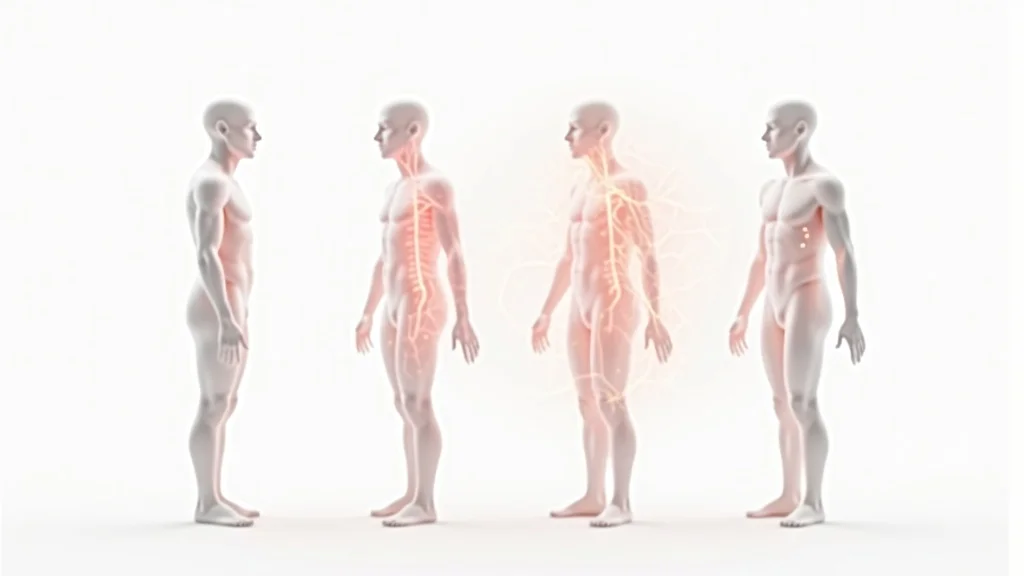
Pain Explained—Acute Pain, Chronic Pain, and More
At its simplest, pain is your body's way of signalling that something is wrong. When you burn your finger or strain your back, nerves send pain signals to your brain through your spinal cord, prompting you to act and protect yourself. Acute pain is usually sharp, immediate, and traces back to a clear cause like an injury or accident. It disappears after the injury heals, often within days or weeks. But sometimes pain lingers—lasting more than three months even after the initial issue is resolved. This is known as chronic pain, which can become a constant companion, affecting your work and well-being.
Many people experience a mix of pain types over a lifetime—sometimes the pain comes and goes, sometimes it’s a dull ache, and other times it’s stabbing or burning in nature. Understanding these key differences allows business owners and professionals to identify early warning signs, prevent further damage, and seek timely interventions. Being able to talk openly about pain in the workplace can also break down barriers and encourage effective, proactive management.
For those in the home services sector, pain can sometimes be triggered by unexpected emergencies, such as a burst pipe causing water damage and physical strain during repairs. If you want to see how rapid response and practical solutions can minimise both property damage and physical discomfort, explore this guide on managing burst pipe repairs efficiently in Chesterfield.
The Role of Psychological Factors in Pain
Not all pain is physical. Psychological factors such as stress, anxiety, depression, and even previous experiences can make you more sensitive to pain or prolong how long you feel it. The connection between mind and body is powerful—a phenomenon known as the “biopsychosocial model” of pain. For instance, a demanding deadline or strained team dynamics can make a minor injury feel worse or even trigger new symptoms. That’s why work-related stress is now recognised as a major driver of both physical and psychological pain, especially in hands-on industries like home services.
Recognising this connection means looking beyond the obvious injury or physical pain condition. It involves addressing both the pain signals from the body and the mental load that may amplify them. Whether you’re a business owner or a team member, building emotional resilience and creating a supportive work environment can lessen the impact of pain and make pain management strategies more effective.
Key Differences Between Acute Pain and Chronic Pain
One of the main distinctions business owners must understand is how acute pain and chronic pain behave. Acute pain is generally sudden and usually goes away as your body heals; it’s closely linked to injuries like cuts, burns, or strains. Chronic pain, on the other hand, persists for three months or longer, and sometimes there isn’t a clear physical cause.
Chronic pain often becomes a condition in itself, requiring a different approach to care and management. It can result from an old injury, nerve damage, or psychological factors, and doesn’t always respond to the same pain treatment methods as acute pain. Knowing when pain transitions from acute to chronic helps business owners not only treat pain better but also make informed decisions about medical care, workplace adjustments, and support services.
The Four Types of Pain: What Every Professional Needs to Know

Nociceptive Pain
Nociceptive pain is the most common form—it happens when the body detects actual or threatened damage to tissues. Examples include the pain after a cut, sprain, or bruise. It’s usually sharp, throbbing, or aching and alerts you to stop harmful activity. For home service professionals lifting heavy items or working on ladders, this is the pain you often feel after a fall or muscle strain. Proper rest, ice, and basic pain management usually make you feel much better.
This type of pain is a protective mechanism, essential for survival, and often indicates a clear fix, so understanding its presence can help business owners and employees prevent serious injuries by reacting quickly and seeking appropriate medical care. The key is not to ignore persistent or severe nociceptive pain, as this can progress into chronic pain if left untreated.
Neuropathic Pain

Unlike nociceptive pain, neuropathic pain arises from damage to your nervous system—the body’s electrical wiring. It’s not uncommon among professionals with repetitive strain or long-term underlying conditions such as diabetes. This pain often feels like burning, tingling, shooting, or electric shocks, and it doesn’t always go away when tissues heal. Sciatica (pain radiating down the leg) is a classic example. Many people with neuropathic pain require special treatments and benefit from early recognition, as delaying can worsen the condition.
Understanding neuropathic pain helps in tailoring prevention and support measures—such as adapting workplace ergonomics, providing proper equipment, and encouraging regular breaks. By fostering awareness of nerve-related pain, business owners can reduce workdays lost, promote early intervention, and maintain a motivated, high-functioning team.
Psychogenic Pain

Psychogenic pain is rooted primarily in psychological factors. Although not caused by a physical injury, the pain is real—often manifesting as headaches, stomach aches, or unexplained muscle pain, especially during emotionally intense times. Work-related stress, unresolved trauma, or burnout can trigger psychogenic pain, making it common in fast-paced, high-pressure work environments.
Recognising signs of psychogenic pain helps business owners and professionals address underlying mental health issues early. Open communication, access to quality mental health resources, and reducing stigma are proven ways to improve overall well-being, boost performance, and lower the risk of long-term absenteeism in the home services industry.
Idiopathic Pain
Sometimes, pain occurs even when no obvious cause can be found—this is known as idiopathic pain. It’s frustrating but common; conditions like fibromyalgia fall into this category. The absence of a clear physical reason doesn't make this pain less real or less serious. Those experiencing idiopathic pain might find it difficult to get the right diagnosis and support, which can be discouraging both for individuals and employers.
Understanding idiopathic pain is crucial for creating a compassionate workplace. Employers should remember that supportive responses, flexible schedules, and access to care providers can make a significant difference for staff suffering from this “invisible” pain, ultimately fostering a culture of trust and loyalty.
| Types of Pain | Description | Common Causes | Example |
|---|---|---|---|
| Nociceptive Pain | Response to physical damage | Injury, surgery | Broken bone |
| Neuropathic Pain | Damage to nervous system | Diabetes, nerve injury | Sciatica |
| Psychogenic Pain | Linked to psychological factors | Stress, emotional trauma | Tension headache |
| Idiopathic Pain | No identifiable cause | Unknown | Fibromyalgia |
Pain as a Catalyst: Transforming Discomfort Into Opportunity

Personal Growth Through Pain—Lessons for Business Leaders
Every challenging event at work—a difficult customer, a failed project, or a workplace accident—introduces pain in one form or another. But pain can also be a catalyst for resilience, creativity, and leadership. As a business leader in an industry where physical demand is high and setbacks are inevitable, harnessing pain rather than fearing it can set you apart. Taking time to learn from pain, reflect on its root causes, and make strategic adjustments builds both personal and professional skills that are valuable long-term.
Pain teaches adaptability and patience, nurtures empathy towards staff, and fosters the continuous improvement mindset necessary for thriving in ever-changing markets. By adopting an open approach to pain—talking about challenges, learning from mistakes, and making room for recovery—you empower yourself and your team to keep moving forward, even when times are tough.
"Pain is inevitable. Suffering is optional." – Haruki Murakami
Professional Resilience: Turning Painful Setbacks Into Success
Resilience is not the absence of pain but the ability to grow stronger in response. Many successful business owners and high-performing teams are forged in challenging circumstances. What separates them is not avoiding discomfort, but transforming pain into actionable lessons. When a skilled tradesperson injures their hand, for example, it can spur the business to invest in better safety training or more ergonomic tools—reducing future risks for the entire team.
Stories of those who have used setbacks as springboards for innovation and cultural shifts are common in the home services sector. By sharing these experiences and openly valuing recovery and reflection, professionals can build cultures of trust, improve staff retention, and demonstrate to clients that resilience is part of the company’s DNA.
Pain in the Workplace: Challenges for the Home Services Sector
Common Pain Issues Among UK Home Service Professionals
- Back pain
- Joint pain
- Repetitive strain injuries
- Work-related stress and psychological pain

Professionals in plumbing, electrical, cleaning, gardening, and similar home service trades frequently face physically demanding tasks that significantly increase the risk of both short-term and long-term pain. Common reasons for absenteeism include back pain, joint pain, and injuries from repetitive tasks. Work-related stress, especially in busy or understaffed environments, compounds the risk of chronic pain and lowers overall morale.
Because the line between physical and psychological pain is often blurred in high-pressure work, business owners must be proactive, providing support for both types. Recognising symptoms early and intervening with adjustments, aids, or support can make the difference between swift recovery and long-term disability.
How to Support Team Members Experiencing Pain
Leading with empathy and practical support for team members suffering from pain isn’t just a “nice to have”—it’s a smart business strategy. Encouraging open dialogue about pain, providing access to occupational health resources, and offering flexible work schedules can make employees feel valued and safe. Ergonomic assessments, lightweight toolkits, proper lifting techniques, and mental health days are practical interventions that help reduce the risk of pain becoming a chronic problem.
Setting up regular check-ins and offering early access to care providers or physio can improve recovery rates and keep valuable skill sets within your team. Reducing stigma around pain, especially psychological pain, fosters a culture of trust and openness, where workers are likely to report concerns before serious issues develop.
Strategies for Managing Pain—Boosting Motivation and Performance

Practical Pain Management Techniques for Business Owners
Management starts with awareness and education. Providing staff with training on pain prevention—like stretching before physically demanding tasks or using lifting aids—reduces injuries. For those facing existing pain conditions, creating flexible rotas, offering work-from-home options, and encouraging breaks can help manage symptoms.
Simple workplace perks—such as adjustable seating, anti-fatigue mats, and access to wellness programmes—have been shown to improve quality of life and productivity. Equally important are mental health resources, as psychological factors often intensify chronic pain. Encouraging employees to seek timely medical care and providing information about local clinics helps everyone take a proactive approach to their health.
Recognising When to Consult a Care Provider
There’s a fine line between short-term discomfort and a pain condition that signals the need for professional intervention. If pain does not improve after basic rest and self-care, persists beyond three months, or causes functional limitations at work or home, it’s time to consult a care provider. Ignoring persistent pain can make things worse and may lead to side effects or complications that reduce both work ability and quality of life.
Having clear guidelines and referral processes in place at your business empowers staff to escalate concerns without fear of stigma. Early intervention from physiotherapists, occupational psychologists, or GPs often leads to more effective treatments and better long-term outcomes.
People Also Ask: What Are the Four Types of Pain?
Answer: The four types of pain are nociceptive, neuropathic, psychogenic, and idiopathic pain—each with distinct causes and implications for chronic pain and acute pain management.
Understanding these four types allows business owners to implement correct pain management solutions—from first aid for injuries to psychological support for stress pain, and specialist referrals when causes are less clear.
People Also Ask: Why Do I Feel Emotional Pain?
Answer: Emotional pain often arises from psychological factors, such as stress or grief, and can manifest physically as chronic pain or acute pain. Recognising and addressing these factors is key to holistic well-being.
When emotional pain strikes, supporting workers with access to counselling or peer support groups can reduce both physical symptoms and work-related absenteeism, benefiting individuals and businesses alike.
People Also Ask: What Is a Word for Pain?
Answer: Synonyms for pain include discomfort, ache, soreness, agony, and torment. These words can refer to both physical and psychological pain.
Being able to articulate different types of pain helps business owners and professionals communicate needs more effectively—whether describing a sharp agony or a dull ache, clarity is the first step towards treatment and support.
People Also Ask: What to Do When Pain Is Unbearable?
Answer: When pain becomes unbearable, it is important to consult a care provider immediately. Employ acute pain management strategies, consider psychological support, and seek long-term chronic pain solutions.
Act quickly—if pain is intense, persistent, or affecting basic function, don’t hesitate to reach out for help. Early action prevents complications, speeds recovery, and ensures nobody suffers in silence.
Watch: Explainer on the four types of pain and modern management strategies for home service professionals.
Frequently Asked Questions About Pain in Business Contexts
-
How can pain impact business productivity?
Pain can lower focus, increase mistakes, and lead to absences or reduced work ability. Proactive support and intervention can help maintain productivity and morale. -
What should I do if an employee suffers from chronic pain?
Provide flexible arrangements, access to care, and regular check-ins. Encourage early medical intervention and reduce stigma to keep valued staff engaged and supported. -
Are there risk factors for pain specific to the home services industry?
Yes. Repetitive strain, heavy lifting, awkward postures, and high stress increase pain risks. Investing in ergonomics, equipment, and training can lower incidents. -
How can business owners prevent work-related pain?
Regular training, workplace assessments, good communication, and a strong safety culture help prevent injuries and manage stress—protecting both staff and the business.
Key Takeaways: Lessons on Pain and Professional Growth
- Pain is a universal experience but can be transformed into opportunity.
- Business owners have unique challenges and responsibilities regarding pain management.
- Both acute pain and chronic pain require proactive strategies in the workplace.
Your Insights Matter!
We'd love to hear your feedback on this article? Add your comments below.
Conclusion: Reframe pain as not just a problem to be fixed, but a path for progress—when understood and managed properly, pain becomes the foundation for future strength in your business and personal journey.
If you’re interested in taking your approach to workplace well-being even further, consider how innovative comfort solutions can proactively reduce pain and boost morale. For example, integrating advanced systems like underfloor heating not only enhances comfort but can also help prevent some of the aches and strains associated with cold, hard floors in demanding environments. Discover how modern heating solutions can transform your workspace and support your team’s health by reading about the rapid comfort benefits of underfloor heating. Exploring these advanced strategies could be the next step in creating a resilient, pain-aware, and high-performing business.
Sources: NHS – https://www. nhs. uk/conditions/pain-management/ International Association for the Study of Pain – https://www. iasp-pain. org/publications/iasp-news/pain-problem-global-burden/ Versus Arthritis – https://www. versusarthritis. org/about-arthritis/conditions/chronic-pain/ HSE Musculoskeletal Disorders Statistics – https://www. hse. gov. uk/statistics/causdis/msd. pdf
Understanding the multifaceted nature of pain is crucial for both personal and professional development. The white paper titled “The Psychological and Secondary Effects of Pain” (dorncompanies. com) delves into how chronic pain influences psychological well-being and offers integrated risk management strategies for holistic pain management. Additionally, the article “Understanding the Psychological Effects of Chronic Pain: Strategies for Emotional Well-Being” (hilarispublisher. com) provides practical approaches to enhance emotional resilience in individuals experiencing chronic pain. If you’re committed to transforming pain into a catalyst for growth, these resources offer valuable insights and actionable strategies.












Write A Comment