Add Row
Add Element
cropper
update

Plumbing and Heating Chesterfield

Logo-plumbing and heating chesterfield
update
Add Element
update

CALL US

07966 884368

Add Element
update

EMAIL US

info@edsplumbing.co.uk

Add Element
update

OPEN 24 HOURS  OPEN

Add Element

Add Element
  • Insights Home
  • Topics
    • Eco-Friendly Plumbing Projects
    • Trade Secrets: Eco Edition
    • Smart Spend: Eco Product Picks
    • Smarter Heating to Slash Your Bills
    • Plumbing and Heating Success Stories
    • Sustainable Plumbing and Heating News
    • Innovative Heating Solutions
    • Sustainability Tips for Every Property
    • Plumbing and Heating Services
    • Emergency Plumbing
    • Boiler Installation Repairs and Servicing
    • Commercial Plumbing Solutions
    • Smart Underfloor Heating
    • News
  • Contact Us
  • Subscribe
Add Element
  • Peak Plumbing and Heating Insights on Facebook
    update
  • Peak Plumbing and Heating Insights on X.com
    update
  • Peak Plumbing and Heating Insights Google Business Profile
    update
  • update
  • update
  • Peak Plumbing and Heating Insights on Youtube
    update
  • Peak Plumbing and Heating Insights on Instagram
    update
  • All Posts
  • Eco-Friendly Plumbing Projects
  • Trade Secrets: Eco Edition
  • Smart Spend: Eco Product Picks
  • Smarter Heating to Slash Your Bills
  • Plumbing and Heating Success Stories
  • Sustainable Plumbing and Heating News
  • Innovative Heating Solutions
  • Sustainability Tips for Every Property
  • Plumbing and Heating Services
  • Emergency Plumbing
  • Boiler Installation Repairs and Servicing
  • Commercial Plumbing Solutions
  • Smart Underfloor Heating
  • News
March 20.2026
1 Minute Read

Build What Outlives You

An Unconventional Look at Legacy: Why It Matters More Than You Think

"Only 1 in 10 businesses outlast the founders to become lasting legacies. What sets them apart?"

Inspiring group of UK home services professionals standing outside a family business high street legacy

Did you know that just one in ten businesses truly leaves a legacy that outlives its founder? For UK home services professionals and local business owners, this fact hits close to home. Many pour their heart, sweat, and years of expertise into a business, aiming not just for profit, but for something that truly lasts—a mark on the community and an enterprise that continues making a difference for generations. Legacy is more than a buzzword in the home services sector: it’s the roadmap to true sustainability, community respect, and long-lasting impact. This guide dives deep into how you can ensure what you build today will echo long after you retire.

What You'll Learn About Legacy in This Guide

  • How to define legacy in both business and personal terms
  • Steps to ensure your business outlives you
  • The difference between legacy and reputation
  • Strategies for creating a lasting impact as a UK home services professional

Understanding Legacy: Definitions and Key Concepts

Term Description
Legacy The lasting impact, achievements, and values left by a person, business, or group
Reputation The general perception others have of you or your business
Succession Planning A process to ensure longevity and continuity in business

To break down legacy, it’s important to understand its depth. Legacy isn’t just about what people say after you’re gone—it’s about the enduring effects of your choices, values, and day-to-day actions. While reputation relates to the current public perception about you or your company, legacy is the mark that survives beyond fleeting opinions or trends. There’s often confusion between these terms, but legacy involves establishing principles and actions that pave a positive future, supported by proper succession planning. For home services in the UK, this could mean instilling trustworthiness in every job, or launching training programmes so quality lasts beyond a single proprietor. By distinguishing these concepts, professionals can better plan how to build something that matters long after they’ve stepped down.

As you consider the principles that define a lasting legacy, it's also worth exploring how practical, everyday actions can reinforce your business’s long-term impact. For instance, adopting sustainable practices is one way to ensure your values are reflected in your work—discover practical plumbing and heating tips that make any property more sustainable to see how small changes can contribute to a more enduring reputation.

What is the Meaning of Legacy?

Thoughtful business owner reflecting on business legacy in UK home services sector

Legacy originates from the Latin "legatus" (meaning 'appointed by a last will') and passed through old French to middle English as "legacie". In business and society, it stands for something handed down from predecessors – the sum of values, contributions, achievements, and even tangible assets that persist beyond an individual's tenure. For UK home services professionals, legacy might mean a family business thriving through generations, renowned for its consistency and quality. This isn’t about mere inheritance, but deliberate legacy-building—creating a business or body of work that continues to benefit staff, clients, and the wider community long after you retire. Given the legacy of ancient craft and trade in the UK, building on that heritage with modern values and practices lets today’s businesses bridge the past and future.

What is a Person's Legacy?

A person’s legacy is the sum of their actions, decisions, and overall influence on people and places around them. For home services professionals in the UK, legacy is shaped through every satisfied customer, every apprentice mentored, and every adaptation to new standards. Whether it’s maintaining gift of property or instilling a sense of pride in team members, what you do daily defines what you’ll be remembered for. Take for instance, the business owner who not only serves clients with integrity but encourages team members to own their craft—this leadership lives on. Community involvement, like supporting local events or charities, also adds layers to your professional legacy, ensuring memories of your work—and your values—persist in fond stories and stable local traditions.

What is Another Word for Legacy?

  • Inheritance
  • Heritage
  • Enduring impact
  • Bequest

Generational hands passing a symbolic key, representing heritage and legacy in UK family business

While legacy is the main word, other terms like inheritance, heritage, enduring impact, and bequest are also woven into business discussions. Heritage often implies cultural or community traditions, while inheritance leans towards tangible assets. Bequest has roots in personal property passed by will—drawing from medieval Latin and middle English—but is less commonly used in everyday business contexts. Enduring impact sums up the continuous influence someone’s actions have on their sector or community. Selecting the right word when discussing business legacy helps to clarify whether you're addressing values, assets, or cultural contributions—critical for forming genuine connections in your company’s narrative.

What Defines Your Legacy? Key Principles for Home Services Professionals

  1. Business ethics and values
  2. Customer experience and trust
  3. Long-term strategy and operations
  4. Mentorship and team development

Mentorship in UK home services businesses, apprentice learning from experienced professional

What makes a legacy memorable in the UK’s home services market? It starts with clear, steadfast ethics and values, which everyone in the business lives by, not just the founder. Beyond great customer service—delivering a standout experience and building true trust—is the need for robust systems and strategies that last. Legacy is cemented when you plan for the next decade and invest in developing your staff. Mentorship ensures your standards and knowledge pass on, so the business doesn’t falter with change. Ultimately, these four pillars—values, customer trust, long-term planning, and active mentorship—are what set apart businesses that thrive for generations from those that fade after the founder steps aside.

"Your business doesn’t have to be big to build a big legacy—consistency and integrity win in the long run."

Legacy-Building Strategies for UK Home Services Businesses

  1. Develop a clear mission and vision
  2. Encourage innovation and adaptability
  3. Invest in your team’s future
  4. Engage with your local community
  5. Plan for succession

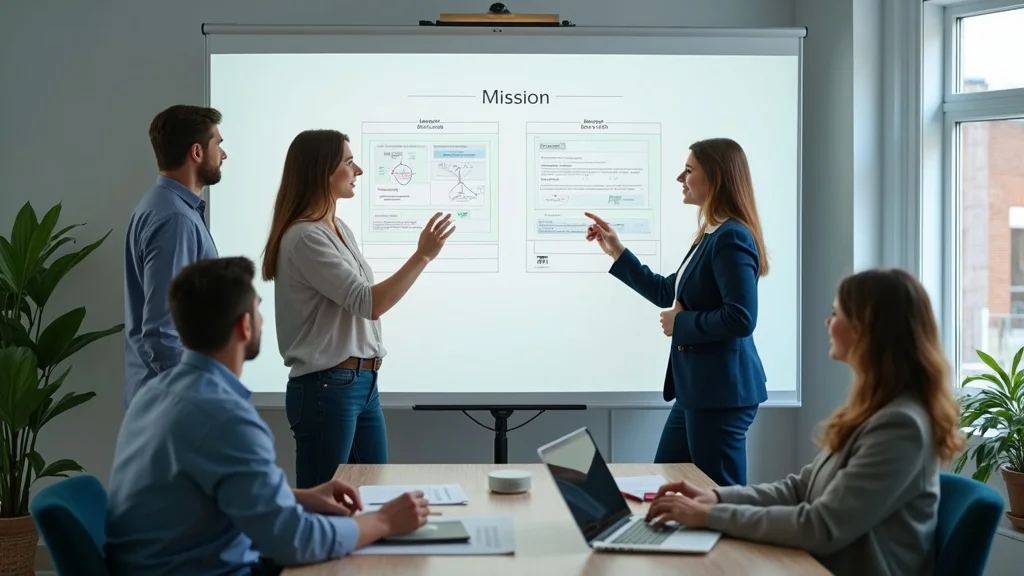
Collaborative UK home services team discussing business legacy strategies

Turning intention into action means more than writing a vision on the wall. Start with a mission that inspires your team and your clients—a mission focused on service, integrity, and growth. Foster a culture where innovation is encouraged, and adaptation to new technologies or customer needs is embraced rather than feared. Invest in the career growth of your staff, so your business is seen as a place where real careers are built, not just jobs. Deep ties with the local community—attending events, offering apprenticeships, or supporting charities—heighten your company’s legacy. Crucially, plan for succession from the start by identifying and cultivating future leaders, ensuring your business endures beyond any single individual. For UK home services professionals, these strategies collectively create resilience, reputation, and long-term community value.

See legacy in practice: Watch home services professionals from across the UK as they build remarkable stories—family businesses thriving across generations, apprentices turning into leaders, customers whose lives are changed for the better. These real-life examples serve as a blueprint and motivation for those committed to making a lasting difference. Their stories echo one key truth: every choice, every job completed with pride, every trainee nurtured—these seeds of legacy grow in ways you may never fully see, but which shape both community and business for years to come.

Watch Now:
A 90-second video montage featuring UK home services professionals at work, customer testimonials, and family businesses passing the torch. Emotional, motivational stories blend past and present, set to inspiring music.

Legacy vs. Reputation: What Lasts Beyond Your Business?

Legacy Reputation
Long-term impact Short-term perception
Based on values and results Based on opinions
Can outlast a business Changes frequently

There's a major difference between legacy and reputation—and it matters for every UK home services professional. Reputation is important, as it drives current business and customer decisions, but it’s inherently fragile, shaped by shifting opinions or single incidents. By contrast, legacy is forged from years of consistent values, proven results, and the long-term impact of your decisions. While reputation can open doors, legacy builds lasting foundations. The home services sector is full of examples where a business’s legacy endures even if names or faces change—inherited skills, trusted systems, and brand values keep serving the community. For long-term influence, focusing on legacy is non-negotiable.

Common Obstacles to Building a Legacy—and How to Overcome Them

  • Short-term focus over long-term vision
  • Lack of succession planning
  • Resistance to change
  • Neglecting relationships

Building a lasting legacy in the UK home services sector means constantly fighting against short-term thinking. Chasing today's win at the expense of long-term reputation, sustainability, or quality sets you up for decline. Without proper succession planning, hard-won achievements can evaporate as staff or family leave, and replacements struggle to carry the torch. Technological change, market expectations, and evolving demographics also demand adaptability—resisting them risks making your business irrelevant. Finally, neglecting client, staff, or community relationships erodes trust, the foundation of legacy. Overcoming these involves regularly reviewing your purpose, actively teaching and training staff, investing in better systems, and placing real relationships at the centre of your business. Prioritising long-term legacy transforms daily decisions and builds resilience when times get tough.

People Also Ask About Legacy

What is the meaning of legacy?

Legacy refers to the lasting impact or contribution left by a person or organisation, often extending beyond their immediate influence or lifetime.

What is a person's legacy?

A person’s legacy encompasses the values, lessons, and enduring outcomes they leave behind. For a home services professional, this might include quality craftsmanship, mentorship, or a business that continues after retirement.

What is another word for legacy?

Words like inheritance, heritage, bequest, and footprint are often used as synonyms for legacy, each with slightly different connotations.

What defines your legacy?

Your legacy is defined by your actions, the values you uphold, and the positive difference you make, both professionally and personally.

FAQs on Building a Strong Legacy

  • How can I start building my legacy today?
    Focus on your core values, treat every client interaction as a chance to reinforce trust, and invest time in mentoring your team. Begin succession planning, no matter your business size.
  • Does legacy matter for small businesses?
    Absolutely. Legacy is about lasting community impact, not just business size. Local businesses can have profound influence by consistently upholding their values.
  • Is legacy always intentional?
    Not always—sometimes it’s accidental. But intentional legacy-building lets you guide what you leave behind, rather than leaving it up to chance.
  • How do I ensure my legacy lasts?
    Put systems in place, nurture future leaders, and maintain close ties with customers and your community. Regularly revisit your strategies to ensure continuity.

Key Takeaways: The Essentials of Building a Lasting Legacy

  • Legacy is the enduring impact of your business and values
  • Every decision contributes to your long-term influence
  • Planning, community, and principles matter most
  • Start taking legacy-focused actions today

Inspire Others: Your Legacy Starts Now

"Good leaders build businesses. Great leaders build legacies." Reflect on your next step.

We'd love to hear your feedback on this article? Add your comments below.

If you’re inspired to future-proof your business and want to stay ahead of the curve, consider how emerging trends can shape your legacy even further. Exploring the latest trends in sustainable plumbing can help you align your business with the evolving expectations of customers and communities. By integrating forward-thinking solutions, you not only strengthen your reputation but also ensure your legacy remains relevant for years to come. Take the next step—embrace innovation and let your business become a benchmark for lasting impact in the UK home services sector.

Sources

  • Legacy Nation UK – https://www.legacynation.co.uk/how-to-build-a-lasting-business-legacy
  • Forbes – https://www.forbes.com/sites/forbesbusinesscouncil/2022/06/14/creating-a-lasting-business-legacy/
  • Cambridge Dictionary – https://dictionary.cambridge.org/dictionary/english/legacy
  • Family Business.org – https://www.familybusiness.org/article/founders-legacy-family-business

To deepen your understanding of building a lasting business legacy, consider exploring the following resources: The Essential Elements For Crafting A Lasting Business Legacy This article outlines key components such as ethical behavior, innovation, and generosity, providing actionable steps to create a meaningful and enduring business impact. Building A Legacy: Key Steps To A Profitable And Enduring Business This piece delves into defining your vision and mission, identifying core values, and developing a scalable business model, offering a comprehensive guide to establishing a profitable and lasting enterprise. If you’re serious about building a legacy in the UK home services sector, these resources will provide you with valuable insights and practical strategies to ensure your business thrives for generations to come.


Trade Secrets: Eco Edition

0 Views

0 Comments

Write A Comment

*
*
Please complete the captcha to submit your comment.
Related Posts All Posts
03.19.2026

What You Fear Controls You

Did you know that over 80% of people admit to letting fear stop them from reaching their full potential at work and in life? This reveals a powerful, often hidden force shaping our choices—fear. In both bustling UK boardrooms and independent home service businesses, our deepest anxieties can subtly define our paths, limit our ambitions, and even dictate everyday decisions. But what if understanding fear is the first step toward unlocking greater success? A Startling Truth About Fear and Control Fear is not just an emotion; it’s a powerful driver that shapes daily behaviour, career progression, and business outcomes for professionals across the UK and beyond. When fear is left unchecked, it can quietly assume control—forcing people to avoid growth opportunities, play safe in leadership roles, or second-guess every strategic business decision. For many local business owners, especially within the home services sector, fear often emerges as the silent barrier to innovation, adaptability, and sustained personal fulfilment. By acknowledging the way fear operates in both the workplace and our private lives, we can begin to identify those moments when it holds us back. Whether it’s public speaking, difficult negotiations, or taking a calculated risk to grow your company, recognising fear’s influence is critical. The uncomfortable truth is: what you fear most may have more control over you than colleagues, competitors, or external pressures do. But the good news? You can learn strategies to shift this power dynamic, using fear as fuel rather than a chain. What You'll Learn From This Article How fear subtly influences your personal and professional choices The difference between fear and anxiety Common types of fear and their impact Practical strategies to take control of your own fear Fear: A Powerful Force in the Business World Nearly every professional has felt the grip of fear at some point, especially in high-stake business situations. In the UK’s robust home services and small business landscape, owners frequently face fear of failure, fear of rejection, and the fear of making wrong decisions. Fear’s influence can be subtle, leaking into operations as doubt, hesitation, or avoidance—causing leaders to pass on new opportunities or innovations in favour of familiar routines. This "safety first" approach might offer short-term relief, but it often limits long-term growth. The realm of business is fraught with uncertainties, and fear can magnify threats that may not even be real. Yet, when approached constructively, fear can also alert us to risks, stimulate creative problem-solving, and drive us to prepare thoroughly. By addressing fear head-on, business owners can turn what may seem like a weakness into an actionable strength, propelling both personal and business successes. While fear can be a significant barrier, integrating practical tools and systems into your business can help reduce stress and create a more balanced environment. For example, many contractors have found that adopting smart systems not only streamlines operations but also alleviates some of the daily pressures that fuel anxiety. If you're interested in actionable ways to manage stress and regain control, explore how smart systems help contractors reduce stress effectively for further insights. Facing Fear: Personal Experiences Shared Everyone has stories of feeling fear—be it the shaky nerves before a big client meeting or the anxiety of pitching a new idea in front of sceptical peers. A fellow business owner once described how the thought of failing his family and employees left him paralysed before launching a new product. This fear was so pervasive it almost halted the project, despite months of research and preparation. Yet, sharing this fear with a mentor and seeking support helped him reclaim control, turning a crippling emotion into a motivation to plan smarter and take courageous action. Such personal experiences reveal that feeling fear isn't a sign of weakness—it's an experience nearly all entrepreneurs share at every stage of business. The key distinction between those who succeed and those who stall often comes down to acknowledging the presence of fear and deciding not to let it dictate the outcome. “Everything you want is on the other side of fear.” – Jack Canfield Understanding the Nature of Fear and Anxiety Fear and anxiety are terms often used interchangeably in business and daily conversation. However, understanding their differences—and recognising their presence—helps professionals take more targeted control. Fear is usually a response to a specific, identifiable threat—a dangerous situation, a daunting deadline, or a challenging negotiation. Anxiety, on the other hand, is more diffuse and persistent. It may also appear as a general dread about something that might never happen, consistently elevating stress in the background of your professional life. For local business owners and service providers, especially in fast-paced or competitive markets, the line between fear and anxiety can blur. Both can impact decision-making, cloud judgement, and ultimately limit opportunities for business development or personal growth. The ability to discern between the two, and to identify physical symptoms that accompany them, empowers individuals to select the most effective coping strategies—be it mindfulness, coaching, or professional counselling. How Fear Manifests: Physical Symptoms When feeling fear or anxiety, your body issues immediate physical responses, sometimes before your brain registers the emotion. Physical symptoms of fear can include: Rapid heartbeat Sweating or trembling Dry mouth Difficulty concentrating These physical symptoms are part of your body’s age-old defence mechanism—a remnant from our evolutionary need to escape dangerous situations. In the modern business world, though, these signals can betray us, surfacing in key moments like high-stakes presentations, financial reviews, or new client negotiations. Recognising the body's cues is essential for responding with calmness rather than withdrawing or panicking. Remember, even though these physical symptoms can be uncomfortable, they often indicate a natural reaction to perceived threat rather than a true emergency. The animation demonstrates how fear activates specific regions of the brain—such as the amygdala—and triggers natural stress responses throughout the body. Neurons fire rapidly, alerting muscles and organs to prepare for action, which is why physical symptoms like increased heart rate, shallow breathing, and trembling are so common. Understanding these processes can help you normalise and manage the feelings when they arise. Different Types of Fear: From Specific Phobia to Social Anxiety Fear is not one-size-fits-all. Rather, it manifests in many forms, impacting professionals in distinct ways depending on context and personal background. In the business world, the most impactful types include specific phobias, social anxiety, and panic attacks. Understanding the nuances of each helps business owners and professionals recognise which challenges are barriers and which are opportunities for growth. Some fears arise from particular objects or situations—a classic example is the fear of heights or enclosed spaces (specific phobia). Others, like social anxiety, surface in group settings, eroding confidence and causing intense discomfort during critical networking events or public speaking. Meanwhile, panic attacks can strike without warning, causing overwhelming dread in otherwise ordinary circumstances, such as high-pressure client meetings or deadline crunches. Type of Fear Description Common Example Specific Phobia Intense fear of a particular object/situation Fear of heights Social Anxiety Fear of being judged in social settings Public speaking Panic Attack Sudden intense episode of fear Fear during stressful business meetings Specific Phobias and Their Impact on Decision Making A specific phobia can be surprisingly disruptive, especially in a professional setting. Take, for example, someone with a fear of enclosed spaces—this single phobia can lead a business owner or employee to avoid lifts, impacting punctuality or causing issues during important meetings on higher floors. The emotional discomfort is real and can result in altered routines, missed opportunities, and unnecessary stress. Such phobias may also affect wider business strategies, causing a professional to shy away from travel, public events, or certain clients. While these fears sometimes stem from previous experiences, their impact is always practical: influencing core business decisions and limiting options unconsciously. Identifying and addressing specific phobias allows individuals to regain agency and implement rational, effective solutions—whether through gradual exposure or professional support. Social Anxiety in Professional Settings Social anxiety often emerges in meetings, presentations, or networking events, situations where someone fears being judged, scrutinised, or rejected. This form of fear and anxiety can make even the most skilled professionals question their abilities and withdraw from valuable opportunities. Challenges like public speaking or direct sales are especially intimidating for those with social anxiety, sometimes leading to avoidance behaviours that impact business development or relationship-building. Many people do not realise how common social anxiety is. Even though it is often masked by professionalism, symptoms like blushing, trembling, or stumbling over words can erode confidence over time. For UK home services professionals who rely on trust and reputation, overcoming social anxiety is crucial for securing client loyalty and standing out in competitive markets. Panic Attack: A Closer Look A panic attack involves sudden and overwhelming feelings of fear or dread, often accompanied by physical symptoms like rapid heart rate, shortness of breath, and dizziness. Unlike general anxiety, panic attacks can appear abruptly, sometimes during stressful business negotiations or just before a public presentation. These episodes are alarming, and can even feel dangerous, but they are not life-threatening. Knowing the difference between a one-off panic attack and an ongoing anxiety disorder is essential. Panic attacks may be isolated, but frequent occurrences should not be ignored. Addressing the triggers and seeking help—be it through mindfulness, breathing exercises, or exposure therapy—can significantly improve professional quality of life. "Fear defeats more people than any one thing in the world." – Ralph Waldo Emerson Why Fear Controls You: The Psychological Basis The real power of fear lies not just in its presence, but in its subtle ability to influence decisions—we may also avoid risks, ignore opportunities, or stay comfortable in our routine purely because of what we fear. From an evolutionary perspective, fear was developed as a survival mechanism, priming us to evade threats and dangerous situations. But in modern work environments, those instincts may keep us from reaching our potential, holding us back from trying new ventures or voicing bold ideas. Fear or anxiety activates the brain’s fight-or-flight response. For some, this protective mechanism becomes overactive, resulting in avoidance, procrastination, or over-cautious behaviour. By recognising when this process is happening, especially with major decisions, business owners and professionals can learn to challenge negative thoughts, reframe their mindset, and gradually overcome these biases. Fear vs. Anxiety Disorder It’s crucial to distinguish between everyday fear and an anxiety disorder. While fear reacts to real and immediate threats (like a client refusing payment), anxiety disorder is persistent and often irrational—characterised by chronic dread, restlessness, and worry. This distinction matters, as anxiety disorder may require structured interventions, such as cognitive behavioural therapy, professional counselling, or medical support. If you notice that fear or anxiety consistently interferes with your wellbeing, decision-making, or quality of work, it may be time to seek further evaluation. Early intervention is not only a sign of strength but can help you cope more effectively and regain professional momentum. How Fear and Anxiety Hold Back Professional Success Paralysis in important decision making Reluctance to pursue growth opportunities Damaged confidence and reputation Fear can make us freeze just when it matters most—be it in front of a new client, during staff evaluations, or when negotiating tighter deadlines. Missed opportunities are one of the biggest costs, as hesitation or self-doubt discourage risk-taking and vision. Over time, consistent avoidance can erode a professional reputation, causing others to question your confidence or resilience. Many people underestimate the cumulative effect of chronic fear and anxiety. Small moments of avoidance compound and create a restrictive professional environment. Recognising and counteracting these patterns is vital for healthy business growth and personal satisfaction. This video highlights business leaders who openly share their journey—revealing moments of vulnerability, the strategies they adopted, and how facing fear head-on ultimately led to better business outcomes. The message? Even the most accomplished professionals face fear, but by embracing support, learning from setbacks, and continually developing coping strategies, they adapted and thrived. Conquering Fear: Practical Strategies for Local Business Owners Recognising and naming your fear Implementing step-by-step exposure to fearful scenarios Seeking professional help for anxiety disorder or social anxiety Building peer support networks The first step in conquering fear is awareness. By recognising and naming your specific fears—be it fear of failure, criticism, or public speaking—you move from a reactive to a proactive mindset. Next, gradual exposure, sometimes called "exposure therapy," can desensitise your nervous response: start with small, manageable steps (like speaking in front of friends), then slowly work your way to larger audiences or riskier decisions. Over time, your comfort zone expands. For persistent or all-consuming anxiety, there’s no shame in seeking expert support. Therapists, business coaches, and supportive peers can provide the reassurance and tools needed to reframe fears and build confidence. A strong peer network also reinforces the idea that vulnerability is part of growth—professional or personal. Quotes From Industry Experts on Facing Fear "You don’t have to control your thoughts. You just have to stop letting them control you." – Dan Millman This wisdom encapsulates a core theme of business leadership: it’s impossible to eliminate fear, but you can control how you respond. Industry experts agree that fostering a growth mindset, maintaining open conversations, and investing in self-awareness are transformative tools for business leaders who want to move beyond fear. Key Takeaways: Turning Fear Into a Business Ally Fear can be transformed into a powerful motivator Self-awareness of fear leads to better leadership Concrete steps can reduce the impact of fear and anxiety Ultimately, the presence of fear does not mark the end of progress—it can become a motivator if addressed honestly and constructively. Leaders who build self-awareness are more resilient, decisive, and inspirational to their teams. Simple, everyday actions—recognising physical symptoms, naming your fear, and seeking help—can deflate fear’s power over time and turn anxiety into empowerment. People Also Ask: Addressing Common Questions About Fear What is the true meaning of fear? Fear is a natural, instinctive response that alerts us to real or perceived threats. It serves an important role in keeping us safe by preparing the body and mind to react—either to confront a challenge or to avoid danger. However, in everyday life and business, fear also appears in situations where risks are less tangible, shaping decisions and behaviours in subtle, enduring ways. What are the 4 types of fear? Experts often identify four core types of fear that impact professionals and business owners: Fear of Failure Fear of Rejection Fear of Loss of Control Fear of the Unknown These broad categories help explain why some avoid taking on new business challenges, resist delegating, or hesitate to innovate, as each type can influence confidence, performance, and satisfaction. Is fear worth watching? Watching or exploring the concept of fear, whether through documentaries or educational resources, is highly beneficial for personal development. Understanding how fear operates—both psychologically and physically—equips business professionals to identify, address, and ultimately master their responses, powering greater achievements and inner calm. How old was Mark Wahlberg in Fear? Mark Wahlberg was 23 years old when he starred in the psychological thriller "Fear" (1996). His portrayal of intense, manipulative fear resonated with audiences and is frequently referenced in discussions about the emotional and behavioural impacts of fear in relationships and society. FAQs: Common Questions About Fear and Anxiety What is the fastest way to calm fear during a panic attack? Breathing deeply, grounding techniques (such as focusing on objects around you), and reminding yourself the feeling will pass help you cope with panic attacks quickly. Can specific phobias be overcome without therapy? Many people can lessen mild specific phobias with gradual exposure and self-help strategies, but severe cases may require professional therapy for best results. Does fear always trigger physical symptoms? Not always; while common, some people experience mostly psychological effects (like negative thoughts or avoidance) rather than clear physical symptoms. How much does anxiety disorder affect business outcomes? Anxiety disorder can significantly affect focus, confidence, and productivity, ultimately influencing a business’s reputation, client relations, and growth potential. Final Thoughts: Fear as Fuel By understanding and channelling fear, business leaders and professionals can use it as a tool for growth, resilience, and innovation—turning their most powerful obstacle into a lasting asset. If you’re ready to take your journey beyond fear and into practical transformation, consider how broader business strategies can support your wellbeing and performance. Embracing smart systems and innovative approaches not only helps you manage stress but also creates a foundation for sustainable growth and balance. For a deeper dive into how technology and process improvements can empower your business, discover the benefits outlined in our guide on how smart systems help contractors reduce stress effectively. Let your next step be one that combines self-awareness with actionable change, unlocking new levels of confidence and success. We'd love to hear your feedback on this article? Add your comments below. Sources Mind – https://www.mind.org.uk/information-support/types-of-mental-health-problems/anxiety-and-panic-attacks/about-anxiety/ NHS – https://www.nhs.uk/mental-health/conditions/anxiety-disorders/ Psychology Today – https://www.psychologytoday.com/gb/basics/anxiety Understanding and addressing fear is crucial for personal and professional growth. The article “Overcoming Fear: Lessons For Business Leaders From A Toddler’s Bravery” (forbes. com) illustrates how identifying specific anxieties and embracing uncertainty can transform fear into a catalyst for innovation. Similarly, “6 common business owner fears (and how to overcome them)” (godaddy. com) provides practical strategies to confront fears such as financial instability and competition, emphasizing the importance of planning and differentiation. By exploring these resources, you can gain actionable insights to recognize and manage fear, turning it into a driving force for success.

03.18.2026

You Don’t Need Motivation

Did you know that 85% of business success comes from consistent action—not bursts of motivation? It’s a startling fact that upends what most home service pros believe. Many people in the industry search for that spark to get started, but lasting results don’t actually rely on feeling motivated. If you’re tired of waiting to feel like taking action, this guide reveals why that’s a good thing—and how you can thrive by working smarter, not harder. Forget Everything You Know About Motivation: A Surprising Truth for Home Service Professionals Why ‘motivation’ is overrated in business success The myth of waiting to ‘feel like’ taking action Statistic: ‘85% of success is due to consistent action, not a sudden burst of motivation’ For so long, the term motivation has been tossed around as the key factor to business growth. But what if relying on motivation is what’s holding you back? Home service professionals often struggle waiting for inspiration, only to realise hard work rarely begins with a rush of motivation. Statistically, consistent habits—not a mental state—create positive outcomes. It’s crucial to recognise that waiting to ‘feel like’ it not only delays progress, it can lead to procrastination and missed opportunities. By letting go of this myth, you open your business up to new, reliable forms of progress that make action an everyday routine, not an occasional event. What You'll Learn in This Guide on Motivation A new perspective on motivation for UK home service pros Practical, evidence-backed alternatives to ‘motivation’ How to get and stay motivated—or move past the need for it altogether In this guide, you’ll explore how human motivation is often misunderstood and how you can harness habits, routines, and systems to get and stay motivated. Rather than search for willpower, you’ll learn effective ways to build momentum, beat procrastination, and support your own and your team’s mental health—a crucial part of running a growing business. For those looking to see how consistent action and reliable service routines translate into real-world business success, you might find it helpful to explore the approach taken by leading professionals in the field. For example, Edward Serrell’s 5-star plumbing and heating services demonstrate how structured systems and a commitment to quality can drive outstanding results—without relying on fleeting motivation. Understanding Motivation: What Is It and Why Do We Fixate on It? The word “motivation” is often used to describe what gets us up and moving. But many people struggle to define motivation clearly. It’s not just about feeling pumped up—motivation is a complex mix of mental state, inner drive, external rewards, and environment. In the trades, it’s easy to believe motivation is what gets you out of bed or takes your business to the next stage. But let’s explore what motivation really means. Many of us get stuck in the idea that motivation is something you either have or don’t have. However, motivation tends to ebb and flow; it isn’t constant, and that’s normal. For home services professionals, understanding this means you can stop searching for motivation and start building action-based routines that deliver real progress, regardless of how you feel each morning. This clarity is one of the key steps to breaking free from a dependence on willpower alone. How can you define motivation? At its core, motivation is the force that drives you to take action—it’s closely related to your desires, needs, and sometimes the external rewards you expect. For many people, motivation is often linked to a sense of purpose or necessity. However, its unpredictable nature is one reason why relying on it can be risky. Motivation is an important part of our mental state, but real business growth depends more on the systems and routines you establish, making it easier to get started and keep going even when you don’t feel like it. Think about days when you didn’t really feel motivated but still completed a crucial task. That mix of necessity and routine shows how positive outcomes are built on action, not feelings. For home service pros, defining motivation means understanding what personally moves you—whether it’s financial reward, pride in your work, or supporting your family—and using that understanding to craft repeatable systems, not depending solely on bursts of inspiration. What are the 4 types of motivation? Intrinsic vs extrinsic motivation: Intrinsic motivation comes from within—it’s the internal satisfaction you get from a job well done. Extrinsic motivation relies on external reward, such as pay, praise, or recognition. Both play a role in business but are rarely strong enough on their own to sustain long-term success. Fear vs reward-based motivation: Some are driven by avoiding negative outcomes (fear), while others are inspired by the promise of positive results (reward). For home service professionals, understanding which influences you most can help tailor your approaches to work. Motivation can also be introjected (driven by guilt or obligation) or identified (linked to your beliefs and values). Knowing these four types helps business owners create work environments and habits that keep action front and centre, rather than waiting for the right emotional spark. Mental health and motivation are often closely related—staying aware of your motivation type supports lasting wellbeing and productivity for yourself and your team. The Motivation Trap: Why Waiting to ‘Feel Like’ Taking Action Does Not Work The role of emotion and procrastination in staying motivated Overcoming the ‘feel like’ barrier The connection between motivation and mental health in home services The biggest misunderstanding in the trades, and for business owners generally, is the belief that you must feel like working before you start. This “motivation trap” encourages procrastination, as many people put off key tasks, waiting for a mental state that might never come. In home services, this often means delayed customer responses, missed deadlines, or incomplete maintenance, all leading to lost business. The mental health impact of waiting, feeling anxiety, and failing to act only worsens the problem, creating a cycle of avoidance that’s tough to break. It’s crucial to see that motivation is fleeting and not a reliable partner for your business journey. The most successful home service pros sidestep this motivation trap by acting first—knowing from experience that getting started naturally builds momentum. In fact, mental health improves when you break big tasks into smaller, more achievable steps, removing overwhelm and empowering action. This approach is rooted in behavioural psychology and has been proven to reduce stress and boost productivity. Taking Action: The Science of Doing Before Feeling Motivated Behavioural psychology: ‘Action leads to motivation’ Small steps to get started and build momentum Get and stay motivated with systems, not just willpower Science tells us that taking action is what actually generates motivation—not the other way around. This key factor, supported by behavioural psychology, shows that when you do something productive, even a small step, your brain releases chemicals that encourage further action. For home service professionals, this means scheduling your first call, sharpening tools, or responding to one customer email can trigger the positive feedback loop that makes it easier to keep working. You don’t need to feel inspired—you just need to get started. Building a system to get and stay motivated removes reliance on willpower alone. Top UK pros often use cues and routines—like always prepping vans at the same time each morning or stacking habits (e. g. , reviewing to-do lists over a morning coffee) to make progress automatic. The power is in the process: action, not inspiration, is what leads to positive outcomes, professional growth, and reduced stress. Practical Strategies to Stay Motivated (When Motivation Isn’t Coming) Habit stacking for business owners Setting up an environment for automatic action Tools and apps UK professionals use to stay motivated “You don’t rise to the level of your goals. You fall to the level of your systems. ” – James Clear Practical strategy trumps inspiration in home services. Habit stacking—linking a new action to an existing habit—makes it easier to adopt positive routines. For instance, a business owner could check the following day’s appointment list right after closing the accounts software, making it a seamless part of the daily wind-down. By arranging your workspace so that everything you need is within easy reach (toolkits, checklists, smartphone productivity apps), you take away physical and mental barriers, minimising the excuses that come with a lack of motivation. UK home services professionals often use simple yet powerful tools: to-do lists, accountability apps like Trello or Todoist, or even productivity timers such as Pomodoro. These tools take the pressure off your mental state and encourage action through structure, making staying motivated a side effect of good organisation. Creating an inviting and organised workspace also signals to your brain that it’s time to work—not wait for motivation. Motivation, Mental Health, and Burnout in Home Services Identifying signs of burnout How motivation impacts mental health Wellbeing strategies for high-pressure environments Comparison of Motivation vs Action-Driven Routines Motivation-Based Action-Based Wait for inspiration Structured daily habits Unpredictable productivity Reliable progress Emotion-driven System-driven Burnout is a common, but often unspoken, issue among home service professionals. Signs of burnout include constant tiredness, difficulty concentrating, and a drop in job satisfaction—symptoms closely related to lack of motivation and ongoing mental health challenges. Relying on motivation to power through busy schedules can backfire, as motivation tends to fade during high-pressure periods, making it easy to fall into unhealthy cycles of overwork and stress. To protect your wellbeing, shift focus from emotional ups and downs to practical wellbeing strategies: regular breaks, clear work-life boundaries, and peer support all help. Embedding self-care into your daily routine—much like you’d schedule a client call—can have a huge payoff. For home service business owners, paying attention to the mental health of both yourself and your staff is vital for keeping teams resilient and motivated for the long haul. Motivational Words and Mindsets: Tools for Boosting Consistency What are 10 motivational words? Inspire: Encourage others to take action. Drive: The push to keep going, even when it’s tough. Persist: Continue despite setbacks. Focus: Keep your attention on what matters most. Resilience: Bounce back from challenges. Achieve: Reach important goals step by step. Empower: Give your team what they need to succeed. Dedication: Commit to your task or project fully. Courage: Take bold steps, even when unsure. Determination: Never give up, no matter what obstacles arise. Use these words to build a resilient mindset in your team. Share them in morning briefings, post them around your workspace, or weave them into your daily language. Home service pros who model these values influence their teams to take action, creating an environment where everyone feels empowered to tackle tough jobs and get through busy periods together. Motivational words are useful, but a resilient mindset—strengthened by consistent action—makes the real difference. Biggest Killers of Motivation for Business Owners What is the biggest killer of motivation? Analysis: Common traps (perfectionism, lack of clarity, overwhelm) Solutions for avoiding these in a home service context One thing that drains the drive to succeed is a lack of clear, actionable goals. Perfectionism and overwhelm are also major traps—striving to do too much all at once or holding standards so high that starting feels impossible. Many home service professionals get bogged down by unclear priorities, endless to-do lists, and the belief that everything has to be perfect before taking action. This leads to delayed responses, incomplete projects, and a mental state marked by frustration and discouragement. To avoid motivation killers, simplify your goal-setting process. Break large projects into manageable chunks and celebrate small wins as you go. Regularly review priorities and delegate non-essential tasks. The most effective home services leaders create workflows that reduce decision fatigue, clarify expectations, and keep the team focused on progress rather than perfection. Remember: progress, not perfection, is what keeps you moving forward. Stay Motivated Without Relying on ‘Motivation’ Accountability groups for business owners Goal-setting frameworks such as SMART goals Example: How UK professionals keep going through tough times “Discipline is choosing between what you want now, and what you want most. ” – Abraham Lincoln Accountability is a secret weapon for business owners who want to get and stay motivated. By joining a peer group (even informally), you create outside structure that encourages regular progress. Set up monthly meetings to check-in on goals, share setbacks and wins, and get feedback. Tools like the SMART goal framework (Specific, Measurable, Achievable, Relevant, Time-bound) help clarify objectives—making it easier to take action without the need for daily inspiration. During tough times, UK trades pros often lean on their network, communication, and disciplined routines more than on bursts of motivation. Regular debriefs, sharing challenges, and celebrating small successes together all foster a culture where action comes naturally—from recruitment to job completion—no matter what the day throws at you. Motivation Myths Busted: What Actually Drives Success in Home Services Separate fact from fiction about motivation Why action and routines are more important Insights from industry-leading home service companies Let’s set the record straight: Success in home services isn’t about waiting for a lightning bolt of inspiration. The top-performing companies aren’t more motivated than the rest—they just have better systems and routines. The myth that you have to feel inspired before you can succeed is damaging, causing many to miss out on steady growth. Instead, action—no matter how small—accomplished daily, is what actually builds a thriving business. Industry leaders rely on structure: regular morning briefings, fixed check-in times, routine equipment checks, and well-established customer service processes. These habits don’t just reduce pressure—they form the foundation for reliable progress. The advice is clear: Focus on building action-driven routines and let motivation become a welcome bonus, not the main ingredient for success. People Also Ask: Your Motivation Questions Answered How can you define motivation? Motivation is the internal drive that pushes a person to act towards goals, shaped by desire, necessity, or external incentives. Motivation is often referred to as the fuel for achieving goals. For home service business owners, it plays into every decision you make—from pricing jobs to hiring new staff. But keep in mind: it’s most useful when used alongside systems and routines that ensure progress continues even during lulls in mental energy or tough days. What are 10 motivational words? Inspire, drive, persist, focus, resilience, achieve, empower, dedication, courage, determination. Using motivational words can help boost team morale and personal drive. Try posting your favourites on your office wall, discussing them in meetings, or simply reminding yourself of their power during demanding jobs. What are the 4 types of motivation? Intrinsic, extrinsic, introjected, and identified motivation; each impacts how and why we take action. Understanding the types helps you and your team tap into what moves you—whether it’s a sense of purpose, external reward, or internal pride. When you know your drivers, you can build business systems that work with them, not against them. What is the biggest killer of motivation? The lack of clear, actionable goals—leading to procrastination and burnout. Without clarity, you can quickly become overwhelmed, leading to a lack of motivation and high stress. The key is to regularly set, review, and adjust specific goals that keep your path forward clear and achievable. Action Steps: Create Your Personal Plan to Get and Stay Motivated Identify one daily action for business growth Set up a practical cue/action system in your workspace Track daily progress, not perfection Join a peer accountability group Review and adapt weekly By following these simple steps, you’ll create a routine that minimises procrastination and keeps your business moving forward. Each small action stacks up, turning discipline into habit and making motivation a welcome bonus—not a necessity. Quotes to Inspire Consistency Over Motivation “Success is the sum of small efforts repeated day in and day out.” – Robert Collier “The secret of getting ahead is getting started.” – Mark Twain Key Takeaways for Home Service Professionals: Move Past Motivation Focus on disciplined action, not feelings Build systems for ongoing progress Use motivational tools, but don’t depend on them Look after mental health to avoid burnout Adopt these key lessons and watch your business flourish—regardless of your mood each morning! Frequently Asked Questions About Motivation for UK Business Owners Can I grow my business without relying on daily motivation? Absolutely. Systems, routines, and accountability can drive consistent action without the need for constant inspiration. What routines work best for UK trades and home service pros? Morning checklists, set review times for jobs, habit stacking, and peer support are proven approaches for steady progress. How can I combat demotivation on tough days? Reduce task size, focus on one thing, ask for help, and remember that action—even a minor one—often leads to renewed momentum. In Summary: Why You Don’t Need Motivation to Succeed in Home Services The benefits of action always outweigh waiting for inspiration Create systems, build habits, and enjoy sustainable business growth—no matter your current mood. If you’re ready to take your business mindset even further, consider exploring how top-rated home service providers structure their operations for lasting success. Learning from the systems and customer-focused strategies of industry leaders can help you refine your own approach and unlock new levels of efficiency. For a deeper dive into what sets exceptional businesses apart, discover the proven methods behind Edward Serrell’s 5-star plumbing and heating services. Their story offers practical inspiration and actionable ideas for building a reputation that thrives on reliability, not just motivation. Your Turn: Share Your Best Motivation (or Action-Based) Strategies We'd love to hear your feedback on this article? Add your comments below. Sources James Clear – https://jamesclear.com/atomic-habits Verywell Mind – https://www.verywellmind.com/what-is-motivation-2795378 Mind UK – https://www.mind.org.uk/information-support/types-of-mental-health-problems/workplace-mental-health/ Harvard Business Review – https://www.hbr.org/2019/10/stop-waiting-for-motivation-to-strike-and-get-to-work NHS – https://www.nhs.uk/mental-health/self-help/guides-tools-and-activities/five-steps-to-mental-wellbeing/ Understanding motivation is crucial for home service professionals aiming to enhance their business practices. The article “Motivation | Definition, Examples, Psychology, Types, & Facts” from Britannica provides a comprehensive overview of motivation, including its various types and the psychological principles behind it. (britannica. com) Additionally, the “Motivation” entry on Wikipedia offers an in-depth exploration of the subject, discussing different theories and applications of motivation in various contexts. (en. wikipedia. org) These resources can offer valuable insights into how motivation influences behavior and how to apply this understanding to improve business outcomes.

03.17.2026

Your Ego Is Lying to You

Is your ego quietly working against your success and mental health—even when you think you're in control? Most of us believe our self-assurance is a source of strength. But what if those confident thoughts, the ones that push us to defend our decisions or avoid uncomfortable truths, are actually ego errors sabotaging our progress? In a world where business success and mental health are closely linked, recognising when your ego is lying to you has become an essential leadership skill. This article unveils the hidden ways ego errors disrupt your thinking and offers a roadmap to escape their grip—empowering UK home service professionals and business owners to lead with clarity, confidence, and true growth. Are Ego Errors Sabotaging Your Success? The journey to business excellence and sound mental health is often derailed by invisible forces. Ego errors—distorted beliefs that prioritise pride over progress—are among the most powerful culprits. In the competitive world of UK home services, where every win counts, ego errors can sneak in as a fear of seeming uninformed, reluctance to accept feedback, or the habit of dismissing others' perspectives. These patterns don’t just stall innovation—they also undermine the psychological safety needed for high-functioning teams. Business leaders often fall into the ego problem trap without realising it. Thoughts like “I know everything” or “Only I can do it right” seem useful in the moment but quickly become limiting beliefs that hinder personal development and team performance. When ego always whispers that we must appear perfect and in control, we miss out on real progress and shared wisdom. The cost isn’t just missed business opportunities—it’s also an undercurrent of stress and frustration that quietly erodes mental health and engagement within teams. Recognising and challenging these ego errors is not just about becoming aware of your own limitations—it's about taking the next step toward better decisions, improved business outcomes, and a more supportive work environment. What You'll Learn About Ego Errors and Their Impact on Mental Health How to spot ego errors in your personal and professional interactions Ways ego influences limiting beliefs and business success Techniques to dismantle harmful ego narratives Real-world examples of ego problem scenarios Steps for improving mental health by overcoming ego Understanding Ego Errors: The Core of the Ego Problem At its core, the ego problem isn't about being arrogant or self-absorbed—it's about the hidden scripts in our minds that tell us we're not safe unless we maintain control or defend our image. These “ego errors” manifest in everyday business life as resistance to change, defensiveness, or the need to always be right. For home service professionals and business owners, these errors often stem from limiting beliefs built up over years of hard work and experience. The challenge is compounded in high-pressure work environments, where “working hard” can mean equating vulnerability with weakness. Many human beings in leadership roles struggle to accept that it’s okay not to have all the answers. The ego, trying to protect us, may distort real thoughts and encourage us to see nothing but threats in honest feedback. When unchecked, these patterns can erode both self-confidence and psychological safety within teams, making it difficult to take risks or embrace new opportunities. "Your ego is not your amigo; trust in self-awareness opens the doors to real progress." – UK Business Coach How Limiting Beliefs Fuel Ego Errors in Business Limiting beliefs are the foundation on which ego errors thrive. These beliefs often manifest as internal narratives such as “I must always appear strong”, “Showing vulnerability means failure”, or “Admitting I was wrong will mean anything but success. ” In the business context, especially within the local UK service sectors, leaders and managers can find themselves driven by a desire to prove themselves or justify their decisions without fear of being judged. The result is a culture where honest communication is stifled and opportunities for growth are repeatedly missed. Fear of appearing weak or uninformed Reluctance to accept constructive feedback Overestimating personal influence or expertise These limiting beliefs turn ego errors into daily obstacles. When the ego constantly whispers, "see nothing but threats," you may find it harder to learn from mistakes or embrace the course in miracles that vulnerability brings. Instead of enjoying the present moment and the benefits of psychological safety, professionals become rigid, often fighting to maintain control over every business process. The next step in dismantling these patterns is acknowledging them and replacing old scripts with empowering, growth-oriented perspectives. While addressing ego errors is crucial for personal and team growth, it's equally important to recognise how proactive habits in other areas—like regular equipment upkeep—can prevent unnecessary stress and setbacks. For example, implementing practical boiler maintenance strategies not only safeguards your business operations but also reduces the pressure that can trigger ego-driven responses during unexpected breakdowns. Ego Errors and Their Hidden Impact on Mental Health It’s easy to underestimate how ego errors, quietly shaping your thoughts and actions, affect your mental health. When leaders over-identify with their beliefs or roles, the weight of always being “right” or “in control” creates constant psychological pressure. Over time, this leads to chronic stress, burnout, and even symptoms of anxiety and depression—an outcome all too common among business leaders who never stop to challenge their ego’s storytelling. Working without fear of mistakes or judgement is essential for healthy business cultures. However, ego errors foster an environment where team members no longer feel safe to voice their real thoughts or admit they’re struggling. This lack of openness undermines psychological safety and makes it nearly impossible to build trust within teams. By becoming aware of how ego errors affect both ourselves and others, we can begin to replace them with more supportive behaviours, leading to improved well-being, more meaningful relationships, and ultimately, a more resilient business. Table: Common Ego Errors vs. Healthy Mindset Responses Ego Error Limiting Belief Healthy Response Dismissing Feedback ‘I know best’ Openly considering suggestions Refusing to Delegate ‘Only I can do it right’ Empowering team members Blaming Others ‘It’s never my fault’ Taking ownership of mistakes What is the problem with ego? The main problem with ego is its ability to cloud judgment and block real growth. When the ego is in charge, it’s easy to mistake defensiveness for strength, or stubbornness for leadership. This often results in poor decisions, miscommunication, and strained relationships—especially in small business settings where teamwork is key. The ego problem frequently causes people to resist change, ignore sound advice, and struggle to admit mistakes. Over time, these patterns hinder both personal and professional development, making it much harder for teams to collaborate or innovate effectively—ultimately, sabotaging business growth and mental health. Many business owners encounter the ego problem when hard work falls short of expectation and disappointment sets in. Instead of seeing setbacks as opportunities to learn, the ego insists on maintaining its image, sometimes at great cost. This unhealthy focus on self-preservation leads to less meaningful connections, a lack of psychological safety, and can even result in people becoming isolated or burnt out. Addressing the ego problem means embracing humility and continuous self-reflection, paving the way for better decisions and genuine progress in work and life. What is an example of an ego conflict? An ego conflict typically arises when two strong personalities defend their own viewpoints at the expense of constructive dialogue. For example, during a tense business meeting, if a manager refuses to acknowledge a colleague’s suggestion, insisting “my way is best,” communication collapses. Each party fights to “win” rather than understand, and both lose sight of the wider business objective. Such conflicts are common in businesses where results matter and pride is on the line. Instead of taking the next step to find a mutually beneficial solution, both sides dig their heels in, often resulting in resentment and a breakdown of trust. These situations are especially damaging in smaller teams or service sectors, where interpersonal dynamics are crucial. By becoming aware of ego errors in conflict situations, business leaders can transform disputes into learning opportunities, focusing on shared goals instead of individual egos. What is an example of a bad ego? A bad ego not only blocks personal humility but also diminishes the contributions of others. Imagine a manager who always sets the direction, dismisses employees’ input, and never admits to mistakes—this behaviour creates an atmosphere where team members feel undervalued and demotivated. Over time, team morale declines and the business struggles to innovate or retain talent. This pattern is frequently seen among leaders who equate authority with perfection. Their unwillingness to show vulnerability or accept help stops team members from stepping up or taking risks, reinforcing a culture of dependency and fear. In the long run, a bad ego undermines not just the manager’s effectiveness, but also the overall wellbeing and mental health of the entire business unit. Breaking this cycle requires deliberate, ongoing self-reflection and a willingness to value growth over being right. What is the downfall of the ego? The true downfall of the ego comes when the pursuit of self-preservation and being “right” results in lost opportunities, damaged relationships, and a decline in both personal satisfaction and team performance. For business owners, clinging too tightly to ego-driven beliefs often leads to isolation, burnout, and an inability to adapt to new challenges. The ego problem multiplies when feedback is ignored and personal narratives outweigh collective goals. In the end, unchecked ego errors push even the most talented professionals into a cycle of defensiveness and missed potential. The present moment—filled with opportunities for connection and learning—gets lost as leaders fixate on their own image. Recognising that the meaning you assign to situations is not absolute is the first step to breaking free. Embracing humility, being open to feedback, and prioritising the team over personal pride are essential to avoid the ego’s downfall and build a more resilient, dynamic business. Identifying Ego Errors in Everyday Business Interactions Spotting ego errors in daily business life is crucial for business owners and home services professionals who want to create a culture of openness, growth, and good mental health. Some of the most common signs that ego errors are affecting your team include frequent frustration with colleagues or clients, difficulty accepting feedback, taking criticism personally, and insisting on “my way or the highway” approaches to processes and projects. These cues often appear subtly but have a significant impact if left unchecked. Frequent frustration with colleagues or clients Difficulty accepting feedback Tendency to take criticism personally Insistence on 'my way or the highway' approaches When you become aware of these signs, you’re better positioned to address them, fostering an environment where innovation and collaboration can thrive. Teams with lower ego presence are not only happier and more resilient—they are also far more likely to achieve business goals and maintain robust mental health over the long term. Watch the video below for practical case studies and expert breakdowns of ego errors in everyday business settings. This resource, designed to help UK home service teams, highlights typical conflicts and offers actionable insights for overcoming ego-driven obstacles. Video Breakdown — Case studies and role-playing of professionals in common ego error situations within UK local business settings, annotated with expert insights and practical takeaways. The Link Between Ego Errors and Limiting Beliefs Every ego error is rooted in a limiting belief: thoughts that cap our potential and keep us rooted in the status quo. These beliefs, like “I can’t risk looking foolish,” work silently beneath the surface, reinforcing defensive or controlling behaviours. The connection between ego errors and limiting beliefs is so strong that addressing one almost always requires tackling the other. Leaders who ignore this link end up repeating the same mistakes without understanding why progress remains elusive. Shifting away from these negative patterns demands active, ongoing self-awareness. Instead of allowing the ego to dictate responses based on old programming, successful business owners challenge these limiting beliefs systematically. This means asking tough questions about the stories you tell yourself, welcoming the present moment, and letting go of the need to prove yourself every step of the way. Growth, both personal and professional, flourishes where limiting beliefs have been replaced by openness and a willingness to learn. Overcoming Ego Errors: Strategies for Home Services Professionals Business owners and professionals in the home services sector can use practical techniques to dismantle ego errors and improve both business outcomes and mental health. The following strategies are designed to help you become aware of ego-driven behaviour patterns, replace them with growth-minded actions, and foster a culture of continuous improvement: Practice mindful self-reflection on thoughts and actions Seek feedback regularly and act on it Embrace vulnerability as a leadership strength Challenge and replace limiting beliefs systematically Prioritise team success over individual recognition Consistently applying these strategies will help you take risks, make better decisions, and transform traditional “ego problem” scenarios into opportunities for authentic growth. Remember: progress often means challenging your own assumptions—one day, one interaction at a time. Quote: Overcoming the Trap of Ego Errors "Ego errors dissolve the moment you prioritise growth over being right." – Leadership Trainer Watch the video to see how local business leaders have overcome ego errors through real-world examples. By re-framing setbacks and embracing vulnerability, they turned challenges into powerful learning opportunities, setting themselves and their teams up for long-term success. Every professional faces ego challenges—what separates the best is their willingness to learn, adapt, and let their true strengths shine through. List: Signs You’re Struggling with an Ego Problem Immediate defensiveness during discussions Avoiding admitting mistakes or faults Ignoring or minimising others’ accomplishments Overcontrolling every business process If you spot these patterns in your daily interactions, it’s a signal to pause and reflect. Recognition is the first—and perhaps most important—step toward overcoming the ego problem and creating lasting positive change. FAQs: Addressing Common Questions About Ego Errors How can ego errors be spotted in team meetings? Look for behaviours like dominating conversations, deflecting blame, or dismissing other viewpoints. When leaders or colleagues consistently shut down suggestions or resist feedback, ego errors may be at play. Are ego errors more common in certain business sectors? While ego errors can appear in any sector, they often surface in high-pressure industries such as home services, where rapid problem-solving and visible leadership are valued. The key is recognising that every business can benefit from reducing ego-driven decisions. Do ego errors affect business growth in measurable ways? Yes—ego errors frequently lead to lower team morale, missed business opportunities, and reduced innovation. Businesses with strong cultures of psychological safety and humility typically outperform those dominated by ego-driven leadership. Key Takeaways on Ego Errors and Limiting Beliefs Ego errors stem from limiting beliefs and affect mental health. Awareness and self-reflection are critical in overcoming ego errors. Business owners can lead more effectively by confronting ego problems head-on. Final Thoughts: Embrace Growth by Challenging Ego Errors Taking responsibility for your own ego errors unlocks resilience, better decision-making, and healthier teams. Progress starts with awareness—choose growth over being right. If you’re ready to take your leadership and business culture to the next level, consider how the principles of self-awareness and humility can be applied across every aspect of your operations. By integrating these insights, you not only strengthen your mental health but also create a foundation for sustainable business growth. Exploring related topics—such as how preventative strategies and a proactive mindset can reduce stress and improve outcomes—can offer even more practical value. For further inspiration on building resilience and minimising avoidable setbacks, discover actionable advice in our guide to avoiding costly breakdowns through smart maintenance. Let your journey toward a healthier, more successful business continue with every step you take. We'd love to hear your feedback on this article? Add your comments below. Sources Psychology Today – Ego Basics Harvard Business Review – Signs That Your Ego Is Getting in the Way Mind UK – Types of Mental Health Problems PositivePsychology.com – The Importance of Ego Balance Success – How to Overcome Your Ego Understanding and addressing ego errors is crucial for personal development and effective leadership. The article “Ego Check: Recognizing 6 Unmistakable Signs of an Ego Problem” provides valuable insights into identifying behaviors such as the constant need for validation and the inability to accept criticism, which can hinder professional growth. (interactivecrypto. com) Additionally, “The Dark Side Of Ego: How An Inflated Sense Of Self Undermines Leadership” explores how unchecked ego can lead to arrogance and poor decision-making, ultimately affecting organizational success. (forbes. com) By recognizing these patterns and implementing strategies to manage ego, individuals can foster healthier work environments and achieve sustainable success.

Terms of Service

Privacy Policy

Core Modal Title

Sorry, no results found

You Might Find These Articles Interesting

T
Please Check Your Email
We Will Be Following Up Shortly
*
*
*