Add Row
Add Element
cropper
update

Plumbing and Heating Chesterfield

Logo-plumbing and heating chesterfield
update
Add Element
update

CALL US

07966 884368

Add Element
update

EMAIL US

info@edsplumbing.co.uk

Add Element
update

OPEN 24 HOURS  OPEN

Add Element

Add Element
  • Insights Home
  • Topics
    • Eco-Friendly Plumbing Projects
    • Trade Secrets: Eco Edition
    • Smart Spend: Eco Product Picks
    • Smarter Heating to Slash Your Bills
    • Plumbing and Heating Success Stories
    • Sustainable Plumbing and Heating News
    • Innovative Heating Solutions
    • Sustainability Tips for Every Property
    • Plumbing and Heating Services
    • Emergency Plumbing
    • Boiler Installation Repairs and Servicing
    • Commercial Plumbing Solutions
    • Smart Underfloor Heating
    • News
  • Contact Us
  • Subscribe
Add Element
  • Peak Plumbing and Heating Insights on Facebook
    update
  • Peak Plumbing and Heating Insights on X.com
    update
  • Peak Plumbing and Heating Insights Google Business Profile
    update
  • update
  • update
  • Peak Plumbing and Heating Insights on Youtube
    update
  • Peak Plumbing and Heating Insights on Instagram
    update
  • All Posts
  • Eco-Friendly Plumbing Projects
  • Trade Secrets: Eco Edition
  • Smart Spend: Eco Product Picks
  • Smarter Heating to Slash Your Bills
  • Plumbing and Heating Success Stories
  • Sustainable Plumbing and Heating News
  • Innovative Heating Solutions
  • Sustainability Tips for Every Property
  • Plumbing and Heating Services
  • Emergency Plumbing
  • Boiler Installation Repairs and Servicing
  • Commercial Plumbing Solutions
  • Smart Underfloor Heating
  • News
March 09.2026
1 Minute Read

What Most People Don’t Know About UK Plumbing regulations

Did you know: Over 60% of UK water system failures relate to improper compliance with plumbing regulations—costing businesses millions each year. That’s according to the Chartered Institute of Plumbing, and it’s just the tip of the iceberg. While most think UK plumbing regulations are the realm of certified installers and local councils, the true scope of these rules—and the risks involved with non-compliance—are often overlooked by even seasoned professionals. Whether you’re running a plumbing business or managing facilities, the details you don’t know might be costing you money, reputation, and even legal trouble.

Uncovering Surprising Facts: Why UK Plumbing Regulations Matter More Than Ever

UK plumbing regulations are far more than just bureaucratic hurdles—they’re the backbone of water supply, hygiene, and safety in properties countrywide. Recent updates have added new layers of complexity, meaning what worked in the past might not pass muster today. Water fitting, water storage, and hot water system standards have all grown stricter, and failure to keep pace can put businesses at risk of costly shutdowns, fines, or liabilities. Understanding the difference between plumbing regulation and building regulations—especially for new builds and complex commercial premises—has become essential for commercial success.

It’s easy to stumble into common regulatory traps. Many plumbers and facility managers assume compliance simply means using approved water fittings or keeping the water within certain temperatures. In reality, evolving standards for water system safety and fluid category protection require detailed documentation, specialist installation, and rigorous product checks. Overlooked aspects like scope definitions, accurate recordkeeping, and the subtleties of backflow prevention all play a role in determining if your plumbing system stands up to inspection. In this guide, we tackle the hidden details you can’t afford to ignore.

As the regulatory landscape continues to evolve, staying informed about upcoming changes is crucial for both compliance and operational efficiency. For a closer look at how new rules may impact your business in the near future, you might find it helpful to review the latest updates on UK plumbing regulations expected in 2025.

"Over 60% of UK water system failures relate to improper compliance with plumbing regulations—costing businesses millions each year." – Chartered Institute of Plumbing
  • The evolving standards for water supply and water fitting safety: These standards now include advanced backflow prevention, efficient use of water, and heightened hygiene protocols for both public water supply and private systems.
  • Regulatory traps most UK plumbing professionals miss: Overlooking changes in fluid category definitions, incorrect installation of hot water devices, and incomplete water system documentation are among the most frequent pitfalls.
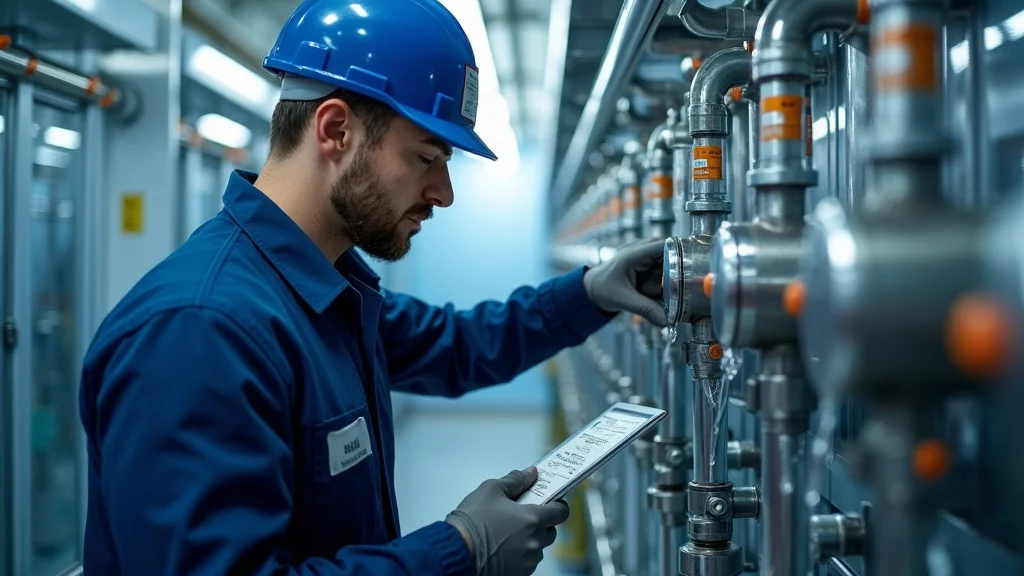
Modern UK commercial plumbing system | uk plumbing regulations

What You'll Learn About UK Plumbing Regulations

  • The scope and criticality of plumbing regulations in the UK
  • How water fitting and water fittings compliance works
  • The role of water supply, water storage, and hot water systems in regulation
  • Practical steps to avoid common pitfalls

Understanding UK Plumbing Regulations: The Essential Framework

Defining UK Plumbing Regulations vs. Plumbing Regulation

UK plumbing regulations serve as a guiding force that governs the installation, maintenance, and repair of plumbing systems across the country. It’s important to distinguish “plumbing regulations” from the broader term “plumbing regulation”. While the former refers to specific rules and standards, the latter includes all statutory and non-statutory guidance influencing plumbing and heating practices. For instance, the Water Supply (Water Fittings) Regulations 1999 set precise limitations on what’s approved as a “water fitting”, while general plumbing regulation may touch on matters ranging from fluid category classification to the maintenance of plumbing systems overall.

Understanding these terms can shield you from inadvertently breaching compliance—especially when working on systems interfacing with the public water supply or involving high-risk fluid categories. Both regulatory frameworks aim to safeguard public health, prevent contamination, and ensure reliable water supply. This clarity becomes crucial for business owners and heating system installers dealing with evolving expectations from regulators and clients alike.

How Plumbing and Heating Standards Fit In

Modern plumbing and heating regulations are closely interlinked. While plumbing focuses on water systems, pipes, and fixtures, heating standards intersect via appliances like hot water heaters and boilers. Current rules require that both plumbing and heating systems (especially in new builds and refurbishments) are installed in a way that prevents risks such as scalding, backflow, and inefficiency. Standards such as Part G of the Building Regulations and recent updates in hot water system safety protocols underscore the importance of integrating these domains for a coherent, safe install.

For commercial and domestic premises alike, ensuring interoperability between hot water systems, heating systems, water fittings, and overall water supply infrastructure is non-negotiable. This integrated approach is vital for meeting energy efficiency goals, protecting end users, and staying compliant under both plumbing regulation and building regulation regimes.

Water Supply and Water Fitting: Core Principles

The integrity of any water supply or water fitting depends on adherence to several core principles: preventing backflow, using approved materials, and ensuring installations do not compromise water quality. Regulations make it clear that only certain materials and water fittings are acceptable—defined lists and testing requirements uphold these standards. The principles also dictate that fluid category assessment is mandatory, classifying risks posed by the movement of water between different parts of a plumbing system.

Failure to respect these distinctions—such as incorrectly connecting water from a private system to the public supply or neglecting preventing backflow—can result in immediate compliance failures. That’s why training in core principles and regular updates on regulation are crucial for UK plumbing professionals and business owners.

Key Legislation and Authorities: Who Sets UK Plumbing Regulations?

Key Building Regulations Impacting Water System & Water Fittings

UK plumbing regulations are tightly linked to building regulations, especially parts that govern water supply, water storage, and water fitting selection/installations. Among the most influential are Part G (protection of water supply and hot water safety), and Part O (overheating, which can affect water system integrity). These legislative frameworks detail not only what’s legal, but what’s safe and recommended—covering issues from minimum pipe diameters to permissible materials for hot water system setups. Any deviation can have significant compliance consequences, such as being unable to secure sign-off for new builds or extensions.

In practice, this means all water fittings used must be approved, all water supplied to an installation must meet statutory guidelines, and combinations of systems (such as combining heating systems with potable water systems) must adhere to robust backflow prevention and fluid category controls. Professionals must stay up to date with these building regulations to avoid legal delays and costly reworks.

Regulatory Bodies: From Local Authorities to Water Safety Groups

The UK’s regulatory landscape is structured around both national and local authorities. On a national level, the Department for Environment, Food & Rural Affairs (DEFRA) and the Drinking Water Inspectorate set major regulatory frameworks. At the local level, water companies and councils enforce these standards through water fittings compliance checks and approval of installations. Specialist industry groups, such as WaterSafe, offer up-to-date certification for products and professionals, while water safety groups develop guidance on evolving best practices.

Successful navigation of these overlapping authorities requires ongoing professional development, active industry engagement, and, crucially, an understanding of how responsibilities are shared. Commercial water system owners—and any contractor working with water supply or hot water devices—must factor in both statutory and advisory requirements to stay on the right side of the law and maintain public trust.

Regulatory bodies set UK plumbing regulations, government boardroom discussion | uk plumbing regulations

Scope and Classification in UK Plumbing Regulations

What Counts as a Water System, Hot Water System, or Water Fitting?

Understanding the scope of UK plumbing regulations depends on knowing what the law classifies as a water system, hot water system, and water fitting. A water system typically covers all pipes, tanks, fittings, and appliances connected to the water supply and is responsible for distributing water within a property for drinking, washing, and other uses. A hot water system is a subset, specifically handling the generation, storage, and delivery of heated water—an area where both safety and efficiency are tightly regulated.

Water fittings are any part or device in a plumbing system that carries or controls water—from taps and valves to backflow preventers and mixing valves. The regulations make clear distinctions between types of water fittings, as certain critical installations (like those on the boundary between differing fluid categories) may have stricter approval requirements. Business owners should work with certified professionals to verify every part is properly classified, as misunderstandings here are a common cause of compliance failures.

Fluid Category Explained: Protecting Water Safety

One of the most complex—but vital—parts of UK plumbing regulation is the concept of fluid category. This classification system identifies the risk level of water at different points of the plumbing system, with Category 1 being potable and Category 5 indicating serious hazards such as contamination from waste or chemicals. The correct allocation and isolation of these fluid categories are the bedrock of all safety protocols—especially in mixed-use and commercial premises.

For example, water used for urinal flushing (Category 5) must be physically isolated from the drinking water supply to avoid any potential backflow or cross-contamination. Failure to protect against these risks can lead to immediate system failures, liability, and even criminal prosecution. Training staff and contractors to understand and follow fluid category guidelines is non-negotiable for anyone maintaining compliant water systems in the UK.

Comparison of Plumbing Regulation and Building Regulation Requirements
Requirement Area Plumbing Regulation Building Regulation
Product Approval Only approved water fittings permitted (e.g., WRAS or KIWA certified) Should comply with minimum technical standards
Installation Standards Specific to water supply, storage, and preventing backflow Generic safety and health requirements (Part G, Part O)
System Testing Sampling, testing, and verification mandated Testing may only be required before sign-off
Documentation Detailed records required for compliance Records required at handover and for Building Control

Water Fitting and Water Fittings: Definitions & Standards

Approved Products and Compliance Verification

Under the Water Supply (Water Fittings) Regulations 1999, only products listed as “approved water fittings” may be installed in potable water systems. This means the use of WRAS, KIWA, or similarly accredited devices and components is mandatory. The law requires businesses to keep evidence of approval—such as certificates or markings on products—readily available for inspection. Failure to use approved fittings is a fast-track route to fines and remedial work demands by local authorities or water companies.

Best practice for compliance verification includes regular checks before/during installation and a final review prior to handover. Many commercial premises now conduct annual audits of water fittings and hot water devices as part of ongoing maintenance schedules. Such proactivity not only reduces the risk of failures, but also demonstrates a company’s due diligence if regulatory questions arise.

Installation Standards for Water Fittings and Hot Water Devices

Correct installation standards for water fittings—especially in hot water systems—demand more than simply using certified parts. Installation must consider factors such as water temperatures, pressure, and safe access for maintenance. Plumbers and contractors are expected to follow detailed instructions for each product and comply with the overarching principles outlined in BS EN 806 and relevant building regulations.

Key requirements include the use of appropriate expansion vessels to handle pressure changes, correct spacing and layout to avoid accidental cross-connections, and rigorous backflow prevention. Hot water system safety (especially to avoid scalding or Legionella risks) is demanded by Regulation 4 of the Water Fittings Regulations and Part G of the Building Regulations.

Visual Guide: Essential Water Fitting Compliance Checks for UK Businesses [Video not displayed - See accompanying resource or your business portal for visual reference]

Water Supply and Water Storage Regulations: What the Law Says

Obligations for Water Storage in Commercial Premises

Every commercial premises that stores water has a legal obligation to ensure tanks and storage vessels meet rigorous hygiene and structural integrity standards. This includes the use of corrosion-resistant materials, secured access points, properly labeled valves, and mandatory backflow prevention to separate stored water from the public water supply. Regular inspections, cleaning, and documentation are now standard requirements to comply with both plumbing and building regulations.

While basic water storage requirements may appear straightforward, subtle breaches—such as not fitting lids, missing air gaps, or neglected overflows—can trigger regulatory interventions and business disruption. UK plumbing professionals must therefore maintain meticulous attention to detail and keep all tanks, expansion vessels, and outdoor storage within compliance.

Ensuring Safe Water Supply: Testing, Sampling & Reporting

Testing and regular sampling of stored water is central to proving compliance with UK plumbing regulations. Commercial operators should arrange scheduled water sampling, testing for contaminants (including bacteria and heavy metals), and accurate recording of all findings. These measures are not just for large sites; even small businesses must be able to show due diligence regarding the safety of their water supply.

Reporting requirements mean all anomalies must be addressed and notified to the relevant authority. Failure to maintain proper water quality or to report faults promptly can lead to penalties and potential reputational damage. Comprehensive logs and certificates should always be retained for inspection.

  • Key Due Diligence for Plumbing Business Owners: Regular tank and system inspections, prompt resolution of faults, keeping water storage tanks and equipment up to date, and clear, retrievable documentation for every aspect of system design and maintenance.
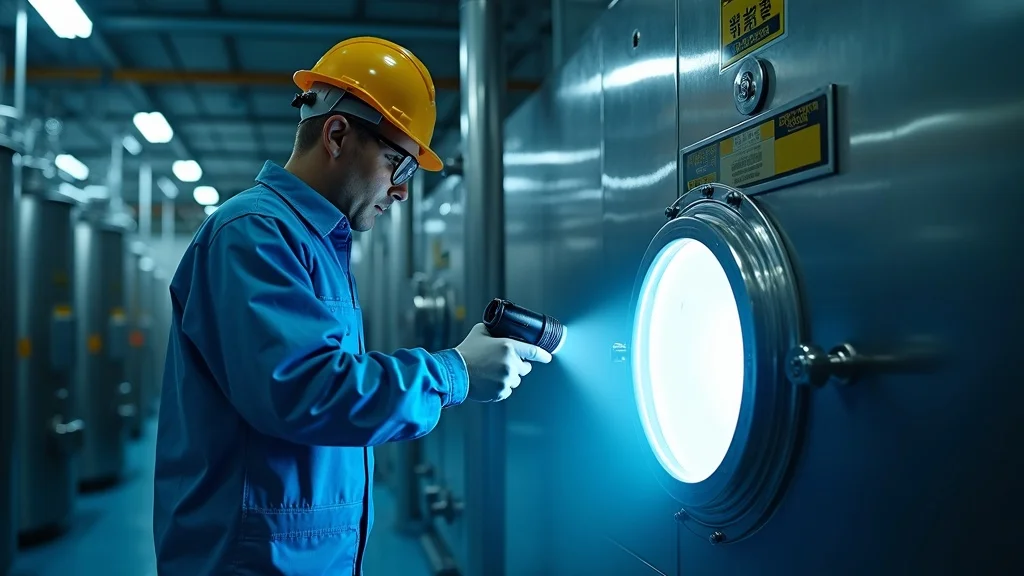
Water storage tank inspection for UK plumbing regulations | uk plumbing regulations

The 135 Rule in Plumbing: UK Context and Application

What Is the 135 Rule and Why Does It Matter?

The “135 rule” is a frequently misunderstood but vital aspect of UK plumbing regulation. It stipulates that the minimum angle for a bend in a drainage or waste pipe should be 135 degrees, measured in the direction of flow. This design ensures smooth, unrestricted movement of water and waste, reducing the risk of blockages, backflow, and inefficient drainage. Non-compliance can result in failed inspections and possible water system failures, especially in commercial environments where large volumes of water are handled every day.

Correct application of the 135 rule also supports water system longevity, reduces the likelihood of costly callouts, and underpins the hygiene standards the UK plumbing sector is renowned for. For installers, demonstrating understanding and precise execution of this rule can be the difference between a smooth project sign-off and an expensive remedial order.

Application in Water Supply and Hot Water Installations

While the 135 rule primarily addresses waste water and drainage design, its effects reach all aspects of modern plumbing regulation. Correct pipe angles affect water pressure in both cold and hot water systems, helping prevent negative pressures and stagnation. UK inspectors routinely check drainage and hot water runs for compliance with the 135 rule; breaches can lead to enforced changes and even invalidate insurance.

Plumbing business owners and trained installers must instil these design principles across their teams, ensuring all work—whether new build, refurbishment, or minor modification—meets or exceeds this important regulatory benchmark.

"Failing to comply with the 135 rule can result in dangerous pressures and failed inspections." – UK Building Standards Expert

Plumbing Regulations for Doing Your Own Plumbing in the UK

Legal Limits and DIY Plumbing Regulation Requirements

DIY plumbing is common, but UK regulations put clear boundaries on what unlicensed individuals can legally do. While simple jobs, like replacing taps or unblocking drains, are allowed, more complex work—especially anything touching the main water supply, hot water system, or involving water storage tanks—almost always requires professional certification and, often, explicit consent from local authorities. Improper DIY work can have serious legal and safety ramifications, including fines and mandatory rectification by a qualified tradesperson.

Building Control will usually need to be notified for major changes to plumbing or heating systems, and failure to notify can affect property insurance and resale value. Homeowners should always check the latest guidance or consult a qualified plumber before starting any project beyond very minor maintenance.

Risks of Non-Compliance for Homeowners and Businesses

Non-compliance exposes both individuals and businesses to a host of risks: fines from local authorities, being forced to rip out and replace non-compliant work, voided insurance, property damage, and—worst of all—potential health risks from contaminated water supply. Businesses that repeatedly fail compliance inspections or use non-approved water fittings can suffer long-term reputation damage, which is especially costly in competitive UK markets.

For homeowners, even simple errors (such as using an unapproved flexible connector or fitting pipes incorrectly) can create big problems later on. Always err on the side of caution, and use qualified, certified contractors for anything involving core plumbing systems.

  • Summary List: What You Can and Cannot Do Without Certification:
    • Can do: Replace taps, washers, and fix toilets or radiators not connected to main supply/hot water system.
    • Cannot do: Install new supply pipes, connect to public water, move hot water tanks, fit new boilers, or alter fluid category-sensitive elements without proper certification and notification.
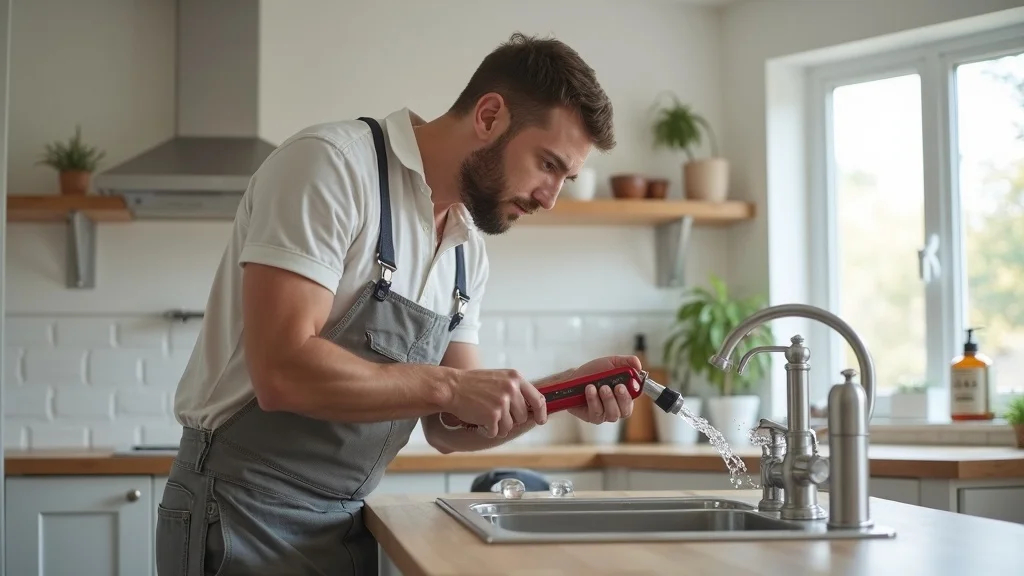
Homeowner fixing kitchen plumbing in compliance with UK plumbing regulations

Inspections, Documentation and Compliance: How to Stay Audit-Ready

What Inspectors Look For in UK Plumbing and Heating Installations

Regulatory inspectors are meticulous. Their focus rests on three main areas: product approval (proof of approved water fittings), installation standards (including pipe angles, air gaps, and hot water safety), and system documentation (up-to-date, accurate, and comprehensive). UK inspectors may also look for warning signs of backflow risk, insufficient protections for fluid categories, and hidden flaws that could undermine the water supply or enable contamination.

For new builds, inspectors typically review all system blueprints, installation notes, and product certificates before sign-off. For existing systems, they may run physical checks, water sample tests, and review maintenance logs. Passing inspections consistently provides both regulatory peace of mind and increased commercial competitiveness.

Recordkeeping and Water System Documentation Best Practices

Staying inspection-ready starts with diligent recordkeeping. This means documenting every step of a plumbing or hot water system project—from design and installation through ongoing maintenance and inspections. Key documents include approval certificates for water fittings, test results, sign-off sheets, building control notifications, and maintenance logs.

Using digital tools and backed-up archives can vastly simplify compliance reviews and minimise costly delays during audits. For large organisations, a dedicated compliance manager or facilities coordinator is often essential to keep everything in order and demonstrate a strong culture of regulatory diligence.

Checklist: Key Compliance Documents for UK Plumbing Regulations
Document Purpose Who Keeps It
Water fitting approvals Certify legal and safe use of product Installer & Business Owner
Inspection reports Demonstrate physical checks, findings, and any remedial actions Facilities/Compliance Manager
Test/sampling logs Show water quality and system checks Operations/Technical Lead
Building Control certificates Confirm legal sign-off and compliance for new works Business/Property Owner

Organized compliance documentation for UK plumbing regulations

Expert Advice: Avoiding Common Pitfalls in UK Plumbing Regulations

"Cutting corners on documentation or using non-approved water fittings is a fast track to costly failures and fines." – Registered Master Plumber
  • Why water fitting and water storage standards are often overlooked: Lack of familiarity with new code updates and underestimating the breadth of “approved water fittings” can lead to accidental breaches.
  • Fluid category confusion and its impact on water safety: Misunderstanding the required isolation and separation points between fluid categories can foster severe contamination risks and lead to immediate failures on inspection.

Future Changes: Upcoming Trends in UK Plumbing Regulations

New Technologies and Their Regulation (e.g., eco water systems)

The plumbing industry is undergoing major changes with the arrival of smart technology, water-saving fixtures, and eco-friendly system designs. UK plumbing regulations are adapting, setting new benchmarks for energy use, recycling, and both water and fluid category management. For example, digital meters and greywater recycling systems are gaining popularity, but come with specific installation and testing protocols that differ from traditional systems.

Business owners adopting new build or green-certified projects must work closely with suppliers and regulatory authorities to ensure every new component—especially innovative water storage systems or remote-monitored valves—complies both technically and administratively.

Anticipated Amendments Affecting Water Fitting and Hot Water Systems

Stay alert to regulatory signals from DEFRA, WaterSafe, and the Drinking Water Inspectorate. Key anticipated changes include tighter product approval cycles, stricter guidelines on Legionella prevention for hot water systems, and possibly further integration between building regulations and specific plumbing regulation. Businesses that regularly update procedures, participate in industry briefings, and encourage staff CPD will be first to benefit from smoother transitions and reduced compliance risks.

Industry Briefing: Future-Proofing Your Business for UK Plumbing Regulation Updates [Video not displayed - Refer to industry conference materials or the business portal]
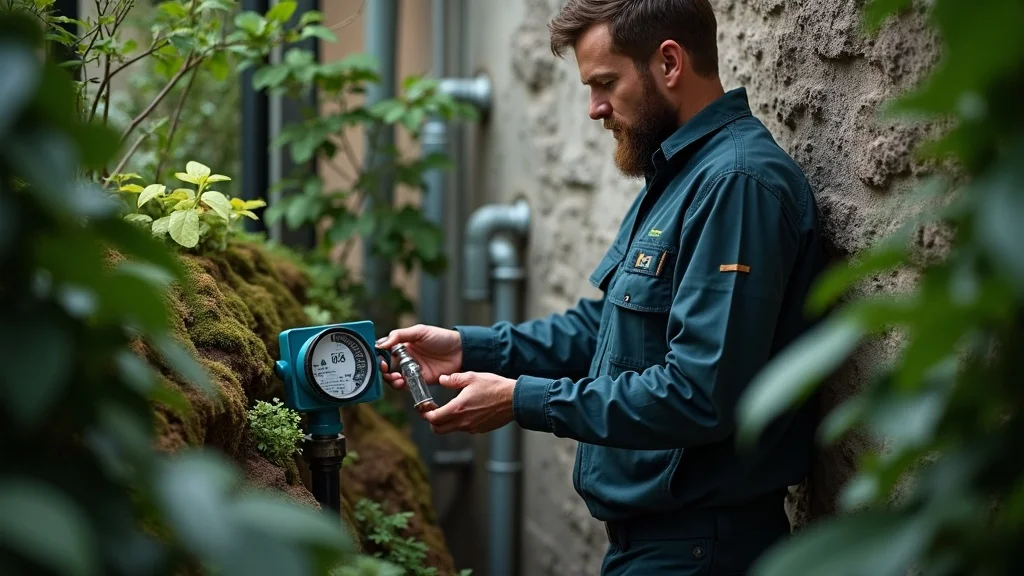
Modern eco plumbing technology under UK plumbing regulations

People Also Ask: Top Questions About UK Plumbing Regulations

What regulations do plumbers have to follow?

  • Detailed answer: Plumbers in the UK must adhere to the Water Supply (Water Fittings) Regulations 1999, Building Regulations Part G, and standards set by local authorities. These cover installation, maintenance, and approved water fittings for safety and efficiency.

What is the 135 rule in plumbing?

  • Detailed answer: The 135 rule refers to the minimum angle required for bends in drainage pipes to ensure effective water flow and prevent blockages, as stipulated in UK plumbing regulations.

Is plumbing regulated in the UK?

  • Detailed answer: Yes, plumbing is highly regulated in the UK. Key legislation includes Water Supply Regulations, Building Regulations, and local water authority guidelines which ensure safe, efficient, and hygienic systems.

Are you allowed to do your own plumbing in the UK?

  • Detailed answer: DIY plumbing is permitted for minor works, but major work—especially involving water supply or hot water systems—requires compliance with regulations and often notification to local authorities.

Frequently Asked Questions on UK Plumbing Regulations

  • What are the penalties for non-compliance with water fittings regulations?
    Penalties include fines, mandatory system rectification, possible criminal charges for gross negligence, and the potential for property insurance to become voided. Serious violations can temporarily or permanently shut down business operations.
  • How can plumbing businesses ensure ongoing compliance?
    By maintaining up-to-date knowledge of current regulations, using only approved water fittings, keeping meticulous records, scheduling regular compliance audits, and fostering a company culture that prioritizes regulatory adherence.

Summary and Key Takeaways for UK Plumbing Professionals

  • Keep updated with the latest water supply, water fitting, and hot water system standards
  • Maintain meticulous documentation to demonstrate ongoing compliance
  • Rely on approved water fittings and consider upcoming regulatory changes

Let Us Know Your Thoughts!

  • We'd love to hear your feedback on this article? Add your comments below.

Conclusion

Stay ahead of regulatory pitfalls in UK plumbing—know the rules, use only approved water fittings, document everything, and prepare now for future changes.

If you’re looking to future-proof your plumbing business or property, understanding the direction of regulatory change is just as important as mastering current standards. The landscape is shifting rapidly, and those who anticipate new requirements will be best positioned to thrive. For a strategic overview of the most significant regulatory shifts on the horizon, including sustainability mandates and compliance deadlines, explore how upcoming UK plumbing regulations in 2025 could affect your operations. Staying proactive today means fewer surprises—and greater success—tomorrow.


Sources

  • WaterRegsUK – https://www.waterregsuk.co.uk/WaterRegsUK/
  • UK Government – Water Fittings Regulations Guidance – https://www.gov.uk/government/publications/water-supply-water-fittings-regulations-1999-guidance-documents
  • WRAS – Water Regulations Advisory Scheme – https://www.wras.co.uk/
  • BuildingRegs.org.uk – https://www.buildingregs.org.uk/
  • WaterSafe – https://www.watersafe.org.uk/
  • LABC – Building Regulations Part G – https://www.labc.co.uk/guidance/technical-standards/building-regulations-part-g-sanitation-hot-water-safety-water-efficiency

Understanding UK plumbing regulations is crucial for ensuring the safety and efficiency of water systems. The Water Supply (Water Fittings) Regulations 1999 set out legal requirements for plumbing systems, water fittings, and water-using appliances to prevent contamination, waste, misuse, and undue consumption of water. (wessexwater. co. uk) To comply with these regulations, it’s essential to use approved water fittings. Organizations such as Kiwa, WRAS Approvals, and NSF International test and certify products to ensure they are suitable for use with drinking water. While it’s not illegal to sell unapproved fittings, installing them is against the law and can lead to contamination of drinking water. (wessexwater. co. uk) Additionally, certain plumbing work requires notification to and approval from the local water supplier before commencement. This process is designed to ensure that installations comply with the regulations and maintain water safety standards. (water. org. uk) By adhering to these regulations and using certified products, you can help maintain the integrity of the UK’s water supply and ensure the safety of all users.


Trade Secrets: Eco Edition

1 Views

0 Comments

Write A Comment

*
*
Related Posts All Posts
02.23.2026

How Plumbing Businesses Manage Emergency and Scheduled Work Efficiently

Startling fact: Plumbing emergencies can strike unexpectedly and cause extensive property damage if not resolved promptly. Efficient plumbing emergency management is vital for plumbing businesses to not only address urgent issues but also maintain scheduled work without compromising customer satisfaction. In this comprehensive guide, we delve into how plumbing businesses expertly balance emergency response with planned commercial projects. With insights from Ed Serrell of Edward Serrell Plumbing and Heating Ltd, learn practical approaches and core values to streamline operations, enhance transparency, and build lasting client relationships. What You'll Learn Understanding the nature and urgency of plumbing emergencies The impact of emergency plumbing visits on customers and costs Key business values underpinning effective plumbing emergency management Strategies to balance emergency and scheduled plumbing services efficiently Technological tools improving plumbing work management Common emergency scenarios handled by professional plumbers How to differentiate plumbing business services in a crowded market Best practices and future trends in managing plumbing emergencies FAQs addressing common customer concerns related to plumbing emergencies Image Description: Startled homeowner witnessing water leak from ceiling in a modern living room, highlighting urgency in plumbing emergency management. Startling Facts About Plumbing Emergencies and Their Impact on Customers Understanding the Urgency: What Qualifies as a Plumbing Emergency? Plumbing emergency management starts with identifying what constitutes an emergency. Typical emergencies include burst pipes, gas leaks, water main breaks, and failing sewer lines—situations that can escalate quickly causing extensive damage or health risks if untreated. Ed Serrell, a plumbing business expert, asserts, "People want to get things done and dusted, especially in emergencies. We strive to be flexible and get there as soon as possible, often same day." This urgency demands rapid response while maintaining operation quality. Plumbing businesses must triage and prioritize emergencies effectively while communicating transparently with customers. Emergency calls often interrupt planned works, presenting a scheduling challenge that requires agility and experienced coordination. The Cost Factor: How Much Is an Emergency Plumbing Visit? Emergency plumbing visits generally command premium fees due to immediate response requirements, off-hours work, and urgency. The pricing model reflects the added risks, need for specialized skills, and sometimes emergency material costs. Customers must be prepared for higher charges, but transparency is key to maintaining trust. Ed explains, "We try to be very reactive so we can get out same day or next day. Some people prefer to get it done quickly rather than shop around, so we emphasize value for money through exceptional service and communication." Core Business Values Driving Effective Plumbing Emergency Management Mission and Vision: Prioritizing Same-Day Response and Customer Satisfaction The mission of a successful plumbing business revolves around swift, reliable response and consistent customer care. According to Ed Serrell of Edward Serrell Plumbing and Heating Ltd, the commitment to same-day responses reflects an understanding that plumbing issues disrupt lives. The goal is to restore order efficiently while fostering client comfort and confidence. The vision focuses on harmonizing emergency responsiveness with planned work, ensuring flexible job management without sacrificing quality, and building long-term relationships through trust and transparency. Key Principles: Integrity, Transparency, and Communication in Plumbing Services Integrity and transparency form the backbone of effective plumbing emergency management . Keeping customers informed about pricing, job progress, and any unforeseen costs nurtures positive client relations. Ed's company places emphasis on clear communication, sharing: "We like to think we're value for money, ensuring clients are well-informed throughout, including any additional costs." Image Description: Professional plumber shaking hands with a satisfied client at home, symbolizing trust and integrity in plumbing emergency management. Balancing Emergency Plumbing and Scheduled Plumbing Services Juggling Emergency Plumbing and Planned Commercial Work Efficiently Balancing unforeseen emergency calls amid scheduled commercial projects demands dynamic scheduling and operational flexibility. Plumbing businesses like Edward Serrell Plumbing and Heating Ltd employ strategic rescheduling by their office teams and rely on a reliable and skilled workforce ready to adjust priorities as situations arise. This juggling act requires efficient delegation and time management ensuring no client feels overlooked while preserving service quality across both emergency and scheduled work. For plumbing professionals looking to further optimize their workflow, exploring best practices in hot water cylinder installation and repair can provide additional insights into managing both urgent and routine service calls efficiently. Using Technology to Streamline Plumbing Emergency Management Technology plays a pivotal role in modern plumbing emergency management. Digital scheduling apps, real-time job tracking, and cloud-based communication platforms empower both field engineers and office staff. Plumbers access timely updates, resource needs, and customer details from devices like tablets, supporting rapid dispatch and effective field management. Ed describes this shift: "We've moved from pen-and-paper booking to integrated digital systems on iPads, connecting engineers and the office for streamlined quoting, invoicing, and job tracking." Image Description: Focused plumber using a tablet to coordinate emergency and scheduled plumbing services via a digital management system. Target Audience and Customer Engagement in Plumbing Emergency Management Ideal Customers: Domestic and Commercial Clients with Emergency Needs Plumbing businesses serve a diverse clientele—both residential customers facing urgent home plumbing failures and commercial properties requiring planned maintenance and emergency readiness. Ed highlights the dual focus: domestic clients value quick fixes and transparency, whereas commercial clients engage for ongoing contracts and planned work. This duality requires adaptive service models accommodating immediate response alongside scheduled upkeep, optimized for each customer type’s unique requirements. Customer Communication: Transparent Pricing and Follow-Up for Plumbing Services Clear communication regarding pricing and process expectations fosters trust and repeat business. Providing estimates before service, explaining potential variable costs, and following up post-service ensures customers feel valued and informed. Ed mentions, "We explain pricing clearly from start to finish, and make sure customers understand what to expect, which encourages positive reviews and repeated business." Image Description: Friendly plumber discussing pricing details with a customer, emphasizing transparency in plumbing emergency management. Common Plumbing Issues and Emergency Scenarios Handled by Plumbing Businesses Typical Plumbing Emergencies: Gas Leaks, Water Main Breaks, and Sewer Line Failures Plumbing emergency management necessitates readiness to tackle critical issues like gas leaks, which pose safety hazards, water main breaks that can flood properties, and sewer line failures that affect sanitation. Such emergencies demand expert inspection, rapid intervention, and proper equipment. Image Description: Alert plumber handling a water main break emergency with proper safety and equipment in an outdoor residential setting. Handling Hot Water and Water Heater Emergencies Efficiently Emergency issues with hot water supply, such as leaking or malfunctioning water heaters, can disrupt daily living. Expert plumbers quickly diagnose and fix these challenges while minimizing inconvenience to customers. This is a key component of comprehensive plumbing emergency management to maintain essential services. Image Description: Professional plumber repairing a leaking water heater in a residential bathroom, highlighting emergency plumbing repair work. Differentiating Plumbing Services in a Competitive Market Standing Out from Competitors: Personalized Service vs. Nationwide Companies In a fragmented plumbing market, small businesses differentiate themselves through personalized, relationship-focused service. Ed Serrell shares, "We prefer to stay under the radar and let our work speak for itself rather than bragging. Personal relationships with customers are key." This approach contrasts with nationwide providers where personal touch can be lost amidst scale. Clients often value knowing the team, consistent quality, and transparent dealings above flashier large-scale marketing or bigger company promises. Leveraging Commercial Contracts and Flexible Pricing Models Creating secure revenue streams through commercial contracts is a strategic advantage. Negotiating fair but competitive bids, maintaining flexibility in pricing, and efficient project management allows smaller plumbers to thrive without exorbitant overheads. This ensures continued business growth alongside emergency management capabilities. Image Description: Plumbing team collaborating on commercial contracts, demonstrating business strategy in plumbing emergency management. Best Practices for Managing Plumbing Emergencies Step-by-Step Emergency Plumbing Management: From Leak Detection to Resolution Effective emergency management follows a precise process: prompt leak detection, safety assessment, containment of damage, swift repair, and post-service customer communication. Each step demands expertise and structured workflows to minimize disruption and guarantee durable repairs. Training skilled engineers and maintaining equipment readiness are essential. Office staff coordination helps reschedule non-urgent jobs, preventing service degradation across the board. Avoiding Common Mistakes: Why DIY Repairs Can Worsen Plumbing Emergencies DIY interventions often exacerbate plumbing emergencies due to inexperience and improper tools. Homeowners attempting fixes may miss critical safety hazards, leading to costly damage. Plumbing professionals advise relying on certified experts who can handle complex emergencies with assured outcomes. Business Evolution and Future Trends in Plumbing Emergency Management Adapting to Industry Changes: Renewable Energy and Heat Pump Integration The plumbing industry is evolving with the gradual shift away from gas boilers toward renewable technologies such as heat pumps and air source heating. Businesses committed to staying abreast of training and accreditation will better serve future market demands. Ed notes, "We anticipate needing engineers trained in air source and heat pumps as these technologies become more mainstream." Maintaining Team Consistency and Business Processes for Reliable Service Strong business processes and a dependable team underpin sustained plumbing emergency management excellence. Ed emphasizes investing in capable staff who uphold core values and operational procedures even in the owner's absence, ensuring reliability and service consistency. People Also Ask: Addressing Common Questions About Plumbing Emergencies What qualifies as a plumbing emergency? Plumbing emergencies include sudden leaks, gas leaks, water main breaks, sewer backups, and any situation threatening health, sanitation, or causing significant property damage. How much is an emergency plumbing visit? Emergency plumbing visits typically cost more due to urgency, off-hours service, and rapid mobilization, with prices varying based on the problem's complexity and location. Can I call out of work because of plumbing issues? If a plumbing emergency affects your home’s habitability or poses safety concerns, it may justify calling out of work. Employers generally understand emergencies, but communication is essential. How do you handle emergency plumbing? Handling emergency plumbing involves prompt assessment, containment, repair, and follow-up to ensure that the issue is fully resolved and customers are satisfied. Key Takeaways: Essential Insights on Plumbing Emergency Management Comparison of Emergency vs Scheduled Plumbing Services: Response Time, Cost, Customer Impact Aspect Emergency Plumbing Services Scheduled Plumbing Services Response Time Typically Same Day or Within Hours Planned in Advance, Often Weeks Ahead Cost Higher Due to Urgency and After-Hours Standard Pricing, Usually Lower Customer Impact High Stress and Urgency Lower Stress, Predictable Scheduling Conclusion: Building a Resilient Plumbing Business Through Effective Emergency Management Summary of Strategies and Expert Advice from Ed on Plumbing Emergency Management Successful plumbing emergency management requires a blend of core business values such as integrity, transparency, and responsive communication. Emphasizing same-day response coupled with strategic scheduling allows businesses like Edward Serrell Plumbing and Heating Ltd to excel both in emergencies and planned work. Investing in technology, nurturing skilled teams, and maintaining customer-centric service differentiate small businesses from larger competitors. Ed Serrell highlights the indispensable role of hard work and consistency: You can never work too hard. Keeping your head down and working hard is the key to success in plumbing emergency management. This ethos fosters resilience and customer loyalty, laying a foundation for long-term success. For plumbing professionals and homeowners alike, understanding the broader context of sustainable plumbing can unlock even greater value. If you’re interested in how eco-friendly techniques can reduce water waste and support long-term efficiency, explore our guide on sustainable plumbing techniques to save water fast . Discover how integrating these strategies with robust emergency management can future-proof your plumbing business and deliver exceptional results for every client. Call to Action Book an Expert Interview for Your Business: Click here Managing plumbing emergencies effectively is crucial for minimizing damage and ensuring safety. The article “Emergency Preparedness: How to Handle Unexpected Plumbing Issues” provides a comprehensive guide on creating a plumbing emergency response plan, including assessing potential risks, training staff on emergency procedures, and establishing water shutoff protocols. ( servestars.com ) Additionally, “Emergency Plumbing Preparedness for Commercial Buildings” emphasizes the importance of routine plumbing inspections and proactive leak prevention strategies to reduce the risk of severe damage and costly repairs. ( theseverngroup.com ) If you’re serious about enhancing your plumbing emergency management, these resources offer valuable insights and practical steps to safeguard your property.

02.16.2026

Understanding the Value Proposition in Plumbing Services: Why Price Isn’t Everything

What Truly Defines Plumbing Service Value Beyond Just Price? When faced with a plumbing issue, is the lowest cost really the smartest choice? Or do quality, trust, and timely service shape what customers truly value? In this article, we explore why plumbing service value is much more than just dollars and cents, drawing on expert insights from Ed Serrell of Edward Serrell Plumbing and Heating Ltd. Prepare to reconsider how you measure the worth of plumbing services. What You'll Learn The core principles that shape plumbing service value How plumbing businesses balance cost, quality, and customer satisfaction Key differentiators that set successful plumbing companies apart Understanding overhead costs and their impact on pricing Insights from an experienced plumbing business owner on managing value and growth Defining Plumbing Service Value: More Than Just a Price Tag What Constitutes Plumbing Service Value? Understanding plumbing service value means appreciating all the factors that contribute to a customer's overall satisfaction. It's not about offering the cheapest option but providing reliable, transparent, and high-quality service throughout the customer's journey. Ed Serrell, owner of Edward Serrell Plumbing and Heating Ltd, explains, “We're not the cheapest company out there, but we like to think that we offer value for money through transparent communication and quality service from booking to job completion.” This emphasis on integrity and clear communication helps clients feel confident, reinforcing that value is a holistic experience, not just a price point. The Role of Customer Experience in Plumbing Service Value Customer experience is central to defining plumbing service value . From the initial phone call to the final handshake, every step matters. Plumbing emergencies demand swift responsiveness without compromising quality. Ed highlights that flexibility and reactivity — “getting out same day or next day” — are critical in earning customer trust and satisfaction. This responsiveness differentiates a valued service beyond simply an hourly rate or quote. For those looking to further refine their approach to customer care and operational excellence, exploring plumbing trade best practices every pro should know can provide actionable strategies to elevate service standards and build lasting client relationships. Balancing Emergency Responsiveness and Planned Work Balancing reactive emergency plumbing with planned commercial projects shapes how value is delivered. The challenge lies in juggling scheduled work while remaining available for urgent calls. Ed describes the constant rescheduling and prioritization necessary to meet client needs effectively. This operational flexibility ensures that plumbing service value supports customers' unpredictable circumstances, fostering dependability and trust. Core Business Values and Their Impact on Plumbing Service Value Integrity, Honesty, and Transparency as Business Pillars At the heart of exceptional plumbing service value are unwavering core values. Ed Serrell remarks, “Integrity and honesty are key. We stay realistic and avoid exaggeration, which builds trust with our customers and differentiates us in a fragmented market.” This honest approach helps customers feel secure when choosing services, creating long-term loyalty even in markets crowded with options. The Importance of Teamwork and Consistency in Service Delivery Delivering consistent plumbing service value depends on teamwork. Reliable, well-trained engineers and coordinated office staff ensure seamless communication and service execution. This consistency across all customer touchpoints fortifies the company's reputation and meets customer expectations repeatedly, which is indispensable for sustainable business growth. Understanding Overhead Costs and Their Influence on Pricing Common Overhead Costs in Plumbing Businesses Typical Overhead Costs Affecting Plumbing Service Value Overhead Category Description Staff Wages Payment to engineers, administrative and support personnel Vehicle Maintenance Upkeep of plumbing vans and transportation costs Office Expenses Rent, utilities, office supplies and technology infrastructure Technology Investments Booking systems, invoicing software, and communication tools How Overhead Costs Affect Hourly Rates and Profit Margins Understanding overhead is crucial for setting hourly rates that balance business sustainability with customer affordability. Higher overheads necessitate higher charges, but they also support better equipment, better-trained teams, and efficient service delivery — all contributing to enhanced plumbing service value . Without prudent management, profitability can erode, impacting service quality and company viability. Why Transparent Pricing Matters to Customers Transparent pricing is a cornerstone of perceived plumbing service value . Ed emphasizes upfront communication about costs and potential additional fees, ensuring customers are never surprised. This transparency fosters trust, which is often the deciding factor when client choose between competing plumbing services. Target Audience and Customer Base: Who Values Plumbing Services Most? Domestic vs Commercial Customers: Different Needs and Expectations The plumbing service value perceived by domestic and commercial clients varies significantly. Domestic customers often prioritize emergency responsiveness and trustworthiness for ongoing maintenance, while commercial clients focus on contractual reliability, compliance, and scheduled work efficiency. Ed shares that his company’s commercial engagements often involve planned work within larger building projects, demanding specialist skills and certifications, whereas domestic work requires rapid, flexible response. The Role of Repeat Customers and Referrals in Business Growth Repeat business and referrals are a testament to lasting plumbing service value . Ed notes, “A happy customer tends to be a preferred customer. We get a lot of repeat business and referrals, which speaks to the value we provide beyond just price.” By focusing on quality and reliability, a plumbing company builds a strong, loyal customer base that grows organically over time. Engagement Channels: How Customers Connect with Plumbing Services Most of Ed’s business comes via word-of-mouth and referrals, which align with his company’s focus on personal service rather than heavy advertising. Some traditional older customers still prefer payments by check at their offices, reinforcing the importance of understanding and catering to diverse customer preferences to maintain perceived value. Differentiating Your Plumbing Business in a Competitive Market Unique Selling Points of Small Plumbing Businesses Small plumbing businesses like Edward Serrell Plumbing and Heating Ltd differentiate themselves through personalized customer care and flexibility. Known personally by the team, customers receive individualized attention often lost in bigger companies. This personal touch cultivates trust and sets smaller firms apart in a fragmented and competitive marketplace. Competing Against Nationwide Plumbing Companies Ed highlights the challenge of maintaining personal relationships while competing against large national firms. He shares, “We maintain a personal touch that large companies often lose. Knowing every team member and staying close to our customers is a key differentiator.” This personalized service builds loyalty and high perceived value that price alone cannot match. Leveraging Commercial Work to Enhance Business Valuation Commercial plumbing jobs, often requiring tenders against competitors, offer opportunities for business growth and increased valuation. Smaller companies may win business by offering competitive pricing coupled with strong service reliability — leveraging lower overheads and agility to execute large projects effectively, reinforcing their value proposition in the commercial sector. Pricing Strategies: Understanding Hourly Rates and Profit Margins How Hourly Rates Are Calculated in Plumbing Services Hourly rates in plumbing services consider staff wages, overhead costs, materials, and desired profit margins. Ed explains that in their company, customers typically pay hourly rates plus materials with a margin, ensuring fair compensation for labor and expenses. Accurate pricing is vital to sustain quality service while remaining competitive. The Challenge of Balancing Profitability and Customer Satisfaction Striking the right balance between profitability and customer satisfaction is complex. Some jobs are more profitable than others due to varying complexity, materials, and client expectations. Ed reflects on how properly estimating job difficulties while maintaining transparent pricing prevents surprises and nurtures trust, a key element in high plumbing service value . Why Some Jobs Are More Profitable Than Others Comparison of Plumbing Job Types, Rates, and Profitability Job Type Average Hourly Rate Profit Margin Emergency Repairs $75 - $120 Low to Medium Routine Maintenance $60 - $100 Medium Commercial Installations $80 - $130 Medium to High Bathroom Renovations $70 - $110 Low (often break even) Common Misconceptions About Plumbing Service Value Price vs Quality: Why Cheapest Isn’t Always Best The lowest price often leads to costly issues down the road. Cutting corners can cause poor workmanship, leading to expensive repairs. True plumbing service value embraces a balance of cost and quality, ensuring durable solutions and peace of mind. The Hidden Costs of Poor Plumbing Work Poorly executed plumbing can result in water damage, health risks, and increased utility bills. Ed has witnessed cases where bad installations led to long-term issues, underscoring that “you get what you pay for” holds true in this trade. Investing in quality may save customers money and stress over time. The Importance of Trust and Reputation in Plumbing Services In such a vital service, trust is paramount. Ed shares that reputation built on honesty and integrity can outweigh price sensitivity, as customers feel safer hiring businesses known for dependable work and clear communication. Reputation fuels repeat business and referrals, the lifeblood of sustained plumbing service value . Actionable Tips for Maximizing Plumbing Service Value Communicate transparently: Always keep customers informed about pricing and job progress to build trust. Invest in training: Stay ahead with industry accreditations and technical skills to deliver expert service. Flexible scheduling: Balance emergency responsiveness with planned work to meet diverse customer needs efficiently. Build relationships: Focus on long-term client satisfaction beyond a single job. Leverage technology: Use apps and systems for smoother operations and improved customer experience. People Also Ask (FAQs) How do I value my plumbing company? Valuing a plumbing company involves assessing its profitability, customer base, reputation, and physical assets. Understanding your plumbing service value internally and externally helps in accurate valuation, often including recurring contracts and growth potential. What is the going rate for plumbing work? Rates vary by region and job complexity but commonly range from $60 to $130 per hour. Commercial work tends to command higher rates due to specialized skills and insurance requirements. Are plumbing service plans worth it? Service plans can provide peace of mind and scheduled maintenance, often reducing emergency repairs. They add value by offering consistent care to plumbing systems at predictable costs. What is a good profit margin for plumbing? A typical profit margin for plumbing services ranges from 10% to 20%, balancing competitive pricing with sustainable business health. Key Takeaways Plumbing service value encompasses quality, reliability, and exceptional customer experience beyond price. Integrity and transparent communication foster trust, essential for repeat business and referrals. Understanding and managing overhead costs ensure fair pricing and sustainable profitability. Small plumbing businesses thrive by offering personalized service and strong customer relationships. Continuous learning and adapting to industry trends secure long-term success. Conclusion: Embracing a Holistic View of Plumbing Service Value Ed Serrell eloquently concludes, “You can never work too hard. Hard work, integrity, and a focus on customer satisfaction have been the foundation of our plumbing business value.” True plumbing service value is a combination of craftsmanship, transparent pricing, responsive customer care, and trustworthiness. By embracing this holistic approach, plumbing businesses can create lasting relationships that transcend simple cost comparisons, ensuring success both for clients and companies alike. If you’re interested in taking your plumbing business to the next level, consider exploring trade secrets for sustainable plumbing and heating . This resource dives deeper into advanced strategies and industry insights that can help you future-proof your services, boost customer loyalty, and drive long-term growth in a competitive market. Call to Action Book an Expert Interview for Your Business : Learn how to enhance your plumbing service value and grow your business smartly. To deepen your understanding of plumbing service value, consider exploring the following resources: “Breaking Down the Lifetime Value of a Plumbing Customer (and How to Increase It)” ( callconley.com ) This article provides insights into calculating and enhancing the lifetime value of plumbing customers, emphasizing factors like average service call value, service frequency, and customer relationship duration. “6 Critical Ways Your Plumbing Company Can Show Value to Your Customer” ( serwiz.com ) This piece outlines strategies for plumbing companies to demonstrate value, including understanding customer perspectives, effective communication, and personalized service. If you’re serious about enhancing your plumbing service value, these resources offer practical strategies and insights to help you build stronger customer relationships and improve your business’s profitability.

02.02.2026

The Role of Technology in Modern Plumbing Business Operations

Startling Fact: Over 70% of small plumbing businesses now use specialized plumbing business software to streamline operations, transforming how they schedule jobs, manage costs, and serve their customers effectively. This digital transition is no longer optional but an essential driver for success in the plumbing industry. Startling Facts About Plumbing Business Technology Adoption Over 70% of small plumbing businesses now use specialized plumbing business software to streamline operations. Mobile apps have increased same-day service response rates by 40% in plumbing service companies. Companies integrating plumbing software report up to 25% improvement in job cost management. Image description: Modern professional plumbing business team gathered around laptops and tablets, reviewing data analytics dashboards in a bright office environment, engaging with plumbing business technology to optimize operations. Overview of Plumbing Business Technology Defining Plumbing Business Technology and Its Importance Plumbing business technology encompasses an array of digital tools including specialized plumbing software, integrated business software, and mobile applications designed to streamline the complex operational processes in modern plumbing companies. These technologies allow businesses to manage everything from job scheduling and dispatching to invoicing and cost tracking with enhanced accuracy and efficiency. Ed Serrell, of Edward Serrell Plumbing and Heating Ltd, emphasizes, “Having the right business software and plumbing software is essential to keep up with the demands of both domestic and commercial clients.” This transformation from traditional pen-and-paper methods to digital platforms marks a pivotal evolution, empowering plumbing businesses to remain competitive and deliver prompt, reliable service in an increasingly fast-paced market. Image description: Futuristic sci-fi depiction of plumbing software digital elements floating around a blueprint, highlighting the importance of plumbing business technology in modern operations. Key Components: Plumbing Software, Business Software, and Mobile Apps How Plumbing Software Enhances Job Cost and Field Service Management At the heart of plumbing business technology is dedicated plumbing software that improves job cost management by providing precise tracking of labor, materials, and time spent on each project. This integration enables plumbing businesses to avoid costly overruns and improve profitability. Additionally, field service management features track engineers’ locations, job status, and real-time updates, streamlining workflow and enhancing productivity on-site. Image description: Cinematic image of a plumber utilizing digital field service software to analyze job costs, demonstrating plumbing business technology in action. Role of Mobile Apps in Scheduling and Customer Service Mobile applications form an indispensable part of plumbing business technology by facilitating immediate communication between office staff, field technicians, and customers. These apps allow plumbers to access schedules, update job status in real-time, and collect customer feedback promptly, thereby boosting same-day response rates and customer satisfaction. Clients benefit from transparent communication, receiving updates and quotes quickly – an operational advantage that distinguishes modern plumbing businesses. For plumbing professionals looking to further refine their operational approach, exploring plumbing trade best practices can provide actionable insights that complement the advantages of business technology, ensuring both efficiency and quality remain at the forefront of service delivery. Benefits of Plumbing Business Technology for Small Plumbing Companies Improved Job Cost Accuracy and Profitability Small plumbing companies leveraging plumbing business technology achieve significant improvements in job cost accuracy by eliminating human errors and manual inconsistencies in quoting and invoicing. Real-time dashboards and financial tracking tools empower business owners to monitor profitability closely and adjust pricing or procedures as required to maximize margins. Image description: Financial documents and a laptop displaying a plumbing invoice screen are essential tools used alongside plumbing business technology for improved profitability. Enhanced Customer Management and Communication Effective customer management systems embedded in plumbing software ensure timely follow-ups, reminders, and personalized service, building stronger client relationships. Through technology, companies maintain comprehensive customer records and service histories, enabling quick resolution of issues, reinforcing trust and repeat business. Streamlined Plumbing Job Scheduling and Dispatching Plumbing business technology automates scheduling and dispatch processes, assigning jobs effectively to technicians based on location, skill set, and availability. This automation reduces downtime, ensures a balanced workload, and increases service capacity, directly impacting customer retention and operational cash flow. Image description: High fidelity image showing mobile apps designed for job follow-ups and customer feedback in modern plumbing business technology. Expert Insights on Integrating Plumbing Business Software Ed Serrell, a seasoned expert from Edward Serrell Plumbing and Heating Ltd, shares his experience: “Transitioning from pen and paper to a digital system was challenging but necessary. It has transformed how we manage quoting, invoicing, and job tracking.” His insights highlight how embracing plumbing business technology leads to improved operational clarity and efficiency despite initial adoption hurdles. Image description: 2D cartoon style illustration comparing chaotic paper-based system versus organized digital plumbing business system, showing benefits of plumbing business technology. Choosing the Right Software Solution for Your Plumbing Business The market offers numerous plumbing business technology solutions tailored to various business sizes and needs. The key to successful adoption is selecting software that balances core functionality—such as cost management, scheduling, and customer communication—with user-friendly interfaces. Ed Serrell advises focusing on how well the software integrates with existing processes and scales with business growth. Image description: Business owner compares plumbing software solutions on multiple monitors, uncovering the best fit for integrating plumbing business technology effectively. Training and Adoption Challenges in Plumbing Business Technology One of the most critical hurdles in implementing plumbing business technology is ensuring that all team members—both field engineers and office staff—are trained sufficiently to use the software proficiently. Resistance to change, especially from seasoned professionals accustomed to traditional methods, can slow down adoption. It requires leadership patience, consistent training sessions, and showcasing tangible benefits to speed acceptance and maximize return on investment. Comparing Plumbing Business Technology Solutions Top Plumbing Software Platforms for Small Plumbing Businesses Popular plumbing software platforms combine features including job scheduling, invoicing, cost tracking, and customer management. Solutions like Jobber, ServiceTitan, and Housecall Pro are well-regarded for supporting small to mid-sized plumbing businesses, integrating mobile access and cloud-based analytics to empower field and office teams alike. Features to Look for in Plumbing Business Software Comprehensive job cost and quoting management Real-time job scheduling and dispatching Mobile app accessibility for field technicians Customer communication and follow-up tools Invoicing and payment processing integration Reporting and analytics for business insights Cost Considerations and ROI of Plumbing Software While initial investment in plumbing business technology software may seem substantial, the return on investment is realized through improved accuracy, increased job efficiency, and enhanced customer retention. Many platforms offer scalable pricing models, allowing plumbing companies to pay based on features used or number of users, making it an affordable long-term business asset. Image description: Tablet displaying employee scheduling within plumbing business technology while plumbers coordinate jobs behind the scenes. Common Challenges and Solutions in Plumbing Business Technology Managing Job Cost and Quoting Accuracy Inaccurate job costing can erode profits significantly. Plumbing business technology helps by providing detailed line-item quoting and tracking all project components meticulously. This enables businesses to account for labor and materials precisely, minimizing losses from underestimates or unexpected expenses. Image description: Plumber reviewing detailed digital cost estimates using plumbing business technology to maintain quoting accuracy. Ensuring Effective Customer Service Through Technology Technology facilitates prompt and transparent customer service, allowing plumbing companies to send proactive updates and receive instant feedback post-service. This leads to stronger trust, positive reviews, and repeat business. Clear communication tools reduce misunderstandings and help quickly resolve any issues that arise. Image description: Plumber shares completed job summary on tablet with a satisfied homeowner in a modern residential setting. Overcoming Resistance to Technology Adoption in Plumbing Businesses Resistance is natural but can be mitigated through demonstrating quick wins from plumbing business technology, such as time savings and easier administrative workflows. Involving staff early in the selection process and providing ongoing training fosters ownership and reduces apprehensions around new systems. Actionable Tips for Implementing Plumbing Business Technology Assess your current business processes and identify pain points. Research and select plumbing business software that fits your company size and needs. Train your team thoroughly to ensure smooth adoption. Leverage mobile apps for real-time job updates and customer communication. Regularly review job cost data to optimize profitability. What You'll Learn The critical components and benefits of plumbing business technology How software and mobile apps improve scheduling, customer management, and job cost accuracy Expert guidance on selecting, adopting, and overcoming challenges with plumbing business software Actionable strategies to enhance your plumbing business operations with technology People Also Ask What technology is used in plumbing? Plumbing technology includes specialized software for scheduling, invoicing, and job cost management, mobile field service apps, digital blueprints, and diagnostic tools, helping plumbers streamline operations and improve service delivery. How much can I make if I own my own plumbing business? Earnings vary widely, but leveraging plumbing business technology to improve efficiency and customer relations can enhance profitability. Many small business owners report steady income growth after integrating digital tools for operational management. Is a plumbing business profitable? Yes, plumbing businesses can be highly profitable, especially when utilizing plumbing business technology to control costs accurately, optimize scheduling, and maintain excellent customer service which drives repeat business. What is the definition of plumbing technology? Plumbing technology refers to the suite of digital tools, software, hardware, and mobile applications used to design, install, manage, and maintain plumbing systems and business operations within the plumbing industry. Key Takeaways Plumbing business technology is essential for modern plumbing companies to stay competitive and efficient. Software solutions improve job cost accuracy, scheduling, and customer service , leading to higher profitability. Mobile apps enable real-time communication and efficient field service management. Adopting technology requires training and overcoming initial resistance , but yields long-term benefits. Choosing the right plumbing software can significantly impact profitability and business growth. Conclusion The journey of integrating plumbing business technology transforms plumbing companies from paper-based operations into agile, data-driven businesses with the power to meet modern customer demands efficiently. As Ed Serrell of Edward Serrell Plumbing and Heating Ltd attests, embracing digital systems for quoting, invoicing, and job tracking is not only a challenge but a necessary evolution that directly contributes to business success, improved customer satisfaction, and sustainable profitability. Whether you’re a small or growing plumbing business, adopting the latest plumbing software and mobile solutions is an investment that pays dividends in productivity, accuracy, and client relationships. Call to Action Ready to elevate your plumbing business operations? Explore the best plumbing business technology platforms today to streamline your scheduling, quoting, and customer communication processes. Contact Edward Serrell Plumbing and Heating Ltd for expert advice on choosing and implementing the right software solution tailored for your business needs. If you’re interested in expanding your understanding of the broader landscape of plumbing and heating services, take a look at this essential guide to plumbing and heating services around Chesterfield . It offers a comprehensive overview of service options, industry standards, and what to expect as you grow your business or seek professional support. By connecting the dots between technology adoption and holistic service excellence, you’ll be better equipped to deliver value, adapt to evolving client needs, and position your company as a leader in the field. Continue your journey toward operational mastery and customer satisfaction by exploring these advanced insights. Incorporating advanced technology into plumbing operations has become essential for enhancing efficiency and customer satisfaction. The article “Plumbing Business: How Tech Is Revolutionizing the Plumbing Industry” ( techbullion.com ) explores how automation, IoT-enabled equipment, and data analytics are transforming traditional plumbing services, leading to increased productivity and cost savings. Similarly, “The Impact Of Technological Advances On Plumbing Services” ( plumbingcircle.com ) discusses the adoption of virtual reality for training, digital billing systems, and customer relationship management platforms, all contributing to streamlined business operations. For plumbing businesses aiming to stay competitive, these resources provide valuable insights into leveraging technology for operational excellence and improved service delivery.

Terms of Service

Privacy Policy

Core Modal Title

Sorry, no results found

You Might Find These Articles Interesting

T
Please Check Your Email
We Will Be Following Up Shortly
*
*
*