Add Row
Add Element
cropper
update

Plumbing and Heating Chesterfield

Logo-plumbing and heating chesterfield
update
Add Element
update

CALL US

07966 884368

Add Element
update

EMAIL US

info@edsplumbing.co.uk

Add Element
update

OPEN 24 HOURS  OPEN

Add Element

Add Element
  • Insights Home
  • Topics
    • Eco-Friendly Plumbing Projects
    • Trade Secrets: Eco Edition
    • Smart Spend: Eco Product Picks
    • Smarter Heating to Slash Your Bills
    • Plumbing and Heating Success Stories
    • Sustainable Plumbing and Heating News
    • Innovative Heating Solutions
    • Sustainability Tips for Every Property
    • Plumbing and Heating Services
    • Emergency Plumbing
    • Boiler Installation Repairs and Servicing
    • Commercial Plumbing Solutions
    • Smart Underfloor Heating
    • News
  • Contact Us
  • Subscribe
Add Element
  • Peak Plumbing and Heating Insights on Facebook
    update
  • Peak Plumbing and Heating Insights on X.com
    update
  • Peak Plumbing and Heating Insights Google Business Profile
    update
  • update
  • update
  • Peak Plumbing and Heating Insights on Youtube
    update
  • Peak Plumbing and Heating Insights on Instagram
    update
  • All Posts
  • Eco-Friendly Plumbing Projects
  • Trade Secrets: Eco Edition
  • Smart Spend: Eco Product Picks
  • Smarter Heating to Slash Your Bills
  • Plumbing and Heating Success Stories
  • Sustainable Plumbing and Heating News
  • Innovative Heating Solutions
  • Sustainability Tips for Every Property
  • Plumbing and Heating Services
  • Emergency Plumbing
  • Boiler Installation Repairs and Servicing
  • Commercial Plumbing Solutions
  • Smart Underfloor Heating
  • News
June 12.2025
1 Minute Read

Plumbing Trade Best Practices Every Pro Should Know

Did you know that over 70% of plumbing business failures stem from avoidable trade practice mistakes? Mastering plumbing trade best practices isn’t just about fixing pipes—it’s about ensuring business longevity, customer trust, and professional satisfaction. Whether you’re a seasoned master plumber or a newly minted plumbing apprentice, adopting and consistently applying the right strategies can be the key difference between steady growth and early burnout. This comprehensive guide reveals the essential skills, mindset, and tools that set today’s most successful plumbing pros apart—and those you’ll need to thrive in a changing industry.

Why Plumbing Trade Best Practices Matter: Surprising Statistics and Industry Facts

  • Startling data: over 70% of plumbing business failures are due to avoidable trade practice mistakes.
"In the plumbing trade, consistent best practices are the foundation of professional longevity and customer trust." – Industry Leader

plumbing trade best practices infographic, professional plumber with wrench and checklist, engaging with homeowner in modern kitchen

Implementing plumbing trade best practices is more than a checklist—it's a fundamental approach that impacts every client interaction, every water heater repair, and every service call. The plumbing industry faces rapid technological changes, tighter regulations, and increasing customer expectations. Studies show that plumbing business owners who focus on skills, transparent service calls, and reputation management outpace those still using outdated methods. These pros consistently deliver work that is compliant, efficient, and meets the highest standards of the trade. From field service management improvements to online review management, every detail shapes your bottom line and reputation.

Plumbing apprentices and business owners alike now contend with digital advancements and new regulations. Being able to adapt and respond ensures fewer call-backs, more positive online reviews, and greater career stability. The best professionals don’t just solve plumbing problems—they build trust, ensure safety, and create a loyal customer base that drives new leads for years to come. This makes commitment to best practices not only beneficial for service management and compliance but vital for the very survival of any plumbing company today.

What You’ll Gain from Plumbing Trade Best Practices

  • Comprehensive understanding of essential plumbing business strategies
  • Key skills for plumbing apprentices and seasoned professionals alike
  • Insights into customer service and online review management

By mastering plumbing trade best practices , you’ll unlock a roadmap for professional growth, improved customer service , and a strong reputation in any market—be it commercial plumbing or domestic calls. Plumbers who dedicate themselves to learning best practices experience fewer emergency call-backs, happier clients, and increased revenue from maintenance contracts.

You’ll gain the know-how to select the right tools, comply with UK Building Regulations , and handle the nuances of complex plumbing systems . Apprentices will see how “soft skills” and follow-up matter as much as technical fixes. Business owners will learn to leverage technology for online plumbing reputation and higher service management efficiency. Ultimately, adopting these practices is the best insurance for your plumbing business.

Core Plumbing Trade Best Practices to Elevate Your Plumbing Business

Building a Reputable Plumbing Business through Skills and Reliability

  • Prompt response and transparent quotes
  • Continuous education in the plumbing trade

Establishing trust in the plumbing trade begins with punctuality and clear communication. Modern customers expect fast response times for both emergency and routine maintenance contracts. Providing up-front, transparent quotes —especially for first-time service calls—builds early confidence and minimizes disputes. Seasoned pros also know that continuous education on the latest techniques and code changes sets them apart, as every successful master plumber understands the value of staying current. Attending trade school refreshers or manufacturer trainings on the latest water heaters or environmentally friendly piping options demonstrates commitment.

Reliability isn’t just technical—it’s about showing up as promised and completing work that lasts. Word-of-mouth referrals and glowing online reviews are won by consistently exceeding expectations. Behind the scenes, meticulous recordkeeping—from service calls to apprenticeship program progress—ensures repeat business and legal protection. Modern field service software can streamline this too, making it easier to operate with excellence.

confident plumber updating training records on tablet, plumbing trade best practices in a clean office

Key Regulations Every Plumbing Professional Should Follow

  • UK Building Regulation compliance
  • Environmental standards in plumbing trade

Working within the plumbing industry means strict adherence to regulations like UK Building Regulations —especially important for those taking on commercial plumbing jobs. Not only do these dictate safe installations, but they also help minimize risk of future failures and costly call-backs. Complying with updated codes, whether for drainage slopes or water supply, ensures your work is legal and insurable. Ignorance of codes is one of the surest ways to see a plumbing business fail.

Environmental standards are rising in tandem with customer and governmental expectations. Water-saving technologies, sustainable materials, and responsible plumbing system design are often required for both residential and commercial plumbing work. Understanding current requirements helps win larger contracts and demonstrates your position as an industry leader. Regular engagement with trade bodies and ongoing training are essential to keep up.

Using Technology for Modern Plumbing Business Operations

  • Digital invoice management
  • Scheduling tools and online reviews

Technology is reshaping the plumbing trade, with digital transformation evident in everything from invoice management to scheduling service calls. Today’s top performing plumbers use apps for instant quoting, job tracking, and follow-ups, reducing paperwork errors and response times. Integrating field service management software turns complex records into actionable insights, streamlining everything from repeat calls to maintenance contracts.

Online reviews and reputation management are now essential. Automated reminders and scheduling software help secure repeat business and encourage positive feedback. Digital invoices not only improve cash flow but also simplify tax compliance for business owners. In a competitive field, those who embrace technology enjoy smoother operations, happier clients, and dazzling growth.

modern plumber using mobile app for scheduling plumbing jobs, field service management technology

Growing in the Plumbing Trade: Career Pathways and Education

Plumbing Apprentice Success: From Trade School to Site

  • Top-rated trade school programs
  • Hands-on experience during apprenticeship program

A successful career in the plumbing trade often begins at a respected trade school —where aspiring pros learn not just the basics of plumbing systems but also health, safety, and customer relations. These schools are essential for building a solid knowledge base before real-world application. However, the most critical growth happens during an apprenticeship program , where skills are refined under the guidance of seasoned professionals.

During this hands-on learning, apprentices gain practical experience with pipe fitting, water heater installation, and problem-solving in the field. Exposure to daily site work accelerates learning far beyond the classroom, crafting trade-ready plumbers who can tackle complex challenges. Success at this stage means dedication: seeking feedback, learning quickly from mistakes, and adopting best practices as second nature.

enthusiastic apprentice plumber learning from mentor on pipe fitting in active trade school workshop

Commercial Plumbing Skills vs. Residential Plumbing Trade Know-How

  • Large-scale system installation and safety protocols
  • Identifying high-demand commercial plumbing niches

Commercial plumbing and residential trade work require overlapping but distinct skill sets. On large commercial sites, understanding large-scale system installation and coordinated safety protocols is crucial. Installations might span entire buildings with advanced water heaters, backflow prevention, or complex drainage. Safety compliance becomes even stricter, especially where public use is involved or where there are penalties for delays and violations.

Meanwhile, residential plumbing focuses more on home water heater systems, quick emergency responses for a clogged drain, and personalized service. Identifying and targeting high-demand commercial niches—such as healthcare facilities, hospitality, or government contracts—can provide significant profit potential for seasoned pros. These projects often come with ongoing maintenance contracts that form the steady backbone of a plumbing business.

Essential Tools and Equipment Every Plumbing Pro Relies On

Tool Function Cost Range
Pipe Wrench Tightening and loosening pipes £20 - £60
Adjustable Spanner Flexible nut and bolt fastening £15 - £40
Basin Wrench Fitting/tightening nuts under sinks £10 - £25
Inspection Camera Diagnosing pipe blockages/leaks £70 - £300
Digital Multimeter Testing electrical elements in water heaters £30 - £100
PPE (Gloves, Safety Glasses) Personal safety on plumbing jobs £5 - £20

Every skilled trade professional knows that having the right tools is essential for delivering great results and operating efficiently. Beginners often start with a basic kit, but as you take on more complex plumbing jobs or enter commercial plumbing contracts, you’ll need specialized gear—like inspection cameras for diagnosing tricky leaks or digital tools for modern water heater repairs. Investing in high-quality equipment ensures reliable service, fewer breakdowns, and happier clients.

For plumbing apprentices and business owners, tracking and maintaining your tool inventory is as important as buying the right wrench. A missing or broken tool can mean lost time and money. Many companies now use digital inventory systems to make sure every pipe cutter and inspection camera is where it’s needed, ready for the next service call.

Maintaining and Replacing Tools for a Reliable Plumbing Trade Operation

  • Routine inspections and digital equipment tracking

Routine inspection and maintenance of your tools is a non-negotiable plumbing trade best practice . Before each shift, pros check their kit for signs of wear, ensuring no tool fails in the middle of a crucial water heater service or emergency plumbing job. Recording tool conditions digitally gives business owners peace of mind and helps manage costs.

Replacing old or damaged equipment before it causes a service disruption is a hallmark of top plumbing businesses. Not only does this practice protect your reputation, but it also ensures safety for your employees and clients. By integrating digital equipment tracking—sometimes available with modern field service management software—you can ensure a more reliable, efficient, and professional operation.
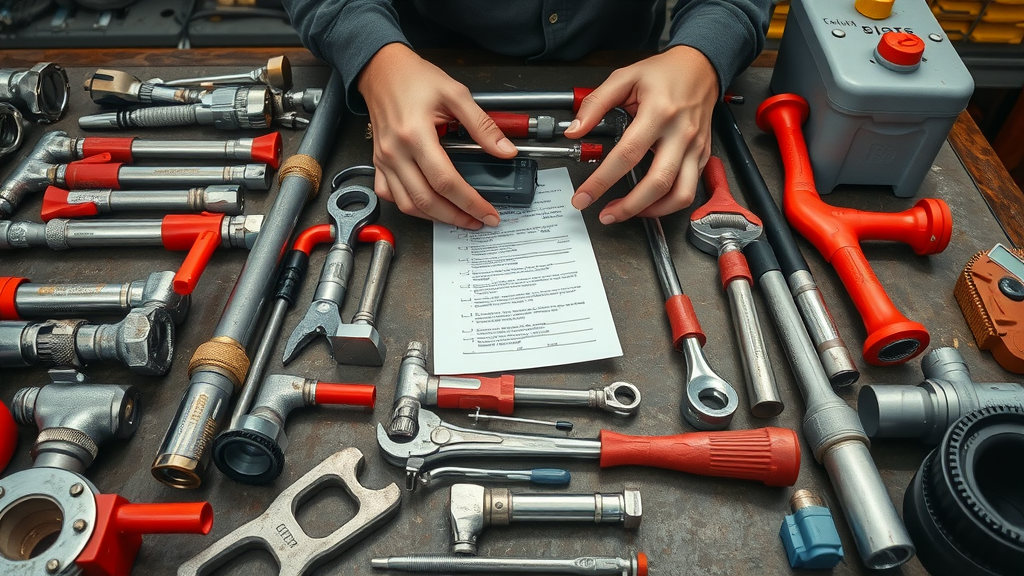
organized set of plumbing tools with checklist, plumbing trade best practices for tool management

Customer Service and Online Reviews: The Competitive Edge in the Plumbing Business

Customer Service Skills Every Plumbing Apprentice Must Master

  • Active listening, punctuality, follow-ups

Exceptional customer service is the secret to a thriving plumbing business. Success depends on more than great pipework or water heater installs—every client interaction matters. Plumbing apprentices must master active listening to fully understand plumbing problems, deliver punctual service calls, and provide thoughtful follow-ups to check on satisfaction. These “soft skills” lead to trust and customer loyalty, especially valued in the skilled trades.

For plumbing contractors and experienced pros, maintaining a polite, helpful attitude even during stressful emergency plumbing jobs distinguishes you from competitors. Word-of-mouth and positive online reviews originate from these outstanding customer service moments, which are just as important as technical expertise.

friendly plumber shaking hands with satisfied customer, demonstrating plumbing trade best practices in customer service

Managing Online Reviews to Build a Thriving Plumbing Business

  • Encouraging positive online review submissions
  • Professional responses to negative online reviews

In today’s internet-driven market, your business’s success is only as good as your latest online review . Plumbing pros must encourage clients to submit positive online reviews after each completed service call, especially when a water heater repair or urgent plumbing fix impresses. Following up with a simple “Would you mind leaving a review?” can transform satisfied clients into advocates.

Equally crucial is handling negative online reviews professionally. Respond fast, acknowledge the client’s concern, and offer a solution. Prospective clients are drawn to businesses that publicly demonstrate accountability. Consistent attention to online review management not only wins new customers but secures repeat business in the fiercely competitive plumbing industry.

Troubleshooting and Preventative Solutions in the Plumbing Trade

Proactive Water Heater Maintenance and Other Plumbing Essentials

  • Seasonal checklists for water heaters and common plumbing systems

Preventative solutions are at the core of plumbing trade best practices . Plumbing businesses that use seasonal checklists for water heaters, pipes, and valves enjoy fewer emergency call-outs and delighted clients. Water heater maintenance should include sediment drainage, pressure relief valve testing, and inspection for leaks.

Likewise, reviewing all major plumbing systems each season (especially before winter) helps prevent frozen pipes, undetected leaks, and inefficient appliances. Successful pros advise their clients on simple preventative routines, establishing themselves as experts and reducing time spent on avoidable crisis calls.

experienced plumber inspecting water heater for proactive maintenance

Common Plumbing Trade Challenges and Best Practice Solutions

  1. Identifying leaks quickly: Use inspection cameras and pressure tests for rapid diagnosis.
  2. Preventing frozen pipes: Install insulation and educate clients on cold weather risks.
  3. Reducing water waste: Recommend low-flow fixtures and check regularly for drips.
  4. Complying with latest safety standards: Keep up-to-date with regulations and safety courses.

Frequent plumbing problems—like a clogged drain, leaks, or water heater failures—can have costly repercussions if not addressed with proven best practices. Veteran plumbers tackle these issues systematically, using advanced diagnostic equipment and clearly defined protocols. Educating clients and staff about these processes further reduces error margins and builds business credibility.

Video: Plumbing Trade Best Practices in Action

Watch real pros demonstrate plumbing trade best practices from water heater maintenance to client consultations. See how digital scheduling, customer follow-ups, and rigorous compliance drive business growth and reliability.

Professional Growth and Business Expansion in Commercial Plumbing

Transitioning from Plumbing Apprentice to Business Owner

  • Leadership skills and networking strategies

Aspiring to move from apprentice to business owner in the plumbing trade? Mastering the technical skills is only the start—leadership, networking, and business administration are equally vital. Strong mentors can teach hard truths about entrepreneurship in the skilled trades, from managing overhead and field service crews to cultivating a reliable supply network.

Active participation in trade bodies, community workshops, and industry seminars expands professional reach and credibility, paving the way to launch and grow a reputable plumbing company. Networking also increases access to lucrative commercial plumbing contracts and collaborative growth.

Securing Lucrative Commercial Plumbing Contracts

  • Proposals, presentations, and relationship management

Winning substantial commercial plumbing contracts requires more than technical ability—it takes strategic proposals and skilful presentations. Investing in business development—via tailored pitches, well-documented work portfolios, and a steady online presence—positions your company for partnership opportunities. Relationship management with facilities managers and property owners is ongoing; delivering consistent value and proactive communication secures renewal and referrals.

Tech-enabled service management, transparent rate pricing, and on-time completion further elevate your bid above competitors. With these best practices in place, your plumbing company quickly becomes a go-to partner for complex, large-scale installations and long-term maintenance contracts.

Expert Insight: Quotes from Leading Professionals in the Plumbing Trade

"Adaptability and continuing education are what set true plumbing trade professionals apart." – Ed Serrell, Ed Serrell Plumbing and Heating
"Customer service is no longer optional; it’s a plumbing business necessity." – Trade Association Spokesperson

inspiring master plumber sharing best practices at plumbing seminar

People Also Ask: Answers to Popular Plumbing Trade Questions

Is plumbing a high paying trade?

  • Plumbing trade salaries often surpass other trades due to specialist knowledge, with opportunities for six-figure earnings in commercial plumbing and business ownership.

The plumbing trade is considered one of the higher-paying skilled trades. Those who invest in expanding their expertise, particularly in commercial plumbing or who move into owning a plumbing business, see opportunities for significant financial rewards and career growth.

What is the plumbers rule?

  • The plumber’s rule generally relates to maintaining proper slope (typically 1/4" per foot) for pipes to ensure effective drainage—a core best practice in the plumbing trade.

Mastering proper pipe slope is fundamental, as it ensures water and waste flow efficiently through the plumbing system. This principle is widely taught in trade school and enforced by building codes in all professional plumbing work.

What is the hardest thing in plumbing?

  • Diagnosing complex leaks, working in confined spaces, and balancing new technologies are among the biggest challenges faced by plumbing trade professionals.

For many in the plumbing trade, pinpointing elusive leaks and updating knowledge to cover new tech (like smart water heaters or advanced diagnostic equipment) pose consistent hurdles. Developing best practices helps overcome these issues efficiently.

How to be the best plumbing apprentice?

  • Dedicate yourself to learning both in trade school and on site, stay proactive, follow proven plumbing trade best practices, and seek mentorship from experienced plumbers.

A standout plumbing apprentice stays proactive, always seeks to understand both technical and customer service aspects, and eagerly follows feedback from mentors. Applying best practices learned at trade school and in the field ensures a solid reputation and fast-track career growth.

FAQ: Plumbing Trade Best Practices and Business Growth

  • What certifications make a plumbing business stand out? Obtaining certifications like Gas Safe, WRAS, or NVQ Level 3 demonstrates advanced technical skill and regulatory compliance. These boost trust with clients and enhance your plumbing company’s bid for high-value contracts.
  • Which plumbing trade best practices reduce costly call-backs? Meticulous installation, thorough system testing, ongoing staff training, and regular tool maintenance are best practices that minimize errors—leading to fewer call-backs and higher client satisfaction.
  • How do online reviews affect new customer acquisition in the plumbing business? Positive online reviews dramatically increase the likelihood a potential client will choose your business, while quickly addressing negative reviews preserves your reputation.
  • What mistakes should plumbing apprentices avoid early in their career? Rushing jobs, failing to communicate clearly with clients, and ignoring safety guidelines are common mistakes. Apprentices should focus on thoroughness and learning from each job.

Recap of Plumbing Trade Best Practices for Professionals

  • Service quality, technical expertise, and customer-focused strategies are key elements for success in every plumbing business.
  • Continuing education and online review management are crucial for career progression in the plumbing trade.

Contact Ed Serrell Plumbing and Heating for Expert Plumbing Trade Help

  • For expert help or advice from Ed Serrell Plumbing and Heating call 0796 688 4368 , or email info@edsplumbing.co.uk

Actionable Next Step:

Sources

  • CIPHE – https://www.ciphe.org.uk
  • Gas Safe Register – https://www.gassaferegister.co.uk
  • UK Building Regulations – https://www.gov.uk/building-regulations-approval
  • Checkatrade – https://www.checkatrade.com
  • Plumbing Trade Supplies – https://www.plumbingtradesupplies.co.uk/blog/plumbing-tools/

To further enhance your understanding of plumbing trade best practices, consider exploring the following resources:

  • “Plumbing Best Practices Every Business Owner Should Know” : This article offers practical tips on investing in quality tools, implementing comprehensive training programs, and focusing on customer service to elevate your plumbing business. ( plumbingperspective.com )

  • “Best Practices for Industrial Plumbing Safety & Compliance” : This resource emphasizes the importance of health and safety training, proper use of safety data sheets, and maintaining equipment in good repair to ensure safety and compliance in industrial plumbing settings. ( wentworthplumbing.ca )

By delving into these materials, you’ll gain valuable insights into effective strategies and safety measures that can significantly enhance your professional practice in the plumbing industry.


Trade Secrets: Eco Edition

46 Views

0 Comments

Write A Comment

*
*
Related Posts All Posts
02.02.2026

The Role of Technology in Modern Plumbing Business Operations

Startling Fact: Over 70% of small plumbing businesses now use specialized plumbing business software to streamline operations, transforming how they schedule jobs, manage costs, and serve their customers effectively. This digital transition is no longer optional but an essential driver for success in the plumbing industry. Startling Facts About Plumbing Business Technology Adoption Over 70% of small plumbing businesses now use specialized plumbing business software to streamline operations. Mobile apps have increased same-day service response rates by 40% in plumbing service companies. Companies integrating plumbing software report up to 25% improvement in job cost management. Image description: Modern professional plumbing business team gathered around laptops and tablets, reviewing data analytics dashboards in a bright office environment, engaging with plumbing business technology to optimize operations. Overview of Plumbing Business Technology Defining Plumbing Business Technology and Its Importance Plumbing business technology encompasses an array of digital tools including specialized plumbing software, integrated business software, and mobile applications designed to streamline the complex operational processes in modern plumbing companies. These technologies allow businesses to manage everything from job scheduling and dispatching to invoicing and cost tracking with enhanced accuracy and efficiency. Ed Serrell, of Edward Serrell Plumbing and Heating Ltd, emphasizes, “Having the right business software and plumbing software is essential to keep up with the demands of both domestic and commercial clients.” This transformation from traditional pen-and-paper methods to digital platforms marks a pivotal evolution, empowering plumbing businesses to remain competitive and deliver prompt, reliable service in an increasingly fast-paced market. Image description: Futuristic sci-fi depiction of plumbing software digital elements floating around a blueprint, highlighting the importance of plumbing business technology in modern operations. Key Components: Plumbing Software, Business Software, and Mobile Apps How Plumbing Software Enhances Job Cost and Field Service Management At the heart of plumbing business technology is dedicated plumbing software that improves job cost management by providing precise tracking of labor, materials, and time spent on each project. This integration enables plumbing businesses to avoid costly overruns and improve profitability. Additionally, field service management features track engineers’ locations, job status, and real-time updates, streamlining workflow and enhancing productivity on-site. Image description: Cinematic image of a plumber utilizing digital field service software to analyze job costs, demonstrating plumbing business technology in action. Role of Mobile Apps in Scheduling and Customer Service Mobile applications form an indispensable part of plumbing business technology by facilitating immediate communication between office staff, field technicians, and customers. These apps allow plumbers to access schedules, update job status in real-time, and collect customer feedback promptly, thereby boosting same-day response rates and customer satisfaction. Clients benefit from transparent communication, receiving updates and quotes quickly – an operational advantage that distinguishes modern plumbing businesses. For plumbing professionals looking to further refine their operational approach, exploring plumbing trade best practices can provide actionable insights that complement the advantages of business technology, ensuring both efficiency and quality remain at the forefront of service delivery. Benefits of Plumbing Business Technology for Small Plumbing Companies Improved Job Cost Accuracy and Profitability Small plumbing companies leveraging plumbing business technology achieve significant improvements in job cost accuracy by eliminating human errors and manual inconsistencies in quoting and invoicing. Real-time dashboards and financial tracking tools empower business owners to monitor profitability closely and adjust pricing or procedures as required to maximize margins. Image description: Financial documents and a laptop displaying a plumbing invoice screen are essential tools used alongside plumbing business technology for improved profitability. Enhanced Customer Management and Communication Effective customer management systems embedded in plumbing software ensure timely follow-ups, reminders, and personalized service, building stronger client relationships. Through technology, companies maintain comprehensive customer records and service histories, enabling quick resolution of issues, reinforcing trust and repeat business. Streamlined Plumbing Job Scheduling and Dispatching Plumbing business technology automates scheduling and dispatch processes, assigning jobs effectively to technicians based on location, skill set, and availability. This automation reduces downtime, ensures a balanced workload, and increases service capacity, directly impacting customer retention and operational cash flow. Image description: High fidelity image showing mobile apps designed for job follow-ups and customer feedback in modern plumbing business technology. Expert Insights on Integrating Plumbing Business Software Ed Serrell, a seasoned expert from Edward Serrell Plumbing and Heating Ltd, shares his experience: “Transitioning from pen and paper to a digital system was challenging but necessary. It has transformed how we manage quoting, invoicing, and job tracking.” His insights highlight how embracing plumbing business technology leads to improved operational clarity and efficiency despite initial adoption hurdles. Image description: 2D cartoon style illustration comparing chaotic paper-based system versus organized digital plumbing business system, showing benefits of plumbing business technology. Choosing the Right Software Solution for Your Plumbing Business The market offers numerous plumbing business technology solutions tailored to various business sizes and needs. The key to successful adoption is selecting software that balances core functionality—such as cost management, scheduling, and customer communication—with user-friendly interfaces. Ed Serrell advises focusing on how well the software integrates with existing processes and scales with business growth. Image description: Business owner compares plumbing software solutions on multiple monitors, uncovering the best fit for integrating plumbing business technology effectively. Training and Adoption Challenges in Plumbing Business Technology One of the most critical hurdles in implementing plumbing business technology is ensuring that all team members—both field engineers and office staff—are trained sufficiently to use the software proficiently. Resistance to change, especially from seasoned professionals accustomed to traditional methods, can slow down adoption. It requires leadership patience, consistent training sessions, and showcasing tangible benefits to speed acceptance and maximize return on investment. Comparing Plumbing Business Technology Solutions Top Plumbing Software Platforms for Small Plumbing Businesses Popular plumbing software platforms combine features including job scheduling, invoicing, cost tracking, and customer management. Solutions like Jobber, ServiceTitan, and Housecall Pro are well-regarded for supporting small to mid-sized plumbing businesses, integrating mobile access and cloud-based analytics to empower field and office teams alike. Features to Look for in Plumbing Business Software Comprehensive job cost and quoting management Real-time job scheduling and dispatching Mobile app accessibility for field technicians Customer communication and follow-up tools Invoicing and payment processing integration Reporting and analytics for business insights Cost Considerations and ROI of Plumbing Software While initial investment in plumbing business technology software may seem substantial, the return on investment is realized through improved accuracy, increased job efficiency, and enhanced customer retention. Many platforms offer scalable pricing models, allowing plumbing companies to pay based on features used or number of users, making it an affordable long-term business asset. Image description: Tablet displaying employee scheduling within plumbing business technology while plumbers coordinate jobs behind the scenes. Common Challenges and Solutions in Plumbing Business Technology Managing Job Cost and Quoting Accuracy Inaccurate job costing can erode profits significantly. Plumbing business technology helps by providing detailed line-item quoting and tracking all project components meticulously. This enables businesses to account for labor and materials precisely, minimizing losses from underestimates or unexpected expenses. Image description: Plumber reviewing detailed digital cost estimates using plumbing business technology to maintain quoting accuracy. Ensuring Effective Customer Service Through Technology Technology facilitates prompt and transparent customer service, allowing plumbing companies to send proactive updates and receive instant feedback post-service. This leads to stronger trust, positive reviews, and repeat business. Clear communication tools reduce misunderstandings and help quickly resolve any issues that arise. Image description: Plumber shares completed job summary on tablet with a satisfied homeowner in a modern residential setting. Overcoming Resistance to Technology Adoption in Plumbing Businesses Resistance is natural but can be mitigated through demonstrating quick wins from plumbing business technology, such as time savings and easier administrative workflows. Involving staff early in the selection process and providing ongoing training fosters ownership and reduces apprehensions around new systems. Actionable Tips for Implementing Plumbing Business Technology Assess your current business processes and identify pain points. Research and select plumbing business software that fits your company size and needs. Train your team thoroughly to ensure smooth adoption. Leverage mobile apps for real-time job updates and customer communication. Regularly review job cost data to optimize profitability. What You'll Learn The critical components and benefits of plumbing business technology How software and mobile apps improve scheduling, customer management, and job cost accuracy Expert guidance on selecting, adopting, and overcoming challenges with plumbing business software Actionable strategies to enhance your plumbing business operations with technology People Also Ask What technology is used in plumbing? Plumbing technology includes specialized software for scheduling, invoicing, and job cost management, mobile field service apps, digital blueprints, and diagnostic tools, helping plumbers streamline operations and improve service delivery. How much can I make if I own my own plumbing business? Earnings vary widely, but leveraging plumbing business technology to improve efficiency and customer relations can enhance profitability. Many small business owners report steady income growth after integrating digital tools for operational management. Is a plumbing business profitable? Yes, plumbing businesses can be highly profitable, especially when utilizing plumbing business technology to control costs accurately, optimize scheduling, and maintain excellent customer service which drives repeat business. What is the definition of plumbing technology? Plumbing technology refers to the suite of digital tools, software, hardware, and mobile applications used to design, install, manage, and maintain plumbing systems and business operations within the plumbing industry. Key Takeaways Plumbing business technology is essential for modern plumbing companies to stay competitive and efficient. Software solutions improve job cost accuracy, scheduling, and customer service , leading to higher profitability. Mobile apps enable real-time communication and efficient field service management. Adopting technology requires training and overcoming initial resistance , but yields long-term benefits. Choosing the right plumbing software can significantly impact profitability and business growth. Conclusion The journey of integrating plumbing business technology transforms plumbing companies from paper-based operations into agile, data-driven businesses with the power to meet modern customer demands efficiently. As Ed Serrell of Edward Serrell Plumbing and Heating Ltd attests, embracing digital systems for quoting, invoicing, and job tracking is not only a challenge but a necessary evolution that directly contributes to business success, improved customer satisfaction, and sustainable profitability. Whether you’re a small or growing plumbing business, adopting the latest plumbing software and mobile solutions is an investment that pays dividends in productivity, accuracy, and client relationships. Call to Action Ready to elevate your plumbing business operations? Explore the best plumbing business technology platforms today to streamline your scheduling, quoting, and customer communication processes. Contact Edward Serrell Plumbing and Heating Ltd for expert advice on choosing and implementing the right software solution tailored for your business needs. If you’re interested in expanding your understanding of the broader landscape of plumbing and heating services, take a look at this essential guide to plumbing and heating services around Chesterfield . It offers a comprehensive overview of service options, industry standards, and what to expect as you grow your business or seek professional support. By connecting the dots between technology adoption and holistic service excellence, you’ll be better equipped to deliver value, adapt to evolving client needs, and position your company as a leader in the field. Continue your journey toward operational mastery and customer satisfaction by exploring these advanced insights. Incorporating advanced technology into plumbing operations has become essential for enhancing efficiency and customer satisfaction. The article “Plumbing Business: How Tech Is Revolutionizing the Plumbing Industry” ( techbullion.com ) explores how automation, IoT-enabled equipment, and data analytics are transforming traditional plumbing services, leading to increased productivity and cost savings. Similarly, “The Impact Of Technological Advances On Plumbing Services” ( plumbingcircle.com ) discusses the adoption of virtual reality for training, digital billing systems, and customer relationship management platforms, all contributing to streamlined business operations. For plumbing businesses aiming to stay competitive, these resources provide valuable insights into leveraging technology for operational excellence and improved service delivery.

01.05.2026

Insights from a Veteran: How 'Hurry Every Chance You Get' Shapes Top Construction Workers

Ready to build your edge? Understanding the Philosophy Behind 'Hurry Every Chance You Get' in Construction Expert Productivity Tips Definition and origin of the phrase from construction culture The balance between urgency and caution in work pace Expert quote: "Not every moment is a chance to hurry, and so if it is not a chance to hurry then don't hurry," explains the veteran construction expert. The phrase "Hurry every chance you get" resonates deeply within the construction industry, symbolising a core value taught and passed down through generations of skilled workers. Originating from hands-on experience rather than academic theory, this motto focuses on maximising every available moment to boost productivity while maintaining safety and quality. It is a mantra that reminds construction professionals that time is a valuable resource that should never be wasted, but also that reckless haste can be just as costly as procrastination. As Scott Wadsworth of Essential Craftsman shares, "Not every moment is a chance to hurry, and so if it is not a chance to hurry then don't hurry." This highlights the delicate balance required on construction sites, where knowing when to push forward quickly and when to slow down to ensure safety and accuracy is a mark of true expertise. Workers who master this balance demonstrate not only efficiency but also professionalism and respect for their craft. In essence, the philosophy urges workers to develop acute situational awareness, recognising moments when accelerated effort yields real benefit versus times when caution ensures better long-term outcomes. This concept elevates mere speed into intelligent, deliberate productivity, a hallmark of top construction performers. The Role of Respect and Work Ethic in Productivity Scott Wadsworth reflects, "My dad taught me how to work, and I was afraid of him for a while, but I learned not to fear him, just to respect him." Respect and a strong work ethic are foundational to applying construction expert productivity tips effectively. Having grown up learning these values from his father, Scott highlights how early lessons of diligence coupled with respect for both the job and authority shape a mindset where productivity thrives. It’s not just about rushing to complete tasks but embracing responsibility, discipline, and mindfulness in every action. This respect extends beyond individuals to the work environment itself. Treating tools, materials, and safety protocols with care enables workers to maintain productivity without compromising quality or wellbeing. The emotional and psychological impact of such a grounding also boosts motivation, helping workers maintain a steady, efficient pace throughout their day, ultimately embodying the principle to hurry every chance you get with wisdom and pride. Applying Construction Expert Productivity Tips: When to Hurry and When to Slow Down Comparing work pace to driving conditions: when to accelerate and when to be cautious The concept of 'Slow is smooth and smooth is fast' in construction work Avoiding mistakes by recognising the right moments to hurry Understanding when to accelerate productivity and when to exercise caution can be likened to driving a vehicle. Just as a driver speeds along open, clear roads but slows down in hazardous conditions, construction workers must gauge the environment and task complexity before choosing their pace. Scott Wadsworth advises that rushing in inappropriate moments leads to mistakes that ultimately cost more time and resources. The adage "Slow is smooth and smooth is fast" captures this perfectly, promoting a workflow where deliberate, controlled movements and well-practiced routines lead to faster, error-free completion of tasks over time. This approach ensures that speed is sustainable and quality is upheld, avoiding the frantic rush that can erode safety and craftsmanship. For example, when handling heavy machinery or working at heights, accelerating prematurely may cause accidents. Conversely, during routine repetitive work such as cutting materials or assembling components, maintaining a brisk but steady pace maximises output. As Scott explains, "You have to develop the capacity to know, okay, right now I can pick up some time, and right now I can spend some time in order to get that better." While mastering your pace is crucial on the construction site, it's equally important to apply this mindset to other areas of building and maintenance. For instance, understanding how to efficiently address boiler installation, repairs, and service can help you solve issues quickly and keep projects on track, further enhancing your overall productivity. Expert Insights on Balancing Speed and Quality Scott Wadsworth advises, "You have to develop the capacity to know, okay, right now I can pick up some time, and right now I can spend some time in order to get that better." Balancing speed and quality is a central challenge that every construction worker faces, especially when under pressure to meet deadlines. Scott Wadsworth highlights that mastering this balance is a skill acquired through experience—an ability to dynamically assess each moment’s requirements and adjust one’s work accordingly. It requires a deep understanding of both one’s capabilities and the project's expectations. This ability prevents common pitfalls such as sloppy workmanship caused by haste or lost time through excessive perfectionism. It also plays into the ethical dimension of craftsmanship, ensuring that delivering value and sustaining reputation come before reckless speed. Fostering this mindset encourages workers to be thoughtful about their productivity, making every action count towards both progress and lasting quality. Maximising Productivity: The Importance of Material Handling and Movement Eighty percent of construction work involves handling materials Always carry something when moving across the job site to maximise efficiency The value of maintaining a hurried pace without rushing One of the most eye-opening insights from construction expert productivity tips is the prime importance of material handling. Scott Wadsworth stresses that roughly 80% of construction work actually involves moving, positioning, and managing materials and tools rather than direct assembly or installation. Recognising this fact helps workers focus on constant, purposeful movement to drive productivity forwards. This means no worker should cross a job site empty-handed. Every trip should be optimized by carrying tools or materials needed at the next station, thus eliminating wasted motion. Scott advises moving at a hurried pace—akin to trotting—rather than a sluggish walk. This energetic rhythm maintains momentum and clearly signals one’s dedication and professionalism to colleagues and supervisors alike. This approach does not mean reckless rushing; rather, it encourages a consistent, efficient workflow that honours the adage to hurry every chance you get. Such habits build momentum for the entire crew and foster a culture of respect through visible, steady productivity. Building Respect Through Consistent Productivity Scott Wadsworth notes, "Even the most demanding journeyman carpenter will respect you more if he sees you trotting back and forth with purpose." Consistent visibility of a worker’s productive pace earns respect in the construction environment. Scott points out that experienced tradespeople, even the most critical ones, recognise and value peers or labourers who keep up a purposeful, hurried walk throughout the day. This respect often translates into better working relationships, mentorship opportunities, and even career advancement. The underlying message is clear: productivity is not just measured by output but by the attitude and energy displayed on site. Being perceived as a dedicated, energetic contributor builds a positive professional reputation that can accelerate one’s career progression in an industry that often runs on reputation as much as skill. Developing Systems to Hurry Every Chance You Get: Tools, Jigs, and Staging Creating workflows that enable smooth and fast work The role of preparation in speeding up tasks without sacrificing quality Balancing optimization of time, materials, and workforce Hurrying every chance you get goes beyond individual effort—it involves crafting systems that amplify productivity sustainably. Scott shares how organising the workspace with proper staging of materials, maintaining tools, and building jigs can profoundly impact efficiency. A well-prepared site allows workers to transition smoothly between tasks without losing time searching for equipment or repositioning materials. This preparation work is an investment that may seem to slow immediate output but yields far greater results over time by streamlining workflow and reducing interruptions. Workers and supervisors who prioritise setting up effective systems effectively hurry every chance they get by limiting downtime and optimising all resources. As Scott stresses, it's vital to balance optimization of time, material, and personnel resources collectively, rather than focusing on just one aspect. This holistic approach prevents tunnel vision that can hamper overall productivity and job quality. Expert Advice on Avoiding Tunnel Vision in Productivity Scott Wadsworth emphasizes, "It's easy to focus on just one resource, but you must keep a balance of all resources at your discretion." Tunnel vision—fixating solely on saving time or material—can limit effectiveness on construction projects. Scott warns that true productivity requires nuanced management of multiple resources: time, materials, tools, and people. Overemphasising one element risks neglecting others, which can degrade overall outcomes or increase costs indirectly. Effective productivity demands continuous, dynamic evaluation and adjustment to maintain balance across all factors. This mindset ensures efficiency improvements do not come at the expense of craftsmanship or workforce wellbeing, sustaining long-term performance and morale. Craftsmanship and Ethical Considerations in Construction Expert Productivity Tips Knowing when to prioritise quality over speed Understanding employer expectations and aligning work pace accordingly The ethical compromise of rushing at the expense of craftsmanship True craftsmanship in construction is inseparable from ethical responsibility. Scott explains that knowing when to prioritise quality over speed defines experienced workers. While hustling is encouraged, it must never undercut the integrity of work or violate employer expectations. Because the payment and reputation depend on this balance, workers must align their productivity not just with personal capabilities but with clear communication and directives from supervisors or clients. Rushing blindly for the sake of speed often leads to ethical compromises, resulting in sloppy work or unsafe conditions. Scott reflects on a superintendent’s remark that in union settings, slow work rarely causes dismissal, but in private sector construction, slowness is usually less tolerated than sloppiness. This highlights sector-specific expectations but reinforces the need for adapting pace intelligently to meet quality standards and business realities. Learning to Thrive in Both Union and Private Sector Environments Scott Wadsworth recalls, "I've never seen anyone fired for being slow in union work, but in the private sector, people are often fired for being slow." The differing work cultures between unionised and private sector construction impose unique challenges on productivity approaches. Workers who excel understand these distinctions and adapt accordingly. Union environments may prioritise quality and adherence to standards, often tolerating slower work as long as precision is maintained. In contrast, private sector jobs frequently demand faster completion to meet business goals, requiring workers to employ the philosophy of hurrying wisely. Balancing these demands requires emotional intelligence and situational awareness, enabling workers to thrive professionally in varied contexts. Scott’s experience underscores the value of mastering this adaptability as part of becoming a top construction hand. Practical Tips for Construction Workers to Implement Productivity Tips Daily Take work responsibility home by planning and organising tasks Maintain a hurried but controlled pace on the job site Continuously evaluate tasks from multiple perspectives to improve efficiency Build and use systems such as jigs and staging to streamline work Balance speed with quality to meet employer expectations Incorporating the expert’s advice into daily practice makes a tangible difference in a construction worker's career growth. Taking responsibility home—such as planning tomorrow’s tasks, making lists, and mentally rehearsing workflows—helps jumpstart productivity from the outset. On site, adopting a hurried but measured pace prevents wasted effort and impresses peers. Reflecting on work from various viewpoints encourages creative problem-solving and constant improvement, enabling workers to anticipate issues and optimise steps. Constructing systems like jigs and staging allows for smoother operations that speed up repetitive tasks without sacrificing precision. Above all, maintaining a thoughtful balance between speed and quality ensures that work meets or exceeds employer expectations, enhancing reputation and stability. Common Misconceptions About Productivity in Construction Hurrying all the time leads to better results Speed is more important than craftsmanship Efficiency means focusing only on saving time Many newcomers to construction mistakenly believe that constant rushing translates directly into greater productivity. However, unrelenting haste often leads to errors, accidents, and burnout. Similarly, prioritising speed at the expense of craftsmanship compromises the quality and reputation of the work, ultimately undermining long-term success. Another common misconception is equating efficiency solely with time savings, ignoring the other critical resources such as material usage, tool management, and labour coordination. True efficiency in construction is multifaceted, requiring a balanced approach that delivers high-quality results within expected timeframes and budget constraints. People Also Ask What does 'Hurry Every Chance You Get' mean in construction? It means maximising productivity by working efficiently whenever conditions permit, but recognising when to slow down for safety and quality. How can construction workers balance speed and quality? By developing situational awareness, understanding task requirements, and applying the principle of "slow is smooth and smooth is fast" to maintain steady, accurate work. Why is material handling important for productivity? Because a large portion of construction labour involves moving materials; optimising this reduces wasted time and effort, increasing overall output. What are the ethical considerations when hurrying at work? Workers must avoid sacrificing craftsmanship, safety, or employer expectations in pursuit of speed to maintain professionalism and quality. Key Takeaways from Construction Expert Productivity Tips Effective productivity requires knowing when to hurry and when to slow down Handling materials efficiently is crucial to maximising work output Building systems and workflows enhances long-term productivity Craftsmanship and ethical work practices must guide speed Respect and work ethic are foundational to success on the job site Conclusion: Embracing 'Hurry Every Chance You Get' to Elevate Your Construction Career Scott Wadsworth concludes, "If we all can just think about what it means to hurry every chance we get, and don't hurry if it's not the right opportunity, many aspects of our lives will improve." Apply this philosophy wisely, balancing urgency with care, and watch your career and craftsmanship flourish. If you’re inspired to keep sharpening your edge, consider exploring how productivity principles extend beyond construction and into other essential trades. Whether you’re managing a team or handling complex projects, understanding the broader strategies behind efficient systems and rapid problem-solving can set you apart. For those interested in practical applications, learning how to solve boiler installation and repair issues quickly is a great way to see these productivity tips in action. By broadening your expertise and adopting advanced techniques, you’ll be well-equipped to tackle any challenge and deliver outstanding results across the board. Call to Action Book an Expert Interview for Your Business: Click here Sources https://essentialcraftsman.com https://appointment.dylbo.com/AR/strategy To further enhance your understanding of construction productivity, consider exploring the following resources: “7 Strategies to Help Improve Construction Productivity” (procore.com) “Improving Construction Productivity” (mckinsey.com) These articles provide valuable insights into effective strategies and best practices for boosting productivity in the construction industry.

06.14.2025

Why should I use a qualified plumber?

Have you ever asked yourself what could truly go wrong if you didn’t hire a qualified plumber for your home or business? From a seemingly simple leaky faucet to the complexities of a full heating system overhaul, each plumbing issue carries potential risks. But what separates a quick fix from a lasting solution? In this guide, you’ll discover the vital reasons why choosing a qualified plumber is the best decision for long-term peace of mind, safety, and savings. Read on—your pipes (and your wallet) will thank you. Uncovering the Real Value: Why use a qualified plumber for Every Job? When facing any plumbing problem , whether it’s a burst pipe or installing a new heating system, it’s natural to consider quick, cost-saving solutions. However, the difference between an amateur and a qualified plumber is significant—not just in terms of technical skill but also in long-term reliability and safety. Qualified plumbers undergo rigorous training, earning credentials from organisations like the Chartered Institute of Plumbing and Heating Engineering and staying updated with local building regulations. Choosing an experienced plumber means you’re not just addressing the immediate issue—you’re protecting your home or business for the future . A properly trained, licensed plumber brings years of experience and attention to detail to every job. Whether they’re tackling a stubborn drain, leaking tap, or updating your heating system, they use industry-standard practices to ensure the job meets all compliance requirements. By hiring a professional plumber, you reduce the risk of mistakes that could cost you dearly in the long run—in both money and safety. Ultimately, why use a qualified plumber? Because it ensures your plumbing work is safe, compliant, and built to last. Attempting DIY plumbing or hiring unqualified individuals might save you money initially, but it frequently leads to expensive repairs, non-compliance issues, and recurring plumbing problems. Investing in qualified plumbers brings immediate value and avoids pitfalls that can arise when things go wrong. Have you ever wondered what can go wrong with plumbing work if it’s not handled by a qualified plumber? It’s tempting to think that “anyone” with the right tools can fix a plumbing issue. But what happens if plumbing work is done without proper qualification? Shoddy repairs may lead to hidden leaks, water damage behind walls, or even hazardous gas escapes. In the worst cases, unqualified work can undo an entire plumbing system, put your local water supply at risk, and make your property non-compliant with local building codes. When things go wrong, the consequences aren’t just inconvenient—they can be financially and structurally disastrous. Only a qualified plumber knows how to accurately diagnose plumbing problems and address them at the root. They ensure you get workmanship that meets not only your expectations but also legal and safety standards. Unqualified repairs can even void your homeowner’s insurance, leaving you to foot the bill for future damages. The peace of mind that comes from hiring experienced, qualified plumbers is, quite simply, priceless. Key Benefits of Hiring a Qualified Plumber Guaranteeing Peace of Mind: Superior Workmanship and Safety Qualified plumbers provide more than technical skill—they deliver peace of mind. By adhering to strict industry standards and safety protocols, professional plumbers reduce the risk of recurring plumbing issues and ensure the longevity of your plumbing system. Their expertise means your property and investment stay protected against water, gas, or structural hazards. Properly executed plumbing work can even prevent catastrophic emergencies, such as flooding or exposure to harmful gases, keeping your family and business safe. Furthermore, knowing your plumber has the required qualifications and insurance gives you recourse if something does go wrong. There is no substitute for the security you gain when you know the work is done by someone trained to handle both routine and unexpected challenges. Qualified Plumbers and Compliance with Building Codes Every plumbing project—big or small—must comply with local building codes and water safety regulations. Qualified plumbers are well-versed in these ever-evolving rules and ensure that every job, from new pipe installations to complex heating systems, is carried out in accordance with legal requirements. Non-compliance isn’t just a paperwork issue; it can result in fines, failed inspections, or hazards that threaten both your property and your neighbours’ safety. Experienced plumbers take compliance seriously. They stay informed about the latest updates from the Institute of Plumbing and Heating Engineering and even advise you on best practices to keep your property up to code. This attention to detail ultimately saves you from hidden legal and repair costs, and might even improve your property value long-term. Professional Plumber vs. Amateur: What’s the Real Cost of Saving Money? It’s easy to accept a lower quote from a friend or amateur, but the financial implications can be severe if plumbing work turns out to be faulty. What initially seems like a “bargain” repair can breed persistent leaks, water damage, or expensive emergencies when things go wrong. Only a qualified plumber brings both technical competence and accountability to every job. Unlike an untrained handyperson, a professional will fix plumbing issues properly the first time, reducing the risk of repeated callouts and escalating costs. In the long run, hiring professionals ensures your plumbing and heating systems operate efficiently. Unqualified installers might overlook energy-saving solutions, leading to higher utility bills and breakdowns. To safeguard your investment and make sure you get true value for your money, always choose a qualified professional with a proven track record. Why use a qualified plumber: The Importance for Different Types of Plumbing Work Handling Complex Plumbing Problems with Expertise Not all plumbing issues are created equal. While a leaky faucet might appear simple, other situations, such as major pipe leaks behind walls, faulty heating engineering, or intricate bathroom renovations, demand advanced knowhow. An experienced plumber possesses the training and diagnostic skills to tackle these complex problems efficiently, choosing the right repair strategy and materials for durability and safety. Complex plumbing and heating engineering projects require careful planning, understanding of the property’s existing infrastructure, and adaptability to unforeseen complications. A qualified plumber means fewer surprises during renovations, and minimal disruption to your daily routine. Their expertise ensures that every aspect of your plumbing project is addressed—from local water pressure checks to safe register compliance and industry-standard techniques. Addressing Common and Uncommon Plumbing Problems Every property, whether new or historic, will face a range of plumbing problems over time. Common issues like dripping taps, blocked drains, or overflowing toilets might seem manageable—but when these aren’t tackled properly, they can escalate quickly into bigger concerns such as burst pipes or structural damage. Uncommon problems, like fluctuating water pressure or odd noises in your heating system, require a sharp, experienced eye to diagnose and repair. Qualified plumbers have the tools and years of experience needed to identify the source, prevent further issues, and provide long-term solutions. This proactive approach leads to more effective, less intrusive fixes, and often catches small issues before they develop into significant, costly repairs. Experienced Plumber Skills in Emergency Situations Nothing tests a plumber’s skill like an emergency—a sudden burst pipe in the night, flooding during a storm, or a heating failure in winter. A qualified plumber responds swiftly and knows exactly how to minimise damage, shutting off water at the right points and using the correct techniques to avert disaster. Their ability to remain calm under pressure, combined with a deep knowledge of plumbing systems, ensures your emergency is resolved with minimum fuss and risk. In life-or-death situations, every second counts. Inexperienced amateurs may make costly mistakes, but qualified plumbers are trained to handle even the most urgent and unexpected plumbing issues. Trusting a qualified professional with your emergencies keeps your home safe, avoids prolonged restoration work, and restores your peace of mind quickly. "A qualified plumber not only solves plumbing problems—they prevent them from happening again." What Sets a Qualified Plumber Apart? Credentials and Licensing: Ensuring Your Plumber is Truly Qualified The foundation of a qualified plumber’s reputation is their credentials and licensing. Only those who have completed extensive apprenticeships, passed rigorous exams, and obtained certifications from recognised bodies like the Chartered Institute of Plumbing and Heating Engineering should be entrusted with your plumbing system. When selecting a plumber, always ask for proof of licensing, insurance, and certifications—they mark the difference between a skilled professional and an unqualified labourer. Licensing also ensures your chosen professional adheres to legal and industry standards. With a qualified plumber, you gain access to insurance-backed guarantees, meaning that, if something does go wrong, you’re protected. Only a licensed professional can legitimately carry out certain types of work, like gas installations and major heating system repairs. Ongoing Training and Latest Plumbing Technologies The plumbing industry is continually evolving—new technologies, materials, and methodologies regularly emerge to improve our lives with smarter, more efficient solutions. Qualified plumbers don’t rest on their initial certifications; they commit to ongoing training, ensuring they’re familiar with the latest plumbing and heating techniques. This keep-them-updated approach ensures that installations and repairs are future-proof and energy-efficient. When you hire a plumber who is committed to professional development, you're getting a tradesperson who can recommend the best, most current products and processes for your unique needs. From high-efficiency boilers to eco-friendly fittings, qualified plumbers stay ahead so your home or business can, too. Case Study Table: Results from Qualified vs. Unqualified Plumbing Work Comparison of Results: Qualified Plumbers vs. Unqualified Plumbers Criteria Qualified Plumber Unqualified Plumber Leaks After Repair Rare, usually covered by warranty Common, frequent call-backs needed Repairs Needed Minimal, issue addressed properly first-time Recurring, issues often misdiagnosed Customer Satisfaction High peace of mind, trusted service Low, concerns over workmanship Compliance with Codes Fully compliant, certified and insured Non-compliant, risk of legal penalties Cost-Effectiveness of Hiring an Experienced Plumber Avoiding Costly Mistakes: Real Scenarios Where Things Go Wrong Imagine a well-meaning amateur attempting to repair your kitchen’s leaking tap. Within weeks, hidden leaks cause mould to build behind your walls, damaging your cabinets and risking your family's health. Or picture a bathroom renovation that skips professional installation—leading to floods, insurance disputes, and thousands in repair bills. Even small mistakes added up by unqualified tradespeople can quickly erase any perceived savings. Hiring a qualified plumber isn’t just a safety net—it’s a smart investment in protecting your home, avoiding expensive emergencies, and maintaining compliance with local water authority and building regulations. The upfront cost is far outweighed by savings on future repairs, efficiency, and peace of mind. Peace of Mind vs. Potential Risks: Weighing Your Options When weighing peace of mind against saving a few pounds, qualified pro always wins. The assurance that comes with qualified plumbers handling your plumbing work is unmatched. They are accountable, insured, and equipped to manage even the most difficult jobs. Conversely, opting for unqualified or ‘cheap’ alternatives exposes you to recurring issues, property damage, and even personal safety risks. In the long run , investing in a professional pays off in cost, comfort, and confidence—providing security for years of experience to come. Checklist: How to Verify a Plumber is Qualified Check licenses with local authorities or trade bodies Ask to see up-to-date credentials and certificates Read genuine customer reviews on trusted platforms Request proof of insurance coverage Frequently Asked Questions about Why use a qualified plumber Do plumbers need to be qualified? Yes, to comply with regulations and safety standards, plumbers must be qualified with recognised certifications and often require registration with relevant trade bodies. This ensures that every plumbing project, from quick repairs to major installations, meets legal requirements and safety benchmarks. What level is a fully qualified plumber? A fully qualified plumber typically holds an NVQ Level 2 or 3 in Plumbing and Heating . This demonstrates both significant practical competence and a strong theoretical knowledge base—crucial for tackling complex plumbing work safely and efficiently. How do you know if a plumber is qualified? Ask for their active certification, official licence number, and check if they’re registered with a professional body such as the chartered institute of plumbing or safe register . Trustworthy plumbers will always provide this information willingly, ensuring your peace of mind before work begins. Are you a qualified plumber after level 2? Completing Level 2 qualifies you as an entry-level plumber, allowing you to handle some plumbing jobs. However, further experience and the more advanced Level 3 certification are highly preferred for complex or specialist work—especially installations, diagnostics, and heating engineering repairs. Hiring Qualified Plumbers: Steps to Ensure the Best Choice Professional Plumber Selection: What to Look For Begin your search by seeking out plumbers who can demonstrate their qualifications, proof of insurance, and trading history. Look for membership in industry associations like the Institute of Plumbing and Heating Engineering and positive client testimonials. A qualified professional will always be happy to share their credentials and answer any questions about their training or experience. Keep in mind that the best plumbing company won’t just address your current plumbing issue—they’ll provide advice on maintaining your plumbing and heating systems for the future. Transparency, communication, and a dedication to customer service distinguish top-tier professionals from the rest. Qualified Plumbers in Your Area: Research and Recommendations Local reputation is key. Reach out to friends, neighbours, and online forums for recommendations of qualified plumbers in your area. Check platforms that require verified reviews, and investigate past project outcomes. Prioritise plumbers who have demonstrated reliability, high satisfaction rates, and an ongoing commitment to continuing professional development. Top 5 Reasons to Always Use a Qualified Plumber Ensures safety, compliance, and insurance coverage Reduces risk of future plumbing problems and costly repairs Access to up-to-date techniques and cutting-edge technology Expert handling of emergencies and complex projects Complete peace of mind with guaranteed workmanship Recap: Why use a qualified plumber for all your plumbing needs? To secure reliable repairs, robust compliance, and real peace of mind, always engage a qualified plumber for all your plumbing and heating needs. Avoid the risks—choose expertise every time. Ready for Trusted Results? Choose an Experienced and Qualified Plumber Today Need a reliable plumber in Chesterfield? Get your free quote today. Call 07966 884368 When considering plumbing services, it’s crucial to understand the importance of hiring a qualified professional. The article “Why You Should Hire a Licensed Plumber” emphasizes that licensed plumbers possess the necessary training to handle complex plumbing systems, ensuring repairs are done correctly the first time, thereby preventing costly future issues. ( benjaminfranklinplumbing.com ) Similarly, “3 Reasons Why You Should Hire a Licensed Plumber” highlights that licensed plumbers have undergone extensive training and background checks, providing peace of mind regarding both the quality of work and personal safety. ( rotorooter.com ) If you’re serious about maintaining a safe and efficient plumbing system, these resources will offer valuable insights into the benefits of choosing qualified professionals.

Terms of Service

Privacy Policy

Core Modal Title

Sorry, no results found

You Might Find These Articles Interesting

T
Please Check Your Email
We Will Be Following Up Shortly
*
*
*