


Did you know that, despite being promoted as the fair alternative for flat ownership since 2002, only about 20 commonhold developments exist across England and Wales? In a market with thousands of new flats built every year, this statistic reveals just how misunderstood and overlooked commonhold truly is. As reforms gather pace and calls grow louder for fairer property rights, understanding the realities and opportunities of commonhold could change the way agents, landlords, and property owners approach the future of UK property.
Unveiling Commonhold: The Statistic No One Talks About
“Despite being available since 2002, only 20 commonhold developments exist in England and Wales – highlighting widespread misconceptions and missed opportunities for flat owners.” — Report by the Law Commission
For over two decades, commonhold has quietly existed as a legal way for people to own new flats – yet almost nobody opts for it. Instead, the vast majority of new homes, including most new build apartments, are sold on a long lease—leaving flat owners with a ticking clock on their asset. The reasons behind the snail’s pace adoption of commonhold are rooted in the UK's property culture, financial system inertia, and a tangle of misunderstanding.
Consider this: with over one million flats owned by leaseholders in England and Wales, why have so few chosen commonhold? This isn't just a matter for new flat buyers—it's an urgent topic for estate agents, rental agents, property owners, and landlords everywhere. If you work in property or own a flat, understanding why commonhold has failed to gain traction (and why that could soon change) is crucial for your professional strategy and financial well-being.

What You’ll Learn About Commonhold
The difference between commonhold and leasehold in the UK property market
How commonhold could influence the future of new flats and residential lease arrangements
Debunking myths about commonhold and leasehold reform
Expert opinions on why commonhold matters to estate agents, landlords, and property owners
Understanding Commonhold: The Essentials
Commonhold Explained: Definition And Structure
At its core, commonhold is a revolutionary idea: when you buy a flat in a commonhold development, you secure outright ownership of your unit (no lease expiry), plus a joint stake in the communal spaces. Instead of a landlord or freehold owner collecting ground rent and making decisions, all owners become automatic members of a "commonhold association"—a limited company that manages the building for everyone’s mutual benefit.
There are no expiring leases, no hidden ground rents, and no single freeholder controlling your destiny. Each owner’s stake is perpetual. The commonhold association is collectively responsible for things like repairs, insurance, and communal spaces, ensuring transparency and democratic management. This gives flat owners greater control and eliminates the ambiguities and shortfalls often experienced in the traditional leasehold system. For those seeking long-term security, especially in the new flat and new build markets, commonhold offers a clear, owner-led alternative.
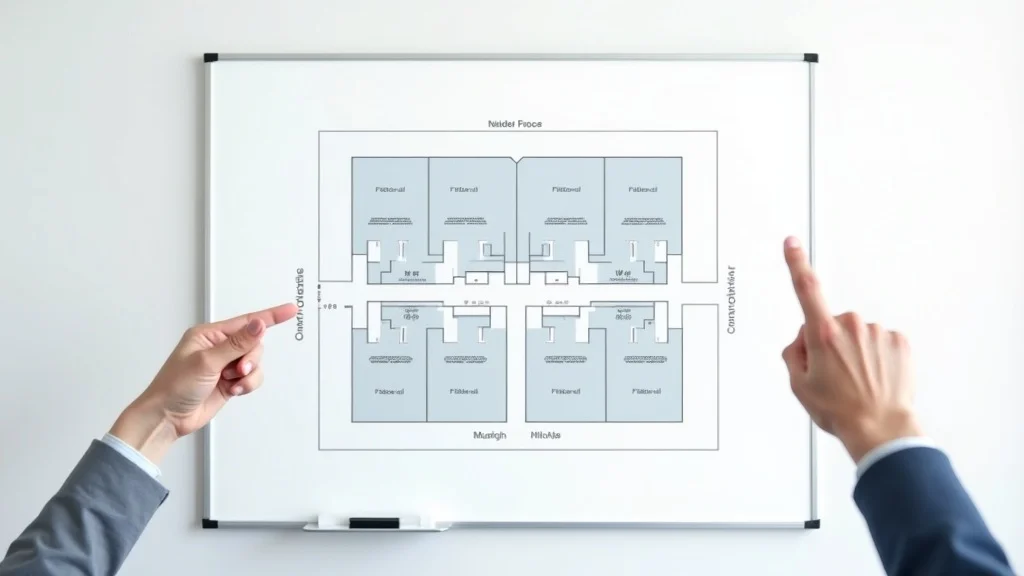
How Commonhold Compares to Residential Leasehold
Unlike residential leasehold, where you own your new flat for a specified period—often 99 or 125 years, maybe less—the commonhold system offers permanent ownership. With leasehold, you face not only annual ground rent but also service charges, restrictions on renovations, and potentially costly lease extensions. Decisions over your block's management often rest with a remote landlord or managing agent rather than flat owners themselves.
In contrast, commonhold means you and your fellow flat owners collectively own and manage all shared spaces and decide on issues ranging from repairs to redecorations. There's no landlord, no ground rent, and no anxiety over a lease approaching expiry. It’s a system designed for empowering residents, but one that’s still rarely used for new flats and almost never seen in conversions of existing leaseholds.
For a closer look at how these ownership models play out in real-world property markets, you might find the insights in Dumfries Living and Property Journal particularly useful, as it explores current trends and practical challenges facing both buyers and agents.
Commonhold vs Leasehold Reform: What’s Changing?
After years of public outcry about ground rent hikes and unfair lease terms, leasehold reform is high on the UK government’s agenda. The Law Commission has proposed major changes to make it easier for existing leaseholders to convert to commonhold, simplify collective management, and eliminate ground rents for new homes. New legislation aims to make leasehold less attractive and commonhold more accessible, potentially reshaping the landscape for estate agents, landlords, and buyers of new flats for generations to come.
Yet, true reform relies on overcoming cultural, financial, and regulatory headwinds. If successful, these reforms could make commonhold the default for new flats—ending ground rent abuses and democratizing residential management. For now, a cautious approach remains the norm among property developers and mortgage lenders, meaning the current system persists.
Why Is Commonhold Rare in England and Wales?
Historical Overview: The Law Commission’s Findings
According to the Law Commission, the UK's property market remains heavily invested in leasehold arrangements due to deep-seated tradition, legal complexity, and financial caution. The Commonhold & Leasehold Reform Act 2002 was designed to pave the way for new types of flat ownership, but found little market traction. The limited take-up—barely two dozen developments in twenty years—demonstrates robust resistance from developers, reluctance from mortgage lenders, and a general lack of awareness among property professionals and buyers.
The Law Commission’s recent reviews highlight that unless barriers are addressed—through education, incentive, and legal clarity—the commonhold model will remain sidelined, leaving flat owners at the mercy of a system ripe for reform. This is especially striking compared to countries like Australia or the US, where similar models thrive.
Barriers to Commonhold Development
Existing leasehold inertia: The system is deeply entrenched—developers, agents, and lenders know how leasehold works, making change seem risky and unnecessary.
Finance and mortgage lender views: Many lenders are cautious about lending on commonhold properties, unsure how resale and shared responsibilities will affect value.
Lack of awareness among new flat buyers and property agents: Many agents and buyers simply don’t know what commonhold is, or they confuse it with “share of freehold” or other ownership models.
“The UK’s property culture continues to favour leasehold, largely due to longstanding traditions and cautious lending practices.” — Property Industry Analyst
Until awareness grows and the market adapts, commonhold developments will remain the exception, not the rule. For agents and property owners, this means trading in a system with known problems while the alternative remains underused.
Common Misconceptions in Commonhold and Leasehold Reform
Is Commonhold Suitable for All New Flats?
Many property professionals believe commonhold is only for “boutique” or ultra-modern blocks, or that it’s ill-suited for larger new build developments. In reality, commonhold can work for almost any type of flat or block, provided management processes are well-defined and buyers understand their joint responsibilities. Progressive leasehold reform efforts aim to make commonhold an attractive option for all new flats—not just high-end or niche markets.

Share of Freehold vs Commonhold: Key Differences
Another frequent misconception is that share of freehold and commonhold mean the same thing. While both models offer owners a greater say in building management, share of freehold usually involves leaseholders jointly buying the freehold and extending their leases. In contrast, commonhold entirely abolishes the leasehold system: there are no expiring leases or ground rents—ownership and management rest wholly with the unit owners via the commonhold association.
Ground Rent and Existing Lease Issues
The ongoing debate over ground rent has brought other problems to light in existing leasehold arrangements, particularly existing leaseholders trapped by escalating charges and uncertain legal status. Commonhold would eliminate these issues—but unless a block of leaseholders collectively opts to convert to commonhold, they remain at the mercy of their freeholder and subject to lease extension costs.
With the passage of new laws, ground rent for new flats is being abolished, but legacy issues with existing leases persist. Understanding these differences is crucial for estate agents and landlords advising clients on their options.
Comparing Commonhold, Leasehold, and Share of Freehold |
|||
Feature |
Commonhold |
Leasehold |
Share of Freehold |
|---|---|---|---|
Ownership structure |
Individual and collective |
Term-limited, landlord |
Joint freeholder share |
Control & decision-making |
Owner-led |
Landlord |
Freeholder group |
Ground rent |
None |
Typically payable |
None/variable |
Legislation |
Commonhold & Leasehold Reform Act 2002 |
Leasehold legislation |
Leasehold & joint ownership |
Case Study: A Commonhold Development in Action

Successes and Setbacks from Real Commonhold Developments
One of the few real-world examples of commonhold development in England is Maple Court in Bournemouth. Residents praise having direct control over repairs, policies, and costs. However, others note that initial teething problems included uncertainty over how to run the association, challenges securing finance, and a lack of clear guidance—issues that ultimately stem from a market with so little experience of commonhold management.
More broadly, the lack of developer support and institutional inertia are the biggest setbacks. Until commonhold becomes more routine, new developments face obstacles ranging from unfamiliar legal processes to wariness from mortgage lenders. Still, those who’ve experienced commonhold firsthand report much higher satisfaction with communal decision-making, long-term value, and cost predictability than under traditional leasehold ownership.
Expert Perspectives: Law Commission and Property Managers
Legal scholars and property managers agree: successful commonhold depends on clear rules, engaged residents, and accessible information. The Law Commission points to overseas models as evidence that these challenges can be overcome. Estate agents, meanwhile, stress the need for better education and incentives to mainstream commonhold in the UK. Property managers also highlight the importance of supporting tools and templates for new commonhold associations, especially in the context of ongoing leasehold reform.
Watch:
The Impact of Leasehold Reform and Law Commission Proposals
Proposed Changes Affecting Existing Leaseholds
Ongoing government consultation—driven by the Law Commission and Ministry of Housing—focuses on making it easier for existing leaseholders to purchase their freehold or convert to commonhold. This ties back to the broader ambitions of the leasehold reform act, such as abolishing ground rent on new flats, simplifying lease extensions, and facilitating smoother block management through collective action.
These proposals could shift the market fundamentally: increased owner rights, reduced landlord income from ground rents, and potentially new build homes defaulting to commonhold rather than leasehold. This could mean not just a legal shift, but a profound change in how flats—especially new build—are bought, sold, and managed.
What Commonhold and Leasehold Reform Could Mean for Estate Agents & Landlords
For estate agents and landlords, the move towards commonhold comes with both challenges and opportunities. Agents will need up-to-date knowledge to advise clients on complex options, transitioning from long-standing leasehold arrangements or introducing commonhold as a selling point for new homes. Landlords will have to prepare for a marketplace where lucrative ground rent streams are removed, and where owners expect more transparent, fairer management.

Role of the Law Commission in Supporting Commonhold
Potential for fairer rights for flat owners
May change how new flats are bought and sold
Impacts on landlord revenue streams (e.g., ground rent)
As reforms progress, the Law Commission remains the primary source for research and guidance, regularly consulting with the industry and advocating for owner-led management models to become the new norm.
People Also Ask: Your Commonhold Questions Answered
Is commonhold better than leasehold?
Generally, commonhold offers greater control for residents, eliminates ground rent, and simplifies management of new flats, but uptake remains low primarily due to tradition and financial system inertia.
What does commonhold mean?
Commonhold is a form of property ownership for flats or units in a building, where each unit owner becomes a member of a commonhold association, jointly owning and managing communal areas.
Why did commonhold fail?
Commonhold has struggled due to lack of awareness, limited incentives for developers, reluctance from lenders, and the entrenched leasehold system in England and Wales.
Is share of freehold and commonhold the same thing?
No, share of freehold typically means leaseholders collectively own the freehold, whereas commonhold abolishes leases—ownership and management are fully unit-owner controlled.
Key Takeaways for Agents, Landlords and Property Owners
Commonhold can empower owners of new flats by eliminating ground rent and shared landlord control
Awareness and legislative reform are vital to greater commonhold adoption in England and Wales
Legal and financial advice remain essential when considering options between residential leasehold, existing leasehold, and commonhold

FAQs on Commonhold, Leasehold Reform, and the Law Commission
How does commonhold affect new flat purchases? For buyers of new flats, commonhold means permanent ownership without leases, no ground rent, and greater decision-making control via the commonhold association. It may influence resale value and make day-to-day management more collaborative.
What are the challenges of transitioning from existing lease to commonhold? Converting from an existing lease to commonhold generally requires all leaseholders to agree, possible legal costs, negotiation with the freeholder, and re-financing arrangements—these steps have made transitions rare so far.
How does the Law Commission support reform? The Law Commission researches, consults, and drafts legislative proposals aimed at streamlining conversion to commonhold, simplifying management, and eliminating unfair ground rents for new flats and leaseholders.
What is the process for creating a commonhold development? Creating a new commonhold requires a developer or group of owners to register the freehold title as commonhold, draw up a commonhold community statement, set up a commonhold association, and divide the property into individual units plus shared areas.
Conclusion: Rethinking the Future of Commonhold and Leasehold Reform
“Until the industry—developers, agents, and lenders—embrace the flexibility of commonhold, the full benefits for flat owners will stay largely untapped.” — Senior Estate Agent
Commonhold stands poised to reshape the UK property landscape—if professionals and owners are willing to lead the way on reform, education, and adoption.
As the property sector continues to evolve, staying informed about the latest developments in ownership models and legislative reform is more important than ever. If you’re keen to deepen your understanding of how these changes could impact your investments, your clients, or your own home, the Dumfries Living and Property Journal offers a broader perspective on market shifts, policy updates, and expert commentary. Exploring these resources can help you anticipate trends, adapt your strategy, and make more confident decisions in a rapidly changing landscape. Whether you’re a seasoned landlord, a first-time buyer, or an estate agent navigating new regulations, expanding your knowledge is the key to unlocking future opportunities in UK property.
Tell Us: What’s Your View on Commonhold?
We'd love to see your comments on this?
Have you had experience with commonhold or leasehold reform? Are you a flat owner, landlord, or agent facing questions about the future of new flats in England and Wales? Tell us your story, raise your questions, and help us drive the conversation forward—just use the comments below.
Sources
Law Commission – https://www.lawcom.gov.uk/project/commonhold/
UK Government Guidance – https://www.gov.uk/guidance/commonhold
Leasehold Advisory Service – https://www.lease-advice.org/advice-guide/commonhold/
OnTheMarket – https://www.onthemarket.com/content/commonhold-explained/
Commonhold is a property ownership system introduced in England and Wales by the Commonhold and Leasehold Reform Act 2002, offering an alternative to the traditional leasehold model. In a commonhold, individuals own the freehold of their specific units (such as flats) and collectively manage shared areas through a commonhold association, a company limited by guarantee. This structure eliminates lease expirations, ground rents, and grants owners greater control over communal decisions. (lease-advice. org) Despite its potential benefits, commonhold has seen limited adoption. As of 2020, fewer than 20 commonhold developments existed in England and Wales. This slow uptake is attributed to factors like entrenched leasehold practices, financial system inertia, and a general lack of awareness among property professionals and buyers. (propertywire. com) The UK government has been considering reforms to promote commonhold. In 2020, the Law Commission proposed changes to simplify the conversion from leasehold to commonhold and to make commonhold more attractive for new developments. These proposals aim to address the challenges hindering commonhold’s popularity and to provide a fairer system for flat owners. (propertywire. com) Understanding commonhold is crucial for property owners, estate agents, and landlords, as it offers a model that could reshape property ownership and management in the UK. Staying informed about ongoing reforms and the potential shift towards commonhold can help stakeholders navigate future changes in the property market.











Write A Comment