


Did you know that more than 30% of household water is wasted through leaks and inefficient plumbing systems? This might be surprising, but it’s a pivotal factor driving the rapid adoption of green plumbing technologies across the globe. In a world grappling with climate change and diminishing resources, homeowners and industry experts alike are searching for innovative, sustainable ways to address water and energy challenges. Green plumbing tech isn’t just reshaping homes—it’s transforming the entire plumbing industry and setting new standards for modern living. Whether you're interested in lowering your water bill, enhancing home sustainability, or staying ahead of the latest plumbing trends, this guide reveals how eco-friendly advancements can help you take control of your impact on the environment and your wallet.
Why Green Plumbing Technologies Matter: Challenging Conventional Plumbing Trends
In today’s world, the traditional approach to residential plumbing is under serious scrutiny. With more than 30% of household water wasted through leaks and inefficient plumbing systems , inefficiency is costing both homeowners and the planet dearly. Such statistics underline the urgent necessity for green plumbing technologies , which are specifically designed to minimize water wastage while optimizing energy use. These transformative plumbing technologies represent a radical shift from conventional practices, offering solutions that are both economically and environmentally beneficial.
Adopting green plumbing goes beyond simply fixing a drip or swapping out a fixture. Modern sustainable plumbing tech leverages innovations such as smart water management systems, efficient tankless water heaters , and robust leak detection tools—all helping to redefine how households use resources. With every advancement, the larger goal is clear: challenge and ultimately change the outdated habits of the past, making way for plumbing systems that conserve water, minimize energy waste, and actively support the health of our environment.
More than 30% of household water is wasted through leaks and inefficient plumbing systems. This revealing fact demonstrates the urgent need for green plumbing technologies and transformative plumbing tech in the modern home.

The New Age of Green Plumbing: Sustainable Practices Revolutionizing Plumbing Tech
Defining Green Plumbing Technologies and Their Role in Sustainable Plumbing
At its core, green plumbing technologies are a collection of tools, materials, and systems engineered to support operational efficiency, resource conservation, and a reduction in environmental impact. Where conventional systems often rely on resource-heavy infrastructure, sustainable plumbing innovations include water-saving fixtures, smart monitoring devices, and eco-friendly piping solutions that prioritize long-term sustainable practice . These technologies are reshaping the basics of plumbing—focusing not only on the immediate delivery and removal of water but also on how plumbing affects the larger ecosystem within and beyond your home.
By integrating sustainable practices into daily water usage, green plumbing embraces everything from leak- and flow-monitoring devices to greywater recycling, effectively closing the loop on household water management. These measures not only cut down on unnecessary water consumption but also contribute to significant utility cost savings. It's a holistic approach—ensuring every drop counts and every system supports a healthier environment for future generations.
The Shift: How Green Plumbing Technologies Redefine the Plumbing Industry
The advent of green plumbing technologies has sparked a transformation in the plumbing industry itself. As more manufacturers and plumbing professionals adopt eco-friendly methods, a ripple effect is occurring across both residential and commercial projects. The change isn't just technological—it’s philosophical. Plumbing is no longer viewed as merely a necessity; it's an opportunity for resource stewardship, shared responsibility, and innovative engineering.
This shift encourages homeowners and businesses alike to reconsider their current setups and seek out solutions that will help them stay ahead of both regulatory requirements and emerging plumbing trends . Whether by installing smart water systems or updating entire plumbing systems for efficiency, the modern approach is fluid and adaptive, leveraging technology for maximum sustainability and minimum waste. The future of the plumbing industry is unequivocally green.
"Innovative green plumbing is not just a trend—it’s a responsibility."
Smart Plumbing Systems: Embracing Advanced Plumbing Tech for Water Conservation
Smart Home Integration: How IoT-driven Plumbing Tech Enhances Sustainability
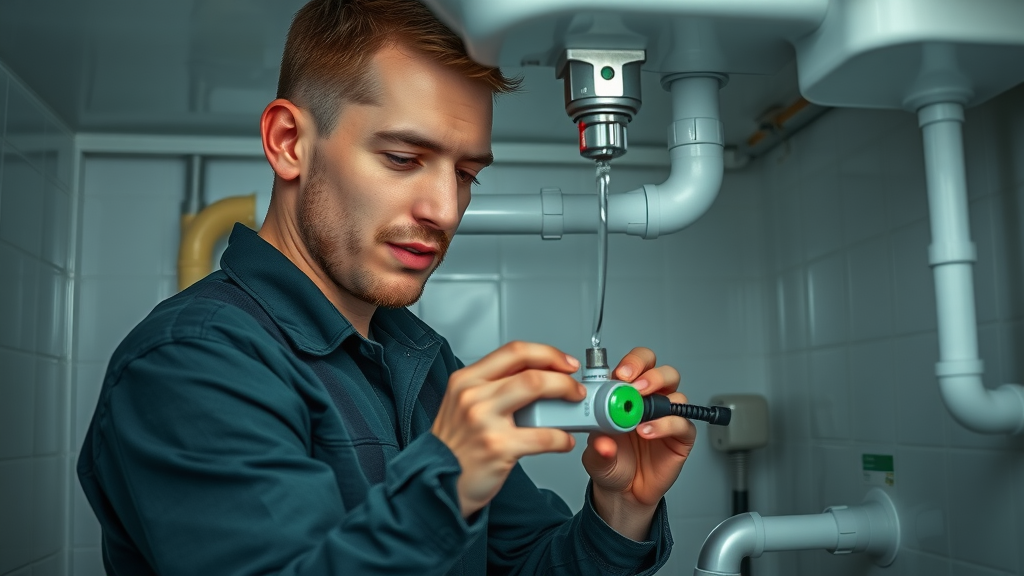
The integration of smart home technology with modern plumbing has revolutionized household sustainability. Today’s smart water systems are powered by Internet of Things (IoT) platforms, allowing homeowners to monitor and manage water usage with unprecedented precision. By linking fixtures, pipes, and water meters to central digital hubs, it's possible to detect inefficiencies or abnormalities instantly, enabling swift action to prevent waste.
These cutting-edge systems don’t just gather data; they facilitate real-time automation. Smart plumbing solutions can automatically adjust water flow , detect leaks before they escalate into major problems, and even alert you via smartphone when maintenance is needed. The seamless integration with other smart home devices further amplifies resource efficiency, creating a fully connected and sustainable living space.
Leak Detection and Water Management: Preventing Waste with Modern Plumbing Systems
Advanced leak detection and water management tools have become indispensable components of modern plumbing systems . Unlike traditional systems, which may allow leaks to continue unchecked for months, today’s green plumbing employs sensitive sensors and automated shut-off valves. These systems identify even the smallest changes in pressure or moisture, helping to mitigate potential disasters and unnecessary water wastage .
Smart water management extends beyond stops and repairs. By optimizing water usage according to real-time demand, contemporary plumbing tech ensures resources are used judiciously—delivering what’s needed, and nothing more. Such intelligence in design results in lower utility bills, reduced environmental impact, and peace of mind for homeowners committed to sustainable living.
Real-World Example: Smart Water Management through Smart Water Fixtures
Many households around the world are already seeing impressive outcomes from installing smart water fixtures. For example, water-saving showerheads equipped with usage tracking can offer detailed insights into consumption patterns, encouraging behavioral changes that benefit both household finances and the planet. Similarly, faucet aerators and connected valves sync seamlessly with digital assistants, automating water control and further cutting down on waste.
The most impressive smart water solutions take a holistic approach: connecting everything from washing machines and dishwashers to irrigation controls and outdoor taps. This interlinking empowers homeowners to make truly informed decisions and proactively manage every drop—demonstrating how plumbing systems are evolving into central components of the modern smart home ecosystem.

Water Recycling and Greywater Recycling: Core Pillars of Green Plumbing Technologies
Understanding Water Recycling for Sustainable Practice in Homes
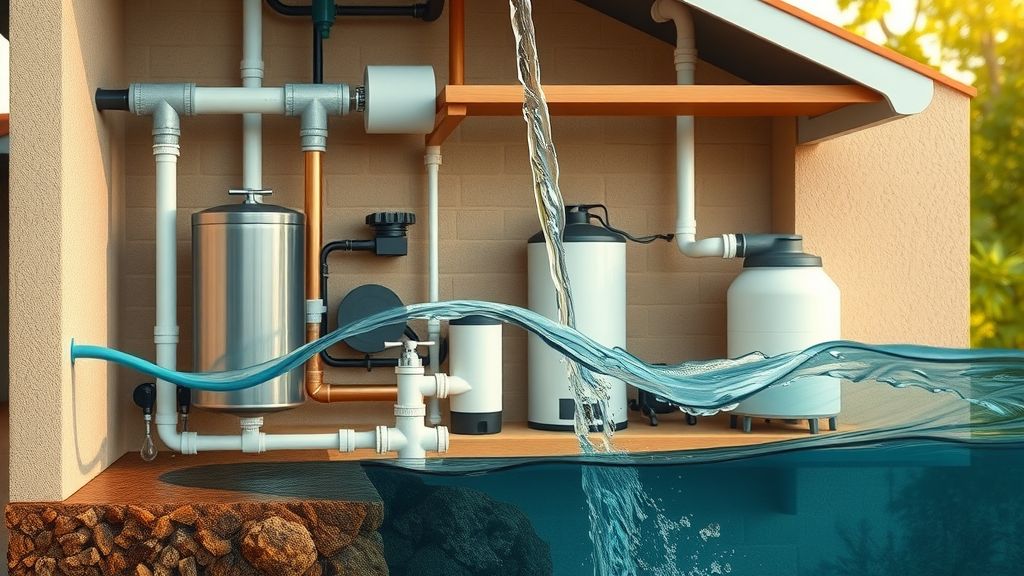
Water recycling, a cornerstone of green plumbing technologies , involves reclaiming wastewater from sinks, showers, and appliances for reuse in non-potable applications. This sustainable practice not only curtails household water consumption but also conserves the energy required to treat and transport fresh water. By implementing water recycling systems, homeowners can significantly reduce their environmental footprint—an essential step in safeguarding future water availability.
With the right plumbing tech, it’s possible to seamlessly redirect used water to toilets or garden beds, resulting in immediate reductions in both consumption and waste. These self-contained recycling systems represent a smart investment, delivering long-term savings and making a marked difference in the fight against mounting climate change impacts on global water resources.
Greywater Recycling Innovations in Modern Plumbing Systems
Moving beyond basic water reuse, greywater recycling technology uses advanced filtration and purification methods to treat water from baths, showers, and washing machines, enabling it to be safely reused throughout the home. Modern greywater systems are engineered for reliability, providing built-in monitoring features to ensure ongoing safety and performance. As adoption grows, more consumers are recognizing the power and potential of integrating these innovations into their plumbing systems .
The environmental impact is substantial: widespread use of greywater recycling could drastically reduce reliance on municipal water supplies and lower the energy burden associated with traditional water treatment. In this way, sustainable plumbing is evolving, not just extending the lifespan of every drop, but redefining the future of water management at the residential level.
Case Study Table: Water Conservation Results from Greywater Systems
Type of System |
Water Saved Per Year |
Carbon Footprint Reduction |
|---|---|---|
Greywater Recycling |
24,000 litres |
High |
Rainwater Harvesting |
18,000 litres |
Moderate |
Tankless Water Heaters and Energy-Efficient Water Heating Solutions
Tankless Water Heaters: Benefits Over Traditional Water Heaters
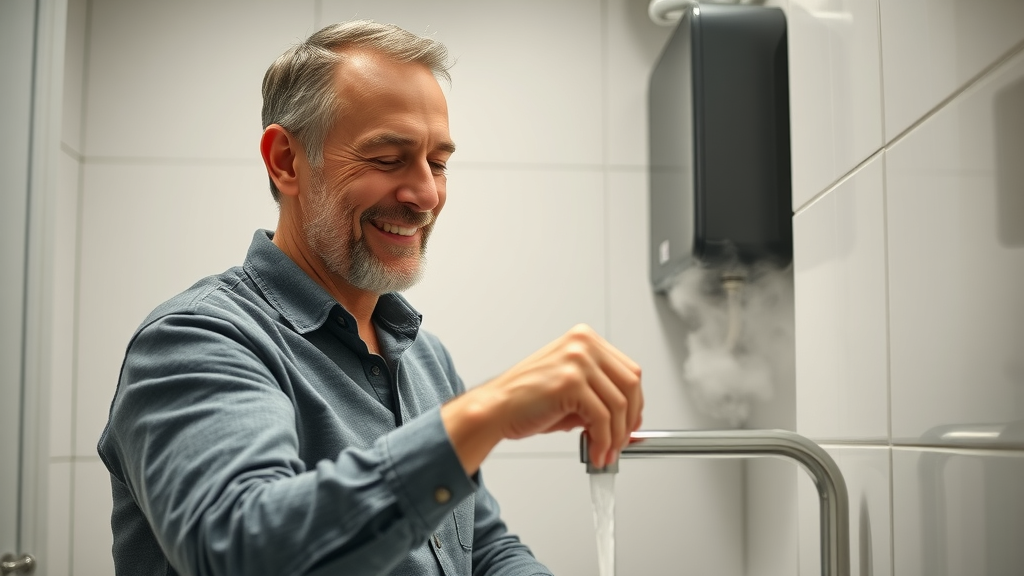
Traditional water heaters with storage tanks continuously heat water, leading to needless energy consumption and increased utility costs. Tankless water heaters offer a revolutionary alternative by heating water on demand—delivering hot water only when needed and eliminating the standby heat loss associated with conventional systems. As a result, households can experience significant energy savings, lower monthly bills, and a much smaller environmental impact.
A shift towards tankless water heaters aligns perfectly with the goals of sustainable practice , coupling immediate practical benefits with a long-term investment in energy efficiency. These devices are compact, efficient, and capable of providing a sustained supply without the limitations of traditional water heaters , cementing their place as a key component in the modern green plumbing toolkit.
Choosing the Right Water Heater: Performance, Cost, and Sustainability
When upgrading a water heater , it’s crucial to consider a balance between performance, sustainability, and cost. Tankless water heaters often come with a higher upfront investment compared to traditional models, yet their long-term returns outweigh initial expenses, thanks to reduced energy consumption and superior longevity. Additionally, these units are easier to maintain and have longer service lives, making them both cost-effective and eco-friendly over time.
Selecting a water heating solution should be seen as a vital part of larger plumbing system improvements. Review the capacity, energy rating, installation requirements, and compatibility with existing infrastructure to ensure your new system offers optimal water flow and sustainability. Making informed decisions in this area ensures future-proofing your home while minimizing your ecological footprint.
Sustainable Plumbing Fixtures and Green Irrigation Systems
Low-Flow Plumbing Fixtures for Water Conservation
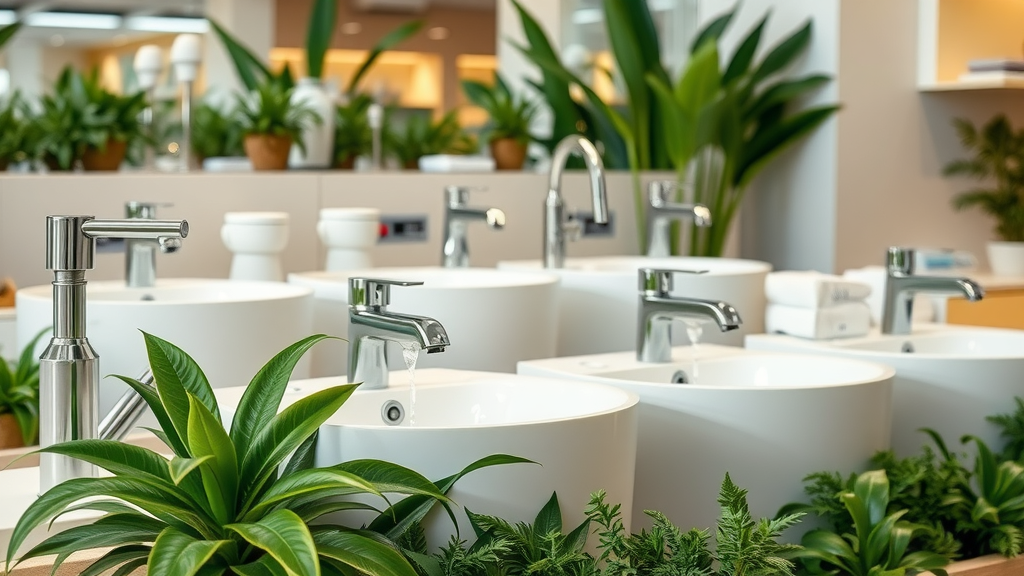
A simple yet profoundly effective advance in green plumbing technologies is the proliferation of low-flow plumbing fixtures. Low-flow toilets , water-saving showerheads , and faucet aerators utilize engineered designs to minimize unnecessary water usage without sacrificing user comfort or hygiene. Installed in both new builds and retrofits, these fixtures consistently deliver high performance while supporting water conservation efforts.
By incorporating low-flow options into your plumbing system, households can reduce overall water consumption by as much as 50%, demonstrating that small changes truly add up. Beyond water savings, modern fixtures frequently boast contemporary designs, easy installation, and compatibility with smart home systems, making them an attractive choice for eco-conscious consumers everywhere.
Green Irrigation Systems: Smart Watering Solutions for Sustainable Practices
Lawn and garden watering are major sources of domestic water use, but the adoption of green irrigation systems is rapidly transforming these outdoor spaces. Smart irrigation controllers use weather data, soil sensors, and advanced scheduling to deliver water only when and where it’s needed—eliminating the waste often associated with traditional setups. This precision significantly reduces both water usage and the risk of overwatering, supporting sustainable landscape management.
Modern irrigation system upgrades can be easily integrated into existing properties, offering a seamless transition to more sustainable practices . Not only do these systems conserve valuable resources, but they also contribute to healthier, more resilient gardens—a win-win for homeowners and the planet.
List: Top 5 Eco-Friendly Plumbing Fixtures Transforming Homes
Low-flow toilets
Faucet aerators
Smart irrigation controllers
Water-saving showerheads
Dual-flush mechanisms
Evolving Plumbing Trends: The Future of Green Plumbing Technologies in the Plumbing Industry
Emerging Plumbing Trends Shaping Residential and Commercial Systems
The plumbing industry is witnessing pivotal changes as green technologies and innovative plumbing trends gain mainstream acceptance. These advancements aren’t limited to high-end, new-build properties. Both budget-friendly and premium plumbing systems now embrace features that promote water conservation , efficient energy use, and a longer operational lifespan. As consumer demand increases, it’s become clear that a commitment to sustainability is quickly becoming the standard—not the exception.
Looking ahead, expect to see continued growth of IoT-driven fixtures, further adoption of automated leak detection , and increased integration of AI-powered water management platforms. These trends will shape not only homes, but also business and public infrastructure, encouraging collaborative solutions between industry leaders, regulatory bodies, and innovative startups. The ultimate goal: resilient, adaptable plumbing systems that meet the challenges of a changing world.
What’s Next for Sustainable Practice in the Plumbing Industry?
The journey toward universal sustainable practice within the plumbing sector is just beginning. Innovations in material science, recycling, and digital monitoring promise to deliver even greater reductions in water and energy waste. Ongoing education for plumbing professionals and proactive policymaking will be essential in accelerating this transition and ensuring everyone—from homeowners to large-scale developers—embraces the benefits of green plumbing.
As these future-forward technologies become accessible, the choices we make today will echo for generations to come. Prioritizing sustainability in plumbing decisions is a powerful way to protect resources, reduce utility costs, and deliver healthier living environments for all.
"Choosing green plumbing technologies today is safeguarding the health of our planet for tomorrow."
What to Consider When Upgrading to Green Plumbing Technologies
Key Factors: Initial Investment, Longevity, and Maintenance
Switching to green plumbing technologies requires thoughtful planning and a willingness to invest up front for long-lasting benefits. Homeowners should consider initial installation costs, but also the extended lifecycles and low-maintenance requirements of most eco-friendly plumbing fixtures and systems. Enhanced durability and fewer repairs can quickly offset higher purchase prices, making green upgrades financially wise over time.
Additionally, it's vital to review product compatibility with your existing plumbing system , local building codes, and maintenance needs. Many smart devices and recycling systems require professional installation to ensure safety and performance. By partnering with experienced plumbing professionals , you can lay the foundation for decades of reliable, sustainable service.
Benefits and Challenges of Adopting Sustainable Practices in Plumbing
The advantages of transitioning to sustainable practices in plumbing are extensive: significant reductions in water and energy bills, lower environmental impact, and increased home value. However, homeowners may face initial hurdles, including higher upfront costs, limited local availability of certain technologies, or the complexity of retrofitting older systems. Overcoming these challenges typically requires professional insight and a willingness to view sustainability as a long-term lifestyle choice.
Ultimately, the positive outcomes—enhanced resource efficiency, long-term cost savings, and the knowledge that you’re supporting a healthier planet—far outweigh the growing pains of transition. With the right guidance, any home can become a model of environmentally responsible design and operation.
Video: Exploring The Impact of Green Plumbing Technologies in Modern Homes
Video: How Plumbing Tech Delivers Real Water Conservation for Households
FAQs About Green Plumbing Technologies for Homeowners
How do green plumbing technologies contribute to water conservation?
Green plumbing technologies are specifically developed to minimize water waste and optimize usage. Fixtures such as low-flow toilets and smart water meters carefully regulate consumption, while advanced systems like greywater recycling process and reuse water that would otherwise be discarded. Collectively, these innovations significantly reduce overall household water consumption and lower utility bills.
Are tankless water heaters worth the investment for sustainable practice?
Absolutely. While tankless water heaters might carry higher initial costs, they reduce energy use by only heating water as needed rather than constantly maintaining a reserve. This can translate into considerable savings on your energy bills and a lower carbon footprint, making them a smart choice for eco-conscious homeowners pursuing long-term sustainability.
What are common challenges when integrating new plumbing tech in old plumbing systems?
Retrofitting older homes with the latest plumbing tech can present issues, such as outdated pipes, limited space for new equipment, and potential incompatibility with digital monitoring solutions. However, most obstacles can be overcome with assistance from plumbing professionals who specialize in modern, sustainable installations. The result: safer, more efficient, and future-ready home plumbing systems.
People Also Ask: Green Plumbing Technologies in the Real World
How do green plumbing technologies work in existing homes?
Green plumbing technologies can be retrofitted into existing homes using modular and compatible fixtures such as low-flow taps, tankless water heaters, and smart leak detection devices. Professional installers can adapt recycling systems and automated controls to most existing piping layouts, greatly improving water conservation and efficiency without the need for a total overhaul.
What are some examples of eco-friendly plumbing systems?
Some leading examples include greywater recycling systems, rainwater harvesting tanks, on-demand water heaters, low-flow and dual-flush toilets, faucet aerators, and automated irrigation systems. These upgrades collectively contribute to major improvements in both water and energy efficiency for homes and businesses.
Key Takeaways: The Value of Embracing Green Plumbing Technologies
Green plumbing technologies reduce water wastage and energy costs
Modern plumbing tech integrates seamlessly with smart homes
Sustainable practices ensure the longevity and efficiency of plumbing systems
Upgrading to eco-friendly fixtures benefits both homeowners and the environment
Ready for the Future? Connect with Ed Serrell Plumbing and Heating for Green Plumbing Expertise
For expert help or advice from Ed Serrell Plumbing and Heating call 0796 688 4368 , or email info@edsplumbing.co.uk
Take charge of your home’s future—embrace green plumbing, reduce waste, and safeguard the environment with every upgrade.
Sources
EPA WaterSense – https://www.epa.gov/watersense/statistics-and-facts
DOE Energy Saver – https://www.energy.gov/energysaver/tankless-or-demand-type-water-heaters
To further explore the advancements in green plumbing technologies, consider the following resources:
“Green Plumbing Technology: The Future of Sustainable Water Systems” ( oplusplumbing.ca )
“Green Plumbing Technologies: Sustainable Practices for a Greener Future” ( techbullion.com )
These articles provide in-depth insights into the latest eco-friendly plumbing innovations and their impact on sustainability.










Write A Comment