


Did you know that nearly 70% of plumbing businesses struggle to efficiently balance rapid growth with maintaining high-quality services? Achieving this balance is vital in today’s competitive plumbing industry, where customer expectations and operational demands continue to escalate. In this comprehensive guide, we delve into vital aspects of plumbing business management with expert insights from Ed Serrell of Edward Serrell Plumbing and Heating Ltd, illustrating how to effectively manage teams, leverage technology, and exceed customer expectations while sustaining growth.
Startling Realities of Plumbing Business Management

Managing a plumbing business requires more than just technical know-how. It demands the ability to juggle client emergencies, team scheduling, and fluctuating workloads all while keeping operational efficiency and quality service at the forefront. Ed Serrell emphasizes the importance of flexibility and responsiveness in handling emergency jobs promptly — a critical factor in establishing customer trust and satisfaction.
This challenge intensifies as businesses scale. The need to maintain a nimble operation that can adjust scheduling at a moment’s notice while ensuring every job meets standards calls for robust and proactive plumbing business management. Companies that overlook these demands risk poor customer retention, inefficient workforce utilization, and ultimately, financial setbacks.
Understanding Core Values and Mission in Plumbing Business Management
"Our goal is to be as flexible as possible to handle emergency plumbing jobs the same day, ensuring customer satisfaction and trust." – Ed, Plumbing Business Owner
Strong core values and a clear mission underpin successful plumbing businesses. Ed articulates that prioritizing same-day service for emergencies is not just a promise — it’s the foundation for building long-term customer loyalty. Honesty, communication transparency, and reliability are principles embedded in his company's operations, fostering a culture where both customers and employees feel valued.
Defining Your Ideal Customer in Plumbing Business Management

Identifying and understanding the ideal customer is pivotal for focused marketing and service delivery. Ed explains that for his business, the perfect customers range from larger commercial clients who value planned maintenance to domestic clients who prioritize quick, reliable responses despite knowing they might pay slightly above market rates.
This customer segmentation reflects a balanced approach to service delivery and pricing strategy. The commercial side aligns more with long-term contracts and tenders, whereas residential customers often require immediate, flexible solutions. Insight into these segments allows for tailored communication and operational planning, enhancing customer satisfaction and loyalty.
For plumbing professionals seeking to refine their operational approach, exploring plumbing trade best practices can provide actionable tips on workflow, safety, and customer service that complement the management strategies discussed here.
Leveraging Plumbing Software and Management Software for Efficient Operations
"Implementing plumbing software was challenging but essential for managing our growing business efficiently." – Ed, Plumbing Business Owner

Modern plumbing business management increasingly depends on technology for streamlined operations. Transitioning from pen-and-paper systems to advanced digital scheduling and job tracking software was a significant milestone for Ed’s business. Despite initial resistance, embracing these tools has enabled improved coordination between the office and field teams, ensuring transparency in job progress and timely invoicing.
Efficient software solutions offer real-time tracking of resources, enhance communication, and reduce administrative errors, resulting in better customer experience and increased profitability. Businesses that resist technology risk being left behind as competition adopts more agile operational models.
Balancing Team Management and Customer Service in Plumbing Businesses
Building a Cohesive Team Culture

A plumbing business is only as strong as its team. Ed highlights the importance of cultivating a cooperative, motivated culture where office staff and engineers collaborate seamlessly. Reliable team members who take ownership and understand their roles contribute to smoother daily operations and consistent service delivery.
Instilling clear processes and empowering staff to communicate proactively about job requirements and materials reduces downtime and fosters pride in workmanship. Leadership that exemplifies integrity and humility, like Ed’s, can inspire loyalty and encourage team members to ‘pull up their socks’ in the owner’s absence.
Delivering Consistent Customer Service
Consistency in customer service solidifies reputation and drives repeat business in the plumbing industry. Maintaining transparent communication about job progress, costs, and potential challenges — as Ed’s company champions — helps manage customer expectations effectively.
Responsive customer service also involves following up on completed jobs to address any issues promptly, minimizing negative reviews. Customers tend to prefer firms that combine professionalism with approachability, traits essential to thriving in a fragmented home services market.
Competitive Positioning of Plumbing Companies in a Fragmented Market
"We prefer to stay under the radar and let our work speak for itself rather than boast about our achievements." – Ed, Plumbing Business Owner
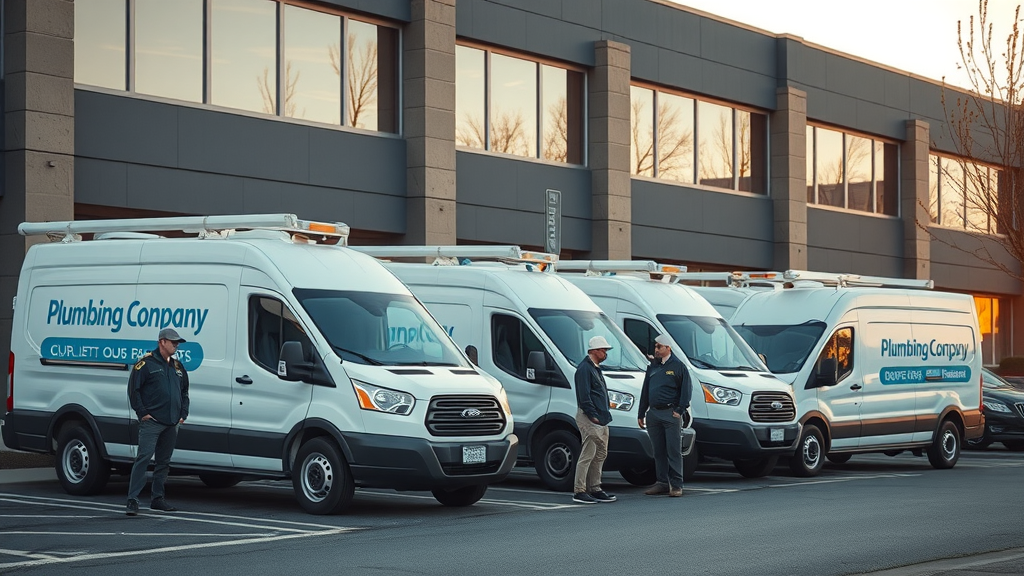
The plumbing market is notably fragmented, with many small operators competing alongside larger chains. Ed’s approach centers not on aggressive marketing but on solid delivery and reputation earned through customer satisfaction. This ‘under the radar’ strategy avoids the pitfalls of overpromising while fostering genuine trust through demonstrated reliability.
By focusing on quality and niche commercial projects with effective cost management, Ed’s business differentiates itself from competitors that may prioritize volume over personalized service. This approach supports sustainable growth without compromising service integrity.
Adapting to Industry Trends and Future-Proofing Your Plumbing Business
Integrating New Technologies in Plumbing Services

Forward-looking plumbing business management includes preparing for emerging trends such as renewable energy systems and eco-friendly technology. Ed notes growing demand for specialized services like underfloor heating installations and air source heat pumps, associated with newer builds and sustainability efforts.
While current adoption rates may be slow and training costly, aligning skillsets with evolving industry requirements ensures future readiness. Maintaining necessary accreditations and continuously upskilling staff equips businesses to meet upcoming market needs and regulatory changes.
Effective Use of Plumbing Business Management Software to Streamline Operations
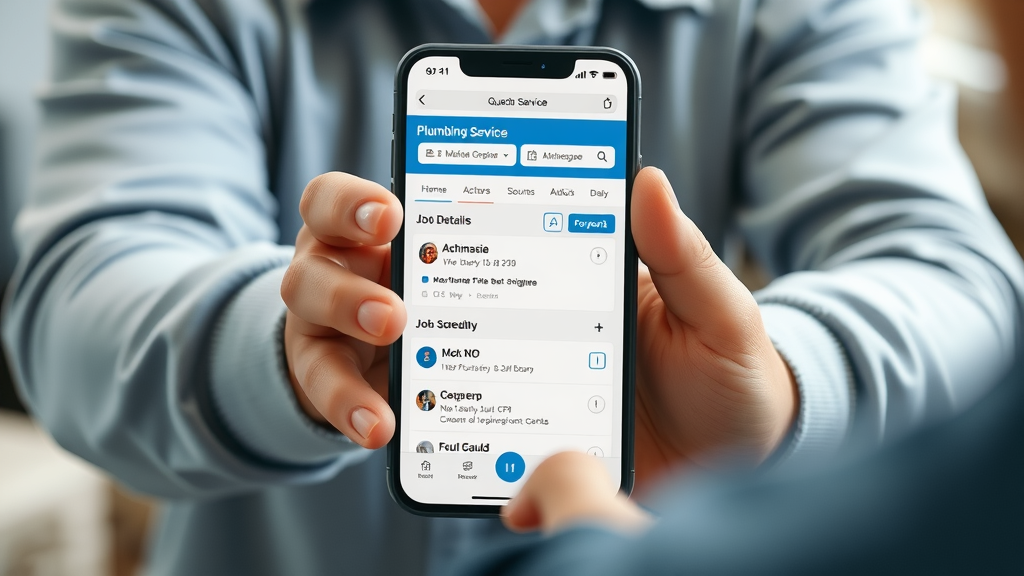
Utilizing mobile-enabled plumbing business management software empowers field staff to access job details, update statuses, and communicate seamlessly with office teams. This real-time data sharing reduces paperwork, accelerates invoicing, and enhances overall job transparency.
Adoption challenges may arise initially, but as Ed shares, overcoming this hurdle leads to significant operational efficiencies that support a growing business. Software integration is not an option but a necessity to sustain quality and responsiveness.
Key Business Management Principles for Sustainable Plumbing Business Growth
"You can never work too hard, but balancing work and family life is equally important." – Ed, Plumbing Business Owner
Avoiding Common Pitfalls in Plumbing Business Management

Building a sustainable plumbing business demands hard work and vigilance against costly mistakes. Ed reflects on his early challenges including misplaced trust and difficult clients that nearly caused significant financial loss. Learning from these experiences shaped his pragmatic approach to risk management, client relations, and trust building.
Common mistakes include underestimating job complexity, poor communication, and failure to adapt to operational scaling needs. Establishing reliable processes, transparent pricing, and investing in solid team culture are critical to avoid these pitfalls and ensure steady growth.
Marketing and Customer Engagement Strategies for Plumbing Businesses
Building a Strong Brand Persona
A compelling brand persona humanizes a plumbing business and fosters emotional connections with customers. Ed likens his brand’s personality to someone easygoing and fun-loving — traits that help diffuse tense situations and engender customer comfort.
Authenticity, consistent messaging, and a genuine commitment to quality and honesty underpin the brand voice, helping differentiate the company in a crowded market where many competitors adopt aggressive sales tactics. This approach nurtures loyal customer relationships and positive word-of-mouth referrals.
Comprehensive Guide to Managing Plumbing Jobs and Customer Expectations
Pricing Strategies and Job Profitability
Comparison of Plumbing Job Types: Emergency vs. Planned, Profit Margins, Customer Expectations |
|||
Job Type |
Typical Customer Expectations |
Profit Margin Characteristics |
Management Considerations |
|---|---|---|---|
Emergency Plumbing |
Urgent, speedy response, clear communication |
Variable; profitable jobs mixed with breakeven or loss-making |
Requires flexible scheduling and buffer time to accommodate |
Planned/Commercial Contracts |
Scheduled maintenance, upfront quotes, ongoing relationship |
Generally more stable and profitable after tendering |
Needs competitive pricing, reliable delivery, and clear documentation |
Ed explains that profitability in plumbing jobs is often a balancing act — while emergency calls attract premium rates, many jobs barely break even due to unforeseen complexities. Planned commercial work offers steadier margins but involves competitive tendering and managing overheads carefully.
People Also Ask: Essential FAQs on Plumbing Business Management
How to manage a plumbing business?
Managing a plumbing business effectively requires balancing operational flexibility, efficient team management, and proactive customer communication. Implementing modern scheduling software and fostering a motivated team culture are key. Regularly reviewing financials and maintaining high service standards ensures sustained growth.
How profitable is a plumbing business?
Profitability varies by job type and scale. Commercial contracts often yield steadier returns, whereas domestic emergency calls can be variable. Strategic pricing, efficient job scheduling, and minimizing overheads directly influence overall profitability.
What is the best business structure for a plumbing business?
Many plumbing businesses start as sole proprietorships or limited companies. Choosing the right structure depends on factors like liability, tax implications, and plans for growth. Consulting legal and financial advisors is recommended to optimize for personal and business goals.
What makes the most money in plumbing?
Specialized commercial contracts, long-term maintenance agreements, and emerging green technologies such as heat pump installations tend to generate higher margins compared to standard domestic repairs.
Key Takeaways
Flexibility and responsiveness are critical in effective plumbing business management.
Investing in plumbing software significantly enhances operational efficiency and communication.
Building a trustworthy and motivated team is essential for sustainable growth.
Differentiation via personalized service and niche markets strengthens competitive positioning.
Adapting to industry trends ensures business future-proofing.
Transparent pricing and excellent customer service foster long-term client loyalty.
Conclusion: Achieving Balance in Plumbing Business Management
Effective plumbing business management involves a delicate balance between growth ambitions and steadfast dedication to service quality. Through adaptable team leadership, embracing technological advancements, and nurturing transparent customer relationships, businesses can thrive without sacrificing integrity or personal wellbeing. Ed Serrell’s journey exemplifies that smart, thoughtful strategies combined with perseverance pave the way to a sustainable, fulfilling plumbing enterprise.
Book an Expert Interview for Your Business
If you’re interested in gaining tailored insights into plumbing business management or wish to explore strategies for scaling your plumbing service without compromising quality, we invite you to book an expert interview with Ed Serrell, founder of Edward Serrell Plumbing and Heating Ltd. Leverage his extensive experience to transform your business approach today.
To stay ahead in a rapidly evolving industry, it’s essential to keep an eye on broader trends and innovations shaping the future of plumbing and heating. For a deeper dive into sustainable technologies, regulatory updates, and market shifts that could impact your business, explore the latest insights in sustainable plumbing and heating news . Expanding your knowledge in these areas can help you anticipate change, adapt your services, and position your company as a forward-thinking leader. Whether you’re planning your next strategic move or simply want to stay informed, these resources offer valuable guidance for ambitious plumbing professionals.
To further enhance your understanding of effective plumbing business management, consider exploring the following resources:
“9 Management Tips for Plumbing Businesses” ( bizcover.com.au )
“5 Plumbing Management Tips for Business” ( fieldedge.com )
These articles provide practical advice on optimizing scheduling, leveraging technology, and building strong customer relationships. By implementing these strategies, you can achieve a harmonious balance between growth and quality in your plumbing services.












Write A Comment