


Imagine stepping onto warm floors during a chilly morning—comfort that transforms your daily routine. Choosing the best underfloor heating system isn't just about technology; it’s about creating a cozy, energy-efficient home. Whether you are building new or retrofitting existing spaces, the right system can bring lasting warmth and savings. Industry experts like Jamie Alberts from Peak Underfloor Heating Ltd share their insights, helping you make an informed, heartfelt choice for your household.
What You'll Learn
- Key factors to consider when selecting the best underfloor heating system
- Differences between underfloor heating and traditional radiators
- Expert insights on installation, efficiency, and maintenance
- Common misconceptions and how to avoid them
- Practical tips for homeowners and builders

Understanding the Best Underfloor Heating System: An Overview
Jamie Alberts, of Peak Underfloor Heating, explains, "The ethos of underfloor heating is that the floor itself becomes the radiator, providing a more even and efficient heat distribution compared to traditional systems."
The best underfloor heating system operates on a simple yet powerful principle: instead of heating the room through a radiator on the wall, the entire floor surface radiates heat evenly. This creates a comfortable environment by warming from the ground up and significantly improves energy efficiency.
Central to underfloor heating effectiveness is the concept of thermal mass — the capacity of the floor material, typically concrete or screed, to absorb, store, and evenly radiate heat. Insulation beneath the heating pipes is essential as it prevents heat loss downward, ensuring warmth reaches the living space effectively. Systems typically operate at lower water temperatures—between 40 to 50 degrees Celsius—yet deliver a pleasantly steady warmth, contrasting with the higher temperatures required by traditional radiators.
- Definition and basic principles of underfloor heating
- Thermal mass and insulation importance
- Typical temperature ranges and energy efficiency
Comparing Underfloor Heating with Radiators

While traditional radiators heat small zones quickly, their warmth dissipates faster and tends to create uneven temperature zones. Radiators require water temperatures as high as 60 to 70 degrees Celsius to function efficiently, resulting in more energy consumption.
On the other hand, the best underfloor heating system uses the whole floor’s surface to gently emit heat, achieving a more even ambient temperature with water running at much lower temperatures. Although the heat-up time is slower, thermal mass ensures consistent warmth that lasts longer after the system switches off.
Another advantage of underfloor systems is the space-saving benefit; without bulky radiators on walls, homeowners enjoy greater freedom in room design and furniture placement. Underfloor heating also contributes to better air quality by reducing dust circulation, as it doesn’t rely on convection currents like radiators.
- Heat-up and cool-down times
- Space-saving benefits
- Running costs and energy consumption
- Comfort and air quality considerations
For a more detailed breakdown of how to select the most suitable underfloor heating system for your specific property type and needs, you might find this comprehensive homeowner's guide to underfloor heating systems especially useful. It covers practical considerations and common scenarios faced by UK homeowners.
Expert Insights on Choosing the Best Underfloor Heating System
Jamie Alberts shares, "We use LK International’s systems, a Swedish company with over a century of experience, because their technology allows us to run flow temperatures as low as 30 degrees, which significantly reduces energy bills."
A key to selecting the best underfloor heating system lies in partnering with trusted suppliers who understand the technology and provide robust technical support. Jamie Alberts, of Peak Underfloor Heating Ltd, relies on LK International, a Swedish manufacturer with 110 years of industry experience, who specialize in advanced low-temperature flow systems.
These modern systems are designed to function optimally at flow temperatures as low as 30 degrees Celsius, which is considerably cooler than most UK underfloor heating systems. This technological edge makes them particularly compatible with heat pumps—a sustainable heating solution expected to dominate future installations, especially with carbon regulations looming.
- Importance of supplier relationships and technical support
- Advantages of modern low-temperature systems
- Compatibility with heat pumps and sustainable energy solutions

Installation Considerations for the Best Underfloor Heating System
When deciding on the best underfloor heating system, installation methods differ significantly depending on whether your home is a new build or a retrofit.
For new builds, installing pipes within insulated screed floors is the standard practice, optimizing thermal mass and energy efficiency. Insulation boards beneath prevent heat loss, and the screed evenly distributes warmth. In retrofit situations—such as existing timber joisted floors—specialized systems using aluminum heat spreader plates or pre-routed chipboard are used. These systems are thinner and allow fitting under existing floor finishes but often require slightly higher operating temperatures.
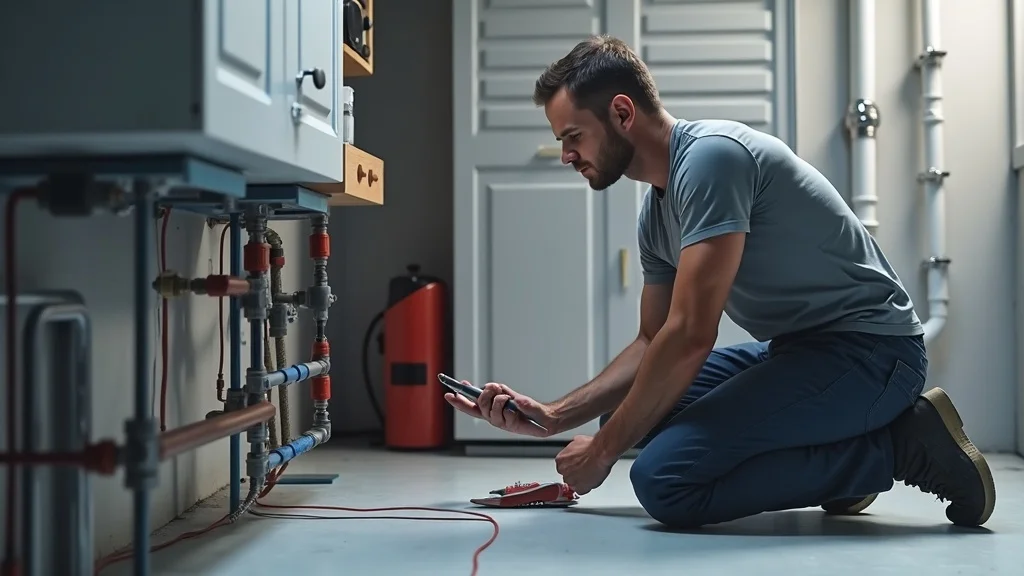
Proper placement of the manifold—a central point distributing heated water to various pipe loops—is crucial. It aids zoning and provides individual control, allowing tailored room temperatures. Additionally, pipework that passes through unheated spaces is sleeved with insulating conduit to prevent unwanted heat loss.
Jamie Alberts notes that professional installation requires specific tools such as pipe decoilers for coil management and staple guns to fasten pipework securely—aiding efficiency and ensuring durability without excessive physical strain.
- New build versus retrofit options
- Floor construction types and their impact on system choice
- Manifold placement and pipe insulation techniques
- Specialist tools and equipment required
Managing Heat Distribution and Control
A sophisticated thermostat system is fundamental to maintaining comfort with the best underfloor heating system. Unlike radiators which cycle on and off in blocks of time, underfloor heating operates to maintain a steady, constant temperature throughout the day by switching on only when temperatures dip below a set point.
Temperature control is done room-by-room through insulated manifolds and electronic thermostats. This setup ensures zones can be independently adjusted, enhancing comfort and cutting energy waste. The floor’s thermal mass means heat does not cool rapidly, so even short heating cycles keep rooms warm effectively.
To prevent heat escaping into non-heated areas such as closets or floor voids, pipes running through those zones are insulated, maintaining efficiency and preventing unnecessary energy usage.
- Thermostat settings and room-by-room control
- Avoiding heat loss in non-heated areas
- Maintaining a consistent temperature for comfort and efficiency

Common Misconceptions About the Best Underfloor Heating System
-
Myth: Underfloor heating is always on and costly.
Fact: It operates with precise thermostatic control to save energy and cost. -
Myth: Installation is prohibitively expensive.
Fact: While initial costs can be higher, long-term savings on energy bills and space efficiency often outweigh the upfront investment.
Jamie Alberts emphasizes, "People often think underfloor heating means the system is on 24/7. In reality, depending on thermostat settings, it may only be active for brief periods throughout the day to maintain comfort and avoid unnecessary running costs."
Practical Tips for Homeowners Considering the Best Underfloor Heating System
- Assess your floor type and insulation before choosing a system to optimize performance.
- Consult with experienced professionals like Jamie Alberts who provide tailored solutions based on your home’s specifics.
- Consider future-proofing your heating system by ensuring compatibility with renewable energy sources such as heat pumps.
- Plan for routine maintenance and seasonal adjustments to keep your system running efficiently year-round.

People Also Ask
- What is the most efficient underfloor heating system?
- How long does underfloor heating take to warm a room?
- Can underfloor heating be installed in existing homes?
- Is underfloor heating compatible with heat pumps?
- What maintenance does underfloor heating require?
Key Takeaways
- The best underfloor heating system balances efficiency, comfort, and cost-effectiveness.
- Modern low-temperature systems reduce energy consumption and enhance sustainability.
- Proper installation and zone control are essential for optimal performance and savings.
- Strong supplier partnerships provide vital technical support and reliability.
- Underfloor heating suits both new builds and retrofit projects as a smart investment.
Conclusion
Jamie Alberts concludes, "Choosing the right underfloor heating system is about understanding your home’s needs and working with trusted professionals to ensure lasting warmth and efficiency."
If you’re interested in exploring the broader landscape of underfloor heating solutions, including how to compare options for different property types and local climates, our in-depth article on underfloor heating systems in Chesterfield offers strategic guidance and expert tips. Delve into regional considerations, installation best practices, and the latest trends shaping energy-efficient homes. By expanding your knowledge, you’ll be better equipped to make confident decisions that enhance comfort and value for years to come. Take the next step and discover how tailored heating solutions can transform your living space.
Call to Action
- For expert help or advice visit Peak Underfloor Heating.
Sources
When selecting the best underfloor heating system, it’s essential to consider factors such as energy efficiency, compatibility with your flooring, and ease of installation. For a comprehensive understanding of underfloor heating options, including the benefits of electric versus hydronic systems, the article “Underfloor heating” provides valuable insights. (en.wikipedia.org) Additionally, for guidance on choosing the right flooring to pair with your heating system, “The Best Flooring Types for Underfloor Heating: A 2025 Buyer’s Guide” offers detailed recommendations. (fastwarm.com) These resources will equip you with the knowledge to make informed decisions tailored to your home’s specific needs.












Write A Comment