Add Row
Add Element
cropper
update

Plumbing and Heating Chesterfield

Logo-plumbing and heating chesterfield
update
Add Element
update

CALL US

07966 884368

Add Element
update

EMAIL US

info@edsplumbing.co.uk

Add Element
update

OPEN 24 HOURS  OPEN

Add Element

Add Element
  • Insights Home
  • Topics
    • Eco-Friendly Plumbing Projects
    • Trade Secrets: Eco Edition
    • Smart Spend: Eco Product Picks
    • Smarter Heating to Slash Your Bills
    • Plumbing and Heating Success Stories
    • Sustainable Plumbing and Heating News
    • Innovative Heating Solutions
    • Sustainability Tips for Every Property
    • Plumbing and Heating Services
    • Emergency Plumbing
    • Boiler Installation Repairs and Servicing
    • Commercial Plumbing Solutions
    • Smart Underfloor Heating
    • News
  • Contact Us
  • Subscribe
Add Element
  • Peak Plumbing and Heating Insights on Facebook
    update
  • Peak Plumbing and Heating Insights on X.com
    update
  • Peak Plumbing and Heating Insights Google Business Profile
    update
  • update
  • update
  • Peak Plumbing and Heating Insights on Youtube
    update
  • Peak Plumbing and Heating Insights on Instagram
    update
  • All Posts
  • Eco-Friendly Plumbing Projects
  • Trade Secrets: Eco Edition
  • Smart Spend: Eco Product Picks
  • Smarter Heating to Slash Your Bills
  • Plumbing and Heating Success Stories
  • Sustainable Plumbing and Heating News
  • Innovative Heating Solutions
  • Sustainability Tips for Every Property
  • Plumbing and Heating Services
  • Emergency Plumbing
  • Boiler Installation Repairs and Servicing
  • Commercial Plumbing Solutions
  • Smart Underfloor Heating
  • News
June 12.2025
1 Minute Read

Water-Saving Plumbing Fixtures That Cut Waste Instantly

  • Did you know that standard plumbing fixtures can waste up to 30,000 gallons of water per household annually? Discover how water-saving plumbing fixtures can dramatically reduce waste and improve sustainability in your home or business.

modern kitchen and bathroom scenes with homeowners examining water-saving plumbing fixtures, efficient chrome faucets, toilets, and running water - water-saving plumbing fixtures in a stylish home

How Water-Saving Plumbing Fixtures Conserve Water: Key Benefits and Search Intent

  • Uncover how water-saving plumbing fixtures directly contribute to lower water bills and sustainable resource management, illustrated with practical household examples.

Making the shift to water-saving plumbing fixtures isn’t just good for the planet—it also makes a powerful impact on your wallet. Every time you flush, shower, or wash your hands, the flow rate and design of your fixtures decide whether you’re minimizing or increasing water waste. Standard plumbing fixtures can pour thousands of unnecessary gallons down the drain each year, driving up your water bill and straining precious resources. In contrast, modern water-saving devices are engineered for water efficiency —they deliver the same reliable performance while dramatically reducing the amount of water used per activity.

For example, a traditional toilet may use 3.5–7 gallons per flush, but a high-efficiency or dual-flush model uses less than half that amount. Likewise, low-flow showerheads and WaterSense labeled faucets reduce water usage and still provide satisfying water pressure and hot water. For homeowners and businesses aiming to conserve water , these upgrades quickly translate to lower water bills and a lighter ecological footprint—without sacrificing comfort or hygiene. By making smart choices about your plumbing fixtures, you take an active role in resource conservation and cost control.

What You Gain: Mastery of Water-Saving Plumbing Fixtures for Maximum Efficiency

  • The essential features that make water-saving plumbing fixtures effective
  • How to distinguish WaterSense labeled appliances and why that matters
  • Practical steps to integrate high-efficiency plumbing fixtures in any property
  • Comparative benefits of different water-saving solutions

Upgrading to water-saving plumbing fixtures opens up new opportunities for both efficiency and environmental stewardship. The most effective fixtures employ advanced technology, such as aerators that regulate water flow or dual-flush systems that let you choose the right gallons per flush for each use. Recognizing the WaterSense label ensures you pick products that meet EPA (Environmental Protection Agency) standards for water efficiency . This label isn’t just a badge—it's proof on a gov website or official website that the fixture will save water and money without giving up performance.

Integrating these efficient fixtures in your kitchen, bathroom, or commercial space is often straightforward. Start with a simple assessment: identify where water is used most frequently, and target those spots for replacement first. Whether you install fixtures yourself or enlist a professional, prioritizing WaterSense labeled options ensures maximum results. When comparing options, consider each device’s flow rate , gallons per flush , and proven user benefits. Not only are you reducing your overall water consumption , but you’re also future-proofing your property against rising utility costs and environmental regulations.

Comparison of Water-Saving Plumbing Fixtures vs. Standard Plumbing Fixtures
Fixture Type Standard (Flow Rate/Gallons per Flush) Water-Saving (Flow Rate/Gallons per Flush) Efficiency (%) Estimated Annual Cost Savings (£)
Toilet 3.5–7.0 gallons per flush 1.28 or Dual-Flush (0.9/1.6 GPF) 60–70% £35–£60
Showerhead 2.5 gallons per minute 1.5 GPM or less (WaterSense) 40% £15–£35
Faucet 2.2 GPM 1.0–1.5 GPM (WaterSense) 30–55% £10–£25
Urinal 1.0–1.5 gallons per flush 0.5 gallons per flush or less 50–70% £10–£18
Water Heater Recirculation Without recirculation Smart recirculation system Up to 80% reduction in wasted hot water £30–£75

Understanding Plumbing Fixtures and Their Impact on Water Saving
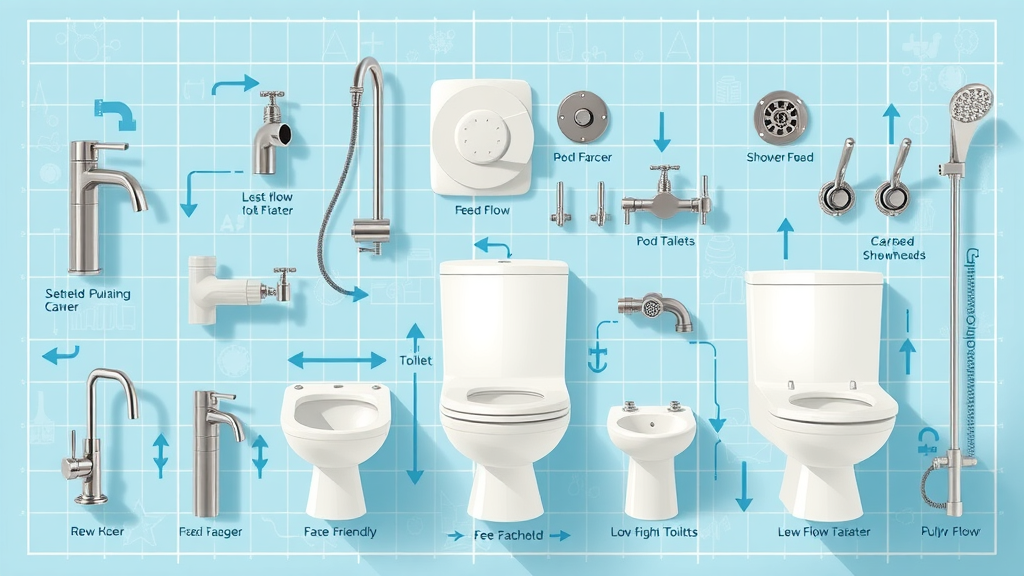
modern labeled faucets, low-flow toilets, and eco-friendly showerheads on blueprint-style background showing water-saving plumbing fixtures

Types of Plumbing Fixtures: From Faucets to Toilets and Showers

  • Description and examples of common plumbing fixtures
  • Insight into water-saving designs in modern fixtures

Plumbing fixtures are the backbone of every home and business’s water system, including faucets, toilets, showerheads, and urinals. Each plays a significant part in water usage—kitchens and bathrooms account for a major share of household water consumption. Traditional plumbing fixtures are often responsible for excessive flow, contributing to higher water bills and unnecessary waste. In contrast, water-saving plumbing fixtures are specifically engineered to reduce water flow or the amount per use, without compromising the overall experience.

Upgrades like dual-flush toilets adjust gallons per flush for different needs, while low-flow showerheads maintain a powerful stream with up to 40% less water. Aerated and sensor-activated faucets are designed for efficiency, often cutting usage in half. Urinals and recirculating water heaters have been revolutionized to operate with minimal water and energy requirements. The next generation of these plumbing fixtures blend cutting-edge design with eco-friendly tech, setting new standards for performance and sustainability across the board.

How Plumbing Fixtures Contribute to Water Saving and Efficiency

  • Role of flow rate and gallons per flush in water efficiency
  • Comparisons between traditional and water-saving plumbing fixtures

The key to water efficiency lies in the flow rate (measured in gallons per minute, GPM) and gallons per flush (GPF) for each fixture. Water-saving plumbing fixtures are specifically designed to keep these numbers low. For example, a standard showerhead might use 2.5 GPM, while a WaterSense labeled model uses only 1.5 GPM, saving thousands of gallons annually. Similarly, switching from an old toilet to a dual-flush model can cut water usage by more than half—especially critical in high-use settings.

Comparatively, water-saving options are not only better for the environment but also for your budget. The cumulative savings from switching all fixtures in a household quickly add up, drastically reducing your reliance on municipal water supplies and lowering your monthly expenses. Cutting-edge plumbing fixtures now provide the same (or better) performance as their traditional counterparts, thanks to design improvements that optimize water flow based on real-world use. When you opt for water-saving solutions, you invest in long-term sustainability and immediate financial relief.

The Watersense Label: Assurance of Water-Saving Plumbing Fixtures
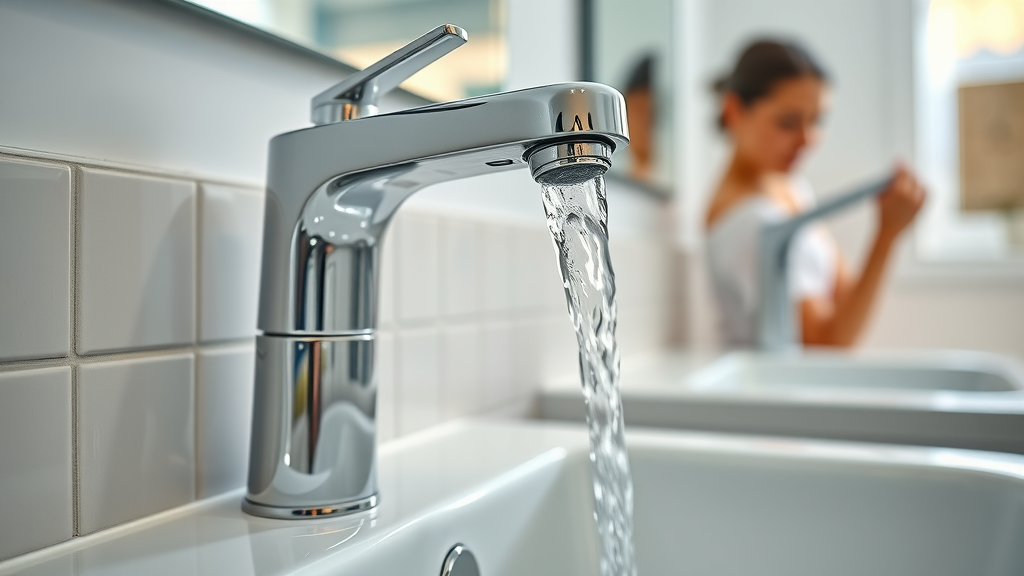
sleek water-saving faucet with WaterSense label used by homeowner in modern bathroom - watersense labeled plumbing fixtures closeup

What Is the WaterSense Label & Why Choose Watersense Labeled Fixtures?

  • Certification standards for plumbing fixtures
  • Benefits of WaterSense labeled and Watersense labeled devices

The WaterSense label is an official mark from the EPA and a trusted sign of water efficiency . To earn this label, plumbing fixtures must meet strict criteria: reduced flow rate , durability, and performance that meets EPA guidelines, as documented on the official gov website . The WaterSense certification ensures that faucets, toilets, and showerheads perform at least 20% more efficiently than standard models.

Choosing WaterSense labeled devices gives you confidence that you’re investing in true water savings. These fixtures help homeowners save water and save money on utility bills by minimizing unnecessary waste. Moreover, selecting products with the WaterSense label simplifies comparison—knowing that each one has been independently certified for both environmental benefit and user experience. This label is more than just a symbol; it guarantees you are making a responsible, effective, and future-oriented choice.

Best Water-Saving Plumbing Fixtures to Conserve Water Instantly

Top 5 Water-Saving Devices and Plumbing Fixtures

  • Dual-flush toilets (with gallons per flush details)
  • Low-flow showerheads (water efficiency and flow rate advantages)
  • WaterSense labeled faucets
  • Efficient urinals
  • Smart hot water heater recirculation systems

Leading the way in water-saving plumbing fixtures are dual-flush toilets—these let you select a low volume flush (0.9 gallons) for liquid waste or a standard flush (1.6 gallons) for solids, significantly reducing total gallons per flush over time. Next, low-flow showerheads provide luxurious showers at just 1.5 gallons per minute, a noticeable drop from traditional models. WaterSense labeled faucets meet epa requirements for flow rate and performance, cutting water use in high-traffic sinks. Modern urinals now use less than 0.5 gallons per use—some even operate waterlessly, completely eliminating water waste in commercial settings.

Finally, smart hot water heater recirculation systems address a common source of waste: the water lost waiting for taps to get hot. These systems push cooled water back into the heater to be reheated—saving both water and energy. When these top water-saving devices are installed and maintained correctly, the combined effect transforms any property into a high-efficiency, eco-conscious environment with immediate results in water bill savings.
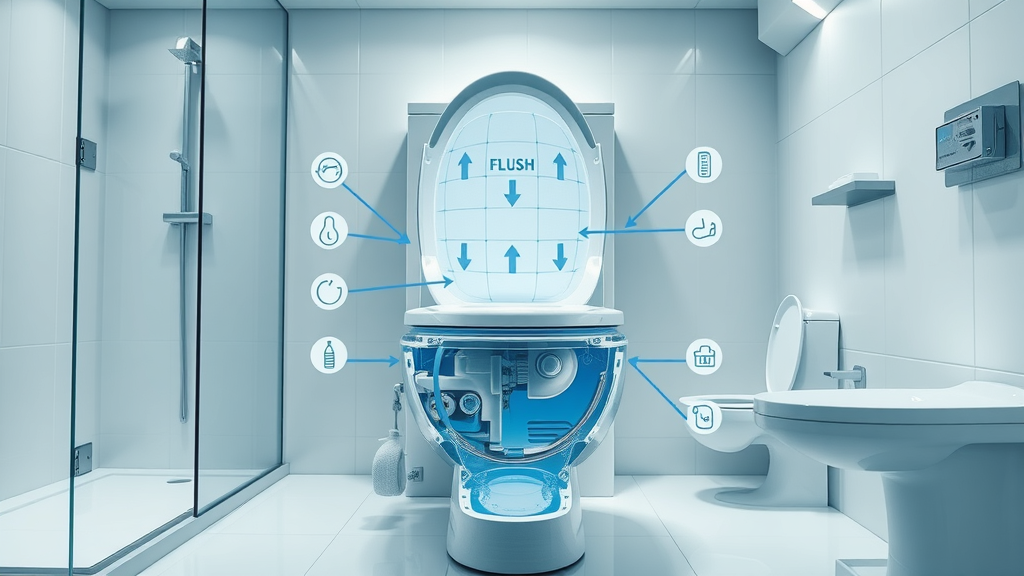
technical diagram of a dual-flush toilet with internal water-saving mechanisms - gallons per flush and water-saving details, efficient fixture
“Investing in water-saving plumbing fixtures not only protects the environment but also leads to significant reductions in utility costs each year.” – Leading Green Building Consultant

How to Select and Install Water-Saving Plumbing Fixtures at Home

  • Guide to evaluating your home’s current plumbing fixtures for water efficiency
  • Tips for selecting WaterSense labeled and water-saving options
  • Best practices for DIY installation versus hiring a professional

Choosing the right water-saving plumbing fixtures for your home begins with a thorough assessment. Look for old or high-flow models in your bathrooms and kitchen—these are prime candidates for upgrades. Check the manufacturer’s details for flow rate and gallons per flush . Even if a fixture still works, it may be costing you in wasted water and higher utility bills. Prioritize replacement in areas with the most frequent use. When shopping, always look for the WaterSense label —this ensures you’re picking a fixture that meets EPA standards as listed on the official website.

When it comes to installation, many water-saving solutions can be handled DIY-style with basic tools and a little patience. Instructions are usually clear, and manufacturers’ guides (often available on the gov website) make the process straightforward. However, some situations (like complicated hot water heater installations) are best left to professionals to avoid leaks, damage, or voided warranties. Weigh the complexity, your own skill level, and the importance of a secure, lasting installation. A trusted specialist, such as Ed Serrell Plumbing and Heating, can deliver expert results and peace of mind.
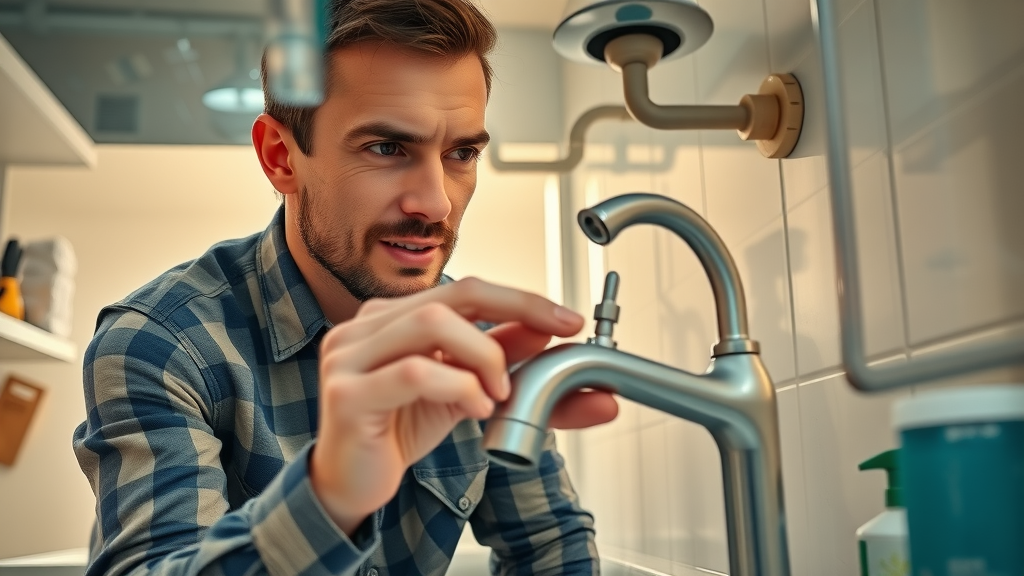
DIY homeowner installing new eco-friendly faucet under sink, emphasizing water-saving plumbing fixture installation in bathroom

Maintenance and Upkeep for Water-Saving Plumbing Fixtures

Routine Checks for Plumbing Fixtures to Maximize Water Saving

  • How maintenance ensures continued efficiency and savings
  • Common troubleshooting for water-saving fixtures

Regular maintenance is crucial for getting the best performance and longest life from water-saving plumbing fixtures . Periodically inspect faucets, toilets, and showerheads for drips, reduced water pressure , or mineral build-up, especially in areas with hard water. Clean or replace aerators and filters as needed—clogs can lead to inefficiency or even defeat the purpose of a low-flow fixture. Leaks, even slow ones, add up to significant waste over a year, so prompt attention preserves both water and money.

Troubleshooting typically includes checking seals and washers, tightening loose connections, and flushing the system to clear blockages. For advanced devices like smart recirculators or electronic sensor faucets, refer to the manufacturer’s instructions or consult a licensed professional for complex diagnostics. A proactive approach means your efficient fixtures keep saving water and reducing your water bills far into the future.

People Also Ask: What Type of Fixtures Use the Least Amount of Water?

  • Ultra-low-flow or WaterSense labeled plumbing fixtures, such as high-efficiency toilets (HET) and low-flow showerheads, typically use the least amount of water. These fixtures are engineered to minimize water usage per cycle or per minute, drastically improving household water-saving capability.

People Also Ask: What Is a Water Conserving Plumbing Fixture?

  • A water conserving plumbing fixture refers to any appliance or fitting designed to minimize water use without sacrificing performance. These include low-flow faucets, dual-flush toilets, and showerheads with optimized flow rates—frequently certified with the WaterSense label.

People Also Ask: What Are the Most Water-Efficient Fixtures?

  • The most water-efficient fixtures include WaterSense labeled dual-flush toilets, low-flow showerheads, high-efficiency faucets, and recirculating water heater pumps. Each is engineered to maximize performance while minimizing water waste.

People Also Ask: What Are the Best Water Saving Devices?

  • The best water saving devices feature advanced water-saving plumbing fixture technology—including faucet aerators, smart irrigation controllers, WaterSense labeled toilets, and tankless water heaters for improved efficiency.

Video: How Water-Saving Plumbing Fixtures Can Instantly Cut Waste (Visual Demonstration)

Check out video content from official EPA partners or green building consultants for a visual walkthrough on selecting and installing water-saving plumbing fixtures. Seeing real-world examples brings the numbers—and the savings—to life.

Lists: Quick Tips to Conserve Water with Smart Plumbing Fixtures

  • Upgrade to WaterSense labeled devices
  • Check and fix leaks regularly
  • Replace old plumbing fixtures with water-saving options
  • Install hot water recirculation systems
  • Educate family members on efficient use

cheerful family in a cozy home practicing water-saving habits with visible water-saving plumbing fixtures, faucets, and toilets

FAQs About Water-Saving Plumbing Fixtures

  • Do water-saving plumbing fixtures impact water pressure? While some may notice a slightly decreased flow in certain models, modern water-saving plumbing fixtures are engineered to maintain satisfying water pressure and performance by optimizing the water flow rather than restricting it unnecessarily.
  • How much can water-saving devices reduce my utility bill? Most homeowners notice a reduction of 20–50% in water-related utility costs after switching to water-saving plumbing fixtures. Annual savings can range from £50 to over £200, depending on property size and number of upgraded fixtures.
  • Are water-saving fixtures compatible with older homes? Yes—most water-saving plumbing fixtures are designed for easy retrofit and compatibility with standard plumbing, though you might require minor adapters or professional help for some older systems.
  • How to recognize a genuine WaterSense labeled product? Look for the blue-and-green WaterSense logo on the packaging and confirm product listings on the EPA’s WaterSense official website to ensure authenticity and performance standards.

The Long-Term Impact: Environmental and Financial Benefits of Water-Saving Plumbing Fixtures

  • How water-saving plumbing fixtures support broader sustainability goals
  • Overview of lifetime cost savings and positive community impacts

Long-term use of water-saving plumbing fixtures supports community and global sustainability, reducing strain on local reservoirs and treatment plants while cutting energy used for water heating and transport. Over a fixture's lifetime, cumulative reductions in water consumption can mean thousands in water bill savings and a significant contribution toward environmental preservation and resilience.

Video: Expert Advice on Choosing Water-Saving Plumbing Fixtures for Your Property

Look for expert interviews on the official EPA gov website and industry leader channels to get comprehensive guidance on fixture selection and the most effective installations for your property’s unique needs.

For Personalised Guidance on Water-Saving Plumbing Fixtures – Contact the Experts

  • For expert help or advice from Ed Serrell Plumbing and Heating call 0796 688 4368 , or email info@edsplumbing.co.uk

Conclusion

Take action today by upgrading to water-saving plumbing fixtures, establishing a simple maintenance routine, and consulting an expert for installation guidance to ensure your home or business conserves water and maximizes savings.

Sources

  • EPA WaterSense Program – https://www.epa.gov/watersense
  • U.S. Department of Energy – https://www.energy.gov/energysaver/conserving-water-home
  • Green Building Advisor – https://www.greenbuildingadvisor.com

To further enhance your understanding of water-saving plumbing fixtures and their benefits, consider exploring the following resources:

  • “How To Choose Water Saving Plumbing Fixtures” : This comprehensive guide from This Old House provides detailed insights into selecting efficient toilets, faucets, and showerheads, emphasizing the importance of the WaterSense label and offering practical tips for homeowners. ( thisoldhouse.com )

  • “Water-Saving Plumbing Fixtures – Ben Davis Conservancy District” : This article explores the latest water-saving plumbing fixtures and how upgrading can benefit your home and the environment. ( bdconservancy.com )

By delving into these resources, you’ll gain valuable knowledge on selecting and implementing water-saving plumbing fixtures, leading to significant water conservation and cost savings in your home or business.


Trade Secrets: Eco Edition

49 Views

0 Comments

Write A Comment

*
*
Related Posts All Posts
02.23.2026

How Plumbing Businesses Manage Emergency and Scheduled Work Efficiently

Startling fact: Plumbing emergencies can strike unexpectedly and cause extensive property damage if not resolved promptly. Efficient plumbing emergency management is vital for plumbing businesses to not only address urgent issues but also maintain scheduled work without compromising customer satisfaction. In this comprehensive guide, we delve into how plumbing businesses expertly balance emergency response with planned commercial projects. With insights from Ed Serrell of Edward Serrell Plumbing and Heating Ltd, learn practical approaches and core values to streamline operations, enhance transparency, and build lasting client relationships. What You'll Learn Understanding the nature and urgency of plumbing emergencies The impact of emergency plumbing visits on customers and costs Key business values underpinning effective plumbing emergency management Strategies to balance emergency and scheduled plumbing services efficiently Technological tools improving plumbing work management Common emergency scenarios handled by professional plumbers How to differentiate plumbing business services in a crowded market Best practices and future trends in managing plumbing emergencies FAQs addressing common customer concerns related to plumbing emergencies Image Description: Startled homeowner witnessing water leak from ceiling in a modern living room, highlighting urgency in plumbing emergency management. Startling Facts About Plumbing Emergencies and Their Impact on Customers Understanding the Urgency: What Qualifies as a Plumbing Emergency? Plumbing emergency management starts with identifying what constitutes an emergency. Typical emergencies include burst pipes, gas leaks, water main breaks, and failing sewer lines—situations that can escalate quickly causing extensive damage or health risks if untreated. Ed Serrell, a plumbing business expert, asserts, "People want to get things done and dusted, especially in emergencies. We strive to be flexible and get there as soon as possible, often same day." This urgency demands rapid response while maintaining operation quality. Plumbing businesses must triage and prioritize emergencies effectively while communicating transparently with customers. Emergency calls often interrupt planned works, presenting a scheduling challenge that requires agility and experienced coordination. The Cost Factor: How Much Is an Emergency Plumbing Visit? Emergency plumbing visits generally command premium fees due to immediate response requirements, off-hours work, and urgency. The pricing model reflects the added risks, need for specialized skills, and sometimes emergency material costs. Customers must be prepared for higher charges, but transparency is key to maintaining trust. Ed explains, "We try to be very reactive so we can get out same day or next day. Some people prefer to get it done quickly rather than shop around, so we emphasize value for money through exceptional service and communication." Core Business Values Driving Effective Plumbing Emergency Management Mission and Vision: Prioritizing Same-Day Response and Customer Satisfaction The mission of a successful plumbing business revolves around swift, reliable response and consistent customer care. According to Ed Serrell of Edward Serrell Plumbing and Heating Ltd, the commitment to same-day responses reflects an understanding that plumbing issues disrupt lives. The goal is to restore order efficiently while fostering client comfort and confidence. The vision focuses on harmonizing emergency responsiveness with planned work, ensuring flexible job management without sacrificing quality, and building long-term relationships through trust and transparency. Key Principles: Integrity, Transparency, and Communication in Plumbing Services Integrity and transparency form the backbone of effective plumbing emergency management . Keeping customers informed about pricing, job progress, and any unforeseen costs nurtures positive client relations. Ed's company places emphasis on clear communication, sharing: "We like to think we're value for money, ensuring clients are well-informed throughout, including any additional costs." Image Description: Professional plumber shaking hands with a satisfied client at home, symbolizing trust and integrity in plumbing emergency management. Balancing Emergency Plumbing and Scheduled Plumbing Services Juggling Emergency Plumbing and Planned Commercial Work Efficiently Balancing unforeseen emergency calls amid scheduled commercial projects demands dynamic scheduling and operational flexibility. Plumbing businesses like Edward Serrell Plumbing and Heating Ltd employ strategic rescheduling by their office teams and rely on a reliable and skilled workforce ready to adjust priorities as situations arise. This juggling act requires efficient delegation and time management ensuring no client feels overlooked while preserving service quality across both emergency and scheduled work. For plumbing professionals looking to further optimize their workflow, exploring best practices in hot water cylinder installation and repair can provide additional insights into managing both urgent and routine service calls efficiently. Using Technology to Streamline Plumbing Emergency Management Technology plays a pivotal role in modern plumbing emergency management. Digital scheduling apps, real-time job tracking, and cloud-based communication platforms empower both field engineers and office staff. Plumbers access timely updates, resource needs, and customer details from devices like tablets, supporting rapid dispatch and effective field management. Ed describes this shift: "We've moved from pen-and-paper booking to integrated digital systems on iPads, connecting engineers and the office for streamlined quoting, invoicing, and job tracking." Image Description: Focused plumber using a tablet to coordinate emergency and scheduled plumbing services via a digital management system. Target Audience and Customer Engagement in Plumbing Emergency Management Ideal Customers: Domestic and Commercial Clients with Emergency Needs Plumbing businesses serve a diverse clientele—both residential customers facing urgent home plumbing failures and commercial properties requiring planned maintenance and emergency readiness. Ed highlights the dual focus: domestic clients value quick fixes and transparency, whereas commercial clients engage for ongoing contracts and planned work. This duality requires adaptive service models accommodating immediate response alongside scheduled upkeep, optimized for each customer type’s unique requirements. Customer Communication: Transparent Pricing and Follow-Up for Plumbing Services Clear communication regarding pricing and process expectations fosters trust and repeat business. Providing estimates before service, explaining potential variable costs, and following up post-service ensures customers feel valued and informed. Ed mentions, "We explain pricing clearly from start to finish, and make sure customers understand what to expect, which encourages positive reviews and repeated business." Image Description: Friendly plumber discussing pricing details with a customer, emphasizing transparency in plumbing emergency management. Common Plumbing Issues and Emergency Scenarios Handled by Plumbing Businesses Typical Plumbing Emergencies: Gas Leaks, Water Main Breaks, and Sewer Line Failures Plumbing emergency management necessitates readiness to tackle critical issues like gas leaks, which pose safety hazards, water main breaks that can flood properties, and sewer line failures that affect sanitation. Such emergencies demand expert inspection, rapid intervention, and proper equipment. Image Description: Alert plumber handling a water main break emergency with proper safety and equipment in an outdoor residential setting. Handling Hot Water and Water Heater Emergencies Efficiently Emergency issues with hot water supply, such as leaking or malfunctioning water heaters, can disrupt daily living. Expert plumbers quickly diagnose and fix these challenges while minimizing inconvenience to customers. This is a key component of comprehensive plumbing emergency management to maintain essential services. Image Description: Professional plumber repairing a leaking water heater in a residential bathroom, highlighting emergency plumbing repair work. Differentiating Plumbing Services in a Competitive Market Standing Out from Competitors: Personalized Service vs. Nationwide Companies In a fragmented plumbing market, small businesses differentiate themselves through personalized, relationship-focused service. Ed Serrell shares, "We prefer to stay under the radar and let our work speak for itself rather than bragging. Personal relationships with customers are key." This approach contrasts with nationwide providers where personal touch can be lost amidst scale. Clients often value knowing the team, consistent quality, and transparent dealings above flashier large-scale marketing or bigger company promises. Leveraging Commercial Contracts and Flexible Pricing Models Creating secure revenue streams through commercial contracts is a strategic advantage. Negotiating fair but competitive bids, maintaining flexibility in pricing, and efficient project management allows smaller plumbers to thrive without exorbitant overheads. This ensures continued business growth alongside emergency management capabilities. Image Description: Plumbing team collaborating on commercial contracts, demonstrating business strategy in plumbing emergency management. Best Practices for Managing Plumbing Emergencies Step-by-Step Emergency Plumbing Management: From Leak Detection to Resolution Effective emergency management follows a precise process: prompt leak detection, safety assessment, containment of damage, swift repair, and post-service customer communication. Each step demands expertise and structured workflows to minimize disruption and guarantee durable repairs. Training skilled engineers and maintaining equipment readiness are essential. Office staff coordination helps reschedule non-urgent jobs, preventing service degradation across the board. Avoiding Common Mistakes: Why DIY Repairs Can Worsen Plumbing Emergencies DIY interventions often exacerbate plumbing emergencies due to inexperience and improper tools. Homeowners attempting fixes may miss critical safety hazards, leading to costly damage. Plumbing professionals advise relying on certified experts who can handle complex emergencies with assured outcomes. Business Evolution and Future Trends in Plumbing Emergency Management Adapting to Industry Changes: Renewable Energy and Heat Pump Integration The plumbing industry is evolving with the gradual shift away from gas boilers toward renewable technologies such as heat pumps and air source heating. Businesses committed to staying abreast of training and accreditation will better serve future market demands. Ed notes, "We anticipate needing engineers trained in air source and heat pumps as these technologies become more mainstream." Maintaining Team Consistency and Business Processes for Reliable Service Strong business processes and a dependable team underpin sustained plumbing emergency management excellence. Ed emphasizes investing in capable staff who uphold core values and operational procedures even in the owner's absence, ensuring reliability and service consistency. People Also Ask: Addressing Common Questions About Plumbing Emergencies What qualifies as a plumbing emergency? Plumbing emergencies include sudden leaks, gas leaks, water main breaks, sewer backups, and any situation threatening health, sanitation, or causing significant property damage. How much is an emergency plumbing visit? Emergency plumbing visits typically cost more due to urgency, off-hours service, and rapid mobilization, with prices varying based on the problem's complexity and location. Can I call out of work because of plumbing issues? If a plumbing emergency affects your home’s habitability or poses safety concerns, it may justify calling out of work. Employers generally understand emergencies, but communication is essential. How do you handle emergency plumbing? Handling emergency plumbing involves prompt assessment, containment, repair, and follow-up to ensure that the issue is fully resolved and customers are satisfied. Key Takeaways: Essential Insights on Plumbing Emergency Management Comparison of Emergency vs Scheduled Plumbing Services: Response Time, Cost, Customer Impact Aspect Emergency Plumbing Services Scheduled Plumbing Services Response Time Typically Same Day or Within Hours Planned in Advance, Often Weeks Ahead Cost Higher Due to Urgency and After-Hours Standard Pricing, Usually Lower Customer Impact High Stress and Urgency Lower Stress, Predictable Scheduling Conclusion: Building a Resilient Plumbing Business Through Effective Emergency Management Summary of Strategies and Expert Advice from Ed on Plumbing Emergency Management Successful plumbing emergency management requires a blend of core business values such as integrity, transparency, and responsive communication. Emphasizing same-day response coupled with strategic scheduling allows businesses like Edward Serrell Plumbing and Heating Ltd to excel both in emergencies and planned work. Investing in technology, nurturing skilled teams, and maintaining customer-centric service differentiate small businesses from larger competitors. Ed Serrell highlights the indispensable role of hard work and consistency: You can never work too hard. Keeping your head down and working hard is the key to success in plumbing emergency management. This ethos fosters resilience and customer loyalty, laying a foundation for long-term success. For plumbing professionals and homeowners alike, understanding the broader context of sustainable plumbing can unlock even greater value. If you’re interested in how eco-friendly techniques can reduce water waste and support long-term efficiency, explore our guide on sustainable plumbing techniques to save water fast . Discover how integrating these strategies with robust emergency management can future-proof your plumbing business and deliver exceptional results for every client. Call to Action Book an Expert Interview for Your Business: Click here Managing plumbing emergencies effectively is crucial for minimizing damage and ensuring safety. The article “Emergency Preparedness: How to Handle Unexpected Plumbing Issues” provides a comprehensive guide on creating a plumbing emergency response plan, including assessing potential risks, training staff on emergency procedures, and establishing water shutoff protocols. ( servestars.com ) Additionally, “Emergency Plumbing Preparedness for Commercial Buildings” emphasizes the importance of routine plumbing inspections and proactive leak prevention strategies to reduce the risk of severe damage and costly repairs. ( theseverngroup.com ) If you’re serious about enhancing your plumbing emergency management, these resources offer valuable insights and practical steps to safeguard your property.

02.16.2026

Understanding the Value Proposition in Plumbing Services: Why Price Isn’t Everything

What Truly Defines Plumbing Service Value Beyond Just Price? When faced with a plumbing issue, is the lowest cost really the smartest choice? Or do quality, trust, and timely service shape what customers truly value? In this article, we explore why plumbing service value is much more than just dollars and cents, drawing on expert insights from Ed Serrell of Edward Serrell Plumbing and Heating Ltd. Prepare to reconsider how you measure the worth of plumbing services. What You'll Learn The core principles that shape plumbing service value How plumbing businesses balance cost, quality, and customer satisfaction Key differentiators that set successful plumbing companies apart Understanding overhead costs and their impact on pricing Insights from an experienced plumbing business owner on managing value and growth Defining Plumbing Service Value: More Than Just a Price Tag What Constitutes Plumbing Service Value? Understanding plumbing service value means appreciating all the factors that contribute to a customer's overall satisfaction. It's not about offering the cheapest option but providing reliable, transparent, and high-quality service throughout the customer's journey. Ed Serrell, owner of Edward Serrell Plumbing and Heating Ltd, explains, “We're not the cheapest company out there, but we like to think that we offer value for money through transparent communication and quality service from booking to job completion.” This emphasis on integrity and clear communication helps clients feel confident, reinforcing that value is a holistic experience, not just a price point. The Role of Customer Experience in Plumbing Service Value Customer experience is central to defining plumbing service value . From the initial phone call to the final handshake, every step matters. Plumbing emergencies demand swift responsiveness without compromising quality. Ed highlights that flexibility and reactivity — “getting out same day or next day” — are critical in earning customer trust and satisfaction. This responsiveness differentiates a valued service beyond simply an hourly rate or quote. For those looking to further refine their approach to customer care and operational excellence, exploring plumbing trade best practices every pro should know can provide actionable strategies to elevate service standards and build lasting client relationships. Balancing Emergency Responsiveness and Planned Work Balancing reactive emergency plumbing with planned commercial projects shapes how value is delivered. The challenge lies in juggling scheduled work while remaining available for urgent calls. Ed describes the constant rescheduling and prioritization necessary to meet client needs effectively. This operational flexibility ensures that plumbing service value supports customers' unpredictable circumstances, fostering dependability and trust. Core Business Values and Their Impact on Plumbing Service Value Integrity, Honesty, and Transparency as Business Pillars At the heart of exceptional plumbing service value are unwavering core values. Ed Serrell remarks, “Integrity and honesty are key. We stay realistic and avoid exaggeration, which builds trust with our customers and differentiates us in a fragmented market.” This honest approach helps customers feel secure when choosing services, creating long-term loyalty even in markets crowded with options. The Importance of Teamwork and Consistency in Service Delivery Delivering consistent plumbing service value depends on teamwork. Reliable, well-trained engineers and coordinated office staff ensure seamless communication and service execution. This consistency across all customer touchpoints fortifies the company's reputation and meets customer expectations repeatedly, which is indispensable for sustainable business growth. Understanding Overhead Costs and Their Influence on Pricing Common Overhead Costs in Plumbing Businesses Typical Overhead Costs Affecting Plumbing Service Value Overhead Category Description Staff Wages Payment to engineers, administrative and support personnel Vehicle Maintenance Upkeep of plumbing vans and transportation costs Office Expenses Rent, utilities, office supplies and technology infrastructure Technology Investments Booking systems, invoicing software, and communication tools How Overhead Costs Affect Hourly Rates and Profit Margins Understanding overhead is crucial for setting hourly rates that balance business sustainability with customer affordability. Higher overheads necessitate higher charges, but they also support better equipment, better-trained teams, and efficient service delivery — all contributing to enhanced plumbing service value . Without prudent management, profitability can erode, impacting service quality and company viability. Why Transparent Pricing Matters to Customers Transparent pricing is a cornerstone of perceived plumbing service value . Ed emphasizes upfront communication about costs and potential additional fees, ensuring customers are never surprised. This transparency fosters trust, which is often the deciding factor when client choose between competing plumbing services. Target Audience and Customer Base: Who Values Plumbing Services Most? Domestic vs Commercial Customers: Different Needs and Expectations The plumbing service value perceived by domestic and commercial clients varies significantly. Domestic customers often prioritize emergency responsiveness and trustworthiness for ongoing maintenance, while commercial clients focus on contractual reliability, compliance, and scheduled work efficiency. Ed shares that his company’s commercial engagements often involve planned work within larger building projects, demanding specialist skills and certifications, whereas domestic work requires rapid, flexible response. The Role of Repeat Customers and Referrals in Business Growth Repeat business and referrals are a testament to lasting plumbing service value . Ed notes, “A happy customer tends to be a preferred customer. We get a lot of repeat business and referrals, which speaks to the value we provide beyond just price.” By focusing on quality and reliability, a plumbing company builds a strong, loyal customer base that grows organically over time. Engagement Channels: How Customers Connect with Plumbing Services Most of Ed’s business comes via word-of-mouth and referrals, which align with his company’s focus on personal service rather than heavy advertising. Some traditional older customers still prefer payments by check at their offices, reinforcing the importance of understanding and catering to diverse customer preferences to maintain perceived value. Differentiating Your Plumbing Business in a Competitive Market Unique Selling Points of Small Plumbing Businesses Small plumbing businesses like Edward Serrell Plumbing and Heating Ltd differentiate themselves through personalized customer care and flexibility. Known personally by the team, customers receive individualized attention often lost in bigger companies. This personal touch cultivates trust and sets smaller firms apart in a fragmented and competitive marketplace. Competing Against Nationwide Plumbing Companies Ed highlights the challenge of maintaining personal relationships while competing against large national firms. He shares, “We maintain a personal touch that large companies often lose. Knowing every team member and staying close to our customers is a key differentiator.” This personalized service builds loyalty and high perceived value that price alone cannot match. Leveraging Commercial Work to Enhance Business Valuation Commercial plumbing jobs, often requiring tenders against competitors, offer opportunities for business growth and increased valuation. Smaller companies may win business by offering competitive pricing coupled with strong service reliability — leveraging lower overheads and agility to execute large projects effectively, reinforcing their value proposition in the commercial sector. Pricing Strategies: Understanding Hourly Rates and Profit Margins How Hourly Rates Are Calculated in Plumbing Services Hourly rates in plumbing services consider staff wages, overhead costs, materials, and desired profit margins. Ed explains that in their company, customers typically pay hourly rates plus materials with a margin, ensuring fair compensation for labor and expenses. Accurate pricing is vital to sustain quality service while remaining competitive. The Challenge of Balancing Profitability and Customer Satisfaction Striking the right balance between profitability and customer satisfaction is complex. Some jobs are more profitable than others due to varying complexity, materials, and client expectations. Ed reflects on how properly estimating job difficulties while maintaining transparent pricing prevents surprises and nurtures trust, a key element in high plumbing service value . Why Some Jobs Are More Profitable Than Others Comparison of Plumbing Job Types, Rates, and Profitability Job Type Average Hourly Rate Profit Margin Emergency Repairs $75 - $120 Low to Medium Routine Maintenance $60 - $100 Medium Commercial Installations $80 - $130 Medium to High Bathroom Renovations $70 - $110 Low (often break even) Common Misconceptions About Plumbing Service Value Price vs Quality: Why Cheapest Isn’t Always Best The lowest price often leads to costly issues down the road. Cutting corners can cause poor workmanship, leading to expensive repairs. True plumbing service value embraces a balance of cost and quality, ensuring durable solutions and peace of mind. The Hidden Costs of Poor Plumbing Work Poorly executed plumbing can result in water damage, health risks, and increased utility bills. Ed has witnessed cases where bad installations led to long-term issues, underscoring that “you get what you pay for” holds true in this trade. Investing in quality may save customers money and stress over time. The Importance of Trust and Reputation in Plumbing Services In such a vital service, trust is paramount. Ed shares that reputation built on honesty and integrity can outweigh price sensitivity, as customers feel safer hiring businesses known for dependable work and clear communication. Reputation fuels repeat business and referrals, the lifeblood of sustained plumbing service value . Actionable Tips for Maximizing Plumbing Service Value Communicate transparently: Always keep customers informed about pricing and job progress to build trust. Invest in training: Stay ahead with industry accreditations and technical skills to deliver expert service. Flexible scheduling: Balance emergency responsiveness with planned work to meet diverse customer needs efficiently. Build relationships: Focus on long-term client satisfaction beyond a single job. Leverage technology: Use apps and systems for smoother operations and improved customer experience. People Also Ask (FAQs) How do I value my plumbing company? Valuing a plumbing company involves assessing its profitability, customer base, reputation, and physical assets. Understanding your plumbing service value internally and externally helps in accurate valuation, often including recurring contracts and growth potential. What is the going rate for plumbing work? Rates vary by region and job complexity but commonly range from $60 to $130 per hour. Commercial work tends to command higher rates due to specialized skills and insurance requirements. Are plumbing service plans worth it? Service plans can provide peace of mind and scheduled maintenance, often reducing emergency repairs. They add value by offering consistent care to plumbing systems at predictable costs. What is a good profit margin for plumbing? A typical profit margin for plumbing services ranges from 10% to 20%, balancing competitive pricing with sustainable business health. Key Takeaways Plumbing service value encompasses quality, reliability, and exceptional customer experience beyond price. Integrity and transparent communication foster trust, essential for repeat business and referrals. Understanding and managing overhead costs ensure fair pricing and sustainable profitability. Small plumbing businesses thrive by offering personalized service and strong customer relationships. Continuous learning and adapting to industry trends secure long-term success. Conclusion: Embracing a Holistic View of Plumbing Service Value Ed Serrell eloquently concludes, “You can never work too hard. Hard work, integrity, and a focus on customer satisfaction have been the foundation of our plumbing business value.” True plumbing service value is a combination of craftsmanship, transparent pricing, responsive customer care, and trustworthiness. By embracing this holistic approach, plumbing businesses can create lasting relationships that transcend simple cost comparisons, ensuring success both for clients and companies alike. If you’re interested in taking your plumbing business to the next level, consider exploring trade secrets for sustainable plumbing and heating . This resource dives deeper into advanced strategies and industry insights that can help you future-proof your services, boost customer loyalty, and drive long-term growth in a competitive market. Call to Action Book an Expert Interview for Your Business : Learn how to enhance your plumbing service value and grow your business smartly. To deepen your understanding of plumbing service value, consider exploring the following resources: “Breaking Down the Lifetime Value of a Plumbing Customer (and How to Increase It)” ( callconley.com ) This article provides insights into calculating and enhancing the lifetime value of plumbing customers, emphasizing factors like average service call value, service frequency, and customer relationship duration. “6 Critical Ways Your Plumbing Company Can Show Value to Your Customer” ( serwiz.com ) This piece outlines strategies for plumbing companies to demonstrate value, including understanding customer perspectives, effective communication, and personalized service. If you’re serious about enhancing your plumbing service value, these resources offer practical strategies and insights to help you build stronger customer relationships and improve your business’s profitability.

02.02.2026

The Role of Technology in Modern Plumbing Business Operations

Startling Fact: Over 70% of small plumbing businesses now use specialized plumbing business software to streamline operations, transforming how they schedule jobs, manage costs, and serve their customers effectively. This digital transition is no longer optional but an essential driver for success in the plumbing industry. Startling Facts About Plumbing Business Technology Adoption Over 70% of small plumbing businesses now use specialized plumbing business software to streamline operations. Mobile apps have increased same-day service response rates by 40% in plumbing service companies. Companies integrating plumbing software report up to 25% improvement in job cost management. Image description: Modern professional plumbing business team gathered around laptops and tablets, reviewing data analytics dashboards in a bright office environment, engaging with plumbing business technology to optimize operations. Overview of Plumbing Business Technology Defining Plumbing Business Technology and Its Importance Plumbing business technology encompasses an array of digital tools including specialized plumbing software, integrated business software, and mobile applications designed to streamline the complex operational processes in modern plumbing companies. These technologies allow businesses to manage everything from job scheduling and dispatching to invoicing and cost tracking with enhanced accuracy and efficiency. Ed Serrell, of Edward Serrell Plumbing and Heating Ltd, emphasizes, “Having the right business software and plumbing software is essential to keep up with the demands of both domestic and commercial clients.” This transformation from traditional pen-and-paper methods to digital platforms marks a pivotal evolution, empowering plumbing businesses to remain competitive and deliver prompt, reliable service in an increasingly fast-paced market. Image description: Futuristic sci-fi depiction of plumbing software digital elements floating around a blueprint, highlighting the importance of plumbing business technology in modern operations. Key Components: Plumbing Software, Business Software, and Mobile Apps How Plumbing Software Enhances Job Cost and Field Service Management At the heart of plumbing business technology is dedicated plumbing software that improves job cost management by providing precise tracking of labor, materials, and time spent on each project. This integration enables plumbing businesses to avoid costly overruns and improve profitability. Additionally, field service management features track engineers’ locations, job status, and real-time updates, streamlining workflow and enhancing productivity on-site. Image description: Cinematic image of a plumber utilizing digital field service software to analyze job costs, demonstrating plumbing business technology in action. Role of Mobile Apps in Scheduling and Customer Service Mobile applications form an indispensable part of plumbing business technology by facilitating immediate communication between office staff, field technicians, and customers. These apps allow plumbers to access schedules, update job status in real-time, and collect customer feedback promptly, thereby boosting same-day response rates and customer satisfaction. Clients benefit from transparent communication, receiving updates and quotes quickly – an operational advantage that distinguishes modern plumbing businesses. For plumbing professionals looking to further refine their operational approach, exploring plumbing trade best practices can provide actionable insights that complement the advantages of business technology, ensuring both efficiency and quality remain at the forefront of service delivery. Benefits of Plumbing Business Technology for Small Plumbing Companies Improved Job Cost Accuracy and Profitability Small plumbing companies leveraging plumbing business technology achieve significant improvements in job cost accuracy by eliminating human errors and manual inconsistencies in quoting and invoicing. Real-time dashboards and financial tracking tools empower business owners to monitor profitability closely and adjust pricing or procedures as required to maximize margins. Image description: Financial documents and a laptop displaying a plumbing invoice screen are essential tools used alongside plumbing business technology for improved profitability. Enhanced Customer Management and Communication Effective customer management systems embedded in plumbing software ensure timely follow-ups, reminders, and personalized service, building stronger client relationships. Through technology, companies maintain comprehensive customer records and service histories, enabling quick resolution of issues, reinforcing trust and repeat business. Streamlined Plumbing Job Scheduling and Dispatching Plumbing business technology automates scheduling and dispatch processes, assigning jobs effectively to technicians based on location, skill set, and availability. This automation reduces downtime, ensures a balanced workload, and increases service capacity, directly impacting customer retention and operational cash flow. Image description: High fidelity image showing mobile apps designed for job follow-ups and customer feedback in modern plumbing business technology. Expert Insights on Integrating Plumbing Business Software Ed Serrell, a seasoned expert from Edward Serrell Plumbing and Heating Ltd, shares his experience: “Transitioning from pen and paper to a digital system was challenging but necessary. It has transformed how we manage quoting, invoicing, and job tracking.” His insights highlight how embracing plumbing business technology leads to improved operational clarity and efficiency despite initial adoption hurdles. Image description: 2D cartoon style illustration comparing chaotic paper-based system versus organized digital plumbing business system, showing benefits of plumbing business technology. Choosing the Right Software Solution for Your Plumbing Business The market offers numerous plumbing business technology solutions tailored to various business sizes and needs. The key to successful adoption is selecting software that balances core functionality—such as cost management, scheduling, and customer communication—with user-friendly interfaces. Ed Serrell advises focusing on how well the software integrates with existing processes and scales with business growth. Image description: Business owner compares plumbing software solutions on multiple monitors, uncovering the best fit for integrating plumbing business technology effectively. Training and Adoption Challenges in Plumbing Business Technology One of the most critical hurdles in implementing plumbing business technology is ensuring that all team members—both field engineers and office staff—are trained sufficiently to use the software proficiently. Resistance to change, especially from seasoned professionals accustomed to traditional methods, can slow down adoption. It requires leadership patience, consistent training sessions, and showcasing tangible benefits to speed acceptance and maximize return on investment. Comparing Plumbing Business Technology Solutions Top Plumbing Software Platforms for Small Plumbing Businesses Popular plumbing software platforms combine features including job scheduling, invoicing, cost tracking, and customer management. Solutions like Jobber, ServiceTitan, and Housecall Pro are well-regarded for supporting small to mid-sized plumbing businesses, integrating mobile access and cloud-based analytics to empower field and office teams alike. Features to Look for in Plumbing Business Software Comprehensive job cost and quoting management Real-time job scheduling and dispatching Mobile app accessibility for field technicians Customer communication and follow-up tools Invoicing and payment processing integration Reporting and analytics for business insights Cost Considerations and ROI of Plumbing Software While initial investment in plumbing business technology software may seem substantial, the return on investment is realized through improved accuracy, increased job efficiency, and enhanced customer retention. Many platforms offer scalable pricing models, allowing plumbing companies to pay based on features used or number of users, making it an affordable long-term business asset. Image description: Tablet displaying employee scheduling within plumbing business technology while plumbers coordinate jobs behind the scenes. Common Challenges and Solutions in Plumbing Business Technology Managing Job Cost and Quoting Accuracy Inaccurate job costing can erode profits significantly. Plumbing business technology helps by providing detailed line-item quoting and tracking all project components meticulously. This enables businesses to account for labor and materials precisely, minimizing losses from underestimates or unexpected expenses. Image description: Plumber reviewing detailed digital cost estimates using plumbing business technology to maintain quoting accuracy. Ensuring Effective Customer Service Through Technology Technology facilitates prompt and transparent customer service, allowing plumbing companies to send proactive updates and receive instant feedback post-service. This leads to stronger trust, positive reviews, and repeat business. Clear communication tools reduce misunderstandings and help quickly resolve any issues that arise. Image description: Plumber shares completed job summary on tablet with a satisfied homeowner in a modern residential setting. Overcoming Resistance to Technology Adoption in Plumbing Businesses Resistance is natural but can be mitigated through demonstrating quick wins from plumbing business technology, such as time savings and easier administrative workflows. Involving staff early in the selection process and providing ongoing training fosters ownership and reduces apprehensions around new systems. Actionable Tips for Implementing Plumbing Business Technology Assess your current business processes and identify pain points. Research and select plumbing business software that fits your company size and needs. Train your team thoroughly to ensure smooth adoption. Leverage mobile apps for real-time job updates and customer communication. Regularly review job cost data to optimize profitability. What You'll Learn The critical components and benefits of plumbing business technology How software and mobile apps improve scheduling, customer management, and job cost accuracy Expert guidance on selecting, adopting, and overcoming challenges with plumbing business software Actionable strategies to enhance your plumbing business operations with technology People Also Ask What technology is used in plumbing? Plumbing technology includes specialized software for scheduling, invoicing, and job cost management, mobile field service apps, digital blueprints, and diagnostic tools, helping plumbers streamline operations and improve service delivery. How much can I make if I own my own plumbing business? Earnings vary widely, but leveraging plumbing business technology to improve efficiency and customer relations can enhance profitability. Many small business owners report steady income growth after integrating digital tools for operational management. Is a plumbing business profitable? Yes, plumbing businesses can be highly profitable, especially when utilizing plumbing business technology to control costs accurately, optimize scheduling, and maintain excellent customer service which drives repeat business. What is the definition of plumbing technology? Plumbing technology refers to the suite of digital tools, software, hardware, and mobile applications used to design, install, manage, and maintain plumbing systems and business operations within the plumbing industry. Key Takeaways Plumbing business technology is essential for modern plumbing companies to stay competitive and efficient. Software solutions improve job cost accuracy, scheduling, and customer service , leading to higher profitability. Mobile apps enable real-time communication and efficient field service management. Adopting technology requires training and overcoming initial resistance , but yields long-term benefits. Choosing the right plumbing software can significantly impact profitability and business growth. Conclusion The journey of integrating plumbing business technology transforms plumbing companies from paper-based operations into agile, data-driven businesses with the power to meet modern customer demands efficiently. As Ed Serrell of Edward Serrell Plumbing and Heating Ltd attests, embracing digital systems for quoting, invoicing, and job tracking is not only a challenge but a necessary evolution that directly contributes to business success, improved customer satisfaction, and sustainable profitability. Whether you’re a small or growing plumbing business, adopting the latest plumbing software and mobile solutions is an investment that pays dividends in productivity, accuracy, and client relationships. Call to Action Ready to elevate your plumbing business operations? Explore the best plumbing business technology platforms today to streamline your scheduling, quoting, and customer communication processes. Contact Edward Serrell Plumbing and Heating Ltd for expert advice on choosing and implementing the right software solution tailored for your business needs. If you’re interested in expanding your understanding of the broader landscape of plumbing and heating services, take a look at this essential guide to plumbing and heating services around Chesterfield . It offers a comprehensive overview of service options, industry standards, and what to expect as you grow your business or seek professional support. By connecting the dots between technology adoption and holistic service excellence, you’ll be better equipped to deliver value, adapt to evolving client needs, and position your company as a leader in the field. Continue your journey toward operational mastery and customer satisfaction by exploring these advanced insights. Incorporating advanced technology into plumbing operations has become essential for enhancing efficiency and customer satisfaction. The article “Plumbing Business: How Tech Is Revolutionizing the Plumbing Industry” ( techbullion.com ) explores how automation, IoT-enabled equipment, and data analytics are transforming traditional plumbing services, leading to increased productivity and cost savings. Similarly, “The Impact Of Technological Advances On Plumbing Services” ( plumbingcircle.com ) discusses the adoption of virtual reality for training, digital billing systems, and customer relationship management platforms, all contributing to streamlined business operations. For plumbing businesses aiming to stay competitive, these resources provide valuable insights into leveraging technology for operational excellence and improved service delivery.

Terms of Service

Privacy Policy

Core Modal Title

Sorry, no results found

You Might Find These Articles Interesting

T
Please Check Your Email
We Will Be Following Up Shortly
*
*
*