


Did you know underfloor heating systems can reduce energy costs by up to 30% compared to traditional heating? Discover how mastering these efficient, comfortable solutions can transform your home’s warmth and lower your bills. This comprehensive guide will walk you through the core principles, installation methods, and energy-saving advantages of underfloor heating. Whether you're considering a new build or retrofit, expert Jamie Alberts from Peak Underfloor Heating shares practical insights to help you make informed decisions.
What You'll Learn
The fundamentals of underfloor heating systems and how they work
Differences between underfloor heating and traditional radiator systems
Installation methods for new builds and retrofit projects
Energy efficiency benefits and cost-saving potential
Expert insights from Jamie Alberts of Peak Underfloor Heating
Common misconceptions and practical tips for homeowners
Overview of Underfloor Heating Systems
Underfloor heating systems are heating solutions where the floor itself acts as the primary heat emitter, providing warmth evenly throughout a room. Unlike conventional systems that rely on radiators mounted on walls, underfloor heating distributes heat across the entire floor surface, creating a comfortable, consistent environment. This concept, while seeming modern, actually has roots stretching back decades in the UK, becoming more popular for schools, public buildings, and residential properties over the years.
Typical underfloor heating setups include various key components such as insulation to limit heat loss, pipework or electric mats to generate warmth, screed to encapsulate heating elements, and the final floor finishes. These elements work cohesively to maximize heat retention and efficiency. Jamie Alberts, of Peak Underfloor Heating, explains, The ethos of underfloor heating is that the floor itself becomes the radiator, providing a more even and efficient heat distribution compared to traditional radiators.

Diagram showing the layers of an underfloor heating system in a contemporary home setting.
Definition and basic concept of underfloor heating systems
Historical context and evolution of underfloor heating in the UK
Common applications: residential, commercial, and public buildings
Key components: insulation, pipework, screed, and floor finishes
How Underfloor Heating Systems Work
Underfloor heating relies heavily on principles of thermal mass and heat retention. Essentially, the heat is stored within the floor, usually cast in screed or embedded within the joisted floor structure, which then radiates heat slowly and evenly into the room. Operating temperatures for these systems typically range between 40 and 50°C, significantly lower than traditional radiators, which often run at 60 to 70°C.
Control is another critical aspect of underfloor heating, with thermostats installed in each room allowing for precise temperature regulation. This enables the system to maintain a steady, low-level heat throughout the day rather than the intermittent and sometimes fluctuating heat from radiators. This approach results in a more consistent and comfortable temperature that many homeowners find preferable.
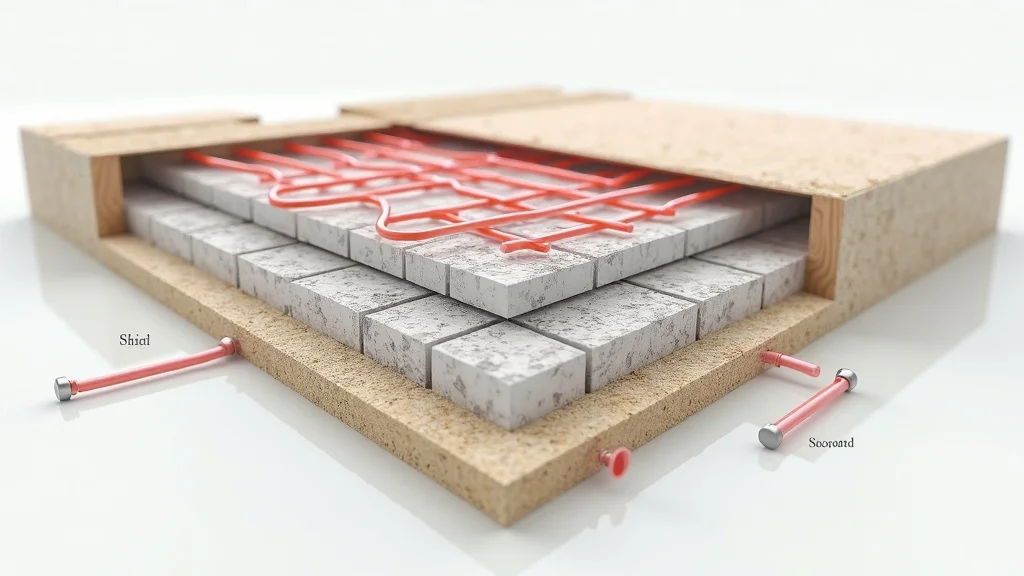
Exploded view of underfloor heating installation layers illustrating insulation, heating pipes, screed, and floor finish.
Thermal mass and heat retention principles
Typical operating temperatures (40-50°C) versus radiators (60-70°C)
Control mechanisms: thermostats and room-by-room temperature regulation
Continuous low-level heating versus intermittent radiator heating
For those interested in the practicalities of setting up a system, a detailed step-by-step guide to underfloor heating installation can provide further clarity on the process, from preparation to final checks. You can explore this comprehensive walkthrough at underfloor heating installation: your step-by-step guide.
Comparing Underfloor Heating Systems with Radiators
One of the most obvious differences between underfloor heating systems and traditional radiators is the space they require. Radiators take up wall space and can limit furniture placement — a problem many homeowners face in modern homes where every square metre counts. Underfloor heating, being hidden beneath the floor, frees up walls and offers more flexible interior design options.
In terms of comfort, underfloor heating provides a more uniform warmth. Jamie Alberts notes, Underfloor heating provides a constant flat line of heat, which can be more comfortable and efficient than the up-and-down heat cycles of radiators. This means rather than experiencing a blast of heat that fades quickly, underfloor heating maintains a stable room temperature optimally suited to daily living.

Installation detail of underfloor heating pipework and insulation during a residential construction phase.
Space-saving benefits: no wall-mounted radiators
Comfort and heat distribution differences
Energy efficiency and running cost comparisons
Heat-up and cool-down times: slower but more stable with underfloor heating
Installation Methods for Underfloor Heating Systems
Installing underfloor heating varies depending on whether the project is a new build or a retrofit. For new builds, the preferred method involves laying insulation boards on a block and beam floor, followed by embedding the pipework in a screed layer. This system maximises thermal mass and efficiency, allowing heat to be stored and radiated progressively through the day.
For retrofit projects or upper floors where concrete screeds are impractical, joisted floor systems fitted with aluminum heat spreader plates or specialized insulating boards are common. These plates help distribute heat effectively, although they often require higher water temperatures to operate efficiently compared to screed systems. The choice of floor finish is also vital — it affects the system’s heat output due to varied thermal resistance. Materials like tile or stone conduct heat better than thick carpets.
New build installations: block and beam floors with insulation and screed
Retrofit solutions: joisted floors with aluminum heat spreader plates and specialized boards
Importance of floor finish and resistance in heat output
Design process: site visits, heat loss calculations, and system layout
Design and Control Considerations
Proper system design and control are crucial for an efficient underfloor heating installation. Jamie Alberts highlights the importance of manifold placement and zoning, which involves dividing the heating system into separate loops servicing different rooms or areas. This setup allows individual control, so for example, the kitchen heating loop can be switched off while the living room remains warm.
To prevent unwanted heat transfer, the pipework passing through adjacent zones can be sleeved with insulation to stop heat leaking into rooms where it's not needed. Modern thermostats enable precise temperature control for each room, maximising comfort and efficiency. These systems work especially well combined with low-temperature heat sources like heat pumps, a trend Jamie notes is growing rapidly in new builds.
Manifold placement and zoning for different rooms
Insulating pipes to prevent unwanted heat transfer
Use of thermostats for individual room temperature control
Integration with heat pumps and low-temperature systems
Energy Efficiency and Cost Benefits of Underfloor Heating Systems
Heating System |
Typical Operating Temperature |
Energy Consumption |
Comfort Level |
Space Usage |
|---|---|---|---|---|
Underfloor Heating |
40-50°C |
Up to 30% less energy |
Even, constant warmth |
No radiators, more space |
Radiators |
60-70°C |
Higher energy use |
Variable heat cycles |
Wall-mounted radiators |
Jamie Alberts highlights, Using advanced systems like those from LK International, we can run flow temperatures as low as 30°C, significantly reducing energy bills. Such innovations in underfloor heating technology coupled with appropriate insulation and controls mean homeowners can enjoy both cost-efficiency and comfort.

Energy efficient underfloor heating system managed via digital thermostat for optimal comfort and cost savings.
Common Misconceptions and Challenges with Underfloor Heating Systems
Many homeowners mistakenly believe underfloor heating must run 24/7, leading to concerns about energy usage. In reality, the system operates to keep the temperature within a set range and cycles on only as needed — often for short bursts throughout the day, maintaining a steady warmth. While the heat-up time is slower than radiators, the retained warmth in the floor helps avoid cold swings.
Installation complexity and upfront costs sometimes deter prospective users. However, with an experienced installer like Jamie Alberts, many of these issues are well-managed through careful planning and design. Routine maintenance is minimal but troubleshooting, such as addressing insulation failures or thermostat faults, should be handled by professionals to ensure lasting performance.

Expert technician assisting homeowner with underfloor heating system maintenance and troubleshooting.
Misunderstanding about heating being on 24/7
Longer heat-up times compared to radiators
Concerns about installation complexity and costs
Maintenance and troubleshooting tips
Expert Tips for Homeowners Considering Underfloor Heating Systems
Evaluate floor construction carefully before installation to choose the right system type for your property.
Consider retrofit options if installing underfloor heating in an existing home, with appropriate low-profile boards or panels.
Plan for proper insulation and select floor finishes that complement heat output and efficiency.
Work with experienced installers like Peak Underfloor Heating to ensure professional design, installation, and support.
Understand how control systems work to optimise comfort, such as room-specific thermostats and zoning.
People Also Ask
What are the benefits of underfloor heating systems?
How long does underfloor heating take to warm a room?
Can underfloor heating be installed in existing homes?
Are underfloor heating systems compatible with heat pumps?
What maintenance is required for underfloor heating?
Key Takeaways
Underfloor heating systems offer efficient, even heat distribution and can reduce energy costs by up to 30%.
They require careful design and installation, especially regarding insulation and floor finishes.
Modern systems operate at lower temperatures, making them ideal for integration with heat pumps.
While heat-up times are slower than radiators, underfloor heating provides more consistent comfort.
Choosing experienced professionals like Jamie Alberts and Peak Underfloor Heating ensures optimal results.
Conclusion
Underfloor heating systems represent a modern, energy-efficient alternative to traditional radiators.
With expert design and installation, they can enhance home comfort and reduce heating costs.
Understanding the basics, benefits, and challenges helps homeowners make informed decisions.
For expert help or advice, visit Peak Underfloor Heating.
If you’re looking to take your home’s comfort and efficiency to the next level, it’s worth exploring a wider range of heating solutions tailored to your property’s unique needs. From advanced underfloor systems to modern radiators and smart controls, there are many ways to optimise warmth and energy savings. For a deeper dive into the latest options and expert recommendations, discover more about comprehensive home heating solutions in Chesterfield. This resource can help you make confident, future-ready choices for a cosier, more efficient home.
Expert insights and information provided by Jamie Alberts of Peak Underfloor Heating Ltd.
Sources: https://peakunderfloorheating.com/
Underfloor heating systems offer an efficient and comfortable way to heat your home, providing even warmth and potential energy savings. To deepen your understanding, consider exploring the following resources:
Underfloor heating: This comprehensive article delves into the history, types, and benefits of underfloor heating systems, offering a solid foundation for those new to the concept.
Underfloor heating - Energy Saving Trust: This guide provides practical advice on the costs, installation, and energy efficiency of underfloor heating, helping homeowners make informed decisions.
By consulting these resources, you can gain a well-rounded understanding of underfloor heating systems and determine if they’re the right fit for your home.











Write A Comment