


Are you curious why underfloor heating is becoming the preferred heating system in modern homes? With evolving technology and growing demand for comfort and efficiency, underfloor heating has rapidly gained popularity. This comprehensive guide answers all your pressing questions about underfloor heating—from how it works and its benefits, to installation insights and common troubleshooting tips.

Overview of Underfloor Heating Systems
What is an Underfloor Heating System?
Underfloor heating is a radiant heating method that warms a room through heat emitted from the floor surface. Unlike traditional heating systems such as radiators, which heat the air around them, underfloor heating distributes warmth evenly across a large surface area, creating a cosy environment. The floor itself essentially becomes a large radiator, radiating comfortable heat upwards into the room. Jamie Alberts, of Peak Underfloor Heating Ltd, explains, “Underfloor heating is becoming more common because it offers better efficiency and frees up wall space, making homes more comfortable and modern.”
These systems are particularly suited to modern homes striving for minimalist aesthetics or where wall space is at a premium. Since the floor delivers heat evenly, it reduces cold spots and draughts typically associated with radiator systems.
Types of Underfloor Heating: Water Underfloor Heating vs Electric Underfloor Heating
There are two primary underfloor heating systems: water underfloor heating and electric underfloor heating. Water underfloor heating, often described as 'wet' systems, use heated water circulating through pipes installed beneath the floor surface. This method is highly efficient, especially for larger areas, and works well with modern heat sources such as heat pumps.
Electric underfloor heating systems use electrical cables or mats embedded under the flooring that heat up when powered. These systems are usually easier and quicker to install, making them ideal for smaller rooms or retrofit projects. While electric systems can be more expensive to run on a large scale, they offer precision control and installation flexibility.
For homeowners interested in how underfloor heating fits within the broader context of home heating systems, exploring the central heating system installation process can provide valuable insights into integration, compatibility, and best practices for efficient home comfort.
How Underfloor Heating Systems Differ from Traditional Radiator Heating Systems
Traditional radiator heating relies on hot water circulated through wall-mounted units that warm the air primarily by convection. Radiators heat the area near them quickly but can leave cold corners and require bulky wall space. Conversely, underfloor heating offers thermal mass heating, spreading warmth gradually and evenly across the entire floor surface.
This approach results in a slower but more stable heat-up time, with less heat loss when the system cycles on and off. The concrete or screed floor used in wet underfloor systems retains heat efficiently, lowering running costs. As Jamie Alberts explains, “The floor becomes the radiator. Although heat-up times are slower than radiators, the floor cools less quickly, creating a more constant temperature.”
Benefits of Underfloor Heating Systems
Energy Efficiency and Cost Savings with Underfloor Heating
One of the most compelling advantages of underfloor heating is its energy efficiency. Because it operates at lower water temperatures—typically between 40 and 50 degrees Celsius for wet systems—it requires less energy than radiators that might run at 60–70 degrees Celsius. This lower operating temperature pairs exceptionally well with renewable heat sources like heat pumps, helping reduce carbon footprints and energy bills.
Jamie Alberts shares, “We use a Swedish manufactured system that allows flow temperatures down to 30 degrees, cutting energy bills by around a third compared to traditional systems. This synergy with heat pumps positions underfloor heating at the forefront of modern, green heating technologies.”
Space Saving and Aesthetic Advantages Compared to Radiators

With no need for wall-mounted radiators, underfloor heating frees up valuable wall space, giving rooms a cleaner, more spacious aesthetic. This advantage is particularly noticeable in smaller rooms where radiator placement can limit furniture options.
The system’s invisible presence allows interior design freedom and avoids the accumulation of dust around radiator units, which is a benefit for allergy sufferers. By heating the space from below, rooms maintain a uniform temperature and feel warmer at lower thermostat settings.
Compatibility with Heat Pumps and Modern Heating Technologies
Modern underfloor heating systems are designed to integrate seamlessly with renewable heat sources. Since heat pumps generate heat at lower temperatures, they complement underfloor heating's need for mild water temperatures, ensuring optimal system efficiency and comfort.
Jamie Alberts highlights, “In new builds we work on, about half now use air source heat pumps paired with underfloor heating, blending sustainability with effective heating.” This compatibility supports future-proofing homes against rising energy costs and environmental regulations.
How Underfloor Heating Works: Technical Insights
Thermal Mass and Heat Distribution in Underfloor Heating Systems
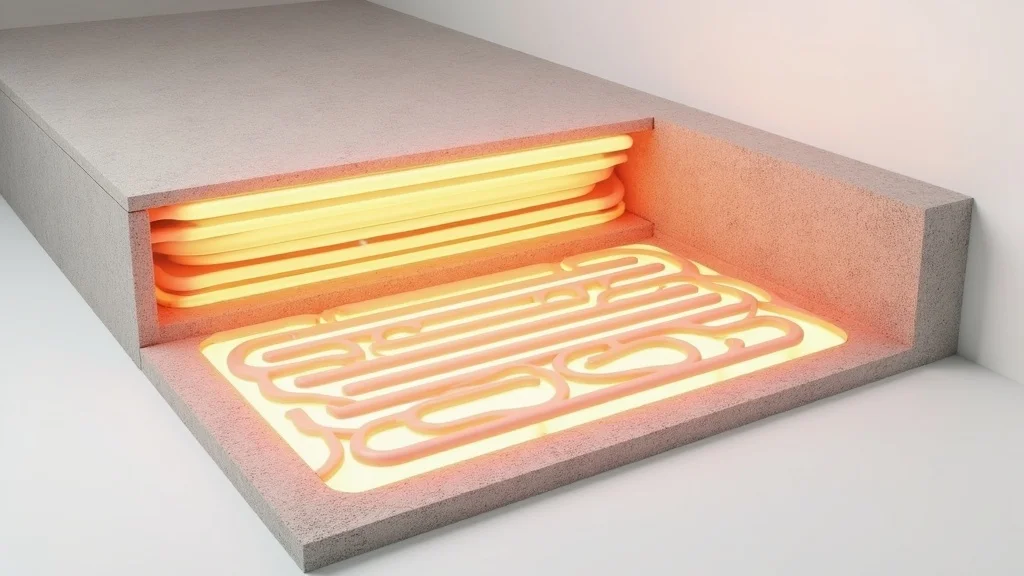
The principle behind underfloor heating centres on the concept of thermal mass. The system typically consists of layers: insulation at the base, plastic piping embedded in a screed layer, and the final floor finish on top. The screed acts as a heat reservoir, storing and evenly radiating warmth across the floor surface.
This stable heat source prevents the rapid temperature fluctuations common with radiators. As the warmth radiates from the floor up, it gently heats occupants and objects in the room, creating a cosy atmosphere without draughts or cold spots.
Typical Operating Temperatures and Control Mechanisms
Unlike radiators that may run at temperatures over 60 degrees Celsius, underfloor heating systems work effectively at lower flow temperatures—generally between 40 and 50 degrees Celsius. This contributes to energy savings and system longevity.
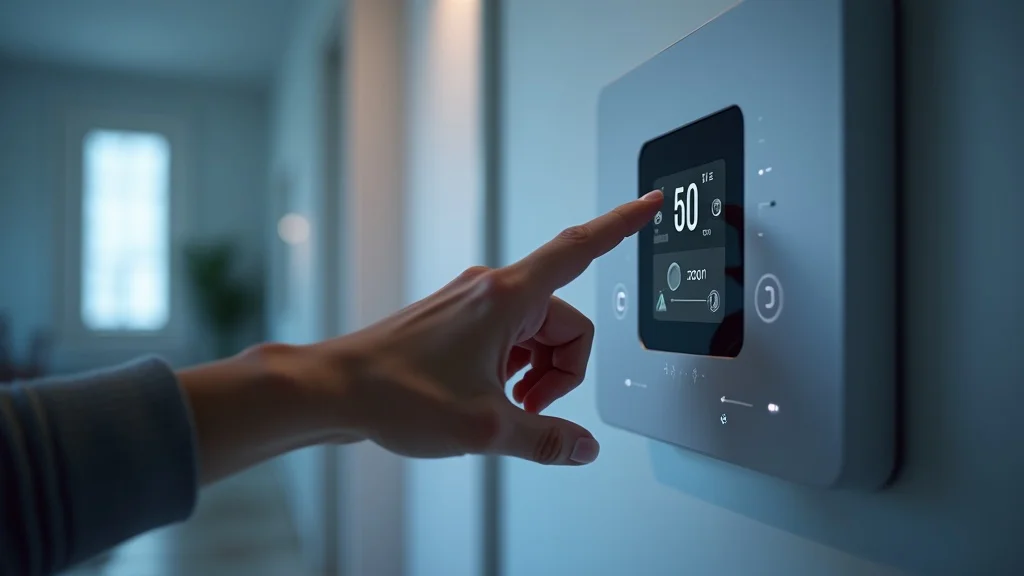
Control is typically via thermostats in individual rooms, allowing precise temperature regulation. Rather than being on or off for long periods, systems cycle briefly to maintain a steady temperature “flatline”. This approach ensures comfort while minimizing energy use.
Design Considerations: Floor Construction and Insulation
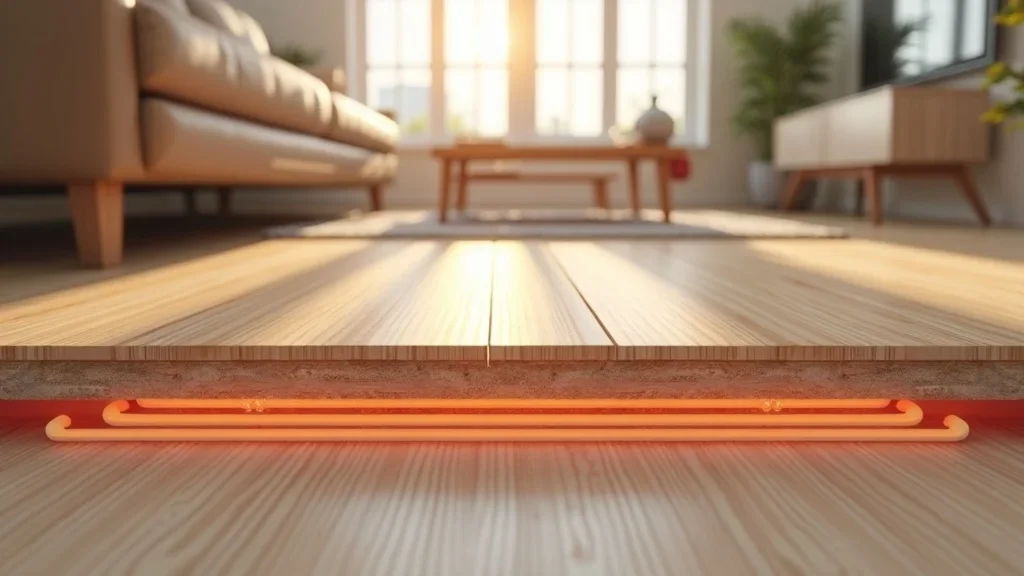
Effective underfloor heating depends heavily on proper floor construction. For new builds, the ideal setup includes insulation boards beneath the pipework to prevent heat loss downwards and a screed layer to encase the pipes. The choice of floor finish—wood, tile, or carpet—impacts heat transfer and must be factored into the design.
In retrofit installations, aluminium heat spreader plates or specialised boards may be used to maximise heat output without a significant floor build-up. Early design and planning consultations are crucial to determine the best system type and layout for the property.
Installation Process and Tools Required for Underfloor Heating
Step-by-Step Installation Overview
Installation begins with a site visit to evaluate the floor construction and plan the system layout. New builds allow embedding pipes within screed, whereas retrofit cases may require surface-mounted systems with slimline panels or mats.
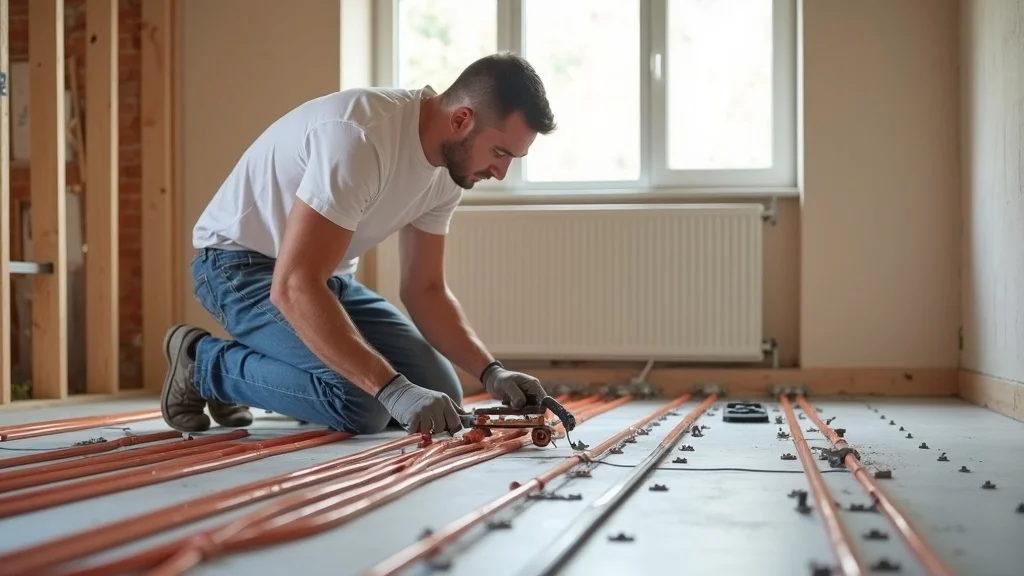
After finalising the design and heat loss calculations, materials such as insulation, pipes, and manifolds are prepared. The pipes are carefully laid and secured according to the design, followed by covering with screed or specialised boards before applying the final floor finish.
Specialist Tools and Equipment Needed
Jamie Alberts notes, “The main specialist tools are pipe staplers and decoilers, which make installation much easier compared to traditional methods.”
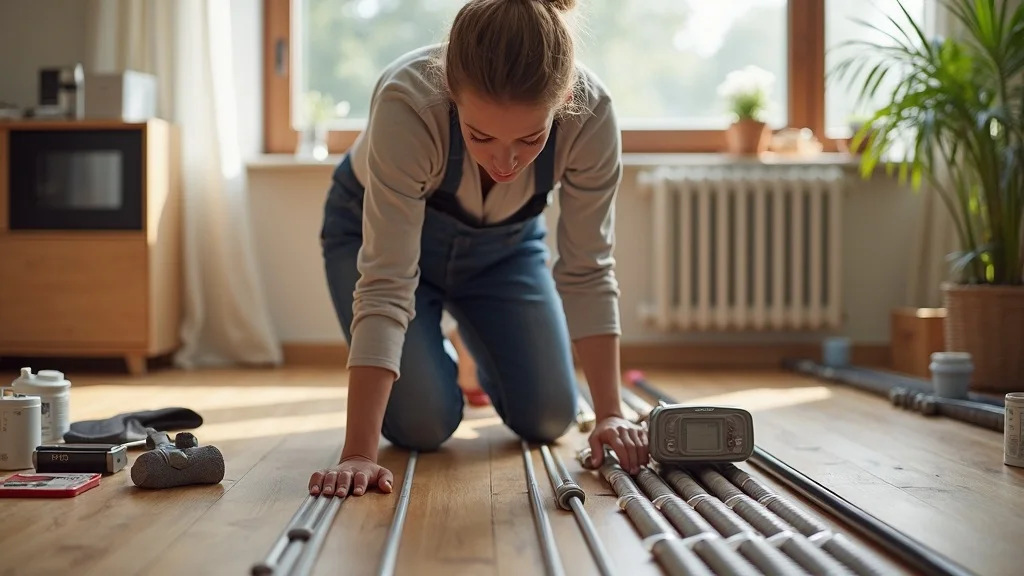
Key tools for underfloor heating installation include pipe staplers to fasten pipes securely and decoilers to efficiently feed long coils of pipe during laying. These simplify the process significantly compared to manual staple fixing.
General plumbing and heating tools also apply, but underfloor heating requires patience and precision. The right equipment ensures reliable installation, reducing future maintenance problems.
Common Questions and Challenges About Underfloor Heating
What Are the Pitfalls of Underfloor Heating?

Although underfloor heating offers many benefits, there are potential pitfalls. The system’s slow heat-up time means it’s not suitable for rapid temperature changes or infrequent use. If insulation is inadequate, heat loss can reduce efficiency.
Jamie Alberts explains, “A common misconception is that the heating is always on. Actually, it cycles to maintain temperature, but poor controls or installation can lead to uneven warmth and frustration.” Proper design, insulation, and system commissioning are vital to mitigate these drawbacks.
How Soon Can You Turn Underfloor Heating On After Tiling?
After tiling, the floor screed or adhesive needs to cure fully before turning on underfloor heating to avoid cracking and ensure system longevity. Usually, a gradual warm-up period starts several days post-tiling, starting at low temperatures and increasing incrementally over about a week.
This cautious approach protects floor finishes and helps stabilise the system for consistent heating performance.
Are You Supposed to Leave Underfloor Heating On All the Time?
Unlike traditional heating, underfloor systems are designed to maintain a steady baseline temperature, often running intermittently throughout the day. Operating continuously at a low level supports consistent warmth and energy efficiency, rather than turning the system fully on or off.
Proper thermostat programming is essential, with some smart controls allowing extreme customisation per room for comfort and savings.
Why Is My Floor Cold With Underfloor Heating?
Cold spots often result from insufficient insulation, incorrect system design, or blocked pipes. Floor finish resistance, such as thick carpets or rugs, can also reduce heat transmission. Consulting a specialist to assess the setup, flow rates, and thermostat settings can identify and resolve such issues effectively.
Comparison Table: Underfloor Heating vs Radiator Heating
Feature |
Underfloor Heating |
Radiator Heating |
|---|---|---|
Efficiency |
Higher energy efficiency; operates at lower temperatures |
Less efficient; requires higher water temperatures |
Installation Cost |
Higher initial installation cost, especially for wet systems |
Lower installation cost and simpler retrofit |
Running Cost |
Lower due to steady heating and thermal mass |
Higher; cycles on/off leading to heat loss |
Space Usage |
Invisible; frees wall space |
Requires wall space; limits furniture placement |
Heat Distribution |
Even and comfortable floor-wide heat |
Localized heat near radiators |
Heat-up Time |
Slower heat-up, but retains warmth longer |
Faster heat-up and cool down |
Compatibility with Heat Pumps |
Excellent; works at low temperatures |
Less efficient with heat pumps |
Maintenance |
Low with quality installation |
Moderate; valves and bleeding required |
Expert Tips and Best Practices for Underfloor Heating
Optimizing Heat Pump Integration with Underfloor Heating
To maximise efficiency, install underfloor heating systems designed for low temperature operation. Ensure the heat pump is sized correctly for the property, and use smart controls to harmonise system performance with external conditions, reducing energy wastage.
Managing Heat Zones and Manifold Controls
Dividing a property into heat zones controlled by the manifold allows individual room temperature control and reduces energy consumption. Proper insulation of pipes between manifold and rooms prevents unwanted heat loss, as Jamie Alberts explains about sleeving pipes to isolate heat transfer efficiently.
Maintenance and Troubleshooting Advice
Regularly check manifold pressure, ensure thermostats are functioning correctly, and flush the system periodically to avoid blockages. If cold spots appear, review insulation or floor finish choices, and consult experts early to prevent costly repairs.
Key Takeaways
Underfloor heating offers efficient, space-saving heating solutions ideal for modern homes.
Water underfloor heating systems typically operate at lower temperatures, making them compatible with heat pumps.
Proper design, insulation, and control are critical for optimal performance.
Installation requires some specialist tools but is manageable with professional guidance.
Common FAQs address concerns about operation, installation timing, and troubleshooting.
Conclusion
Why Underfloor Heating is a Smart Choice for Your Home
Jamie Alberts concludes, "Underfloor heating is not just a luxury; it’s a practical, efficient heating system that’s here to stay, especially as we move towards greener technologies like heat pumps."
Investing in underfloor heating means choosing comfort, efficiency, and future-proofing your home’s heating. For expert advice and tailored solutions, consult professionals who understand your unique needs.
If you’re inspired to take your home’s comfort and efficiency even further, consider how renewable energy heating products are transforming the way we heat our living spaces. By learning about innovative renewable heating solutions, you can discover advanced options that not only complement underfloor heating but also help future-proof your property. Explore the latest trends and technologies to make informed decisions that benefit both your home and the environment. The journey to a warmer, greener home starts with understanding all the possibilities available to you.
People Also Ask
What are the pitfalls of underfloor heating?
Slow heat-up times, higher upfront costs, and the need for proper insulation are common pitfalls. Poor design or controls may cause uneven heating, but these issues are avoidable with quality installation and planning.
How soon can you turn underfloor heating on after tiling?
Typically, wait at least 7 days post-tiling before gradually turning on the system to allow adhesives and screed to cure properly.
Are you supposed to leave underfloor heating on all the time?
It is often more efficient to maintain a steady low-level heat all day, rather than switching the system fully on and off.
Why is my floor cold with underfloor heating?
Causes include poor insulation, blocked pipes, or floor finish resistance. Professional inspection can identify and remedy the issue.
Call to Action
For expert help or advice visit Peak Underfloor Heating
For a deeper understanding of underfloor heating, consider exploring the following resources:
Underfloor Heating FAQs | The Underfloor Heating Store
This comprehensive FAQ section addresses common questions about underfloor heating, including system compatibility with various floor types, installation considerations, and operational guidelines. (theunderfloorheatingstore.com)
Underfloor Heating FAQs | Warmup Inc
Warmup Inc provides detailed answers to frequently asked questions, covering topics such as system components, installation procedures, and maintenance tips to ensure optimal performance of underfloor heating systems. (warmup.com)
These resources offer valuable insights to help you make informed decisions about underfloor heating solutions for your home.










Write A Comment