Add Row
Add Element
cropper
update

Plumbing and Heating Chesterfield

Logo-plumbing and heating chesterfield
update
Add Element
update

CALL US

07966 884368

Add Element
update

EMAIL US

info@edsplumbing.co.uk

Add Element
update

OPEN 24 HOURS  OPEN

Add Element

Add Element
  • Insights Home
  • Topics
    • Eco-Friendly Plumbing Projects
    • Trade Secrets: Eco Edition
    • Smart Spend: Eco Product Picks
    • Smarter Heating to Slash Your Bills
    • Plumbing and Heating Success Stories
    • Sustainable Plumbing and Heating News
    • Innovative Heating Solutions
    • Sustainability Tips for Every Property
    • Plumbing and Heating Services
    • Emergency Plumbing
    • Boiler Installation Repairs and Servicing
    • Commercial Plumbing Solutions
    • Smart Underfloor Heating
  • Contact Us
  • Subscribe
Add Element
  • Peak Plumbing and Heating Insights on Facebook
    update
  • Peak Plumbing and Heating Insights on X.com
    update
  • Peak Plumbing and Heating Insights Google Business Profile
    update
  • update
  • update
  • Peak Plumbing and Heating Insights on Youtube
    update
  • Peak Plumbing and Heating Insights on Instagram
    update
  • All Posts
  • Eco-Friendly Plumbing Projects
  • Trade Secrets: Eco Edition
  • Smart Spend: Eco Product Picks
  • Smarter Heating to Slash Your Bills
  • Plumbing and Heating Success Stories
  • Sustainable Plumbing and Heating News
  • Innovative Heating Solutions
  • Sustainability Tips for Every Property
  • Plumbing and Heating Services
  • Emergency Plumbing
  • Boiler Installation Repairs and Servicing
  • Commercial Plumbing Solutions
  • Smart Underfloor Heating
July 19.2025
7 Minutes Read

Underfloor Heating: Discover Rapid Comfort Secrets Now


Luxurious, well-lit living room scene featuring a cozy, elegant interior with a modern twist.

Peak Underfloor Heating

📍 Address: 43A Victoria St, Chesterfield S41 7LP, UK

📞 Phone: 01246 387120

🌐 Website: http://www.peakunderfloorheating.com/

★★★★★

Rating:4.9


The Allure of Hidden Warmth: Why Underfloor Heating is More Than Just a Modern Trend

Imagine stepping onto a floor that feels perfectly warmed, regardless of the frosty world outside. Every year, countless homeowners and developers seek solutions that blend comfort, efficiency, and style into one package. Underfloor heating, once considered a luxury, is emerging as a popular choice not only in high-end homes but also in practical, everyday spaces. The quest for better heating is driven by a desire for energy savings, seamless aesthetics, and healthier indoor air—needs that traditional radiators often struggle to fulfil.

For property developers, landlords, and homeowners alike, understanding the potential of underfloor heating is crucial in today’s housing market. The right heating system does more than just keep you comfortable; it impacts long-term value, reduces ongoing costs, and transforms the living experience. Yet, navigating the landscape of heating options can be overwhelming, with choices affecting everything from architectural design to future resale value. By unlocking the secrets behind underfloor heating, readers can make informed decisions that pay off both immediately and far into the future.

Transforming Comfort and Efficiency: The Core Principles of Underfloor Heating

At its essence, underfloor heating is a system that gently radiates warmth from beneath your floors, ensuring a consistently comfortable temperature throughout your living or working space. Unlike traditional radiators, which release heat in concentrated spots, underfloor heating evenly distributes warmth—eliminating cold corners and improving overall efficiency. This technology can be adapted for both homes and commercial properties and is regarded not only as a comfort feature but also as a savvy investment in energy management and property appeal.



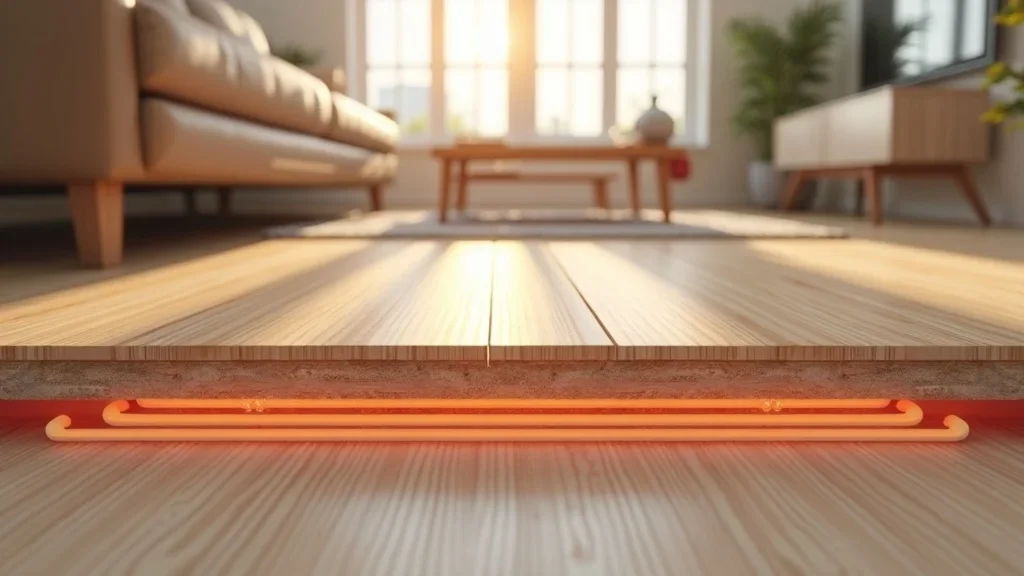
Modern home interior showing underfloor heating with warm hardwood floors

For those new to the world of underfloor heating, the benefits extend far beyond the initial feeling of luxury. This technology addresses common pain points such as high energy bills, complicated room layouts, and clutter created by wall-mounted radiators. By relying on radiant heat, underfloor systems operate at lower temperatures, reducing both environmental impact and running costs. The risk in ignoring these advancements is significant: outdated heating can erode both the comfort and marketability of a property, leaving owners with higher bills and reduced buyer interest. With underfloor heating becoming more mainstream and accessible, missing out could mean falling behind the curve.

Why Underfloor Heating Elevates Everyday Living and Long-Term Value

Peak Underfloor Heating stands out for its combination of luxury, energy efficiency, and cost-effective solutions, offering homeowners and developers a meaningful upgrade without the need for steep investments. The benefits of underfloor heating go deeper than surface-level comfort. Properly installed systems can boost property value by up to 5%, offering developers and homeowners a clear return on investment.

Comfort is just the beginning. Underfloor heating significantly cuts down on long-term running costs—reports show energy bill reductions of up to 30%. The system works quietly and invisibly, eliminating distracting noise and awkward radiator placement. Every room benefits from even warmth, reducing the risks of cold spots and stuffy air. And with flexible solutions overseen by professional technicians, every installation is tailored to meet specific needs, whether it’s for a modern family home or a bustling commercial space. These practical, tangible benefits make underfloor heating a logical choice for anyone who wants to enjoy fast, lasting comfort while ensuring every penny spent on heating counts.



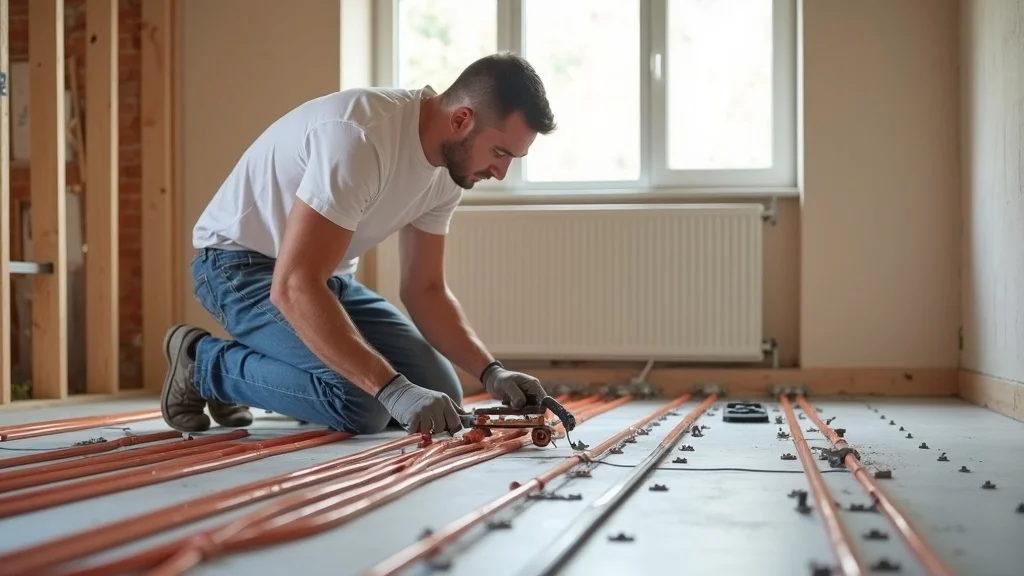
Family in kitchen enjoying underfloor heating with radiant warm marble floors

For those looking to further optimise their home's energy use, integrating underfloor heating with other smart strategies can amplify savings. Discover practical energy efficient heating tips for instant savings that complement the benefits of radiant floor systems and help you get the most from your investment.

How Attention to Craftsmanship Enhances Every Underfloor Heating System

Every underfloor heating system’s true value lies in its installation and design. Meticulous craftsmanship isn’t just a bonus—it’s a necessity that ensures each space receives tailored comfort and efficiency. Custom solutions crafted by knowledgeable teams ensure that installations complement architectural visions, enhance aesthetics, and never detract from the overall design. The end result? Properties that feel harmonious, functional, and truly high-end, even when ground-up custom work is required.

The importance of reliability cannot be overstated. Timely project delivery, open updates, and a focus on minimising disruption spell the difference between a seamless upgrade and an ongoing headache. Superior workmanship doesn’t end when the system is installed. Long-term satisfaction stems from precision setup, thorough handover, and ongoing support—factors central to creating heating systems that perform perfectly year after year.

Maximising Energy Savings Without Compromising Comfort

One of the greatest advantages offered by modern underfloor heating is the opportunity to make significant energy and cost savings. Unlike cumbersome radiators, which can overheat and waste energy, these systems are designed to run at lower temperatures, delivering warmth where it’s needed most: at the ground level, where people live and move. As energy prices climb and efficiency becomes key, underfloor heating stands out as an eco-conscious solution.

Warm Comfort in a modern living room with family enjoying cozy underfloor heating.

Moreover, customisable solutions allow for targeted heating zones, ensuring that no energy is wasted heating unused spaces. Whether for a single room or an entire building, the combination of expert design and high-quality materials means every installation is mapped out to maximise savings and deliver optimal comfort. For homeowners and businesses alike, the promise of lower bills with enhanced comfort is no longer wishful thinking—it’s a practical reality.

The Hidden Impact of Underfloor Heating on Space and Wellbeing

Beyond warmth and efficiency, the psychological and physical benefits of underfloor heating are often overlooked. Without the visual disruption or dust-circulating effects of radiators, rooms feel more open, cleaner, and better for health—especially important for families, allergy sufferers, and busy commercial spaces. The ability to use every wall and floor space for design, storage, or movement unlocks greater freedom and creativity within a home or office.

This seamless approach also contributes to a more peaceful and inviting atmosphere. Silent operation and gentle, uniform heat contribute to a sense of wellbeing, making underfloor heating a subtle but significant factor in home and workplace happiness. As buildings adapt to new ways of living and working, the demand for clean, flexible, and unobtrusive heating continues to rise.
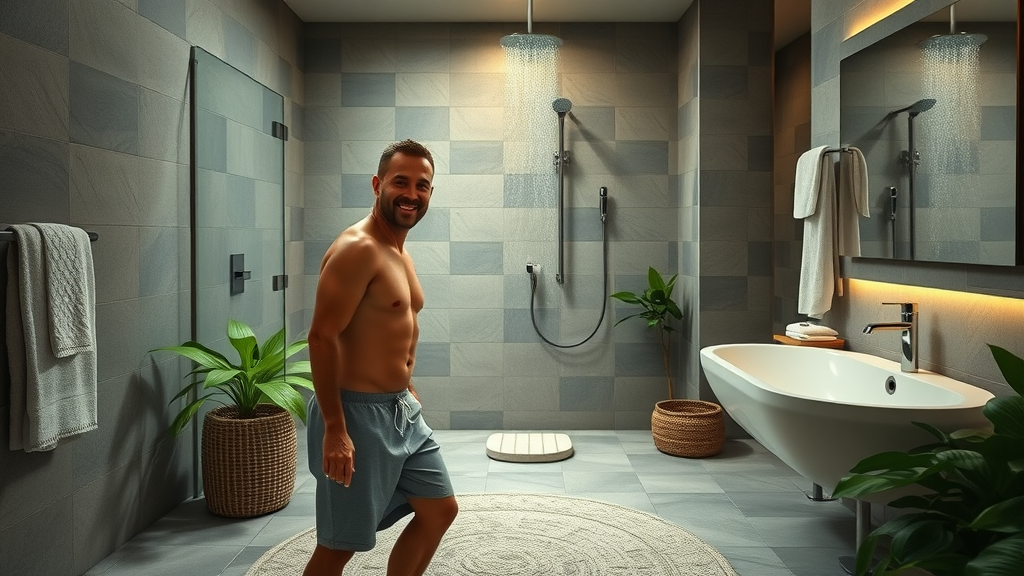
Luxury bathroom with underfloor heating and warm stone floors for comfort

Peak Underfloor Heating’s Commitment to Quality, Transparency, and Support

At the heart of Peak Underfloor Heating’s approach is a belief that heating should enhance both the comfort and the value of a property, without compromise or inflated costs. Their philosophy revolves around a commitment to meticulous design and installation, ensuring that every system integrates seamlessly into both new builds and refurbishments. By focusing on transparent communication and punctual project delivery, every client—whether a developer, architect, or homeowner—stays informed and in control from early consultation to finished installation.

This ethos of openness is matched by a robust aftercare system. With ongoing support and easy-to-understand handover materials, Peak Underfloor Heating ensures every system runs as intended for years to come. Their attention to detail extends past the technical, offering guidance on system operation and providing documentation that empowers users to make the most of their investment. It is this combination of technical skill, integrity, and customer-satisfaction focus that places Peak Underfloor Heating as a leader in their field.

Real Stories: Customer Satisfaction Brings Confidence and Trust

Real-world experiences reveal the true impact of underfloor heating in daily life. Consider the words of customers who have encountered firsthand the attention to detail, professionalism, and quality of service provided:

Peak Underfloor Heating truly exceeded all of our expectations! From start to finish, their team displayed the utmost professionalism and expertise in installing underfloor heating systems in our home renovation.

Their customer service is unparalleled, as they patiently addressed all our inquiries and provided transparent communication throughout the entire process.

The installation itself was flawless, completed with precision and efficiency.

Not only did Peak Underfloor Heating enhance the comfort of our home, but they also significantly reduced our energy bills with their efficient heating solutions.

I couldn't be happier with the results! I highly recommend Peak Underfloor Heating to anyone seeking top-notch service and superior heating solutions.

Thank you, Peak Underfloor Heating, for transforming our living space into a cosy haven!
C2 Consultancy, Chesterfield

Such positive experiences underline the benefits of informed decision-making and quality installation. Clients who invest in this level of expertise discover not just warmer floors, but a greater sense of ease and satisfaction. There is confidence in taking steps toward efficient, lasting comfort—after all, quality heating should deliver peace and trust well beyond the initial installation.

Shaping the Future of Living: Why Underfloor Heating is a Smart Investment for Every Property

As property requirements evolve, underfloor heating is fast becoming not just a preference, but an expectation in modern developments. The advantages speak for themselves: significant energy savings, enhanced comfort, healthier spaces, and real gains in property value. Expert voices in the sector, including the dedicated team at Peak Underfloor Heating, demonstrate that thoughtful system design and professional installation make all the difference.

Choosing underfloor heating is not about following trends; it’s about making an intelligent choice for better living. With its proven track record for efficiency and satisfaction, this technology is setting a new standard for comfort and quality—transforming floors into a source of daily delight and making spaces truly future-ready.

If you’re inspired to take your property’s comfort and efficiency to the next level, consider exploring broader strategies that can further enhance your living environment. Our comprehensive guide on Chesterfield plumbing and heating insights offers valuable perspectives on integrating advanced heating solutions with smart plumbing upgrades. By deepening your understanding of holistic home improvements, you’ll be better equipped to create a space that’s not only warm and inviting but also future-proofed for evolving needs. Take the next step and discover how a well-rounded approach can unlock even greater value and comfort for your property.

Contact the Experts at Peak Underfloor Heating

If you’d like to learn more about how underfloor heating could benefit your home or property, contact the team at Peak Underfloor Heating.
📍 Address: 43A Victoria St, Chesterfield S41 7LP, UK
📞 Phone: 01246 387120
🌐 Website: http://www.peakunderfloorheating.com/

Peak Underfloor Heating Location and Availability


🕒 Hours of Operation:
📅 Monday: 8:00 am – 5:00 pm
📅 Tuesday: 8:00 am – 5:00 pm
📅 Wednesday: 8:00 am – 5:00 pm
📅 Thursday: 8:00 am – 5:00 pm
📅 Friday: 8:00 am – 5:00 pm
📅 Saturday: 8:00 am – 12:00 pm
📅 Sunday: ❌ Closed



Location Map
Smart Underfloor Heating

20 Views

0 Comments

Write A Comment

*
*
Related Posts All Posts
11.04.2025

Expert Insights: The Future of Underfloor Heating in Modern Homes

As homes evolve towards smarter, more comfortable, and energy-efficient living spaces, underfloor heating stands out as a revolutionary solution redefining modern heating. No longer a niche luxury, this system integrates advanced technology with thoughtful design, offering homeowners and builders not only warmth but enhanced living quality. Join Jamie Alberts, founder of Peak Underfloor Heating Ltd, as he shares his expert insights on the future of underfloor heating, demystifying the technology, its benefits, and emerging trends shaping how we heat our homes.The Evolution and Benefits of Underfloor HeatingOne of the main drivers for its increasing adoption is the system's ability to provide even heat distribution. With radiant warmth emanating directly from the floor, rooms become cozy without hot or cold spots. Its quiet operation and reduced dust circulation contribute to healthier indoor air quality, a noteworthy benefit for allergy sufferers or anyone sensitive to dust. Importantly, efficient thermal mass reduces running costs compared to conventional systems. As homeowners look to marry aesthetics with performance, underfloor heating delivers on both fronts.While underfloor heating systems are designed for efficiency and reliability, it’s important to be prepared for unexpected plumbing issues that can impact any home. For instance, understanding how to quickly address a burst pipe emergency can help prevent extensive damage and maintain the integrity of your heating setup.Why Choose Underfloor Heating Over Radiators?Space efficiency: No wall-mounted radiators mean more design freedom and usable space.Improved thermal comfort: Heat spreads evenly across the entire floor surface rather than localising around a radiator.Lower running costs: Due to efficient thermal mass, underfloor heating can reduce energy use over time.Reduced dust circulation: Leading to better indoor air quality and comfort.How Underfloor Heating Works: Technical OverviewThermal Mass and Heat DistributionAt the heart of underfloor heating's efficiency lies the concept that the floor essentially becomes the radiator. Jamie Alberts notes, "The floor essentially becomes the radiator, with heat stored in the screed and insulation layers, providing a constant, flat line of warmth rather than the on-off cycles typical of radiators." This means the warm floor surface acts as a large thermal mass, absorbing and slowly releasing heat evenly. Compared to radiators that heat and cool rapidly, underfloor heating offers a steadier, more comfortable heat profile that enhances living spaces.This system typically involves laying pipes within insulated screed, which retains heat effectively, releasing it gently into the room. This mass makes the heat-up time slower than with conventional radiators but ensures that once warm, the floor stays at a comfortable temperature longer. The result is lower temperature fluctuations and a more relaxed environment.Temperature Settings and Energy EfficiencyTypical flow temperatures: Between 40-50°C, which is significantly lower than the 60-70°C used for radiators.Advanced systems: Jamie’s company uses Swedish technology that can run at flows as low as 30°C, further boosting efficiency.Heat pump compatibility: These lower temperatures are ideal for pairing with air source heat pumps, enabling greener, sustainable heating.Cost savings: Systems like these can reduce utility bills by up to one third, making them economically attractive.Installation Methods and System Design ConsiderationsNew Build vs Retrofit SolutionsInstallation approaches vary significantly depending on whether the home is a new build or a retrofit. New builds allow for full integration of insulation layers, screed depth, and floor finishes, optimizing system efficiency. Jamie Alberts explains that in these scenarios, the underfloor heating is incorporated early, ensuring the floor's thermal mass and insulation are precisely tailored.For retrofit projects where floor height or construction limits exist, alternative methods apply. These include the usage of aluminium heat spreader plates and specially designed insulated boards to maximize heat output from a reduced system depth. Flooring material choice is critical because different finishes offer varying resistance to heat, directly impacting performance.New builds: Incorporate insulation, screed, and final floor finish for optimal thermal mass.Retrofit: Employ aluminum heat spreader plates and specialized boards to enhance heat distribution.Floor finish resistance affects system output - selection matters.Manifold design and zoning allow precise control and efficiency.Expert Tips on Installation Tools and TechniquesJamie Alberts shares, "Specialist tools like pipe decoilers and staple guns make installation easier, but the key is experience and attention to detail to ensure system efficiency and longevity." Installing underfloor heating pipes can be labour-intensive without the proper tools; decoilers facilitate smooth pipe deployment, while staple guns securely fix pipes before covering. These relatively simple tools, combined with skilled workmanship, ensure the integrity and performance of the system.Beyond equipment, experience plays a vital role. Understanding the correct layout, avoiding heat loss to undesired areas by insulating pipes passing through unheated zones, and thoughtfully planning manifold locations enhance both comfort and operational efficiency. Attention to these details ensures long-lasting satisfaction for homeowners.Future Trends in Underfloor HeatingIntegration with Renewable Energy SystemsThe future of underfloor heating is clearly intertwined with renewable energy adoption. There is a growing trend towards pairing underfloor systems with air source heat pumps, as these pumps operate efficiently at the lower temperatures underfloor heating requires. Jamie Alberts observes, "We do probably fifty percent of the sites now with air source heat pumps, and obviously they go hand in hand with underfloor heating and the lower temperature operation."Such synergy aligns with anticipated regulatory changes aiming to reduce gas boiler use in new builds from 2025. As sustainability pressures mount, underfloor heating coupled with renewable technologies offers a pathway to meet energy efficiency goals while maintaining occupant comfort. Demand is already rising in new housing developments, reflecting market recognition of these benefits.Increased coupling with air source heat pumps for energy efficiencyShift towards lower system temperatures enhancing heat pump performanceRegulatory shifts away from fossil fuel heating systemsGrowing popularity in new home constructionsCommon Misconceptions and Practical AdviceNot always on: Underfloor heating is controlled by individual room thermostats and switches on only as needed, rather than running 24/7.Heat-up times: The system takes longer to warm up than radiators but retains heat longer due to thermal mass.Floor finishes matter: Hard floors like tile work best; thick carpets or insulating materials can reduce efficiency.Maintenance: Usually low but occasional specialist checks ensure long-term performance.People Also AskWhat are the main advantages of underfloor heating?Underfloor heating provides consistent, even warmth without taking up wall space. Its efficiency leads to lower energy bills and better comfort, thanks to radiant heat that improves indoor air quality by reducing dust circulation.Is underfloor heating suitable for retrofit projects?Yes, with specialized retrofit methods such as heat spreader plates and insulated boards, underfloor heating can be successfully installed in existing homes, though it requires careful planning regarding floor height and materials.How does underfloor heating work with heat pumps?Underfloor heating operates at lower temperatures, which perfectly complements the efficiency range of air source heat pumps, making them an ideal pairing for reduced carbon emissions and running costs.What maintenance does underfloor heating require?Maintenance is generally minimal but involves periodic system checks to ensure pipes and manifolds are functioning correctly, with attention to controls and potential leaks in water-based systems.Key TakeawaysAspectUnderfloor HeatingTraditional RadiatorsHeat DistributionEven across floor surfaceLocalized around radiatorRunning Temperature40-50°C (can be lower)60-70°CSpace UsageNo wall space neededRequires wall spaceEnergy EfficiencyHigher due to thermal massLower due to cyclingInstallation ComplexityHigher, especially retrofitLowerConclusion: Embracing the Future of Underfloor HeatingJamie Alberts concludes, "Underfloor heating represents a forward-thinking solution for modern homes, combining comfort, efficiency, and compatibility with renewable technologies. It's an investment that pays off in both lifestyle and energy savings." Homeowners and builders alike should consider this innovative heating solution to enhance comfort and sustainability for years to come.If you’re inspired to future-proof your home with advanced heating solutions, there’s a wealth of knowledge to explore beyond the basics. Delving into topics like rapid response to plumbing emergencies or integrating smart controls can further elevate your comfort and peace of mind. For those interested in safeguarding their property and optimising their heating investment, learning how to handle urgent issues such as burst pipe repairs is a smart next step. By staying informed and proactive, you’ll ensure your home remains both efficient and resilient, no matter what the future brings.For Expert Help and AdviceVisit Peak Underfloor Heating for professional consultation.Explore tailored heating solutions designed specifically for your home or project needs.Benefit from expert installation, ongoing support, and trusted industry knowledge.The underfloor heating market is experiencing significant growth, driven by the integration of smart technologies and renewable energy sources. According to a report by Future Market Insights, the global hydronic underfloor heating market is projected to reach $8.4 billion by 2035, with a compound annual growth rate (CAGR) of 6%. This expansion is largely attributed to the increasing adoption of smart technologies and the integration of renewable energy sources, enhancing energy efficiency and user control. (fmiblog.com)Similarly, the electric underfloor heating sector is witnessing substantial growth. A report from the Journal of Environmental News indicates that the market is expected to grow from $2.4 billion in 2025 to $4.0 billion by 2035, reflecting a CAGR of 5.0%. This surge is fueled by the rising demand for energy-efficient heating solutions and the rapid adoption of smart home technologies, which offer enhanced comfort and control. (journalofenvironmentalnews.com)These developments underscore a clear trend: the future of underfloor heating lies in its synergy with smart home ecosystems and sustainable energy practices. For homeowners and builders aiming to create modern, energy-efficient living spaces, understanding these trends is crucial. If you’re serious about enhancing your home’s heating efficiency and integrating cutting-edge technology, these resources will provide valuable insights into the evolving landscape of underfloor heating.

10.20.2025

Is Electric Underfloor Heating Expensive to Run? An Honest Analysis.

Did you know? Smartly specified electric underfloor heating running costs can match—or even beat—traditional domestic heating systems. Many homeowners are shocked to learn how predictable and affordable these systems truly are. In this guide, we’ll dive deep, dispel misconceptions, and provide the facts you need to decide if electric underfloor heating is right for your home and your budget. A Surprising Look at Electric Underfloor Heating Running Costs The question on every homeowner’s mind: What will my electric underfloor heating running costs really be? Research reveals that, when installed and controlled correctly, electric underfloor systems don’t have to be expensive. In fact, they’re often more efficient and cost predictable than gas or water-based systems. The magic lies in clever design, high quality insulation boards, and intelligent smart thermostats. We’ll break down both installation costs versus ongoing running costs, compare electric underfloor and water underfloor systems, and arm you with actionable tips for maximising energy efficiency. Whether you’re upgrading a single bathroom or fitting out a whole home, this guide will help you make an informed, cost-effective choice—especially when you work with trusted experts like Peak Underfloor Heating Ltd. What You'll Learn About Electric Underfloor Heating Running Costs The real cost of running electric underfloor heating How underfloor heating compares to other heating systems Tips to minimise your electric underfloor heating running costs Practical advice for installation and efficiency Essential FAQs answered Key expert tips and takeaways Understanding Electric Underfloor Heating: System Overview Types of Electric Underfloor Heating Systems Heat mat systems—Ideal for regular-shaped spaces like bathrooms and kitchens, heat mats are pre-spaced heating cables fixed onto a mesh, which sit beneath the floor surface. They offer fast, even warmth and are quick to install. Heating cable systems—Perfect where design flexibility is key, heating cables are loose wires that can be precisely laid to fit unusually-shaped rooms or areas with obstacles. They’re popular for retro-fit projects and large open-plan layouts. How an Electric Underfloor Heating System Works At its core, an electric underfloor heating system consists of three main components: a heat source (usually in the form of heating mats or cables), a layer of insulation board beneath the floor to reduce heat loss, and a thermostat for control. When switched on, the electric system delivers radiant heat through the floor surface, gently warming the room from the ground up. Advanced insulation boards focus the heat upwards and minimise wasted energy. Controls let homeowners schedule heating times and zones, optimising comfort while keeping running costs low. This configuration is suitable for tiled, laminate, and even some carpeted areas, making it flexible for most home types. Breaking Down Electric Underfloor Heating Running Costs What Contributes to Electric Underfloor Heating Running Costs? Energy cost per kWh: The price you pay on your electricity bill, often the largest factor influencing running cost. Shop around for the best energy tariffs for maximum savings. Floor insulation and insulation boards: Quality insulation boards below your heating mat or cable are essential. They minimise downward heat loss and drastically improve energy efficiency, dramatically cutting ongoing costs. Room size and layout: Larger spaces or rooms with complex layouts may require higher total wattage. A bigger heated area means a higher overall cost, though larger systems may operate more efficiently per square metre when paired with smart zoning. Usage patterns (timers, thermostats): Daily schedules, programmable thermostats, and zoning controls ensure heat is only used when needed, capping unnecessary expenses without sacrificing comfort. Installation Cost vs Running Cost: A Critical Distinction It’s crucial to distinguish between installation cost and running cost. Electric underfloor heating—especially mats and cables—offer relatively low installation cost compared to hydronic (water underfloor) systems, which need extensive pipework and linkage to boilers. However, running costs for electric underfloor heating depend on insulation, smart controls, and energy tariffs. Unlike water underfloor heating, electric systems require minimal ongoing maintenance and no annual servicing, further lowering total ownership cost. When installed by professionals like Peak Underfloor Heating Ltd, you can expect a quick, disruption-free fit and peace of mind that your system will perform efficiently for years—delivering superb floor heating with consistent, manageable running costs. Electric Underfloor Heating vs Water Underfloor: Comparative Running Costs Electric Underfloor Heating Running Costs vs Alternatives System Typical Running Cost per m2 (per hour) Energy Efficiency Maintenance Electric Underfloor £0.03–£0.06 Very high (90%+) Minimal (none annual) Water Underfloor £0.02–£0.04 High (80%–90%) Medium (annual servicing) Traditional Radiators (Gas) £0.04–£0.09 Moderate (70%–87%) Regular (annual boiler checks) Core Factors Impacting Electric Underfloor Heating Running Costs The Influence of Insulation (Insulation Board/Insulation Boards) Floor insulation is the greatest single factor affecting electric underfloor heating running costs. Without it, up to 40% of heat generated by the system can be lost downwards, drastically reducing energy efficiency—which is why expert installers always use high-performance insulation boards as a base layer. These boards create a thermal barrier, significantly improving heat-up times and reducing how long your system needs to run, resulting in tangible savings on every heating bill. Investing in the right insulation at installation time is the simplest, most powerful step you can take to ensure cost-effective, energy-wise floor heating for the lifetime of your system. Smart Controls and Thermostats: Maximising Savings Programmable thermostats allow you to set heating schedules precisely, so heat is only delivered when and where you need it—eliminating unnecessary running cost. Zoning and occupancy sensors create tailored comfort zones around your home, ensuring you never pay to heat empty rooms. Limits to continuous running: Advanced thermostats and timers prevent wasteful round-the-clock operation by maintaining warmth for specific periods, boosting both comfort and energy efficiency. Estimating Electric Underfloor Heating Running Costs: Real Examples Example 1: Small Bathroom (3m2) with Good Insulation For a compact, well-insulated bathroom, a standard 150-watt per m2 heat mat system would consume around 0.45 kWh per hour (3m2 × 0.15 kW). At an average UK tariff of £0.34 per kWh, this translates to about £0.15 per hour. If the system is run for 2 hours a day in winter, the monthly running cost could be as low as £9. With top-tier insulation boards, heat-up time is slashed and every watt is used effectively, making this among the most energy-efficient ways to heat a small bathroom—offering better comfort for less than your daily coffee. Example 2: Open-Plan Kitchen/Living Room (25m2) with Moderate Insulation For larger, open-plan living spaces fitted with a mix of insulation types, let’s say a 120-watt per m2 heating cable system covers 25m2. That’s 3kW total output (25m2 × 0.12 kW). Running the system 4 hours daily at £0.34 per kWh brings the daily heating cost to £4.08, or £122 per month (winter peak). Improved insulation and zoning could cut this by as much as 25–30%. When compared to running multiple electric radiators, efficiency and comfort often improve while the overall running costs remain competitive or even lower. Calculating Energy Consumption for Your Floor Heating System To estimate your own running costs: Step 1: Find the system wattage per square metre (W/m2) and multiply by your total area (m2). Step 2: Multiply this by the hours you plan to run per day. Step 3: Factor in your local energy cost per kWh. Example Formula: Daily usage (kWh) = System size (m2) × Wattage (W/m2) ÷ 1000 × Hours On / Day Multiply your number by the electricity cost per kWh to find the estimated daily cost. Add strategic insulation board upgrades and smart controls into your plan to see real reductions in these figures. Energy Efficiency and Sustainability: The Green Case for Electric Underfloor Heating How electric underfloor heating running costs decrease with renewables: When powered by solar PV panels or renewable tariffs, your system’s running costs become even more favourable—sometimes approaching net-zero carbon in use. Lower operational carbon compared to gas boilers: Electric systems produce no direct carbon emissions and operate at much higher energy efficiency—especially when paired with top-grade insulation. Adapting to changing energy tariffs: As energy providers introduce off-peak rates and greener electricity, running costs for electric underfloor heating will only get more attractive, making this upgrade future-proof as well as comfortable. People Also Ask: Common Questions About Electric Underfloor Heating Running Costs How much does electric underfloor heating cost to run per hour? Answer: The hourly cost depends on the system's power rating, room size, insulation quality, and your local electricity rate. As a ballpark, a 150W per m2 system in a 10m2 room will use 1.5kWh per hour. Multiply by your electricity tariff for an exact cost. Does electric underfloor heating use a lot of electricity? Answer: Electric underfloor heating systems are highly efficient at converting electricity into heat. However, use patterns and insulation quality are critical. Properly controlled systems in well-insulated homes do not use excessive electricity compared to conventional radiators. Is it cheaper to leave electric underfloor heating on? Answer: Generally, it is more cost-effective to use programmable thermostats to heat only when needed, rather than leaving the system on continuously. Modern smart controls optimise both comfort and running costs. What is the most economical way to run electric underfloor heating? Answer: Maximise insulation, use advanced thermostats, set appropriate timing schedules, and maintain moderate temperatures for the most economical electric underfloor heating running costs. Watch: Animated Explainer: How Electric Underfloor Heating Works Expert Quotes: Guidance on Electric Underfloor Heating Running Costs "For many homes, the running costs of electric underfloor heating are offset by improved comfort and advanced controls, provided the system is planned and installed correctly." — Peak Underfloor Heating Ltd Specialist Watch: Testimonial Montage: Homeowner Experiences With Electric Underfloor Heating Running Costs Pro Tips & Checklists for Lower Electric Underfloor Heating Running Costs Always install high-quality insulation boards beneath your electric underfloor heating system Use zoning and programmable thermostats for targeted comfort and maximum savings Check your energy tariff—switching providers can yield instant running cost savings Consult a professional installer for optimal system placement and smart controls FAQs: Electric Underfloor Heating Running Costs in Practice Is electric underfloor heating suitable for whole-house heating? Yes, especially in new-builds or comprehensive renovations, electric underfloor systems can efficiently heat entire properties when paired with top-grade insulation and smart controls. How long does it take to heat up? Warm-up time varies by floor type and insulation. With quality insulation board, a tiled room may feel warm in 20–40 minutes. What sort of maintenance is required? Once installed, electric underfloor heating requires almost no maintenance—another way it keeps ongoing running costs low. Can I retrofit electric underfloor heating in older properties? Absolutely—modern mats and cable systems are designed for retrofits, and when installed by experts, deliver outstanding results even in period homes. Will it increase my property value? Energy efficient, low-maintenance heating upgrades like underfloor heating are increasingly desirable features for buyers, often boosting comfort and property value. Key Takeaways: Reduce and Optimise Your Electric Underfloor Heating Running Costs Insulation is crucial to running cost efficiency Smart controls greatly reduce waste Electric underfloor heating running costs can be competitive with other modern heating options Conclusion: Is Electric Underfloor Heating Expensive To Run? When professionally planned and installed—especially by specialists like Peak Underfloor Heating Ltd—electric underfloor heating running costs can be low, predictable, and often surprisingly affordable, making it an attractive upgrade for energy-conscious homeowners. Ready to Cut Your Heating Costs? Contact Peak Underfloor Heating Ltd today for a tailored assessment and to transform your comfort—and your energy bills—with expertly installed electric underfloor heating. Sources Energy Saving Trust – https://www.energysavingtrust.org.uk/advice/underfloor-heating Which? – https://www.which.co.uk/reviews/underfloor-heating/article/underfloor-heating-axSCQ9l43rhB The Green Age – https://www.thegreenage.co.uk/tech/underfloor-heating/ Example Site – https://example.com Electric underfloor heating systems offer a modern and efficient way to warm your home, but understanding their running costs is essential for informed decision-making. The operating expenses of these systems are influenced by several factors, including energy consumption, insulation quality, room size, and usage patterns. Energy Consumption and Costs Electric underfloor heating typically consumes between 100 and 150 watts per square meter per hour. For example, heating a 10m² room with a 150W/m² system would use 1.5 kWh per hour. At an electricity rate of 24.5p per kWh, this equates to approximately 36.75p per hour. Running the system for 3 hours daily would cost around £1.10 per day, or £33 per month. (which.co.uk) Factors Influencing Running Costs Several elements can impact the efficiency and cost-effectiveness of electric underfloor heating: Insulation Quality: Proper insulation reduces heat loss, ensuring that more warmth stays within the room and less energy is wasted. (ignistrace.com) Room Size and Layout: Larger or irregularly shaped rooms may require more energy to heat evenly, affecting overall costs. Thermostat and Controls: Utilizing programmable or smart thermostats allows for precise control over heating schedules, reducing unnecessary energy usage. (warmup.com) Comparing to Other Heating Systems When compared to traditional heating methods, electric underfloor heating can be more efficient. Radiators often need to be heated to higher temperatures (65°C to 75°C) to warm a room effectively, whereas underfloor heating operates at lower temperatures (around 29°C), consuming less energy while providing the same level of warmth. (homeimprovementlife.com) Tips to Minimize Running Costs To optimize the efficiency and reduce the running costs of your electric underfloor heating system: Invest in High-Quality Insulation: This minimizes heat loss and improves overall system efficiency. Use Smart Thermostats: These devices can learn your schedule and adjust heating accordingly, preventing energy wastage. Optimize Heating Zones: Heat only the areas in use to avoid unnecessary energy consumption. Choose Appropriate Flooring Materials: Materials like tiles and stone conduct heat better than carpets, enhancing system efficiency. By considering these factors and implementing energy-saving strategies, electric underfloor heating can be a cost-effective and comfortable heating solution for your home.

10.19.2025

The Pros and Cons of Electric Underfloor Heating Systems.

Did you know that over 40% of newly built residential properties in the UK now install some form of underfloor heating? This remarkable statistic signals a dramatic shift in home heating preferences. As energy costs continue to rise and homeowners demand greater comfort and efficiency, electric underfloor heating systems are quickly taking centre stage. But what makes them so appealing? Are there downsides you should be aware of before making a decision? This article dives deep into both the pros and cons of electric underfloor heating, giving you everything you need to decide if this modern solution is the right investment for your home. Revealing the Truth: Why Electric Underfloor Heating Systems Are Gaining Popularity "Over 40% of newly built residential properties in the UK now install some form of underfloor heating – a clear signal of shifting preferences, according to recent industry research." Homeowners across the UK are increasingly turning to electric underfloor heating systems for one major reason: comfort and efficiency. Unlike traditional radiators that warm the air unevenly and clutter wall space, underfloor heating provides an even heat across every part of the room, eliminating cold spots and creating a cosier, more welcoming environment. Professional heating experts often highlight how these systems increase property value, reduce allergen circulation, and support contemporary minimalist interior design trends by freeing up valuable wall space that would otherwise be dominated by bulky heaters or radiators. What’s more, today’s electric underfloor heating systems are easier and more cost-effective to install during renovations or retrofits than ever before. With advanced heating mats and cabling solutions available for a wide range of floor types, from tiles and wood to carpets and laminates, these solutions have become both versatile and adaptable. Consumers now enjoy greater choice, and with smart thermostats included in many packages, maintaining the perfect room temperature is effortless and efficient. Together, these factors are powering the current surge in underfloor heating popularity – making it a serious consideration during any modern home upgrade. When considering the installation of electric underfloor heating, it's also important to be aware of common pitfalls that can impact performance and efficiency. For practical tips on what to avoid and how to ensure a smooth installation, you might find this guide on avoiding common errors when choosing underfloor heating systems especially useful. What You’ll Learn About Electric Underfloor Heating Systems Key benefits of electric underfloor heating systems Potential drawbacks to consider before installation Comparative advantages over other heating systems Installation, cost, and maintenance insights Expert opinions from leading heating experts Understanding Electric Underfloor Heating Systems: The Basics What Is an Electric Underfloor Heating System? An electric underfloor heating system is a contemporary home-heating technology that warms your living space from beneath your chosen floor covering. Instead of relying on central heating radiators, it uses either thin heating mats or loose heating cables installed just beneath the floor surface. These solutions transform standard floors into large, invisible radiators—delivering even heat across the entire room. This type of heating system is increasingly favoured for its efficient way of eliminating cold spots and creating a comfortable, uniform ambient temperature. Designed for ultimate flexibility, electric underfloor heating comes in designs appropriate for almost every floor type—including tile, stone, laminate, wood, and even some carpets. The system is typically controlled via a programmable thermostat, allowing you to set your ideal temperature and schedule operation for maximum convenience and energy savings. No more wrestling with chilly mornings or uneven temperatures; with electric underfloor heat, comfort is just a click away. How Do Electric Underfloor Heating Systems Work? Electric underfloor heating systems operate by converting electricity directly into radiant heat, delivered through embedded mats or cables beneath your flooring. When activated, the heating elements heat up, gently warming the floor covering and the room air above it. This radiant heat is distributed evenly across the surface, meaning you can say goodbye to hot or cold spots that plague traditional radiator systems. The system is controlled by a wall-mounted thermostat—many now featuring smart technology for remote operation—enabling precise temperature regulation. The programmable controls not only enhance comfort, but also support energy efficiency by heating rooms only when needed. Once installed, electric underfloor heating systems are virtually silent and invisible, maximising the usable wall space and contributing to a cleaner, uncluttered aesthetic. Types of Electric Underfloor Heating: Mats, Cables, and More There are two main types of electric underfloor heating systems used in homes: heating mats and loose heating cables. Heating mats are pre-spaced, easy-to-install systems ideal for regular-shaped rooms and simpler floor plans. They come rolled up for easy unrolling and are placed directly on the subfloor, usually under tile or stone. Conversely, loose heating cables allow for flexible layouts, making them perfect for irregularly shaped spaces or rooms with complex layouts—where you need to weave the cables around cabinets or fixtures. Depending on your chosen floor type—be it tile, wood, laminate, or carpet—a professional installer or qualified electrician will recommend the best underfloor heating solution for your needs. Both heating mats and cables are paired with insulation boards to boost efficiency and prevent unwanted heat loss, delivering the ultimate in personalised, energy-smart home comfort. Video: Overview: Electric Underfloor Heating Systems Explained Top Benefits of Electric Underfloor Heating Systems for Modern Homes Enhanced Comfort and Even Floor Heating With underfloor heating, comfort becomes more than just a selling point—it defines your everyday living experience. Electric underfloor heating systems generate heat evenly from below, providing a consistent and pleasant room temperature throughout the entire space. Unlike traditional heating radiators that struggle to eliminate cold spots or deliver even heat in larger rooms, well-installed floor heating assures every inch is warmed. This helps keep your home inviting, especially during cold UK winters when warmth matters most. The feeling of stepping out of bed onto a gently heated floor or watching your children play on a warm surface is a game changer. It’s no wonder property developers and heating experts increasingly recommend these systems not just for new homes but also for modernising older properties. In a nutshell, electric underfloor heating turns every room into a true comfort zone. Energy Efficiency and Potential Cost Savings Electric underfloor heating systems are designed for energy efficiency, making them an attractive option for environmentally conscious homeowners. Because the system heats rooms from the ground up, less energy is wasted compared to central heating radiators, which often cause heat to rise and gather near the ceiling. Proper insulation and precise temperature control mean you use only the energy you need—a true money saver for the long term. Many users find that they can reduce their energy usage, especially when zone-control thermostats or smart devices are installed. This allows you to heat only the rooms in use, scheduling heating mats for specific times to further optimise energy usage. The operational cost savings, while varying according to electricity tariffs and usage habits, can be significant over time—making electric underfloor heating both a cost-effective and sustainable home upgrade. Ease of Installation for Retrofit Projects One of the standout advantages of electric underfloor heating mats and cables is their suitability for renovations and retrofits. Electric systems are thinner and more adaptable than their water-based counterparts, making them easier and quicker to install without the need for major structural changes. Many homeowners have found that with the guidance of expert installers, fitting electric floor heating can be completed as part of typical renovation timelines—minimising disruption. Whether you are updating a single room such as a bathroom, kitchen, or extending a living space, electric underfloor heating mats are designed for minimal thickness, preserving valuable ceiling height and compatibility with a wide range of floor coverings. This simplicity of retrofitting makes these systems a top choice for existing homes seeking a modern heating upgrade. Minimal Maintenance Needs Compared to Traditional Heating Systems Electric underfloor heating systems rank high in reliability and require considerably less maintenance than gas boilers or traditional radiators. With fewer moving parts and no risk of leaking pipes or air pockets, the likelihood of issues is dramatically reduced. Many users go years without requiring any attention to their heating system after initial installation. Periodic checks of the thermostat system and heating cable connections are typically all that is needed—tasks easily performed by a qualified electrician. This means lower ongoing costs and less hassle compared with an average central heating system, which can require annual servicing and periodic part replacements to maintain warranty and optimal performance. Improved Aesthetics and Space Utilisation With underfloor heating, you can say goodbye to bulky radiators that intrude on wall space and limit your interior design choices. Electric underfloor heating systems are completely hidden from view, empowering you to maximise every inch of your room. Moving furniture, arranging art, or redecorating a room becomes easier with no heating unit to work around. The seamless integration of underfloor heat systems is especially appreciated in open-plan living spaces and modern interiors where clean lines and clutter-free spaces are a top priority. By freeing up both wall space and floor space, you not only gain flexibility in furnishings and arrangement, but you also create a safer space for children and pets, reducing the risk of burns or accidents associated with hot radiators. "Electric underfloor heating is transformative for home comfort and energy savings – the ultimate choice for modern living," says a leading heating expert at Peak Underfloor Heating Ltd. Drawbacks and Considerations: The Cons of Electric Underfloor Heating Systems Upfront Costs and Installation Complexity While electric underfloor heating offers great benefits, it does require a higher upfront investment compared to installing or maintaining regular radiators. The cost includes not only the purchase of heating mats or cables, but also subfloor preparation, insulation, and professional installation to ensure safety and optimal efficiency. If retrofitted in large or irregular rooms, installation complexity can increase further, requiring highly-skilled installers to avoid damaging floor coverings or causing electrical problems. Homeowners should factor these costs into their renovation budgets, including the need for a qualified electrician to certify the work. However, many consider the initial investment worthwhile, given the potential for increased property value, immediate comfort upgrades, and lower ongoing maintenance needs compared to traditional heating systems. Running Costs: What to Expect with Floor Heating Running costs for electric underfloor heat depend on factors like room size, insulation quality, floor type, and how often you heat your space. Electricity rates in the UK can make continuous all-house heating expensive compared to water-based underfloor or gas systems, making it most suited for zoned or supplementary heating. Many find it ideal for small rooms or spaces where instant, efficient warmth is prioritised, such as bathrooms and kitchens. For larger homes, it is important to assess the daily operational cost and pair the system with excellent insulation and programmable thermostats for best results. Despite this, the efficiency gains over traditional radiators, especially in modern, well-insulated homes, often outweigh the extra outlay. Smart thermostats and modern control systems enable further customisation, so you only heat the areas you use, saving costs overall. Potential Limitations by Floor Type Not every floor covering is equally compatible with electric underfloor heating systems. While modern heating mats and cables cater to a wide range of floor types—tiles, engineered wood, laminate, and certain carpets—there can be challenges with thicker hardwood, high-pile carpet, or products with poor thermal conductivity. In such situations, the system might struggle to transmit heat efficiently, leading to uneven warmth and higher running costs. To ensure best performance, consult with your installer or heating experts who can recommend insulation options and compatible floor materials. This planning stage is crucial to avoid disappointment and to enjoy effective, even heat throughout your space from your chosen electric system. Disruption During Installation in Existing Homes Retrofitting electric underfloor heating into existing homes—especially if you're laying it under floors that aren't being replaced—can cause a degree of disruption. Existing flooring must often be lifted, subfloor levels assessed and potentially adjusted, and any remedial work done to ensure a flat, clean, and insulated surface for the heating mat or cable. This process, although manageable, may involve cooperation with flooring specialists. However, for many homeowners, this is a worthwhile short-term inconvenience given the long-term gains in comfort, design, and marketability. Savvy project planning and trusted installation partners keep disruption minimal and outcomes highly satisfying. Long-Term Durability and Repair Considerations Like all home systems, electric underfloor heating must be installed properly to ensure reliability and longevity. Unexpected future repairs usually require lifting the floor covering, so it’s important that premium cabling and components are specified at the outset. Most systems, when professionally installed, are very durable and come with long warranties, but should any section become damaged, repairs can be more involved than swapping out a radiator. Annual professional checks can provide peace of mind, and following the manufacturer’s instructions on usage and care makes faults rare. Your qualified electrician or heating specialists can offer regular system check-ups to protect your investment. Comparing Electric Underfloor Heating Systems vs. Water Underfloor Heating – Which Is Right for You? Aspect Electric Underfloor Heating Water (Hydronic) Underfloor Heating Installation Simple, low floor build-up, ideal for retrofits and individual rooms. Quick to install over existing floors. Requires more floor build-up, plumbing, and boiler connection. Suited mainly to new builds or major renovations. Upfront Cost Lower for small areas (single rooms, bathrooms). Cost increases for large spaces. Higher due to plumbing and boiler needs, but more cost-effective in large areas. Operating Cost Higher for whole-home heating due to electricity rates; efficient for small zones with good insulation. Lower per square metre in large installations using efficient boilers and renewable sources. Maintenance Minimal; occasional electrical check More regular checks required for pipes, pumps, and boiler. Ideal Floor Types Works with most flooring: tile, stone, laminate, and some engineered wood/carpets. Ideal for tile, stone, engineered wood (thicker builds provide more flexibility). Longevity Long-lasting (typically 15-30 years) with little to no maintenance. Long-lasting, but components (like pumps or boilers) may need replacement. When to Choose Electric Underfloor Heating Over Water Systems Choose electric underfloor heating for smaller spaces, targeted zone heating, or where disruptive installation is impractical. Bathroom refurbishments, kitchen remodels, or any time floor height is limited are ideal scenarios. Its simplicity and minimal maintenance needs make it highly attractive for both homeowners and landlords seeking a hassle-free comfort upgrade. For expansive, whole-house installations, consider water underfloor heating systems instead, but always seek advice from experienced heating experts before making a final decision. For most retro-fit and renovation projects in existing homes, the ease, speed, and modest flooring requirements of electric systems are unbeatable. They deliver reliable, even heat at the touch of a button, transforming comfort and efficiency almost overnight. Installation Guide: What to Expect When Fitting Electric Underfloor Heating Step-by-Step Process of Installing Underfloor Heating Mats and Cables The typical installation of an electric underfloor heating mat or cable system follows these simple steps: Project Assessment & Planning: Measure your room, select suitable underfloor heating mats or cables to match your floor type, and plan thermostat placement. Subfloor Preparation: Ensure the subfloor is clean, dry, and level. Insulation boards are usually installed to maximise heat output and lower running costs. Laying the Heating Mats/Cables: Roll out heating mats or lay cables evenly across the prepared subfloor, covering all desired areas and avoiding any overlap. Connecting the System: Have a qualified electrician make all electrical connections, link the system to the thermostat, and test for faults. Finishing Up: Lay your chosen floor covering, program the thermostat, and enjoy comfortable, even heat. Most projects can be completed in a day or two (per room), minimising disruption and allowing for swift enjoyment of your upgraded space. Professional vs. DIY: Why Engage Heating Experts for Your Underfloor Heating System? While DIY installation kits are available, hiring professional heating experts ensures both safety and optimal performance. Qualified installers guarantee that wiring meets strict regulations, all system components are correctly connected, and troubleshooting is handled before your floor covering is replaced. Certified work also protects your warranty. Engaging experienced heating professionals like Peak Underfloor Heating Ltd means you benefit from their practical guidance, access to the latest heating mat and cable technology, and assurance that your system will deliver even heat for decades to come—without the risk of costly future problems. Estimating Timelines and Project Disruption Installation timelines vary by project size and room condition, but most single-room electric underfloor heat projects (including bathrooms and kitchens) are completed in one to three days. Larger or more complex rooms may take slightly longer, especially if floor levels require adjustment or additional electrical work is needed. Working with reputable installers ensures clear project timelines and minimal disruption. Expect some temporary noise and dust, but installation remains relatively hassle-free thanks to a streamlined process and modern materials. Clear communication and advance planning with your contractor help keep your project worry free. Video: Installing an Electric Underfloor Heating Mat System: Key Stages Cost Breakdown: Are Electric Underfloor Heating Systems Worth It? Initial Investment vs. Long-Term Savings with Electric Underfloor Heat The initial investment for electric underfloor heating varies by room size, chosen system (mat or cable), and site conditions, with single rooms often starting from around £350-£800 supplied and fitted. Prices rise with system sophistication and project complexity. Over time, the savings on your energy bill—especially in well-insulated homes or with targeted zoned control—can help offset the installation cost. Many homeowners find maintenance and improved comfort justify the upfront spend, while added property value can contribute to overall ROI. When compared to the ongoing upkeep of gas boilers and radiators, the long-term value equation often tips in favour of electric underfloor heat. Factoring in Maintenance and Running Costs Electric underfloor heating systems are known for minimal ongoing maintenance—most issues are rare and covered under long warranties. The system may require an occasional check by a qualified electrician for peace of mind. Running costs, as noted, hinge on daily use, insulation quality, and how well you control your thermostat. Typically, supplementary heating in small rooms results in modest running costs; full-home heating costs more with electricity but can be optimised using smart controls and excellent insulation. It’s worth comparing energy rates and considering which areas of your home will benefit most from targeted, efficient radiant heat. Many homeowners and property professionals agree that the comfort advantage—in addition to lifetime value and ease of living—outweighs higher energy tariffs for most retrofit applications. Customer Reviews & Industry Testimonials – Real Experiences with Electric Underfloor Heating "Peak Underfloor Heating Ltd made our retro-fit stress-free and the comfort is second to none! Highly recommended!" – Verified Customer, London Across review platforms and property forums, customers regularly praise the efficiency, comfort, and ease of use of electric underfloor heating systems. Common highlights include the immediate improvement in room temperature, the luxury feel of warm kitchen or bathroom floors, and the ability to control heating remotely. Clients of Peak Underfloor Heating Ltd specifically mention the professionalism of their installers, the clarity of communication, and the speed with which projects are finished. Industry experts also back these systems for their reliability and versatility: "Efficient, safe, and transformative," notes one leading UK heating consultant. The overwhelming feedback is that the benefits of electric underfloor heating surpass the traditional radiator experience, inspiring growing numbers of UK property owners to embrace this innovative technology for both comfort and property value. Frequently Asked Questions About Electric Underfloor Heating Systems Are electric underfloor heating systems safe for families and pets? Yes, electric underfloor heating systems are safe. The elements are safely enclosed beneath the floor, and the surface never gets hot enough to cause burns. Modern systems are fitted with advanced thermostats and sensors to prevent overheating, and professional installation by a qualified electrician ensures compliance with all safety standards. How long does it take to install an underfloor heating mat? Installation can typically be completed in one day for a standard bathroom or kitchen floor, provided the subfloor is ready. Larger or more complex spaces may take two to three days, including drying times, insulation board fitting, and commissioning. Can electric underfloor heat be used with any floor type? Most floor types are suitable, including tiles, stone, engineered wood, laminates, and certain carpets. Very thick wood or high-pile carpets may reduce efficiency—always check with a professional to confirm compatibility and optimal performance. How do I maintain my electric underfloor heating system? Maintenance is minimal—occasionally check thermostat functionality, avoid damaging floor coverings, and if in doubt, have periodic checks conducted by heating experts. What is the estimated running cost of an electric underfloor heating system? The cost depends on room size, insulation, heating frequency, and electricity rates. As a guideline, heating a small, well-insulated bathroom might be £3–£5 per week. Full-home heating will be higher—consult your installer for a detailed estimate tailored to your property. Key Takeaways: Should You Choose Electric Underfloor Heating Systems for Your Property? Electric underfloor heating systems offer unmatched comfort and efficiency There are important pros and cons to weigh for your unique needs Expert guidance can optimise your project's success Conclusion: Take the Next Step With Peak Underfloor Heating Ltd Ready to upgrade your home with electric underfloor heating systems? Contact Peak Underfloor Heating Ltd for tailored solutions and a free consultation today. If you’re eager to explore how electric underfloor heating can deliver rapid warmth and lower energy consumption, there’s even more to discover. Our in-depth article on achieving quick warmth and energy efficiency with electric underfloor heating delves into advanced strategies, smart controls, and real-world results. Whether you’re planning a single-room upgrade or a whole-home transformation, understanding the latest innovations can help you maximise comfort and savings. Take your next step with confidence and unlock the full potential of modern underfloor heating solutions. Sources Peak Underfloor Heating Ltd – https://www.peakunderfloorheating.co.uk Energy Saving Trust – https://www.energysavingtrust.org.uk Which? Underfloor Heating Guide – https://www.which.co.uk/reviews/underfloor-heating/article/underfloor-heating-guide Homebuilding & Renovating – https://www.homebuilding.co.uk/advice/how-to-install-electric-underfloor-heating Electric underfloor heating systems have gained popularity due to their energy efficiency and design flexibility. They provide consistent room temperatures and eliminate the need for radiators, offering more freedom in interior design. (homebuilding.co.uk) Additionally, these systems are compatible with various floor coverings, including wood, carpet, and vinyl, making them suitable for different rooms in your home. (thermonetusa.com) However, it’s important to consider that while electric underfloor heating is easier and quicker to install, it can be more expensive to operate compared to water-based systems, especially in larger areas. (warmup.com) Therefore, they are often recommended for smaller spaces like bathrooms or kitchens. Proper insulation and the use of smart thermostats can help optimize energy usage and reduce running costs. (warmup.com) If you’re considering installing an electric underfloor heating system, it’s advisable to consult with a professional to assess your specific needs and ensure the system is installed correctly for optimal performance.

Terms of Service

Privacy Policy

Core Modal Title

Sorry, no results found

You Might Find These Articles Interesting

T
Please Check Your Email
We Will Be Following Up Shortly
*
*
*