Add Row
Add Element
cropper
update

Plumbing and Heating Chesterfield

Logo-plumbing and heating chesterfield
update
Add Element
update

CALL US

07966 884368

Add Element
update

EMAIL US

info@edsplumbing.co.uk

Add Element
update

OPEN 24 HOURS  OPEN

Add Element

Add Element
  • Insights Home
  • Topics
    • Eco-Friendly Plumbing Projects
    • Trade Secrets: Eco Edition
    • Smart Spend: Eco Product Picks
    • Smarter Heating to Slash Your Bills
    • Plumbing and Heating Success Stories
    • Sustainable Plumbing and Heating News
    • Innovative Heating Solutions
    • Sustainability Tips for Every Property
    • Plumbing and Heating Services
    • Emergency Plumbing
    • Boiler Installation Repairs and Servicing
    • Commercial Plumbing Solutions
    • Smart Underfloor Heating
    • News
  • Contact Us
  • Subscribe
Add Element
  • Peak Plumbing and Heating Insights on Facebook
    update
  • Peak Plumbing and Heating Insights on X.com
    update
  • Peak Plumbing and Heating Insights Google Business Profile
    update
  • update
  • update
  • Peak Plumbing and Heating Insights on Youtube
    update
  • Peak Plumbing and Heating Insights on Instagram
    update
  • All Posts
  • Eco-Friendly Plumbing Projects
  • Trade Secrets: Eco Edition
  • Smart Spend: Eco Product Picks
  • Smarter Heating to Slash Your Bills
  • Plumbing and Heating Success Stories
  • Sustainable Plumbing and Heating News
  • Innovative Heating Solutions
  • Sustainability Tips for Every Property
  • Plumbing and Heating Services
  • Emergency Plumbing
  • Boiler Installation Repairs and Servicing
  • Commercial Plumbing Solutions
  • Smart Underfloor Heating
  • News
August 04.2025
1 Minute Read

Top Underfloor Heating Suppliers Chesterfield Recommend Now

Did you know homes with underfloor heating in Chesterfield can lower energy bills by up to 25% compared to traditional radiator systems? Underfloor heating isn’t just a luxury—it’s quickly becoming the gold standard for comfort and sustainability. In this comprehensive guide, you’ll discover the top underfloor heating suppliers Chesterfield experts trust, along with essential tips to choose the perfect floor heating system for your home. Whether you want a cozy lounge, a lasting investment, or the latest in energy-saving tech, everything starts with the right supplier.

Why Underfloor Heating Suppliers Chesterfield Are Transforming Home Comfort: A Surprising Industry Shift

Chesterfield’s underfloor heating suppliers are at the forefront of an exciting industry transformation. As families look for better ways to heat their homes efficiently, these local experts provide floor heating systems that combine comfort, cost savings, and modern technology. Unlike traditional heating systems, underfloor solutions distribute efficient heat evenly at every floor level, eliminating those pesky cold spots in living spaces and bathrooms. Not only does this ensure a more pleasant environment, but it also allows you to use lower temperatures—cutting down on energy bills and carbon footprint.

The popularity of effective underfloor heating systems has led to a boost in the number of professional installers and heating engineers in Chesterfield. Today, suppliers don’t just offer advanced products—they guide homeowners through selecting between electric underfloor heating and wet underfloor heating, recommending the exact floor heating option that matches individual needs and budgets. With the integration of solutions like heat pumps and source heat pump technology, efficient heating now goes hand-in-hand with sustainable living and smart home upgrades.

modern Chesterfield home interior underfloor heating schematic warm inviting family living
  • How underfloor heating suppliers Chesterfield support energy efficiency
  • Factors influencing supplier recommendations for floor heating
  • Key benefits and installation guidance for underfloor heating systems
  • Comparison of electric and wet underfloor heating solutions
  • Frequently asked questions on choosing and installing underfloor heating
  • Trusted reviews and price insights for underfloor heating suppliers Chesterfield

Short animated introduction: Benefits of using recommended underfloor heating suppliers in Chesterfield.

Comprehensive Guide to Underfloor Heating Suppliers Chesterfield: Smart Choices for Every Home

Choosing the right underfloor heating supplier Chesterfield is key to unlocking lasting comfort and reliability. Top local suppliers offer a wide variety of underfloor heating systems, including electric underfloor heating ideal for quick installs and wet underfloor heating (water underfloor heating) that integrates seamlessly with modern heat pump or source heat pump setups. When looking for your preferred supplier, prioritize those who supply certified heating systems, deliver transparent pricing, and provide installation backed by knowledgeable heating engineers fluent in both electric and water underfloor heating system design.

Suppliers in Chesterfield understand the difference floor levels make for different types of underfloor heating. Wood floors, tiles, or laminate? There’s always a compatible solution available. With industry insiders seeing a spike in demand for both eco-friendly heat pumps and efficient heat solutions, reputable heating system installers stay ahead of trends—offering everything from entry-level electric to advanced wet underfloor heating systems. Look out for suppliers with positive customer reviews, comprehensive warranties, and a track record for quick aftersales support.

Comparing Top Floor Heating and Underfloor Heating Systems Available Locally

When searching for the best floor heating or underfloor heating system in Chesterfield, you’ll find a range of local suppliers boasting robust product lineups. Leading businesses showcase options like electric underfloor mats—best for small rooms or retrofits—and innovative wet underfloor heating systems that connect to source heat pumps for unbeatable efficiency. Supplier diversity ensures homeowners get scalable prices, flexible installation options, and the latest in heating control tech, all tailored to Chesterfield’s unique property needs.

Compare not just heating products, but also the level and type of installation support. Top underfloor heating suppliers provide full consultations, survey services for complex floor levels, and thorough aftercare. This client-centered approach takes the guesswork out of combining underfloor heating with other system upgrades, such as efficient heat pumps or modern thermostatic controls.

Supplier Product Range Installation Services Prices Customer Reviews Warranty Information
WarmHome Chesterfield Electric & Wet Underfloor Heating, Heat Pumps Full Survey, Professional Installation, Aftercare £-££ ★★★★★ 10 Years
Chesterfield Heat Pros Wet Underfloor, Water Underfloor, Electric Mats Design, Installation, Maintenance ££ ★★★★☆ 7 Years
EcoHeat Installers Electric Systems, Source Heat Pumps Consultation, Floor Level Assessment £ ★★★★☆ 5 Years

Key Criteria for Selecting Underfloor Heating Suppliers Chesterfield

The success of any heating installation depends on picking the right partner. Look for accredited heating system installers with proven experience working on various floor levels and coverings. Qualified teams ensure your underfloor heating system performs optimally from the start—whether it’s electric underfloor heating for apartments or wet (water underfloor) heating for larger homes. The supplier’s ability to work with advanced heat pumps or source heat pump setups is especially important for households focused on efficient heating and tackling energy bills head-on.

It’s also smart to consider the supplier’s expertise with modern heating system integration. Reputable underfloor heating suppliers Chesterfield should offer guidance if you’re pairing underfloor heating with a heat pump, upgrading to a smart thermostat, or optimizing efficient heat distribution at every floor level. Ask for references, look at reviews, and ensure the supplier guarantees their work for peace of mind.
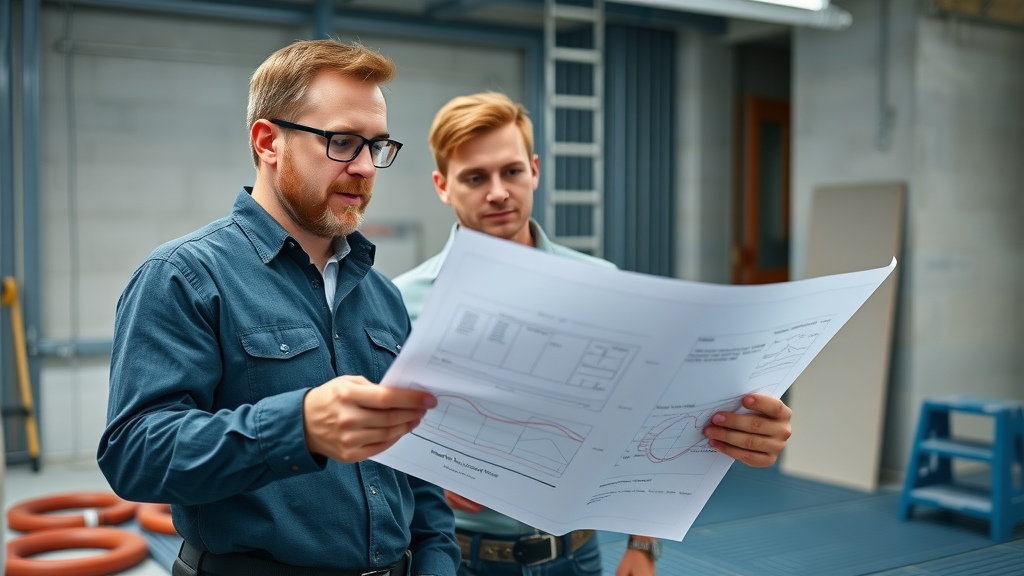
accredited underfloor heating installers Chesterfield reviewing blueprints
  • Accredited heating system installers
  • Range of underfloor heating system and floor heating options
  • Expertise in electric underfloor heating and wet underfloor heating
  • Efficient heating solutions and support for heat pump integration

Expert Insights: Electric Underfloor Heating and Wet Underfloor Options from Chesterfield Suppliers

Pros and Cons: Electric Underfloor Heating Versus Wet Underfloor Heating Systems

Electric underfloor heating and wet underfloor heating (also known as water underfloor heating) offer distinct benefits, and local Chesterfield suppliers expertly advise on which is right for your home. Electric systems are ideal for retrofit projects and modest floor levels—they install quickly, require minimal disruption, and suit smaller living areas or bathrooms. Their primary advantage is flexibility, making them perfect for upgrading old heating in targeted rooms without major construction.

Wet underfloor heating systems excel in larger properties or new builds, as they use water pipes beneath the floor, connected to a central boiler or a source heat pump. This setup delivers exceptionally efficient heat at lower temperatures throughout the entire home, significantly reducing energy bills over time. However, wet underfloor heating installation can be more time-consuming and may require lifting existing floor covering or working at specific floor levels. The long-term value—especially when linked to a heat pump—often makes it the system of choice for families seeking sustainable, efficient heating solutions.
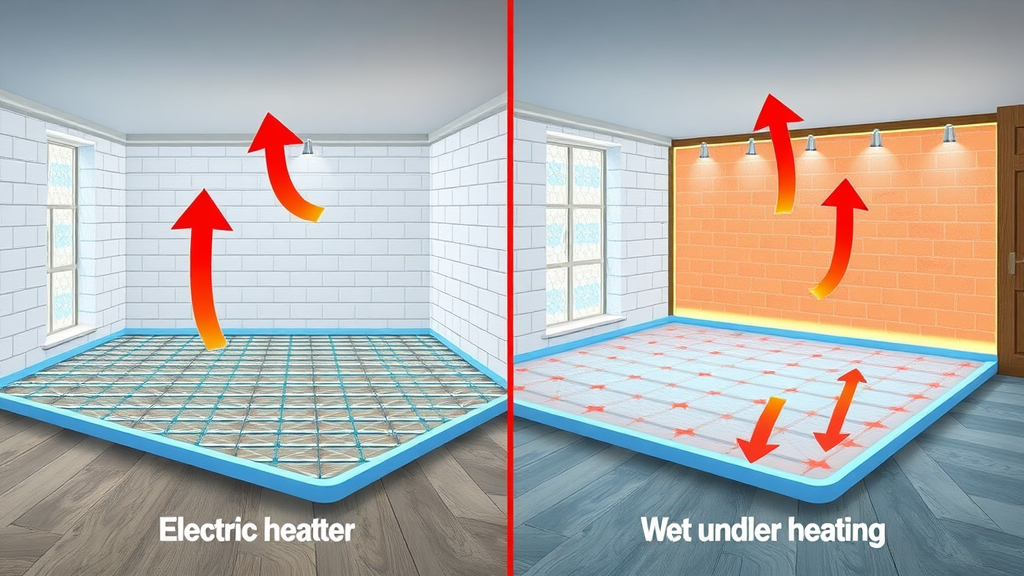
split view electric underfloor heating wet underfloor heating comparison Chesterfield
"Efficient heating goes beyond comfort—it’s about long-term savings and sustainable living,” comments a Chesterfield heat pump expert.

Installation Process: What to Expect from Underfloor Heating Installation in Chesterfield

The installation process for underfloor heating systems in Chesterfield has evolved thanks to skilled local heating engineers. Whether you choose electric or wet underfloor heating, the process usually starts with a detailed survey of your floor levels and floor covering types. Professional installers will demonstrate heating installation plans, adjust for building quirks, and help you select the best underfloor heating solution for your property. Expect old floor coverings to be lifted and replaced as needed, and precise calculations to ensure even heat distribution throughout the entire floor heating zone.

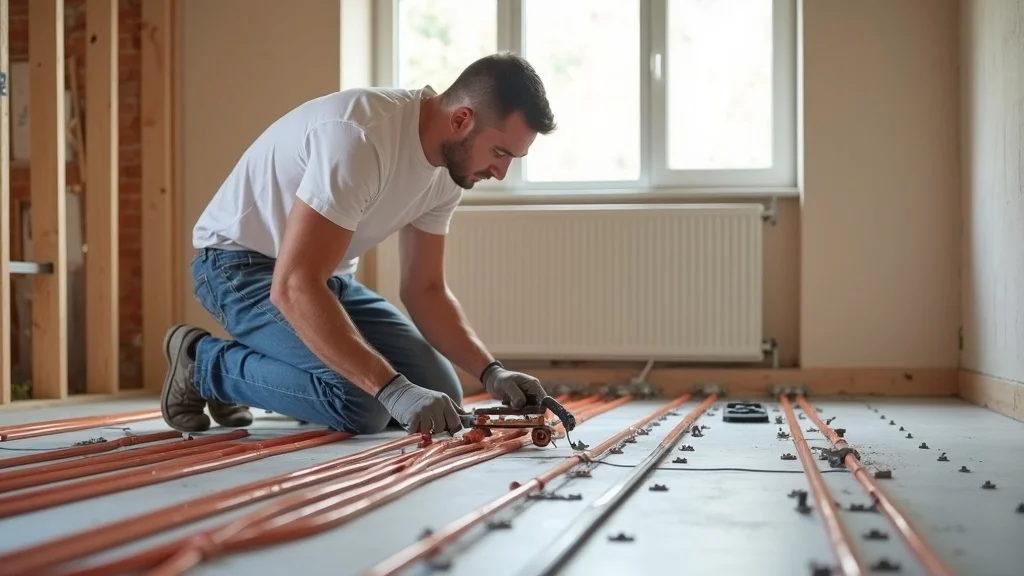
With wet underfloor heating, technicians delicately lay water pipes or tubing in systematic patterns beneath your chosen flooring, connecting everything to a heat pump or boiler. For electric systems, installers position cables or mats before covering with your new flooring. Most reputable suppliers coordinate seamlessly with other trades, ensuring your underfloor heating installed is safe, efficient, and ready for long-term use. Expect cleanup, demonstrations on how to use your new system, and aftercare support from trusted Chesterfield suppliers.

technician installing wet underfloor heating system Chesterfield

Step-by-step video demonstration: Installing a wet underfloor heating system at floor level in a Chesterfield home.

Cost Breakdown: Typical Pricing from Leading Underfloor Heating Suppliers Chesterfield

Price is always a crucial factor when deciding on underfloor heating installation . In Chesterfield, the cost varies depending on the type—electric underfloor heating typically ranges from £40–£50 per square meter, while wet underfloor heating systems can cost between £70–£110 per square meter, excluding any major structural work or system upgrades. Buyers should also factor in the price of a compatible source heat pump if opting for the most efficient heating systems. While the initial outlay for wet underfloor heating is higher, long-term savings on energy bills and the value of lower operating temperatures quickly offset these expenses.

Beyond installation, consider ongoing annual costs. Electric systems are usually cheaper up front but may have higher running costs depending on electricity rates. Wet underfloor heating, especially when linked to a modern heat pump, operates more economically. Many Chesterfield suppliers now offer all-in-one packages, including smart controls, warranties, and aftersales support to ensure your investment delivers maximum comfort and efficiency.

Cost Category Electric Underfloor Heating Wet Underfloor Heating Additional Upgrades Annual Operating Cost
Average Installation £40–£50/m² £70–£110/m² Heat Pump: £2,500-£6,000 Electric: £200–£350
Wet (with heat pump): £120–£200

How Efficient Heating and Source Heat Pump Choices Impact Your Investment

Choosing to combine your underfloor heating system with a source heat pump is an investment in both home comfort and future-proof energy savings. Heat pumps allow wet underfloor heating to operate using much lower temperatures than a traditional radiator—reducing energy bills, supporting efficient heat, and maximizing sustainability. Although the up-front cost may be higher for equipment and installation, the technology delivers proven savings long-term that help offset the initial expense. Smart suppliers in Chesterfield are now offering integrated packages that bundle underfloor heating with modern source heat pump options, making it easier for you to achieve optimal performance and value from your heating system.

Don’t forget: expert support and warranties are also part of the package. Leading underfloor heating suppliers Chesterfield will outline anticipated payback periods, expected energy savings for each heating system, and the best approach for maximizing comfort at every floor level. Their guidance ensures you never overspend and make energy-smart decisions for your home.
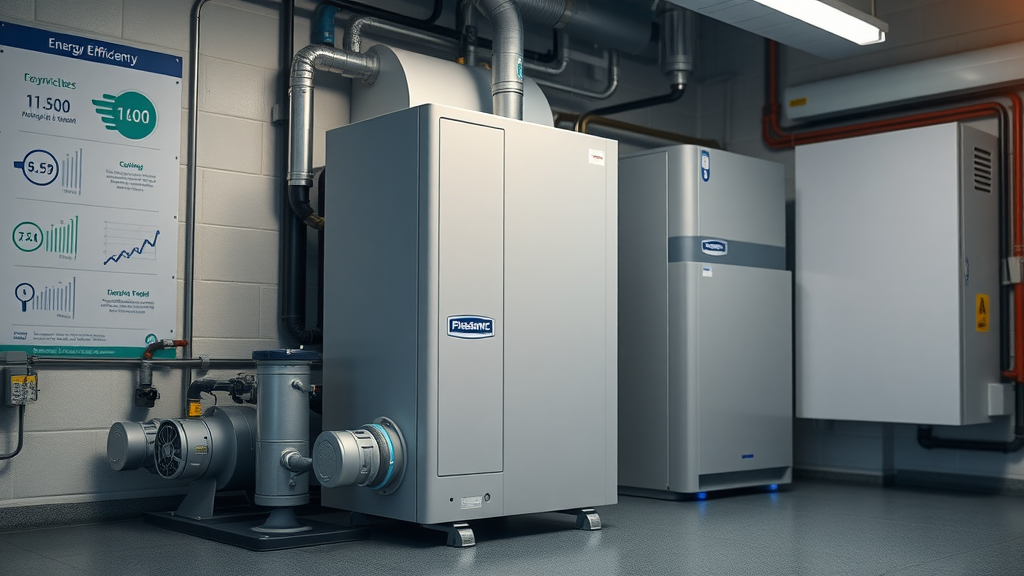
modern heat pump for underfloor heating system Chesterfield efficiency

Customer Experiences with Underfloor Heating Systems in Chesterfield

Review Roundup: Trusted Feedback about Top Underfloor Heating Suppliers Chesterfield

Real-life reviews highlight the difference that professional underfloor heating installation and efficient support can make. Homeowners in Chesterfield frequently report not only improved comfort but also a complete transformation in how they view home heating. One local states, “Our new underfloor heating system in Chesterfield has delivered consistent warmth and drastically reduced our heating bills.” Others praise timely installation, knowledgeable engineers, and smooth integration with existing heat pumps or energy systems. These positive stories confirm the reputation of Chesterfield’s most trusted underfloor heating suppliers.

From families enjoying cozy mornings on warm wooden floors to landlords raising property values with sustainable upgrades, satisfaction spans the region. Customers emphasize how suppliers who thoroughly survey floor levels, provide transparent pricing, and offer ongoing support lead to greater peace of mind. For many, the investment pays off not just in monthly savings, but in the confidence of knowing their heating system is future-proof and environmentally responsible.

"Our new underfloor heating system in Chesterfield has delivered consistent warmth and drastically reduced our heating bills.” — Local homeowner

happy Chesterfield family on warm underfloor heated wooden floor

Common Issues and Troubleshooting with Underfloor Heating Systems

While underfloor heating systems are built for reliability, some challenges can occasionally arise—and knowing what to expect makes all the difference. Homeowners sometimes report hot or cold spots due to uneven installation or ineffective floor heat mapping. Top Chesterfield suppliers address these quickly by sending experienced heating engineers to diagnose and balance the system. Electronics, thermostats, or circulation pumps (in water underfloor heating) may need adjustment, especially if integrated with older central heating systems or new floor coverings.

If you notice inconsistent heating after installation, check if the system responds to controls at each floor level and ensure furniture or dense floor coverings aren’t blocking heat. Many troubles are solved by supplier-led troubleshooting, where they recalibrate controls, replace sensors, or flush water underfloor heating lines for peak performance. Choosing a reputable Chesterfield supplier provides lasting peace of mind—they stand ready with parts, skill, and guarantees should anything go wrong.

People Also Ask About Underfloor Heating Suppliers Chesterfield

Which type of underfloor heating system is best for Chesterfield homes?

Electric underfloor heating is best for smaller spaces or renovations, while wet underfloor heating systems work great in larger homes or new builds. If you plan major upgrades or install a heat pump, most experts recommend the latter for long-term savings and efficient heat distribution.

Are underfloor heating suppliers Chesterfield reliable for aftercare services?

Yes, leading underfloor heating suppliers Chesterfield provide comprehensive aftercare. They offer warranties, quick response heating engineers for troubleshooting, and guidance on system optimization to ensure your home’s comfort and efficient heating year-round.

Frequently Asked Questions About Underfloor Heating Suppliers Chesterfield

  • Can I pair a source heat pump with underfloor heating? Yes—many Chesterfield suppliers specialize in integrating heat pumps with wet underfloor heating, supporting energy efficient operation and reduced heating bills.
  • How long does installation of underfloor heating systems take? Depending on system type and floor level complexity, installations typically range from 1–3 days for electric systems and 2–5 days for wet systems, including preparation and testing.
  • What floor level is best suited for electric underfloor heating solutions? Electric systems suit all floor levels, especially top floors or rooms where you want a retrofit or targeted heat, like bathrooms or lofts.
  • Do Chesterfield suppliers guarantee efficient heating performance? Yes—reputable suppliers stand by their installation and provide warranties on performance, ensuring your underfloor heating installed meets or exceeds efficiency standards.

Summary and Next Steps: Find The Right Underfloor Heating Supplier in Chesterfield

"Choosing the right underfloor heating supplier Chesterfield makes all the difference for your long-term comfort and energy efficiency."

Ready to enhance your comfort? Contact your preferred underfloor heating supplier Chesterfield today to compare solutions, review pricing, and schedule a professional installation.

Take the next step : Reach out to one of Chesterfield’s leading underfloor heating suppliers for a bespoke quote, full system design, and professional installation. Enjoy warmer floors, lower bills, and lasting home comfort starting now.

What You’ll Learn: How to choose the ideal floor heating system, key differences between electric and wet options, installation costs, and real customer feedback—arming you with everything needed to transform home comfort.

Sources

  • Energy Saving Trust – https://energysavingtrust.org.uk/advice/underfloor-heating/
  • Which? – https://www.which.co.uk/reviews/underfloor-heating/article/types-of-underfloor-heating-ax3th0q9klm5
  • Housetastic – https://www.housetastic.co.uk/blog/underfloor-heating-cost
  • Money Saving Expert – https://www.moneysavingexpert.com/utilities/underfloor-heating/

When selecting an underfloor heating supplier in Chesterfield, it’s essential to choose a reputable provider to ensure quality installation and service. Here are some top-rated suppliers in the area:

Highfield Plumbing and Heating
Open now · 4.9 (207 reviews)
42 Heatherley Dr, Forest Town, Mansfield NG19 0PY, United Kingdom
With a rating of 9.73 from 295 reviews, they offer underfloor heating installation along with plumbing services.

Love Your Boiler
Open now · 4.9 (68 reviews)
80 Barnes Ave, Dronfield Woodhouse, Sheffield, Dronfield S18 8YG, United Kingdom
Rated 9.91 from 240 reviews, they provide underfloor heating installations and boiler services.

MaxHeatUFH Ltd
Open now · 5.0 (17 reviews)
1 Bridge Grn, Prestbury, House SK10 4HP, United Kingdom
With a 9.84 rating from 12 reviews, they focus on underfloor heating solutions.

These suppliers have been recognized for their quality services and customer satisfaction. When choosing a supplier, consider their experience, range of services, and customer reviews to ensure they meet your specific underfloor heating needs.
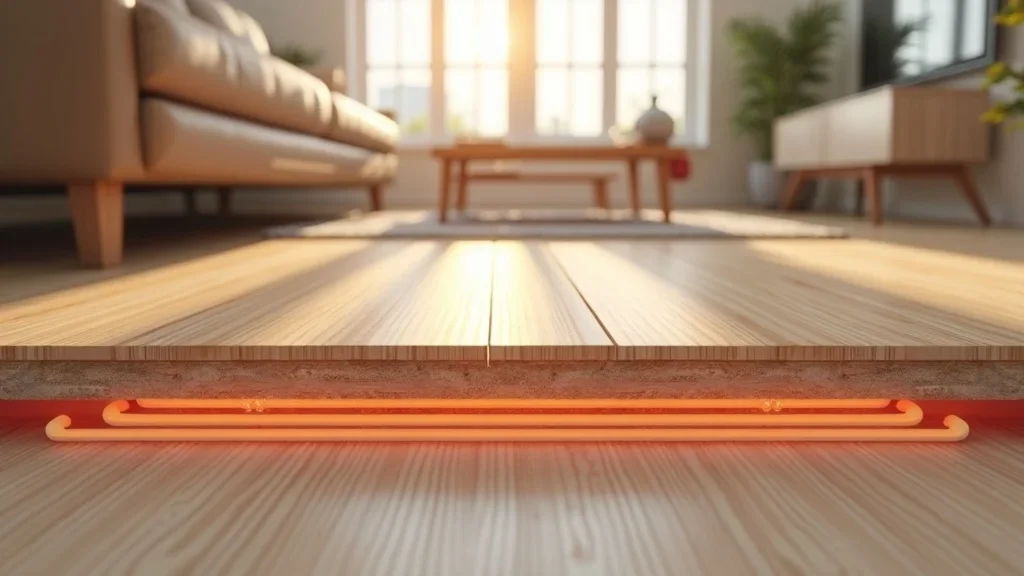
Smart Underfloor Heating

34 Views

0 Comments

Write A Comment

*
*
Related Posts All Posts
01.09.2026

How Does Underfloor Heating Compare to Radiators? Your Questions Answered

Ever wondered why more new build homes are choosing underfloor heating over traditional radiators? If so, you're not alone. This guide unpacks the key differences, benefits, challenges, and answers your most pressing questions about underfloor heating vs radiators FAQs.Jamie Alberts, director of Peak Underfloor Heating Ltd, shares his expert perspective to help you make an informed choice for your home or project.Opening Hook: Why Choose Underfloor Heating Over Traditional Radiators?Understanding why people switch to underfloor heating vs radiators starts with appreciating its growing popularity and the reasons behind it. Unlike radiators, which have been the heating standard since the 1960s and 70s, underfloor heating offers an efficient, space-saving alternative that can enhance comfort and energy efficiency. Jamie Alberts explains, "Underfloor heating has evolved steadily over the years, especially because it helps save space and reduces running costs compared to radiators."Many homeowners seek heating solutions that are discreet yet effective. Radiators can obstruct wall space and limit interior design options. Conversely, underfloor heating frees your walls and offers more consistent warmth. So if you’re looking to upgrade your home's comfort or design, this could be the perfect time to consider underfloor heating.Overview of Underfloor Heating vs RadiatorsHow Underfloor Heating Works: Thermal Mass and Heat DistributionAt its core, underfloor heating takes advantage of the floor itself as a giant radiator. Pipes or electric coils beneath the floor surface warm the entire floor area, distributing heat evenly throughout the room. This concept is built on thermal mass — the ability of materials like concrete to hold and radiate heat consistently.Jamie Alberts of Peak Underfloor Heating explains: "The ethos of underfloor heating is that the floor becomes the radiator, providing a more even and comfortable heat distribution." Unlike radiators, which concentrate heat in one area, underfloor heating creates a gentle, permeating warmth that fills the space from the ground up, making for a cozy and balanced environment.For those interested in practical ways to maximise efficiency and reduce heating expenses, exploring cost-effective heating strategies can offer actionable tips that complement the benefits of both underfloor heating and radiators.Radiators: Quick Heat but Higher Running CostsTraditional radiators work by heating water to high temperatures — often between 60 to 70 degrees Celsius — that circulates through metal panels fixed on walls. This heats the air nearby quickly, making rooms feel warm fast.However, Jamie notes: "While radiators heat up quickly, underfloor heating maintains warmth longer due to thermal mass, which can lead to lower energy bills." Radiators tend to have hotspots and cold spots and consume more energy due to the higher running temperatures required, resulting in higher operating costs compared to underfloor systems.Benefits of Underfloor Heating Compared to RadiatorsSpace Efficiency and Aesthetic AdvantagesOne of the primary advantages of underfloor heating vs radiators is the superior space efficiency it offers in modern heating systems. Without bulky radiators on your walls, you gain more usable floor-to-ceiling space and better freedom in interior design. This can make rooms feel larger and less cluttered.Jamie Alberts highlights this advantage: "Without radiators on the walls, you free up your space and avoid the dusty surfaces radiators attract. Plus, underfloor heating provides a clean and sleek look, perfect for modern living." The seamless integration beneath the floor means heating is invisible, giving properties a stylish and minimalistic appeal.Lower Running Costs and Compatibility with Heat PumpsAnother attractive benefit is the lower running costs and energy efficiency achievable through an underfloor heating system. Because it operates at lower water temperatures — typically between 35 to 50 degrees Celsius — it uses less energy than radiators, which often run much hotter.Jamie explains, "We use Swedish-manufactured flow tanks that can run at just 30 degrees, which pairs exceptionally well with heat pumps. This means utility bills can be up to a third lower, reducing your home's carbon footprint."This makes underfloor heating an excellent match for modern low-carbon heating technologies like air source heat pumps, which are designed to operate efficiently at lower temperatures.Challenges and Considerations When Choosing Underfloor Heating vs RadiatorsInstallation Complexity and Retrofit OptionsDespite its benefits, underfloor heating installation is more complex than fitting an existing radiator or traditional heating system. It requires careful planning of floor build-ups, insulation, and screed to create efficient thermal mass. This process is straightforward for new builds but can present challenges for existing homes.Jamie shares, "For retrofit installations in joisted floors or older houses, we use specialist systems like aluminum heat spreader plates or pre-routed chipboard panels. It's crucial to assess floor height constraints and insulation to determine the best approach." Retrofits often involve additional costs and careful design to avoid raising floor levels excessively.Control Systems and Heat RegulationControl is another key area where underfloor heating differs from radiators. While radiators are usually controlled via a central thermostat or multiple radiator valves, underfloor heating typically uses room thermostats linked to manifold control systems.Jamie explains, "Underfloor heating works to keep a constant, flat temperature line rather than the quick on/off cycles radiators have. This can cause a learning curve for users, but it also results in more comfortable and energy-efficient heating over time."Expert Insights: Jamie Alberts on Underfloor Heating vs Radiators"The ethos of underfloor heating is that the floor becomes the radiator, providing a more even and comfortable heat distribution," says Jamie Alberts, of Peak Underfloor Heating Ltd."While radiators heat up quickly, underfloor heating maintains warmth longer due to thermal mass, which can lead to lower energy bills," Jamie adds.Comparing Running Costs: Underfloor Heating vs RadiatorsAspectUnderfloor HeatingRadiatorsOperating Temperature35°C - 50°C (often ~45°C)60°C - 70°CHeat DistributionEven, radiant heat from floor surfaceLocalized, hot spots near radiatorRunning CostsLower due to efficient heat and lower tempHigher due to hotter water and heat lossInstallation CostHigher initial investmentLower initial outlaySpace UsageNo visible heaters taking wall spaceOccupies wall space, adds clutterCompatibility with Heat PumpsExcellentLess efficient at higher tempsUnderfloor Heating in New Builds and Existing HomesNew Build InstallationsInstalling underfloor heating in new builds is typically simpler and more cost-effective compared to retrofitting existing radiator systems. The system can be integrated into the design from the earliest stages, allowing for floor insulation, screed depth, and manifold placement to be optimised.Jamie describes the process: "We start with a site visit, assess the floor construction, then collaborate on heat loss calculations and design layout. This approach guarantees performance and efficiency from day one."Retrofitting Underfloor HeatingFor existing properties, retrofitting underfloor heating requires specialized solutions due to limited floor height and insulation constraints. Systems using aluminium heat spreader plates or reduced screed depths are common to minimise disruption and floor height changes.Jamie advises, "We listen carefully to clients’ needs and evaluate what retrofit options suit their home best, balancing performance with practical constraints."Common FAQs on Underfloor Heating vs RadiatorsIs it better to have radiators or underfloor heating?Each system has pros and cons. Radiators provide quick heat and lower installation costs; underfloor heating offers superior comfort, efficiency, and space-saving but at higher upfront cost. Underfloor heating is preferred for modern, energy-efficient homes, especially when paired with heat pumps.What is the downside of underfloor heating?Higher installation costs and slower heat-up times are key downsides. Retrofitting can be complex. It also requires careful programming and control management, which some users find tricky initially.Can you get rid of radiators if you have underfloor heating?Yes, many homes with underfloor heating remove radiators entirely for a cleaner look and better heat distribution. Some owners keep radiators for supplementary heat or faster warming in specific rooms.Is underfloor heating more expensive to run than traditional radiators?No, underfloor heating generally costs less to run due to lower operating temperatures and improved heat retention. Jamie Alberts confirms, "Underfloor heating utility bills can be up to a third less, especially when combined with heat pumps."Key TakeawaysUnderfloor heating provides even, comfortable heat using the floor as a radiator.Radiators heat rooms quickly but can be less efficient and take up wall space.Underfloor heating runs at lower temperatures, reducing energy consumption.Installation costs for underfloor heating are higher but offer long-term savings.Modern underfloor heating systems are highly compatible with heat pumps.Retrofitting underfloor heating requires specialized solutions for existing homes.Conclusion: Making the Right Choice Between Underfloor Heating and RadiatorsChoose underfloor heating for lasting comfort, lower running costs, energy savings, and design freedom — but be prepared for a higher initial investment and planning. Radiators remain a practical option where upfront cost, installation speed, or simplicity is a priority in your heating system choice.If you’re eager to take your home’s energy performance to the next level, it’s worth exploring a wider range of energy-efficient heating solutions, including electric underfloor heating and heat pump-compatible systems, that can further reduce your bills and environmental impact. From advanced controls to integrating renewable technologies, there are innovative options that go beyond the basics discussed here. Delving into these strategies can help you future-proof your property and unlock even greater comfort and savings. Start your journey towards a smarter, more sustainable heating system today by discovering what’s possible for your unique space.For expert help or advice, contact Peak Underfloor Heating Ltd at https://peakunderfloorheating.com/SourcesPeak Underfloor Heating Ltd Official WebsiteU.S. Department of Energy: Underfloor Heating BenefitsHVAC Informed: Radiators vs Underfloor HeatingWhen evaluating heating options for your home, understanding the differences between underfloor heating and traditional radiators is crucial. The article “Underfloor Heating vs Radiators: The Complete Guide to Efficiency, Comfort, and Cost Savings” provides an in-depth comparison, highlighting how underfloor heating offers even heat distribution and operates at lower temperatures, leading to enhanced comfort and energy efficiency. (underfloorheating.info) Similarly, “Underfloor Heating vs. Radiators: Which is Better for Your Home?” discusses the advantages of underfloor heating, such as improved air quality and design flexibility, while also considering factors like installation costs and heating speed. (thefloorheatingwarehouse.co.uk) If you’re serious about optimising your home’s heating system, these resources will offer valuable insights to inform your decision.

01.05.2026

Managing Workload and Business Growth in Underfloor Heating Companies

How can underfloor heating companies balance increasing workloads with sustainable growth? Discover strategies to streamline management, boost efficiency, and ensure your business thrives without burning out. Ready to master the art of managing growth while keeping operations smooth? Understanding the Challenges in Underfloor Heating Business Management Sporadic and seasonal workload fluctuations Balancing installation projects with urgent service call-outs Managing client expectations and tight deadlines Maintaining quality while scaling operations Running an underfloor heating business is no walk in the park. One of the fundamental challenges is the sporadic and seasonal nature of workload. Installation projects tend to peak during certain months, especially leading into winter, when demand to prepare homes increases sharply. However, these busy periods are punctuated by quieter spells, making consistent workflow a juggling act. Adding to the challenge, companies must find a way to balance scheduled installs with urgent service call-outs. Clients don’t always wait for the convenience of your schedule when their heating stops working. This dual demand often forces underfloor heating specialists to manage competing priorities simultaneously—a trial of stamina and organisation. Furthermore, managing client expectations and tight deadlines brings its own complexities. With main contractors and national housebuilders relying heavily on timely delivery, any delay can cause knock-on effects and frustration. Under pressure to scale operations, companies must also ensure they don’t sacrifice quality for quantity—a difficult line to tread as workloads intensify. Jamie Alberts, of Peak Underfloor Heating, explains, "It's a constant spinning plate — juggling installs, call-outs, and office work, especially during the busy winter months." Strategies to Streamline Underfloor Heating Business Management Prioritise manageable team size to maintain quality control Use detailed project planning and heat loss calculations for accurate quoting Leverage subcontractors strategically during peak periods Implement efficient scheduling to reduce conflicts between installations and repairs Scaling a business doesn’t always mean growing into a massive team. Jamie Alberts shares a nugget of wisdom he got from his old boss: "My old boss advised me to stick to a team size of two to six because growth doesn't always mean proportional earnings." Focusing on a manageable team size ensures quality control and prevents operational chaos. Another key strategy is the use of detailed project planning supported by heat loss calculations. These measures provide accurate quoting and smooth installations, reducing the risk of costly errors or redesigns down the line. Knowing your numbers makes all the difference when balancing workloads. Since work tends to peak unpredictably, leveraging subcontractors intelligently allows the company to stay flexible. You don’t want to overhire and strain resources, but having reliable subcontractors means you can handle busy times without overstepping your control. Finally, efficient scheduling to separate planned installations from urgent maintenance visits reduces stress and minimises clashes. This approach helps free up time for both on-site work and necessary administrative tasks. When managing urgent service call-outs, it's crucial to have a rapid response plan in place—especially for issues like burst pipes that can cause significant property damage. For practical advice on handling these emergencies efficiently, explore this guide on how to stop damage fast when a burst pipe occurs. Jamie Alberts shares, "My old boss advised me to stick to a team size of two to six because growth doesn’t always mean proportional earnings." The Importance of Expert Design and Planning in Underfloor Heating Projects Conducting thorough site visits to assess floor construction Choosing between new build and retrofit systems based on client needs Collaborating with suppliers for tailored system designs Ensuring proper manifold placement and pipe insulation to optimize heating efficiency Effective underfloor heating business management requires not just skilled installation but also meticulous design and planning. The initial step involves a thorough site visit to understand the floor construction, whether a new build or retrofit, since this determines the heating system type. Design choices need to be customised to client needs and structural constraints. Collaborations with suppliers – such as the Swedish manufacturer LK International used by Peak Underfloor Heating – enable precision designs that meet specific heat output requirements and floor finish resistances. The position of the manifold and how pipes are insulated also affects the system’s overall performance. Insulating pipes that traverse rooms prevents unwanted heat loss, maintaining efficiency and comfort in all areas served. Expert Insight on Design Process Jamie Alberts notes, "We do a heat loss count and design 90% of our projects to cross the t’s and dot the i’s, ensuring the system meets output requirements and floor finish resistance." Managing Workload: Balancing On-Site Work and Administrative Tasks Scheduling office work during quieter periods Using digital tools for quoting and project tracking Maintaining clear communication with clients and contractors Planning work trips efficiently to reduce travel fatigue Beyond the physical demands of installation, managing the business side is equally vital. Jamie highlights how booking office tasks during quieter periods allows him to catch up on quoting, invoicing, and project coordination. Utilising digital project management tools simplifies tracking job progress and communication across teams and clients. Clear channels reduce misunderstandings and ensure everyone remains on the same page, a critical factor when juggling multiple projects. Strategic planning of site visits and work trips reduces fatigue caused by travel. For example, scheduling consecutive jobs in a geographic area, like around Stratford-upon-Avon or Birmingham, creates efficiency and helps maintain quality even under pressure. Maintaining Work-Life Balance While Growing Your Underfloor Heating Business Setting realistic work hours and avoiding overcommitment Organising work weeks to allow family time and rest Building a reliable support team including subcontractors Prioritising health to sustain long-term productivity Jamie Alberts candidly shares the personal challenges of running an underfloor heating company, especially the impact on family life. Balancing business growth with personal wellbeing means setting realistic work hours and not overcommitting. Organising the work schedule into focused weeks — for example working Monday to Thursday on-site and returning home to rest and spend time with family — helps maintain energy and morale. A supportive subcontractor network also eases the burden during busy periods. Health is a silent pillar of productivity; Jamie jokes about his “two knee replacements by 42” but underscores the importance of prioritising well-being to avoid burnout in this physically demanding trade. Jamie Alberts reflects, "Being away for work is tough, especially with family, but organising weeks on and off helps me manage both business and personal life." Common Mistakes and Misconceptions in Underfloor Heating Business Growth Assuming bigger teams always mean higher profits Neglecting detailed design and planning phases Underestimating the importance of quality control Overextending resources leading to burnout Many underfloor heating businesses chase growth by expanding their teams rapidly, mistakenly believing bigger equals better. Jamie’s experience tells a different story: increased headcount doesn't guarantee proportional earnings or success. This common misconception often leads to operational strain and compromised quality. Neglecting thorough design and planning is another pitfall. Without accurately assessing heating requirements and site conditions, failures and costly callbacks become inevitable. Quality control must remain central, irrespective of growth ambitions. Overextending resources—whether through too many projects or insufficient staff—quickly results in dropped standards and worker exhaustion. Actionable Tips for Effective Underfloor Heating Business Management Keep team size manageable to ensure quality and control Invest in training and specialist tools like pipe staplers and decoilers Maintain strong supplier relationships for technical support Plan projects meticulously with heat loss calculations and design drawings Use subcontractors wisely to handle workload spikes without overexpansion Tip Benefit Manageable team size Better quality control and less stress Detailed project design Accurate installations and satisfied clients Supplier partnerships Access to technical expertise and reliable products Use of specialist tools Faster, safer installations Strategic subcontracting Flexibility during busy periods People Also Ask What are the benefits of underfloor heating over traditional radiators? How do you manage workload fluctuations in an underfloor heating business? What specialist tools are needed for underfloor heating installation? How can small underfloor heating companies grow sustainably? What role do suppliers play in underfloor heating business success? Key Takeaways Sustainable growth requires balancing team size and workload carefully. Detailed design and planning are critical for successful underfloor heating projects. Strong supplier relationships and specialist tools improve efficiency. Work-life balance is essential to avoid burnout in this demanding industry. Strategic use of subcontractors helps manage peak workloads without overexpansion. Conclusion: Mastering Underfloor Heating Business Management for Long-Term Success Jamie Alberts concludes, "Turning work down is sometimes heartbreaking, but it’s better to maintain quality and control than to grow too fast and lose the essence of what makes your business successful." Prioritise quality and control over rapid expansion. Smart planning, team management, and supplier support will keep your underfloor heating business thriving long-term without the burnout. If you’re looking to future-proof your business and stay ahead of unexpected challenges, it pays to broaden your expertise beyond just heating systems. Understanding how to respond swiftly to plumbing emergencies, such as burst pipes, can make your company indispensable to clients and help you stand out in a competitive market. For a deeper dive into rapid response strategies and protecting properties from water damage, take a look at this comprehensive resource on effective burst pipe repair and damage prevention. Expanding your knowledge in these areas not only enhances your service offering but also positions your business for resilient, sustainable growth. For Expert Help or Advice Visit Peak Underfloor Heating at https://peakunderfloorheating.com/ for professional guidance and support. Managing workload and business growth in underfloor heating companies requires strategic planning and efficient operations. To gain deeper insights into effective management practices, consider exploring the following resources: “Underfloor Heating Market to Reach $11.94 Billion by 2035, Growing at a CAGR of 6.8% from 2025–Exclusive Report by Meticulous Research®” (tmcnet.com) This report provides comprehensive data on market trends, growth projections, and key drivers influencing the underfloor heating industry, offering valuable context for strategic business decisions. “Underfloor Heating Market Size, Share & Growth Report by 2033” (straitsresearch.com) This analysis delves into market dynamics, competitive landscapes, and technological advancements, equipping businesses with the knowledge to navigate growth challenges effectively. By leveraging these resources, underfloor heating companies can enhance their management strategies, align with industry trends, and achieve sustainable growth.

01.02.2026

How Underfloor Heating Works with Heat Pumps

Did you know underfloor heating paired with heat pumps can cut household energy use by up to 30%? This efficient system transforms your home into a cosy space while significantly lowering bills. Discover how mastering this technology benefits your comfort and wallet today.Did you know underfloor heating paired with heat pumps can cut household energy use by up to 30%?This efficient system transforms your home into a cosy space while significantly lowering bills.Discover how mastering this technology benefits your comfort and wallet today.Overview of Underfloor Heating and Heat PumpsWhat is Underfloor Heating and How Does It Work?Underfloor heating heat pumps combine two innovative technologies to provide an energy-efficient and comfortable home heating solution. Underfloor heating operates by making the entire floor surface act as a radiator. Heat circulates through pipes embedded beneath the floor, distributing warmth evenly across the room.Jamie Alberts, of Peak Underfloor Heating, explains, "The ethos of underfloor heating is that the floor itself becomes the radiator, providing a consistent and efficient heat source through thermal mass." This means instead of hot spots near traditional radiators, the heat rises gently from beneath your feet, producing a comfortable and stable temperature environment.The system typically uses warm water at lower temperatures than radiators, making it particularly efficient, especially when combined with modern heat pumps. This way, the whole floor acts as a vast heat emitter, utilising the thermal mass to regulate and maintain comfortable room temperatures without excessive energy consumption.Understanding Heat Pumps and Their Role in Heating SystemsHeat pumps are devices that extract heat from the outside air (or the ground) and convert it into usable warmth for your home. Air source heat pumps are the most common and work efficiently even in cooler climates by transferring ambient heat indoors.Paired with underfloor heating, these pumps provide water at lower flow temperatures—usually between 30°C and 50°C—but the extensive surface area of underfloor systems effectively distributes this heat. This combination improves energy efficiency and reduces running costs compared to traditional gas boilers.Why Combine Underfloor Heating with Heat Pumps?Combining underfloor heating with heat pumps creates a synergy that optimises heating comfort and efficiency. Underfloor heating requires lower water temperatures to comfortably heat living spaces. Heat pumps naturally deliver these lower temperatures more efficiently than traditional boilers.Jamie Alberts remarks, "Air source heat pumps are becoming the future of heating, especially when paired with underfloor heating systems that operate efficiently at lower temperatures." This means your home can stay warm at a lower cost and with less environmental impact, making it a smart investment for modern homes.Additionally, underfloor heating eliminates the need for wall-mounted radiators, freeing up space and giving homeowners greater flexibility in interior design.While this guide focuses on water-based underfloor heating with heat pumps, it's worth noting that electric underfloor heating systems offer a different approach, providing rapid warmth and simple installation for certain property types. Exploring both options can help you determine the best fit for your home's needs and energy goals.How Underfloor Heating Heat Pumps Differ from Traditional Heating SystemsTemperature and Efficiency Differences Between Radiators and Underfloor HeatingTraditional radiators warm a room by heating the air in a concentrated zone, often leading to temperature fluctuations. Radiators commonly operate with water temperatures of 60°C or more, which heats up spaces quickly but can be less efficient.Underfloor heating heat pumps, on the other hand, warm the floor itself, providing a consistent and gentle heat that maintains a steady temperature over time. Because the system operates at lower flow temperatures—typically around 40-50°C or even as low as 30°C with advanced technology—the energy consumption is reduced while comfort is maximised.This difference in operation and temperature means running costs can be substantially lower, and the heating feels more natural and comfortable.The Role of Thermal Mass and Insulation in Underfloor Heating SystemsThe efficiency of underfloor heating depends heavily on the floor’s thermal mass and insulation. Thermal mass refers to the floor's ability to store and release heat slowly. A concrete or screed floor, insulated properly underneath, stores the heat delivered by the pipes and radiates it gradually into the room.Proper insulation below the heating system ensures that heat does not dissipate downward but rises into the living space, increasing system effectiveness and reducing wasted energy. Jamie Alberts states, “the most efficient system works from the block and beam upwards to your final floor finish, using insulation and a 75 mm screed to maximise thermal mass.”High-quality insulation combined with a heavy thermal mass creates an energy-efficient and comfortable environment that retains warmth well between heating cycles.Compatibility of Underfloor Heating with Air Source Heat PumpsModern air source heat pumps are ideally suited to underfloor heating systems because of their low-temperature water output. The lower flow temperatures required make the pump’s operation more efficient and increase its lifespan.Jamie Alberts highlights, “We use a Swedish manufacturer whose systems run at flow temperatures as low as 30°C, producing utility bills nearly a third less than older setups.” This makes air source heat pumps coupled with underfloor heating a future-proof solution, especially with rising environmental standards and regulations on traditional gas boilers.Design and Installation Considerations for Underfloor Heating Heat PumpsInitial Site Assessment and Floor Construction TypesThe design process starts with a detailed site assessment. For new buildings, floor construction can be integrated with the heating system during the build for optimal efficiency. Existing homes might require retrofit solutions, which are designed to minimise floor build-up and work effectively with joisted floors.Jamie Alberts explains, “We begin by assessing the floor construction type and decide whether a new slab can be poured with insulation or if a retrofit system with heat spreader plates or specialized boards is needed.” Each method balances heat output, installation complexity, and floor height constraints.Site visits also identify the best manifold location and assess electrical control options to ensure optimal system responsiveness and ease of use.System Design: Heat Loss Calculations and Manifold LayoutUnderstanding heat loss is critical for designing a system that delivers the right amount of warmth efficiently. Designers calculate the watts per square meter required for each room considering insulation, window sizes, and floor finishes.Jamie notes, “We perform a heat loss calculation similar to radiator systems but with special attention to floor finish resistance. Our suppliers then help finalise layout plans for the pipes and manifold.” Proper manifold placement ensures balanced flow and easy access for maintenance.Installation Techniques for Ground Floor and Joisted AreasGround floors often incorporate pipes embedded in insulation and screed before a final floor finish is applied. For joisted floors, installers typically use pre-routed chipboard or cement-based panels that help spread heat evenly without excessive floor height.Jamie adds, “One of the best performing solutions is using a castellated panel with a 20mm leveling compound that accepts any floor finish, combining efficiency with installation flexibility.”Choosing the right installation technique ensures optimal heat output, system responsiveness, and customer satisfaction.Special Tools and Equipment Needed for InstallationWhile underfloor heating installation shares many tools with general plumbing, certain specialized equipment improves efficiency considerably. Staple guns and pipe decoilers are crucial, allowing installers to lay pipes quickly and accurately.Jamie Alberts notes, "The staple guns and pipe decoilers are essential tools that make installation much easier and more efficient, especially compared to manual methods." These tools reduce installation time and physical strain for installers, facilitating higher quality and faster project completion.Operational Insights: Managing Underfloor Heating Heat PumpsControlling Temperature: Thermostats and Flow TemperaturesUnderfloor heating systems are typically controlled by thermostats in each room that activate the heating only when temperatures fall below set points, maintaining a steady warmth rather than frequent on/off cycles.Jamie explains, “The floor heating is not on 24/7, but rather it kicks in for brief periods to maintain a consistent temperature, creating a flat thermal curve rather than the rapid ups and downs seen with radiators.” This intelligent control minimises energy waste and keeps running costs low.Flow temperatures for underfloor systems usually range around 40-50°C, but advanced systems can operate effectively at even lower temperatures, enhancing efficiency when paired with heat pumps.Energy Efficiency and Running Costs Compared to Gas BoilersRunning an underfloor heating heat pump system can reduce heating costs substantially thanks to lower operating temperatures and more even heat distribution. Heat pumps deliver heat using ambient energy, significantly reducing reliance on fossil fuels.Jamie highlights that clients see bills nearly one-third lower than traditional setups when they upgrade to these systems, illustrating both financial and environmental benefits.Common Misconceptions About Underfloor Heating OperationSome homeowners believe underfloor heating is slow to heat rooms or must run constantly. In reality, while it has a slower heat-up time compared to radiators, once warm, the system retains heat longer due to thermal mass, requiring less frequent operation.Jamie indicates that underfloor systems are thermostatically controlled to come on only as needed, improving comfort and reducing energy waste compared to conventional heating schedules.Expert Insights: Jamie Alberts on Underfloor Heating Heat PumpsJamie Alberts, of Peak Underfloor Heating, shares, "Air source heat pumps are becoming the future of heating, especially when paired with underfloor heating systems that operate efficiently at lower temperatures."Choosing the Right Supplier and System for Your NeedsJamie stresses the importance of working with trusted suppliers with proven track records. Peak Underfloor Heating primarily uses LK International, a Swedish brand with over a century of experience, ensuring quality and technical support.According to Jamie, “Our relationship with LK International allows us to tailor systems precisely and benefit from their extensive technical expertise, helping ensure successful installations that meet customer needs.” Choosing the right system is critical for maximising comfort, efficiency, and longevity.Handling Large Contracts and Working with National House BuildersWith experience working on large-scale residential projects, Jamie understands the complexities involved in coordinating multiple sites and timelines. His approach involves meticulous planning, scheduling around building stages, and maintaining clear communication with contractors.Jamie shares, “We juggle varied workload and tight schedules, often working away from home during critical project phases, but ensure quality doesn’t waver despite pressures.” His commitment to customer satisfaction and reliability has helped build longstanding partnerships with major house builders.Frequently Asked Questions About Underfloor Heating Heat PumpsAre heat pumps better with underfloor heating?Yes, heat pumps work most efficiently with underfloor heating systems because of the lower water temperature requirement, improving energy use and comfort.What does Martin Lewis say about heat pumps?Financial expert Martin Lewis endorses heat pumps for their efficiency and long-term energy savings, especially when replacing traditional fossil fuel heating.Do you need a special pump for underfloor heating?Underfloor heating systems use specialized circulation pumps designed for low temperature and flow requirements to maintain even heating.What houses are not suitable for heat pumps?Homes with poor insulation, very small radiators, or certain architectural constraints may be less suited without upgrades or hybrid solutions.Key TakeawaysUnderfloor heating heat pumps offer a highly efficient and comfortable heating solution.Thermal mass and insulation are critical for optimal system performance.Air source heat pumps complement underfloor heating by operating at lower temperatures.Proper design, installation, and control are essential for maximizing benefits.Expert advice and quality suppliers like Peak Underfloor Heating ensure successful projects.Conclusion: Embrace Efficient Heating with Underfloor Heating Heat PumpsFinal Thoughts on Energy Savings and ComfortInvesting in underfloor heating heat pumps delivers lasting comfort with lower energy bills and environmental impact. This advanced heating approach is the future of efficient, modern home warmth.How to Get Started with Your Underfloor Heating Heat Pump InstallationBegin by consulting an expert to discuss your home's unique requirements and receive tailored recommendations. Professional design and installation ensure your system performs flawlessly.Jamie Alberts concludes, "Choosing the right underfloor heating heat pump system can transform your home’s comfort and reduce your energy bills significantly. It’s an investment worth making."If you’re considering the next step in energy-efficient heating, it’s valuable to understand how these solutions fit within the broader landscape of modern building systems. For a deeper dive into the full spectrum of commercial and residential heating options—including how underfloor heating compares to other advanced technologies—explore our guide on commercial building heating options. Gaining a strategic perspective can help you future-proof your property, maximise comfort, and make informed decisions as heating technology continues to evolve.For Expert Help or AdviceVisit Peak Underfloor Heating at https://peakunderfloorheating.com/ for professional guidance and bespoke solutions.SourcesPeak Underfloor Heating Ltd Official WebsiteU.S. Department of Energy - Heat Pump SystemsThe Economist - The secret warmth of underfloor heatingCombining underfloor heating with heat pumps offers an energy-efficient and comfortable home heating solution. Underfloor heating systems operate effectively at lower temperatures, aligning perfectly with the optimal performance range of heat pumps. This synergy enhances energy efficiency and reduces heating costs.For a comprehensive understanding of how heat pumps and underfloor heating work together, consider reading “Why heat pumps work well with underfloor heating.” This article delves into the compatibility of these systems and the benefits they offer.Additionally, “The Truth About Heat Pumps and Underfloor Heating Working Together” addresses common misconceptions and provides factual insights into the efficiency of this combination.If you’re serious about optimizing your home’s heating system, these resources will provide valuable information to guide your decisions.

Terms of Service

Privacy Policy

Core Modal Title

Sorry, no results found

You Might Find These Articles Interesting

T
Please Check Your Email
We Will Be Following Up Shortly
*
*
*