


Imagine stepping onto a warm floor on a chilly morning, feeling the comfort radiate through every room. Underfloor heating transforms our homes into cozy sanctuaries, offering energy-efficient warmth and timeless comfort. This guide will help you embrace a smarter, more inviting way to heat your home - combining expert insights, practical advice, and an in-depth look at how underfloor heating can revolutionise your living environment.

What You'll Learn in This Underfloor Heating Guide
Understanding the basics and benefits of underfloor heating
Design considerations for new builds and retrofits
Installation processes and materials involved
Expert insights from Jamie Alberts of Peak Underfloor Heating Ltd
Common misconceptions and practical tips
Energy efficiency and compatibility with modern heating systems
Overview of Underfloor Heating: What It Is and Why Choose It
Jamie Alberts, of Peak Underfloor Heating, explains, "Underfloor heating is becoming more common because it offers efficient heating and saves space by eliminating radiators."
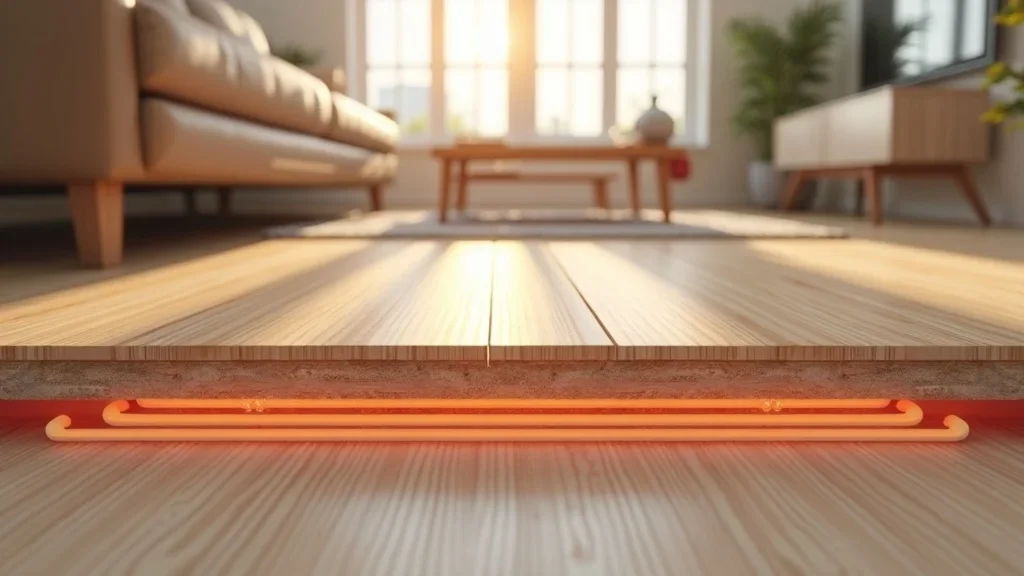
Underfloor heating is a modern heating solution that involves installing a network of pipes or electric elements beneath the floor surface to radiate warmth evenly throughout your rooms. Unlike traditional radiator systems, which heat the air locally and often result in uneven temperature distribution, underfloor heating uses the entire floor as a large, gentle radiator.
This system's main benefits include energy efficiency, thanks to its lower operating temperatures; space-saving design, since it removes the need for bulky wall-mounted radiators; and enhanced comfort, as warmth rises naturally and uniformly. The concept of thermal mass plays a vital role here - the floor materials absorb and slowly release heat, maintaining a steady ambient temperature.
Definition and basic concept of underfloor heating
Comparison with traditional radiator systems
Benefits including energy efficiency, space saving, and comfort
Thermal mass and heat distribution explained

How Underfloor Heating Works Compared to Radiators
Radiators heat air quickly but cool down fast
Underfloor heating uses the floor as a large radiator with slower heat-up and cool-down times
Maintains a more constant temperature for comfort
Typical operating temperatures and thermostat control
Traditional radiators work by heating the air around them quickly, which means rooms warm up fast but often unevenly. The heat rises and cools just as fast, causing temperature fluctuations and hot or cold spots. Conversely, underfloor heating warms the floor itself, which acts as a giant radiator. Although it takes longer to warm up due to the thermal mass of materials like concrete and screed, the system cools slowly, providing a steady, comfortable heat.
Typically, underfloor heating operates at lower temperatures — generally between 40 to 50°C — compared to radiators that often run at 60 to 70°C. Thermostats control the system to maintain a consistent temperature, activating only as required. This means the heating doesn't have to run constantly but is available throughout the day, maintaining a "flat line" temperature rather than cycling on and off frequently.
When considering the installation of underfloor heating, it's important to be aware of potential plumbing issues that can arise in any home. For example, understanding how to quickly address a burst pipe can help prevent significant damage and ensure your heating system remains efficient. If you want to learn more about rapid response strategies, explore this guide on how to stop damage fast from burst pipes.
Designing Your Underfloor Heating System: From Site Visit to Layout
Jamie Alberts shares, "We start with a site visit to assess floor construction and decide between new build or retrofit systems, then proceed with detailed design and heat loss calculations."
Designing an underfloor heating system begins with a thorough site assessment to understand your home's floor construction and heating needs. For new builds, systems can be integrated into the construction process, allowing for full insulation and screed installation. For existing homes, retrofit systems need careful consideration around floor height and insulation to optimise performance.
The design phase includes calculating heat loss for each room to determine the appropriate system output. This calculation informs pipe layout, manifold placement, and thermostat settings to ensure even and efficient heating across different areas. As Jamie Alberts explains, this precise design work is essential to "cross the t's and dot the i's" and guarantee your system performs exactly as expected.
Initial site assessment and floor construction considerations
Differences between new build and retrofit installations
Heat loss calculations and system design process
Manifold location and pipe layout planning
Importance of floor finish and insulation

Materials and Components Used in Installation
Insulation boards, screed, and pipe types
Manifolds and control systems
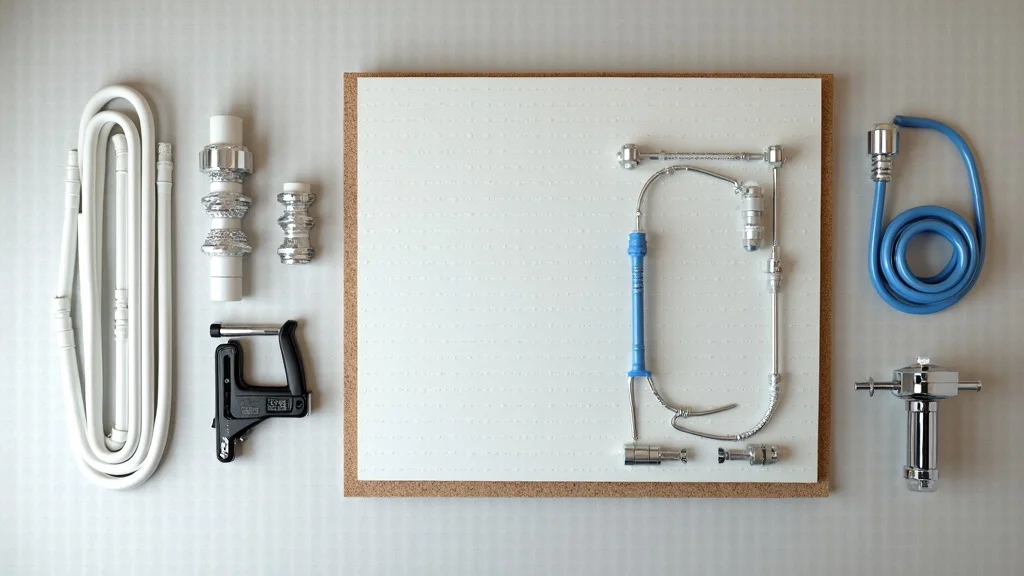
Specialist tools like pipe decoilers and staple guns
Thermal resistance of floor finishes
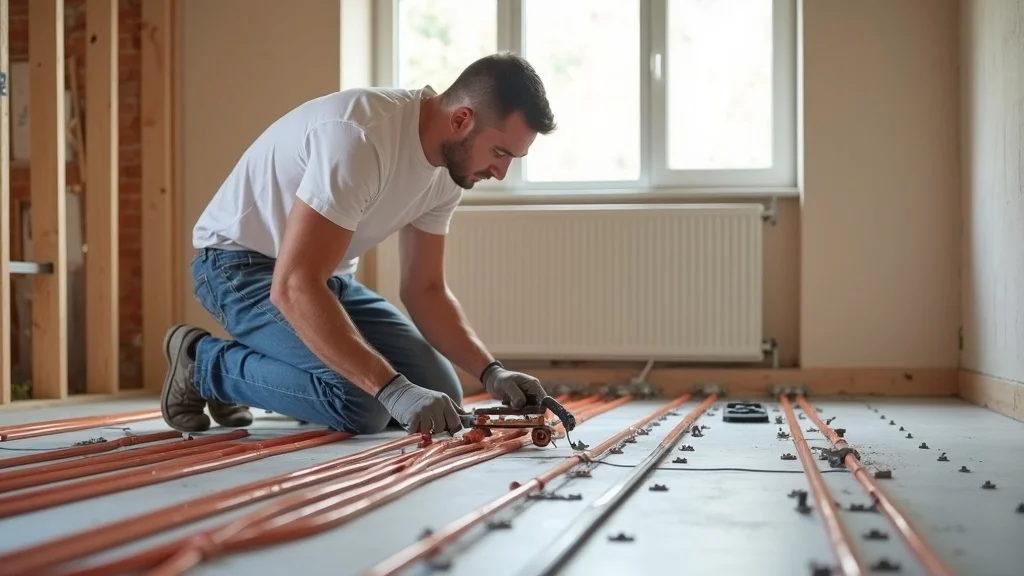
The installation process involves layering insulation boards to prevent heat loss, followed by carefully laid pipes that carry warm water throughout the floors. These pipes are fixed using staple guns to ensure secure placement beneath the screed, the concrete layer poured over them to provide thermal mass for heat retention.
Control is managed via manifolds, which distribute the warm water to different loops or zones in the system, each regulated by thermostats for precise temperature management. Specialist tools such as pipe decoilers - which help uncoil pipe coils smoothly - and staple guns make installation efficient and accurate. Moreover, the choice of floor finish significantly affects heat transfer; materials with lower thermal resistance like tile or stone maximise efficiency.
Benefits of Underfloor Heating: Comfort, Efficiency, and Space Saving
Even heat distribution and improved comfort
Lower running costs due to efficient thermal mass
No wall radiators freeing up space
Reduced dust circulation improving air quality
According to Jamie Alberts, "Underfloor heating can reduce utility bills by up to a third compared to traditional systems, especially when paired with heat pumps."
Underfloor heating creates a uniformly warm environment, eliminating cold spots and providing a luxurious sense of comfort as the heat radiates gently from below. This even heat distribution keeps rooms consistently cosy at lower thermostat settings, which directly translates to energy savings and reduced fuel bills.
Another significant advantage is the complete removal of unsightly radiators, freeing up wall and floor space for furniture or interior design preferences. Additionally, underfloor heating reduces air movement and dust circulation, which can benefit those with allergies and improve overall indoor air quality.

Underfloor Heating and Modern Heating Technologies
Compatibility with air source heat pumps and low-temperature systems
Future-proofing homes against gas boiler phase-out
Examples of advanced flow temperature systems from Swedish manufacturers
Underfloor heating systems work exceptionally well with modern low-temperature heating technologies like air source heat pumps. Jamie Alberts emphasises that many new builds now incorporate such heat pumps, running at temperatures as low as 30°C with specialised components, delivering remarkable energy savings and reduced carbon footprints.
This compatibility is crucial as the UK moves towards phasing out traditional gas boilers by 2025, encouraging homeowners to future-proof their heating systems. Swedish manufacturers, such as LK International, offer advanced flow temperature systems capable of running efficiently at much lower temperatures than conventional setups, which greatly benefits running costs and sustainability.
Common Challenges and Misconceptions About Underfloor Heating
Misunderstanding of heating control and thermostat use
Longer heat-up times compared to radiators
Installation complexity and upfront costs
Maintenance and repair considerations
One common misconception about underfloor heating is that it needs to be on constantly. In reality, thermostats in each room control the heating so it activates only when the temperature dips below the set threshold, maintaining a steady warmth efficiently. The heat-up time is longer due to the thermal mass, but once warmed, the floor retains heat longer than radiators.
Underfloor heating installation is more complex upfront, involving careful design, insulation, and skilled labour, which can make initial costs higher than traditional heating. However, with professional installation and high-quality components, ongoing maintenance is minimal, and repair is manageable via accessible manifolds and zoning controls.
Expert Tips for Maintaining and Optimising Your Underfloor Heating System
Regular system checks and thermostat calibration
Understanding zoning and manifold controls
Choosing appropriate floor finishes for heat transfer
Planning for retrofit installations with minimal disruption
Jamie Alberts recommends regular system inspections to ensure thermostats and manifolds are functioning correctly for optimal temperature control. Understanding how to zone your heating allows you to heat only the rooms you use, improving efficiency and comfort.
When choosing floor finishes, aim for materials with low thermal resistance like tiles or polished concrete to maximise heat transfer. For retrofit projects, detailed planning is essential to minimise floor height changes and disruption, often through the use of specialist panels or screeded solutions.

People Also Ask About Underfloor Heating
How long does underfloor heating take to warm a room? – Typically, it takes up to one hour to reach full warmth due to the thermal mass, compared to minutes for radiators.
Is underfloor heating more energy efficient than radiators? – Yes, underfloor heating operates at lower temperatures and provides more consistent heating, leading to lower running costs.
Can underfloor heating be installed in existing homes? – Yes, through retrofit systems that account for floor height and insulation constraints.
What floor types work best with underfloor heating? – Tile, stone, polished concrete, and some laminate floors transfer heat most effectively.
How do I control the temperature in different rooms? – Using thermostats connected to zoned manifolds allows independent temperature control per room.
Key Takeaways from This Underfloor Heating Guide
Underfloor heating offers efficient, comfortable, and space-saving warmth.
Proper design and installation are critical for optimal performance.
Modern systems integrate well with renewable heating technologies like heat pumps.
Expert advice and quality components ensure long-term satisfaction.
Aspect |
Underfloor Heating |
Radiators |
|---|---|---|
Heat Distribution |
Even across floor |
Localized around radiator |
Heat-up Time |
Slower (up to 1 hour) |
Faster (minutes) |
Operating Temperature |
40-50°C typical |
60-70°C typical |
Space Usage |
No wall space needed |
Requires wall space |
Energy Efficiency |
Higher due to thermal mass |
Lower due to cycling |
Conclusion: Embrace the Future of Home Heating with Underfloor Heating
Jamie Alberts concludes, "Underfloor heating is not just a luxury; it’s a smart investment for comfort, efficiency, and modern living."
Take action today and explore underfloor heating solutions that combine warmth, savings, and modern technology for your home or building project.
If you’re inspired to enhance your home’s comfort and efficiency, remember that a truly resilient heating system is about more than just warmth - it’s about safeguarding your property and ensuring peace of mind. Delving into topics like emergency plumbing response can help you prepare for the unexpected and protect your investment for years to come.
For a deeper understanding of how to handle urgent plumbing issues and keep your home running smoothly, discover the essential steps in managing burst pipe repairs quickly and effectively. This knowledge will empower you to create a home that’s not only comfortable, but also secure and future-ready.
For Expert Help or Advice
Visit Peak Underfloor Heating at https://peakunderfloorheating.com/ for professional guidance and bespoke underfloor heating services.
To deepen your understanding of underfloor heating, consider exploring the following resources:
“An Installer’s Guide to Underfloor Heating” by John Guest offers comprehensive insights into system sizing, suitability, and compliance for both retrofits and new builds. (johnguest.com)
“Underfloor Heating Design & Layout Guide” from The Underfloor Heating Store provides detailed information on layout patterns, thermostat placement, and floor finish considerations to optimize your system’s performance. (theunderfloorheatingstore.com)
These guides will equip you with the knowledge to design and install an efficient underfloor heating system tailored to your home’s needs.










Write A Comment