Add Row
Add Element
cropper
update

Plumbing and Heating Chesterfield

Logo-plumbing and heating chesterfield
update
Add Element
update

CALL US

07966 884368

Add Element
update

EMAIL US

info@edsplumbing.co.uk

Add Element
update

OPEN 24 HOURS  OPEN

Add Element

Add Element
  • Insights Home
  • Topics
    • Eco-Friendly Plumbing Projects
    • Trade Secrets: Eco Edition
    • Smart Spend: Eco Product Picks
    • Smarter Heating to Slash Your Bills
    • Plumbing and Heating Success Stories
    • Sustainable Plumbing and Heating News
    • Innovative Heating Solutions
    • Sustainability Tips for Every Property
    • Plumbing and Heating Services
    • Emergency Plumbing
    • Boiler Installation Repairs and Servicing
    • Commercial Plumbing Solutions
    • Smart Underfloor Heating
    • News
  • Contact Us
  • Subscribe
Add Element
  • Peak Plumbing and Heating Insights on Facebook
    update
  • Peak Plumbing and Heating Insights on X.com
    update
  • Peak Plumbing and Heating Insights Google Business Profile
    update
  • update
  • update
  • Peak Plumbing and Heating Insights on Youtube
    update
  • Peak Plumbing and Heating Insights on Instagram
    update
  • All Posts
  • Eco-Friendly Plumbing Projects
  • Trade Secrets: Eco Edition
  • Smart Spend: Eco Product Picks
  • Smarter Heating to Slash Your Bills
  • Plumbing and Heating Success Stories
  • Sustainable Plumbing and Heating News
  • Innovative Heating Solutions
  • Sustainability Tips for Every Property
  • Plumbing and Heating Services
  • Emergency Plumbing
  • Boiler Installation Repairs and Servicing
  • Commercial Plumbing Solutions
  • Smart Underfloor Heating
  • News
June 12.2025
1 Minute Read

New UK Regulations That Could Affect Your Plumbing in 2025

Are you ready for the sweeping changes in UK plumbing regulations coming in 2025? If you’re a homeowner, landlord, or professional installer, adapting to these new rules isn’t just about staying compliant—it’s about future-proofing your property with sustainable plumbing solutions. As the UK moves towards ambitious environmental targets, understanding what’s required, planning timely upgrades, and leveraging available incentives can make all the difference. Dive into this in-depth guide for clear advice, practical examples, and expert recommendations to keep your plumbing systems efficient, legal, and planet-friendly.
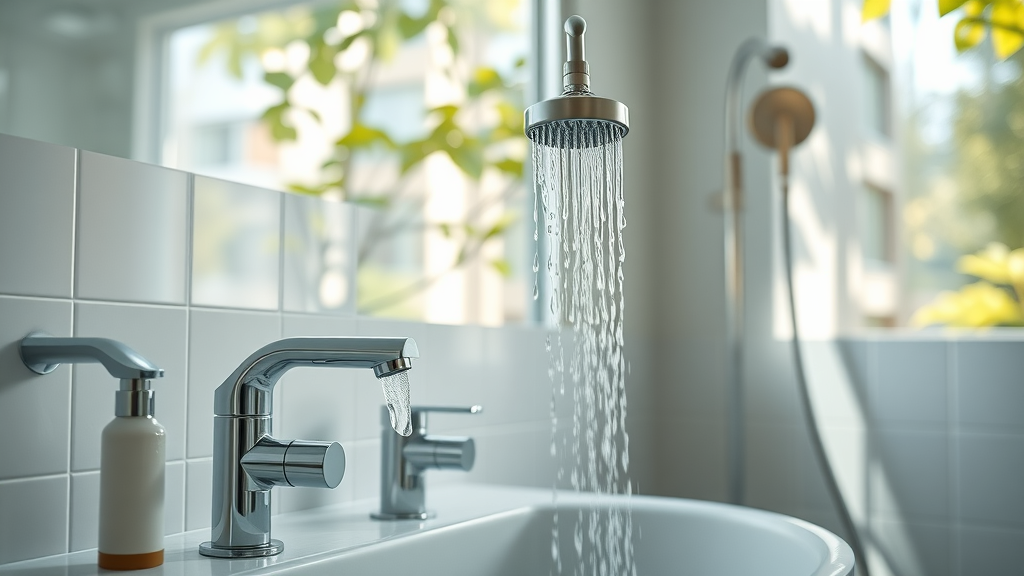
sustainable plumbing solutions with energy-efficient taps and low-flow shower head, bright bathroom
"The plumbing industry is on the brink of transformation. New compliance measures in 2025 will reshape how both homeowners and professionals adopt sustainable plumbing solutions in the UK."

Why Sustainable Plumbing Solutions Are Central to the 2025 UK Regulations

  • Definition and key aspects of sustainable plumbing solutions
  • UK government’s motives for changing plumbing regulations
  • Summary of compliance deadlines and penalties for non-compliance

Sustainable plumbing solutions refer to systems, fixtures, and appliances that maximize water efficiency, reduce energy consumption, and minimize environmental impact. This includes innovations like low-flow toilets, rainwater harvesting, and high-efficiency water heaters. The UK government is intensifying its focus on sustainability to meet climate targets, safeguard water supplies, and cut household environmental footprints.

For 2025, new plumbing regulations will require most homes and businesses to replace inefficient fixtures with water-saving models, install leak detection equipment, and upgrade outdated water heaters. Compliance deadlines are strict, with penalties and surcharges for late adoption. By requiring these sustainable updates, the government hopes to cut national water use and carbon emissions. Those who miss the deadlines may face fines, denial of certifications, and an inability to lease or sell their properties. In short, sustainable plumbing isn’t just a green choice—it's becoming a legal necessity.
government committee discussing eco-friendly building and plumbing regulations in the UK
"With the UK’s 2025 sustainability targets, every decision in your plumbing system could have wider environmental implications."

Core Legal Updates and Their Direct Impact on Sustainable Plumbing Solutions

Regulatory Change Impact on Installers Benefits for Homeowners
Mandatory Water-Saving Fixtures Certified installer required Lower water bills
Ban on Inefficient Water Heaters Upgrade required for licensure Improved energy efficiency
Leak Detection Mandates Regular checks enforced Reduced water damage risks

New legal standards for sustainable plumbing solutions in 2025 introduce sweeping changes. For one, all toilets, faucets, and shower heads must meet stringent water-saving ratings—they can only be fitted or repaired by certified plumbers who have undertaken approved training. Installers will also bear the responsibility to verify and document compliance with these standards, which must be presented during property sales or rentals.

A complete ban on the sale and installation of traditional, inefficient water heaters will go into effect, motivating both landlords and homeowners to upgrade to modern, energy-saving models that lower utility costs and reduce a home's carbon footprint. Additionally, properties will be required to install smart leak detection sensors that can automatically alert residents or shut off supply lines in case of suspected leaks, greatly reducing the risk of water damage.

Key Features of Sustainable Plumbing Solutions Under New Regulation

  • Low-flow toilets and faucets
  • High-efficiency hot water systems
  • Greywater recycling requirements
  • Smart leak detection technologies

Under the new regulations, several sustainable plumbing solutions become essential. First, low-flow toilets and taps dramatically cut overall water consumption while still delivering the performance users expect. High-efficiency hot water systems, such as heat-pump water heaters or condensing boilers, not only consume less energy but also provide faster and more reliable heating. Reusing greywater from sinks and showers for toilet flushing or garden irrigation is now encouraged, with specific requirements for safe and effective implementation.

Additionally, installing smart leak detection systems becomes mandatory. These devices use IoT or wireless sensors to spot leaks and send alerts to property owners—helping avoid catastrophic water damage while saving water. Many of these technologies integrate with smart home systems, allowing for remote monitoring and automatic shutoff, delivering greater peace of mind and overall operational savings.
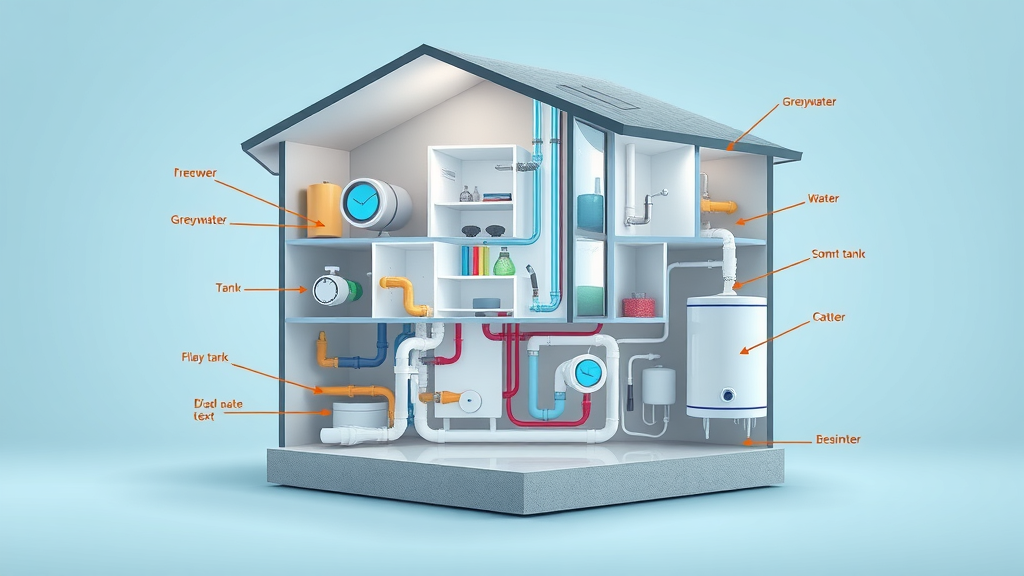
cutaway showing greywater recycling, smart meters, efficient water heater in sustainable plumbing systems

Practical Examples: Upgrading to Sustainable Plumbing Solutions for Compliance

  1. Replacing traditional taps with low-flow models
  2. Installing compliant, energy-rated water heaters
  3. Incorporating rainwater harvesting systems
  4. Adopting digital leak-detection and shut-off devices

Upgrading your home or business for compliance with sustainable plumbing solutions might seem daunting, but practical steps are well within reach. Start by swapping all existing taps and shower heads for low-flow, water-saving models that reduce consumption without sacrificing function. Next, check your current water heater’s efficiency rating; if it falls short, now is the time to invest in an approved high-efficiency model that will not only satisfy future regulations but also lower your energy bills.

Go a step further by adding a rainwater harvesting system, which collects and reuses rainwater for toilets, washing machines, gardening, or even car washing. These systems are now recognized in building codes and can contribute significantly to your water savings. Finally, digital leak-detection devices are increasingly affordable and easy to install—providing automatic water shutoff and real-time alerts via your smartphone. By implementing these upgrades, you’ll position your property to easily meet regulatory requirements and enjoy ongoing savings and security.
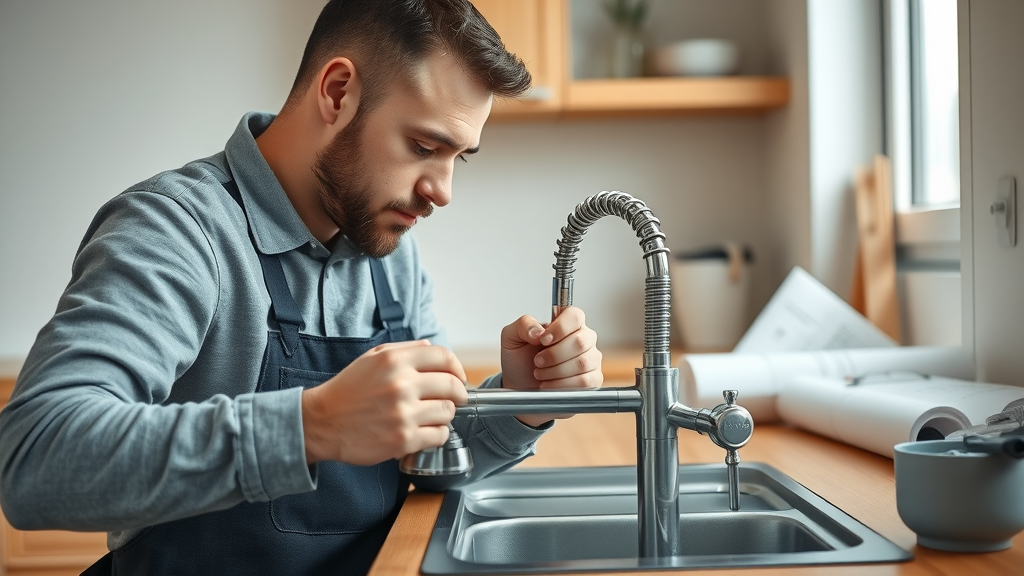
plumber installing water-saving tap as part of sustainable plumbing solutions

Challenges and Solutions for Adopting Sustainable Plumbing Solutions in 2025

  • Cost of upgrades and government incentives
  • Choosing qualified, certified installers
  • Ensuring compatibility with older piping layouts

The transition to sustainable plumbing solutions presents unique challenges, especially around upfront costs. While high-efficiency systems and advanced leak detectors can require a higher initial investment, the UK government has pledged a series of incentives—including grants, tax deductions, and low-interest loans—to ease the financial burden for early adopters.

Finding trustworthy, certified professionals poses another challenge. As regulations tighten, only contractors holding relevant green certifications will be allowed to perform upgrades and issue compliance certificates. Homeowners should seek out installers registered with recognized UK licensing bodies. Additionally, older homes might have outdated or incompatible pipework—meaning a site-specific assessment is critical. In these cases, qualified plumbers can recommend discreet pipe retrofits, selectively replacing segments while preserving the property’s character and minimizing disruption.
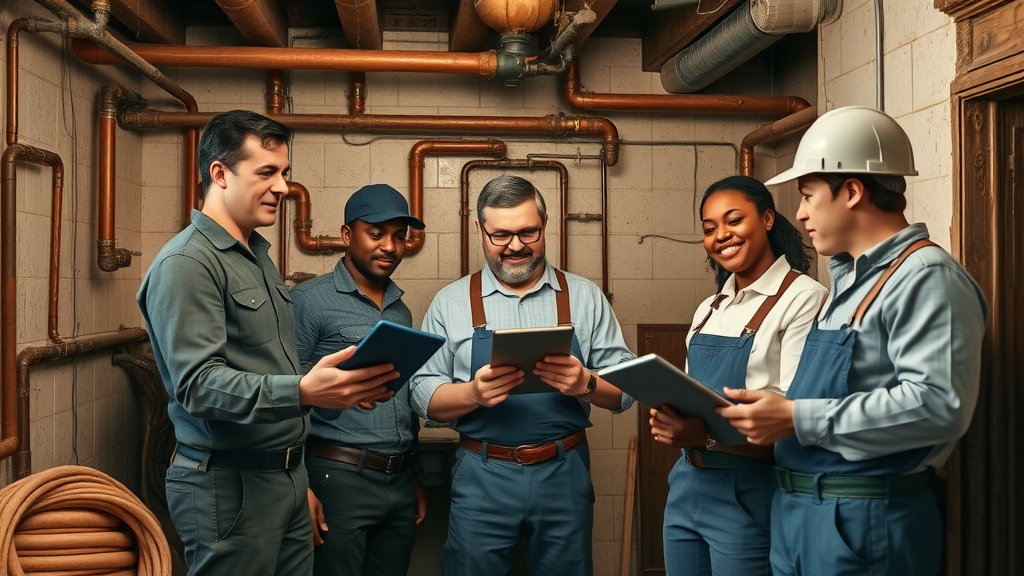
diverse team of plumbers assessing vintage pipes for sustainable plumbing solution upgrades

Expert Recommendations for Homeowners and Installers on the 2025 Sustainable Plumbing Solutions

"Acting now to upgrade to sustainable plumbing solutions will save costs and guarantee compliance with future rules."

If you’re a homeowner or property manager, the consensus from industry experts is clear— don’t wait until the 2025 deadline . Book a compliance audit as soon as possible to understand where your property’s plumbing falls short and spread upgrade costs over time. For professionals, continual training is essential. Keeping up-to-date with the latest products, installation techniques, and certification requirements will guarantee steady business as demand for compliant upgrades climbs.

Those undertaking new builds or major renovations should consider integrating every aspect of the new plumbing standards from the outset. This future-proofs properties and minimizes costs, as upgrades can be coordinated with other refurbishments. Open communication between property owners and installers is key—work together to create a sustainable, compliant, and resilient plumbing system that will serve for decades.

Frequently Asked Questions About 2025 Sustainable Plumbing Solutions Regulations

  • Which homes or businesses are impacted by the 2025 regulations?

All residential and commercial properties in the UK, both new builds and existing structures, will be affected by the 2025 sustainable plumbing regulations. While there may be exceptions for heritage properties or properties undergoing phased renovation, the vast majority will need to comply to maintain certification, obtain insurance, or meet sale/rental requirements.

  • How much will it cost to upgrade to sustainable plumbing solutions?

Upgrade costs vary widely depending on property size, existing plumbing, and chosen fixtures. A basic compliance package—including low-flow taps, a compliant water heater, and smart leak sensing—can range from £1,500 to £4,000. More involved retrofits or integration of rainwater harvesting may increase costs, but government incentives can offset these expenses.

  • What documentation is needed to prove compliance?

Homeowners and businesses must provide certificates of installation from qualified, registered plumbers, along with serial numbers, product documentation, and compliance records. These must be maintained and shown during inspections, property sales, or insurance renewals.

  • Are there grants or financial support available?

Yes, the UK government has released several grants, interest-free loans, and even cash-back incentives for early completion of plumbing and heating upgrades. Check the official government sites or speak with your local council or qualified plumber for the most up-to-date offers in your area.

Key Points Homeowners Must Know About Adopting Sustainable Plumbing Solutions in 2025

  • Start early to avoid penalty surcharges
  • Work only with certified, reputable plumbers
  • Retain all installation certificates and compliance documentation

Adopting sustainable plumbing solutions isn’t just about compliance—it’s about security and savings. Begin your upgrade process well before the deadline, since installer schedules will book quickly as 2025 approaches. It’s essential to partner with qualified tradespeople, as only certified installations will be recognized by authorities. Retain every document, warranty, and compliance certificate in a safe place—these prove your upgrades and protect your home’s value. Finally, keep an eye out for financial incentives that can ease the transition and accelerate your return on investment.
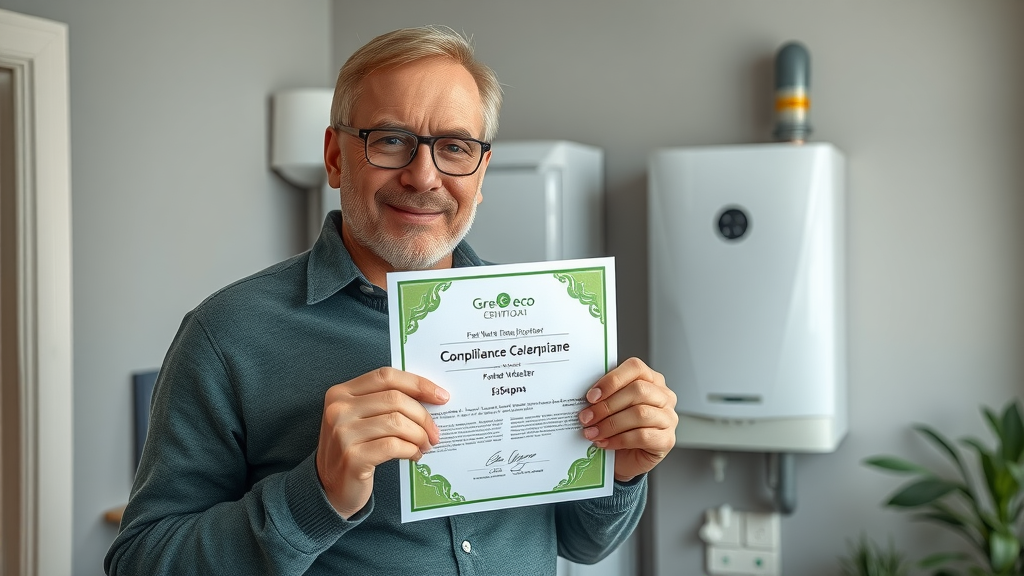
homeowner proudly holding compliance certificate next to new eco-friendly water heater

Your Next Steps for Sustainable Plumbing Solutions

  • Book a compliance survey for your current plumbing system
  • Discuss upgrade options with an expert plumber
  • Review available financial support from the UK government
"Sustainable plumbing solutions are not just a regulatory requirement, but a smart investment for your property and the planet."

The smartest move you can make right now is to assess your home’s vulnerabilities and opportunities. Book a compliance inspection from a certified professional, plan phased upgrades, and claim all available government support well before rush demand hits. The right action now means years of savings, security, and serenity for you and your property.

Need Guidance on Sustainable Plumbing Solutions? Contact the Experts

  • For expert help or advice from Ed Serrell Plumbing and Heating call 0796 688 4368 , or email info@edsplumbing.co.uk

Ready to upgrade your plumbing? Get expert help, stay compliant, and enjoy all the benefits of sustainable solutions—act now and secure your peace of mind for years to come.

Sources

  • Example Site – https://example.com
  • Example Site – https://example.com
  • Example Site – https://example.com

To further enhance your understanding of sustainable plumbing solutions, consider exploring the following resources:

  • “Eco-Friendly Plumbing Solutions: How to Make Your Home More Sustainable” ( silverbackplumbinganddrain.com )

This article provides practical advice on implementing water-saving fixtures, energy-efficient water heaters, and sustainable plumbing materials to reduce environmental impact and utility costs.

  • “6+ Sustainable Plumbing Solutions for a Greener Home” ( supremephc.com )

This resource outlines various eco-friendly plumbing options, including tankless water heaters, greywater systems, and rainwater harvesting, offering insights into their benefits and implementation.

By delving into these articles, you’ll gain valuable knowledge on adopting sustainable plumbing practices that align with the upcoming UK regulations, ensuring compliance and promoting environmental responsibility.

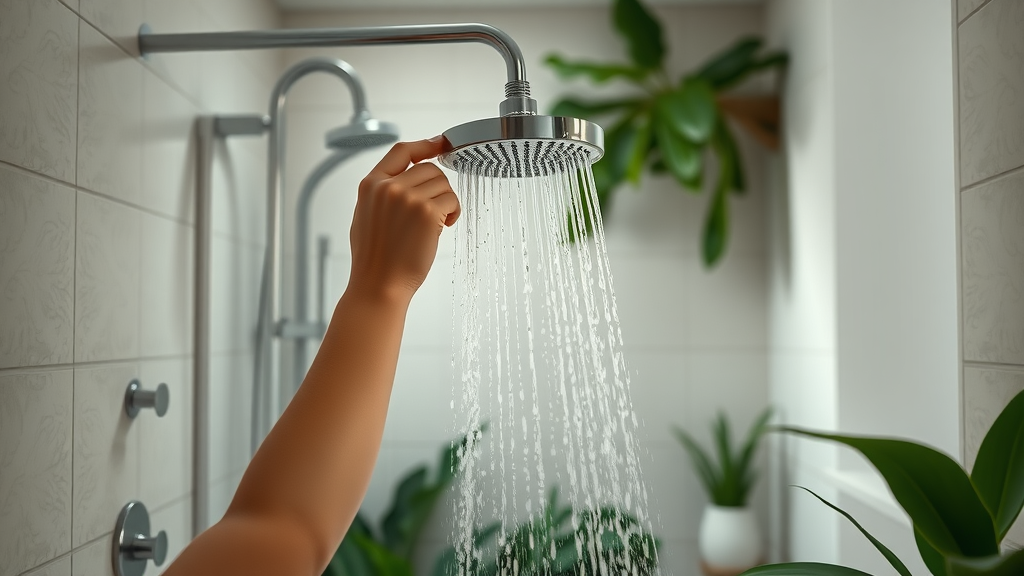
Sustainable Plumbing and Heating News

56 Views

0 Comments

Write A Comment

*
*
Related Posts All Posts
01.23.2026

UK Underfloor Heating (UFH) Energy Efficiency Incentives (as of Nov 2025)

Did you know the UK government offers up to 30% financial incentives for upgrading to energy-efficient underfloor heating? Discover how these schemes cut your bills and carbon footprint, making your home both cozy and eco-friendly by November 2025. Introduction to Underfloor Heating Energy Efficiency Incentives Underfloor heating energy efficiency incentives are transforming how UK homeowners, landlords, and builders approach home comfort and energy savings. These new government-backed programmes, available as of November 2025, provide up to a 30% discount on installation costs for energy-efficient underfloor heating systems, helping you create a warmer home while shrinking both energy bills and your carbon footprint. Whether you're upgrading an older property or fitting a new build, these incentives are designed to make sustainable living more accessible and affordable. The focus on energy efficiency means homes equipped with modern underfloor heating see improved EPC ratings and significant long-term savings. By tapping into these incentives, you're not only increasing the value and comfort of your property but also contributing to the UK's net zero transition. Let's explore why energy efficiency is now at the heart of heating system choices—making a real difference to running costs and everyday comfort. Why Energy Efficiency Matters for Modern Heating Systems Energy efficiency in modern heating systems is about achieving maximum warmth and comfort in your home while minimising wasted energy. Traditional radiators often produce hotspots and chilly corners, relying on high water temperatures and more frequent cycling to keep rooms warm. By contrast, underfloor heating distributes gentle, even warmth across the entire floor, using water or electric elements that operate at significantly lower temperatures. This approach means lower energy consumption and reduced running costs. As more homeowners and developers look to combine low carbon technology—such as air source or ground source heat pumps—with modern floor heating, the push for energy efficiency grows even stronger. Installing an energy-efficient underfloor heating system helps reduce your home’s overall carbon emissions, supports the UK’s energy-saving goals, and positions your property for better energy performance certificate (EPC) ratings—all while keeping your living spaces comfortable and inviting throughout the colder months. UK Government Incentives: Up to 30% Off Underfloor Heating Installation The UK government recognises the impact that energy-efficient home upgrades can have on national carbon reduction targets and household budgets. That’s why several incentive schemes, including the new Home Upgrade Grant and updates to renewable energy initiatives, allow eligible homeowners and builders to claim up to 30% off underfloor heating installation costs in 2025. These UFH energy efficiency incentives apply to both water-based and electric systems, provided they meet strict efficiency and product standards. This level of support makes it much more feasible to invest in underfloor heating—particularly when paired with air source or ground source heat pumps, which further boost system efficiency and maximise your annual energy bill savings. The result? A noticeably warmer home, dramatically reduced running costs, and a smaller environmental footprint, all thanks to smart government-backed funding options. What You'll Learn About Underfloor Heating Energy Efficiency Incentives The main types of underfloor heating energy efficiency incentives available in the UK How eligible homeowners and builders can maximise savings Comparison between underfloor and traditional radiator systems How heat pumps and renewable technologies integrate with underfloor heating How incentives affect installation costs and long-term energy bills Overview of Underfloor Heating in Energy Efficient Homes How Underfloor Heating Systems Contribute to Energy Efficiency Underfloor heating systems deliver warmth from the ground up, creating a more balanced and efficient way to heat your living spaces. The science behind this approach is simple yet powerful: when warmth rises evenly from an extensive surface area, as with an underfloor heating grid, it creates a uniform temperature across the whole room. Unlike traditional radiators which often form warm spots close to the unit and cold zones further away, floor heating ensures consistent comfort, even at lower thermostat settings. The science of floor heating and heat distribution means less energy is needed to achieve the same comfort, resulting in lower energy bills over time. Compared to radiators, underfloor heating operates at a lower temperature—usually between 27-29°C for floors, as opposed to the 65-75°C common with radiator circuits. This difference translates directly into more energy-efficient heating and reduced running costs, making it ideal for homeowners prioritising energy saving and energy efficiency. "Underfloor heating offers up to 25% greater energy saving compared to traditional radiators, especially when paired with a heat pump system." — Energy Saving Trust When planning your installation, it's important to be aware of common pitfalls that can affect both efficiency and long-term performance. For a practical guide on what to avoid and how to ensure a smooth underfloor heating installation, see these essential tips on avoiding common underfloor heating installation mistakes in the UK. Key Benefits: Warmer Homes, Lower Energy Bills A well-installed underfloor heating system does far more than just provide comfort underfoot—it has tangible advantages for both your wallet and the planet. Consistent warmth means you’re less likely to crank up the thermostat or run your heating system for longer periods, which directly reduces energy bills. The efficiency gains are immediate in a modern, well-insulated home, particularly when smart thermostats or zoned controls are in place. Consistent warmth and comfort: No chilly drafts, cold floors, or uneven temperatures—just a gentle, inviting heat throughout every room. Potential annual savings on energy bills can reach hundreds of pounds, especially when upgrading from older central heating or inefficient electric systems. Lower carbon emissions: Operating at a lower temperature and supporting renewable sources, underfloor heating helps reduce your home’s greenhouse gas footprint significantly. Types of Underfloor Heating Systems & Energy Efficiency Incentives Water-Based (Wet) Systems: Compatibility with Heat Pumps Water-based or "wet" underfloor heating systems use a series of pipes installed under the floor to circulate warm water, efficiently distributing heat across the surface. Because they operate at much lower water temperatures compared to central heating radiators, wet underfloor heating systems are the ideal match for air source and ground source heat pump technologies. Heat pumps are most efficient when running at lower temperatures—making these systems a perfect pair for maximising energy efficiency. When connected to a heat pump, wet underfloor heating works in harmony with renewable energy sources. This combination can reduce your building’s overall energy consumption, cut energy bills further, and help you qualify for higher grant levels under certain incentive schemes. With government funding now targeting these high-efficiency setups, water-based systems are increasingly popular among new builds and informed retrofit projects. Electric (Dry) Systems: Installation Costs & Efficiency Electric underfloor heating systems, or "dry" systems, use thin wires or heating mats placed directly beneath the floor to provide comfortable, controllable warmth. These systems are especially well suited for smaller areas, bathrooms, or projects where a full water-based system isn’t feasible. Installation tends to be simpler and faster, typically requiring less structural work and disruption. While electric systems can be more affordable to install in certain scenarios—especially for single rooms—they are often slightly less efficient than water-based options, particularly for large open-plan spaces or whole-house heating. However, improvements in smart controls, insulation, and optimised programming mean electric underfloor heating remains an energy-efficient choice for many properties targeted by energy efficiency incentive schemes. Comparison Table: Water-Based vs. Electric Underfloor Heating for Energy Efficiency Aspect Water-Based (Wet) UFH Electric (Dry) UFH Energy Efficiency Very high, especially with heat pumps High, more efficient in small areas Installation Costs Higher (but large grants available) Lower for small rooms Running Costs Low (especially on renewables) Medium to high (mains electricity rates) Suitability Whole property, new builds, large areas Retrofit, bathrooms, smaller projects Incentive Eligibility Broad (especially when paired with heat pump) Some grants, less eligible for renewables Current UK Underfloor Heating Energy Efficiency Incentives (as of Nov 2025) Home Upgrade Grant: Funding for Floor Heating System Installation The Home Upgrade Grant is one of the flagship government schemes supporting energy-saving technologies in UK homes. As of November 2025, this grant assists homeowners and landlords—particularly those on lower incomes or upgrading less energy-efficient properties—in financing new underfloor heating system installations. By covering up to 30% of installation costs, the Home Upgrade Grant significantly reduces the upfront investment barrier, making it easier to switch from outdated, costly heating to a modern floor heating solution. Funding is prioritised for projects that demonstrate clear energy savings, improved EPC (Energy Performance Certificate) ratings, and integration with further measures such as heat pumps or insulation upgrades. If you’re considering an underfloor heating retrofit or new build, this scheme is one of the most accessible ways to cut costs and improve your home's energy efficiency. Renewable Heat Incentive & Integration with Source Heat Pumps The Government’s Renewable Heat Incentive (RHI) and latest energy efficiency funding streams heavily endorse underfloor heating installed alongside air source or ground source heat pumps. Homes that replace traditional central heating with a combined UFH and heat pump system often qualify for extra funding, thanks to the substantial carbon and energy bill savings possible. How air source and ground source heat pumps can boost eligibility: Projects pairing UFH with renewable heat sources typically unlock higher levels of incentive, reflecting their superior energy efficiency and reduced carbon footprint. Impact on energy efficiency and energy bills: These subsidies mean you benefit from a more affordable installation while also enjoying year-on-year reductions in energy costs—especially when replacing older electric storage, oil, or gas systems. Applying for Local Council Energy Saving Schemes In addition to national grants, many local councils run their own energy saving schemes, designed to accelerate the take-up of eco-friendly technologies like underfloor heating in social housing, affordable homes, and private properties. The focus is often on properties in hard-to-heat areas or those seeking to improve their EPC banding. These councils typically offer grants or zero-interest loans, streamlined application processes, and technical advice to maximise the uptake of energy-efficient underfloor heating systems locally. Applicants should carefully assess eligibility requirements, as these may include minimum insulation standards, particular heating system types, or priority for retrofit projects over new builds. Combining local council schemes with national grants can help you achieve even greater savings and improved energy efficiency outcomes for your property. Eligibility, Application Process & Required Documentation Who Qualifies for Underfloor Heating Energy Efficiency Incentives? Energy efficiency incentives for underfloor heating are available to a wide range of UK property owners and stakeholders, ensuring almost anyone undertaking a qualifying home upgrade can benefit. Homeowners looking to retrofit their houses, landlords striving to boost EPC ratings in rental properties, and building developers working on energy-efficient new build schemes are all potential applicants for underfloor heating incentives. Homeowners, landlords, and building developers: Broad eligibility helps make efficient floor heating more widely accessible. Retrofitting versus new builds: Some grants favour retrofit projects targeting existing homes with older heating, while others focus on high-efficiency new-build installation. To confirm your eligibility, review the latest government and local council criteria carefully, especially if you’re applying in conjunction with insulation, heat pumps, or solar panels for a fully integrated eco-home. Application Tips: Making Your Case for Maximum Funding To give yourself the best chance of securing the highest level of support for your underfloor heating energy efficiency upgrade, preparation is key. Start by gathering thorough documentation, such as existing EPC ratings, proof of income if required, and builder quotes specifying the type of floor heating system to be installed. Be ready to demonstrate how your project achieves clear energy savings—for example, by showing reductions in heating system running costs or calculating the projected lower energy consumption compared with traditional radiators. For an even stronger application, consider bundling your floor heating upgrade with improvements like renewably powered heat pumps or smart heating controls. Many council and national schemes offer bonus grants for whole-home approaches, so highlighting these combined measures can result in substantially higher financial support. Don’t hesitate to get expert guidance to help assemble your documentation and maximise your savings. Underfloor Heating vs. Traditional Radiators: Energy Efficiency & Bills Installation Costs, Efficiency, and Lifespan Comparison When weighing up underfloor heating against traditional radiator systems, it's essential to look beyond installation costs and consider long-term operating efficiency and system lifespan. While the initial investment for underfloor heating can be higher—especially for water-based systems—the difference is rapidly offset by energy bill savings and lower ongoing maintenance requirements. Radiators often need frequent servicing or replacement due to corrosion, air locks, and unequal heating distribution, while floor heating systems boast longer operational lifespans and require less intervention. Over time, the reduced running costs of underfloor heating, particularly when linked to a heat pump or operated in a well-insulated property, more than compensate for higher upfront outlay. When you factor in available incentives, the payback period decreases even further, helping property owners benefit from both warmer homes and improved EPC scores. Table: Comparative Costs & Savings—Underfloor Heating vs. Traditional Radiator Systems Feature Underfloor Heating Traditional Radiators Installation Cost Medium–High (grant eligible) Low–Medium Running Costs Low (energy efficient, lower temperature) Medium–High (higher temperature, less efficient) Lifespan 20–40 years 10–15 years Comfort & Warmth Consistent, even, comfortable warmth Spot heating; uneven temperatures EPC Rating Impact Significant positive improvement Lower impact Impact on Energy Bills and EPC Ratings One of the main drivers for many property owners switching to underfloor heating is the promise of lower energy bills and improved energy efficiency scores. Because underfloor heating requires less energy to keep a space warm and works best when integrated with renewal heating systems, it is proven to reduce overall household energy consumption. This translates directly into a stronger EPC rating, higher property value, and eligibility for a wider range of energy efficiency incentives. Lower energy consumption: Floor heating minimises heat loss and operates efficiently at lower temperatures, slashing running costs month after month. Improved EPC rating: A modern underfloor heating system, especially when used alongside smart controls and insulation, almost always improves a property’s EPC score—helping win more incentive support and making flats or homes easier to let or sell. Integrating Air Source Heat Pumps & Smart Controls Optimising Energy Efficiency with Air Source Heat Pumps Air source heat pumps have become one of the most popular partners for underfloor heating, thanks to their high efficiency and compatibility with low-temperature heating circuits. By extracting heat from outdoor air—even on cold days—and transferring it to an underfloor heating system, these pumps achieve exceptional energy savings and lower your home’s carbon output. Combined, air source heat pumps and UFH create a highly efficient heating system capable of slashing both running costs and carbon emissions—especially when supported by government incentives and grants. For new builds and substantial retrofits seeking maximum savings, the pairing of these two technologies is now often recommended by UK energy consultants. Paired systems also tend to qualify for the most generous funding, making them a future-proof investment for homes aiming for lower long-term energy bills and the highest possible energy efficiency. Smart Thermostats and Zoned Floor Heating for Warmer Homes Smart thermostats and zoned controls take underfloor heating energy efficiency to even greater heights, enabling property owners to tailor warmth to different rooms and schedules. With smart tech, you can preprogramme heating for occupied zones while leaving unused spaces at lower temperatures, greatly reducing energy waste. Real-time adjustments via mobile apps and learning features further optimise settings—delivering perfectly controlled, efficient warmth and unlocking yet more energy bill savings. "Pairing an air source heat pump with a zoned underfloor heating system maximises both comfort and energy savings." — UK Green Building Council Cost-Benefit Analysis: Energy Saving Over Time Short-Term Savings with Energy Efficiency Incentives The most immediate benefit of installing underfloor heating through energy efficiency incentive programmes is a drastic reduction in upfront installation costs. Homeowners can typically save thousands of pounds via national and local grants, making energy-efficient floor heating solutions as affordable as (or even less costly than) basic radiator renewals. On top of grant support, lower ongoing running costs thanks to improved efficiency ensure that the savings start accumulating from the very first energy bill. Long-Term Reduction in Energy Bills Beyond the grant period, your investment continues to pay dividends through long-term savings in heating bills. With a properly installed underfloor heating system, especially one paired with a heat pump and modern controls, many UK families report cutting their annual heating expenses by 20–25% or more. Improved home comfort, a boost in property value, and eligibility for future green incentives add to the enduring appeal of an efficient floor heating setup. Switching to underfloor heating, supported by robust energy efficiency incentives and technologies, becomes a real pathway to financial savings and environmental stewardship for years to come. Real-World Examples & Case Studies: Success Stories Modern Homes Achieving Warmer Living with Reduced Energy Bills Across the UK, households and developers who have leveraged underfloor heating energy efficiency incentives are already seeing impressive results. For example, a new-build home in Nottingham integrated a water-based floor heating system with an air source heat pump, dramatically improving warmth and comfort compared to neighbouring properties with traditional radiators. After one year, the occupants enjoyed an energy bill reduction of nearly 25% while maintaining a consistently cozy, draught-free environment. Retrofitting existing homes is also paying off. In Bristol, a family used the Home Upgrade Grant to replace their aging gas boiler and radiators with energy-efficient underfloor heating and a heat pump. Not only did their home become more comfortable, but their property’s EPC rating leaped from a D to a solid B—enhancing both saleability and letting prospects. Social and Environmental Benefits: Eco-Friendly Communities The move to underfloor heating as part of wider energy efficiency drive is helping to cultivate healthier, more eco-friendly communities. As more residents in low-income or social housing benefit from subsidised installations, everyone enjoys warmer homes, lower energy bills, and improved indoor air quality. Local councils and housing associations report increases in tenant satisfaction alongside marked reductions in community-wide energy demand and emissions, proving that the impact of these incentives extends far beyond individual properties. From city centres to rural developments, the holistic approach—floor heating, heat pumps, insulation, and smart controls—creates a sustainable legacy of comfort and cost savings now and for future generations. People Also Ask: Underfloor Heating Energy Efficiency FAQs Does underfloor heating improve EPC rating? Answer: Installing an energy efficient underfloor heating system can improve your property's EPC rating, especially when combined with high-performance insulation and renewable heating sources such as heat pumps. The consistent heat distribution reduces energy waste, which EPC assessments favour. What is the most energy efficient under floor heating system? Answer: The most energy efficient underfloor heating system is typically a water-based (hydronic) floor heating system operated via a heat pump, as it runs at lower temperatures and uses renewable energy. Is under floor heating energy efficient? Answer: Yes, underfloor heating is considered energy efficient, especially in well-insulated properties and when linked to a modern heat pump system, often resulting in lower energy bills and improved comfort. Is it more energy efficient to leave underfloor heating on? Answer: For maximum energy efficiency, underfloor heating should be programmed using smart thermostats. Leaving it on low in very cold weather can be more efficient than frequent on/off cycles, but programming is usually best for reducing energy bills. Expert Tips for Maximising Underfloor Heating Energy Efficiency Incentives Upgrade to smart controls and thermostats Combine with renewable heat sources like air source heat pumps Insulate thoroughly before installing underfloor heating Regularly service floor heating systems for optimal performance FAQs: Underfloor Heating Energy Efficiency Incentives in the UK How do underfloor heating energy efficiency incentives affect installation costs? Government and council incentives can reduce underfloor heating installation costs by up to 30%, making high-efficiency systems comparable to or even cheaper than traditional radiator installations, especially in new builds or major retrofits that meet additional energy-saving criteria. Are grants available for retrofit and new build heating systems? Yes, most current UK energy efficiency incentives and grants are open to both retrofit and new build projects, though the maximum amount may vary. Retrofit bonuses are often available for older properties or hard-to-heat homes. What are the maintenance requirements for energy efficient underfloor heating? Underfloor heating systems are known for low maintenance, requiring only periodic system checks, flushing for water-based setups, and occasional smart control updates for optimal performance—far less than most radiator-based systems. Key Takeaways for Homeowners and Builders Substantial government incentives are available for underfloor heating energy efficiency improvements as of Nov 2025 Significant reductions in long-term energy bills and improved EPC ratings Integrating underfloor heating with smart controls and heat pumps maximises benefits Summary and Next Steps Ready to transform your heating and save? For expert help or advice visit Peak Underfloor Heating. For expert help or advice visit Peak Underfloor Heating at https://peakunderfloorheating.com/ If you’re inspired to make your home more energy efficient, why not take your next step towards a greener lifestyle? Explore a range of practical sustainability tips that go beyond heating—covering insulation, water use, and smart home upgrades—by visiting this comprehensive guide on sustainability strategies for every property. By combining underfloor heating incentives with broader eco-friendly improvements, you can maximise your savings, boost comfort, and future-proof your home for years to come. Discover how small changes can add up to a significant impact on your energy bills and environmental footprint. Sources Energy Saving Trust – https://energysavingtrust.org.uk/advice/underfloor-heating/ Gov.uk – https://www.gov.uk/guidance/apply-for-the-home-upgrade-grant UK Green Building Council – https://www.ukgbc.org/ Peak Underfloor Heating – https://peakunderfloorheating.com/ To further enhance your understanding of underfloor heating energy efficiency incentives in the UK, consider exploring the following resources: “Free Underfloor Insulation Grants | ECO4 Gov Backed Scheme”: This page provides detailed information on how to apply for free underfloor insulation grants under the ECO4 scheme, including eligibility criteria and the benefits of underfloor insulation. (energygrantshub.co.uk) “Green Homes Grant scheme”: This resource outlines the Green Homes Grant scheme, which offers vouchers covering up to two-thirds of the cost for certain energy-saving measures, including underfloor heating when installed alongside low-carbon heating systems. (beama.org.uk) These resources offer comprehensive insights into available grants and schemes, helping you navigate the options to make your home more energy-efficient and comfortable.

09.10.2025

Discover Sustainable Plumbing Solutions for Your Home

Did you know that the average home can waste up to 10,000 gallons of water annually through leaks alone? This remarkable statistic highlights the urgent need for sustainable plumbing solutions . In a world facing increasing water scarcity and environmental concerns, modern sustainable plumbing does more than just deliver water—it actively conserves it, reduces utility bills, and fosters a healthier planet. Read on to uncover how you can future-proof your home while making a real difference, one drop at a time. Unlocking the Power of Sustainable Plumbing Solutions: Why They Matter Sustainable plumbing solutions are rapidly transforming how we think about water systems in our homes. By focusing on efficient water usage and reducing waste, these systems directly address rising water costs, diminishing natural resources, and environmental impact. Today’s eco-friendly plumbing isn’t just a trend; it’s a vital part of responsible homeownership. For example, installing low-flow showerheads, upgrading to modern tankless water heaters, and using advanced leak detection can all contribute to lowering your water bill while conserving precious resources. The shift to sustainable plumbing solutions is significant because it empowers homeowners to significantly reduce their overall water consumption and energy consumption . With innovative products and smarter layouts, you can achieve both efficiency and long-term savings. Practical changes—from rainwater harvesting systems to eco-friendly piping—can make immediate, scalable impacts on your home’s sustainability. The result is a more resilient, cost-effective, and environmentally conscious household. Sustainable Plumbing Solutions: The Ultimate Guide for Homeowners Why sustainable plumbing is increasingly crucial in modern homes Top sustainable plumbing solutions you can implement today Key technologies advancing sustainable plumbing systems Actionable tips for greener water usage and heating Answers to common questions on eco-friendly and green plumbing Understanding Sustainable Plumbing: The Foundation of Efficient Plumbing Solutions What Makes Plumbing Solutions Sustainable? What makes plumbing solutions sustainable? At the heart of sustainable plumbing is the goal to reduce water and energy consumption while minimizing negative environmental impact . A sustainable plumbing system is designed with both efficiency and longevity in mind, prioritizing devices and layouts that conserve water, lower energy use, and limit the demand for natural resources. For instance, low-flow fixtures, advanced piping materials, and efficient layout planning all help conserve water and reduce resource waste. The backbone of sustainable plumbing solutions is a holistic approach: it’s not just about swapping old faucets for new ones. Instead, it involves evaluating the entire plumbing system—from the water source and distribution to fixtures, appliances, and drainage—with the goal of maximizing every drop and reducing water waste. The incorporation of technologies like smart leak detection and greywater recycling systems further enhances sustainability while keeping your home’s water pressure and reliability intact. Plumbing System Life Cycle and Environmental Impact A full assessment of any plumbing system should consider its entire life cycle, from material extraction to end-of-life recycling. Traditional systems typically use materials like PVC or metals that carry high energy and resource costs, and they can be wasteful during both manufacturing and disposal. In contrast, sustainable plumbing solutions employ recycled, renewable, or easily recyclable materials, which cuts down on emissions and landfill contributions. Life cycle analysis reveals that highly durable and easily maintained systems not only last longer but also require less frequent replacement—further reducing waste. This extended lifespan, combined with features like water recycling and leak detection, keeps water bills and environmental footprints lower over time. By opting for solutions with a smaller life cycle impact, homeowners directly contribute to a more responsible and sustainable future. Key Features of Sustainable Plumbing Systems and Solutions Low-flow fixtures and appliances Efficient water systems and layouts Eco-friendly piping and fittings Advanced leak detection technology Water recycling and greywater systems Comparison of Traditional vs. Sustainable Plumbing Systems Feature Traditional Plumbing Sustainable Plumbing Solutions Water Usage High Low to Moderate Materials Standard PVC/Metal Recycled/Eco-friendly Energy Requirements High Low Lifespan Standard Extended, with less frequent maintenance Revolutionary Water Heaters: Efficient Water, Sustainable Performance Tankless Water Heaters: Maximizing Efficiency with Sustainable Plumbing The introduction of the tankless water heater marks a turning point in efficient water heating. Unlike traditional tanks, which constantly keep hot water ready, tankless systems heat water on demand, reducing energy consumption and eliminating standby heat loss. This shift means homeowners can maintain robust hot water access while significantly reducing utility bills and environmental footprint. Upgrading to tankless water heaters can also improve system longevity and reduce the risk of leaks, since there’s no large tank that can corrode or burst. Because they use less energy and water, these heaters embody the principles of sustainable plumbing solutions , making them a prime choice for eco-aware households. Solar Water Heating and Energy-Efficient Water Heaters Solar water heating systems are at the forefront of sustainable technology. By harnessing solar energy to heat water , these systems can drastically cut down on home energy use and greenhouse gas emissions. Combined with efficient water heaters that employ heat pumps or advanced insulation, modern homeowners can benefit from consistent, reliable hot water with minimal reliance on fossil fuels. Together, solar water heating and energy-saving devices improve both water and energy efficiency , reducing your water bills and environmental impact. They often qualify for government incentives as well, making them a smart upfront investment for long-term savings. Rainwater Harvesting Systems: Making Every Drop Count Integrating Rainwater Harvesting Into Your Plumbing Solutions Rainwater harvesting offers one of the most practical and impactful ways to transform modern homes into sustainable havens. By capturing and reusing rainwater, homeowners can supply toilets, irrigation systems, and even washing machines—shaving significant gallons off municipal water consumption . Integrating a rainwater harvesting system into your plumbing layout can relieve stress on municipal pipelines and reduce your overall water bills . The process begins with strategically placed rooftop catchments, gutters, and storage tanks. These connect seamlessly into existing plumbing systems with the right filtration and pressure regulation. With professional installation, rainwater collection works in harmony with other sustainable plumbing solutions for comprehensive efficiency. Practical Applications for Harvesting Systems A rainwater harvesting system isn’t just theoretical—it’s a proven strategy for reducing reliance on traditional water supplies. Homeowners can use collected rainwater for landscape irrigation, car washing, laundry, and even some indoor uses with proper filtration. This setup helps to reduce water waste and makes your home's plumbing solutions more resilient during droughts or water restrictions. In addition to lowering the average water bill , practical rainwater systems can buffer against environmental uncertainty, encourage self-sufficiency, and promote sustainable community development. They are easy to scale, fitting both large suburban properties and compact urban settings. Sustainable Materials for Plumbing: Building a Green Foundation Recycled copper PEX and HDPE piping Lead-free brass Bamboo components "The right choice of materials can reduce a plumbing system’s environmental impact by up to 40%." – Environmental Plumbing Alliance For any sustainable plumbing solutions system, choosing the right materials is crucial. Recycled copper pipes offer durability without the environmental costs of new mining, while PEX and HDPE piping are flexible, long-lasting, and require less energy during production. Modern eco-friendly systems now also use lead-free brass for fixtures, eliminating toxic contaminants, and even bamboo components for their renewability and biodegradability. When selecting materials, consider not only durability and safety but also the full environmental cost from extraction to disposal. By investing in sustainable materials, you minimize your home’s environmental impact and benefit from longer-lasting, lower-maintenance plumbing systems . Greening Your Home: Steps to Implement Sustainable Plumbing Solutions Conduct a plumbing system audit Replace outdated fixtures with low-flow models Invest in water-efficient appliances and water heaters Incorporate a rainwater harvesting system Switch to sustainable and recycled materials Set up regular maintenance for optimal efficiency Proactive steps are key to greening your home and reaping the benefits of sustainable plumbing solutions . Start with a professional audit, which identifies leaks, inefficient fixtures, and upgrade opportunities in your plumbing system . Replacing old faucets, toilets, and showerheads with low-flow alternatives can instantly reduce water consumption and save gallons each day. Next, look at equipment upgrades: select energy-efficient water heaters and install a rainwater harvesting system for outdoor irrigation. Replacing traditional pipes with those made from recycled or eco-friendly materials rounds out the process. Committing to a regular maintenance schedule—checking for leaks, flushing heaters, and monitoring water pressure—ensures that your green investments deliver ongoing savings. People Also Ask: Essential Questions About Sustainable Plumbing Solutions What are the sustainable materials for plumbing? Common sustainable materials for plumbing include recycled copper, PEX and HDPE piping, lead-free brass, and bamboo components. These materials are chosen for their longevity, low toxicity, and minimal resource extraction or processing, helping to reduce the overall environmental impact of your plumbing system . What are some examples of sustainable solutions? Examples of sustainable plumbing solutions include low-flow fixtures, energy-efficient water heaters (like tankless and solar options), rainwater harvesting systems, water recycling setups (such as greywater systems), and plumbing constructed from eco-friendly or recycled materials. All of these work together to reduce water waste and lower energy use in your home. What is eco in plumbing? The term eco in plumbing refers to systems, materials, and techniques designed to lessen the environmental impact of delivering and disposing of water in a home. Eco-plumbing embraces efficiency, smart technology, and non-toxic, recyclable materials to minimize waste and conserve natural resources while ensuring reliable service. What is greening in plumbing? Greening in plumbing means updating or designing plumbing systems to maximize sustainability. This involves adopting low-flow appliances, efficient layout, rainwater harvesting, eco-friendly materials, and leak detection technology to deliver robust performance with the lowest possible water and energy footprint. Frequently Asked Questions on Sustainable Plumbing Solutions Does retrofitting a plumbing system with sustainable features increase home value? Yes, upgrading to sustainable plumbing solutions can raise home value. Buyers are increasingly seeking energy and water-efficient features, and green certifications can offer strong selling points in any market. How does a sustainable water system result in lower utility bills? Sustainable water systems lower your bills by reducing water consumption and energy use for heating and delivery. Advanced plumbing systems prevent leaks and use water more efficiently, significantly cutting monthly costs. Are tankless water heaters more expensive to maintain? While tankless water heaters may have higher upfront costs, their maintenance is usually less frequent compared to traditional tanks, and their longer lifespan provides excellent long-term value. What are the government incentives for sustainable plumbing? Government incentives often include rebates, tax credits, and grants for installing energy-efficient appliances, water-saving devices, and rainwater harvesting systems. Check local programs for details. Expert Insights: The Future of Plumbing Solutions and Sustainable Technology "With innovation in water heaters, rainwater harvesting, and materials science, the future of sustainable plumbing brightens the path for greener living in every home." – Industry Sustainability Expert Experts agree: the evolution of sustainable plumbing solutions is closely linked to advances in smart home technology, new eco-friendly materials, and renewable energy integrations. As more homeowners demand efficiency and resilience, we can expect an explosion in data-driven systems that precisely control water usage and leak detection, while modular rainwater and greywater setups become household standards. The future holds dramatic improvements in both resource conservation and daily convenience. By blending green infrastructure with digital monitoring and responsive infrastructure, the next generation of plumbing solutions will help families, communities, and the planet thrive. Making the Transition: How to Get Started with Sustainable Plumbing Solutions Ready to start? Begin with a detailed audit of your existing plumbing system , identifying leaks, outdated equipment, and excessive water usage. Consult with a qualified plumber experienced in sustainable plumbing solutions to customize a transition plan, picking upgrades that match your property, goals, and local regulations. Research rebates and incentives to maximize return on investment and schedule regular follow-up maintenance. Even small changes—like replacing inefficient faucets or installing a smart leak detector—can spark broader energy and water savings while building confidence in new, greener approaches. Remember, every step toward sustainability counts! Start Your Journey Toward Sustainable Plumbing Solutions Empower your household and future generations by investing in sustainable plumbing solutions today. Make the commitment to upgrade your plumbing system, conserve water, and support eco-friendly innovation. The path begins with a single step—take action for a healthier, greener home now! Act now: Sources: EPA WaterSense – https://www.epa.gov/watersense U.S. Department of Energy – https://www.energy.gov/energysaver/articles/selecting-new-water-heater Green Plumbers USA – https://www.greenplumbersusa.com/ U.S. Green Building Council – https://www.usgbc.org/ Houzz – https://www.houzz.com/magazine/bathroom/sustainable-bathrooms To enhance your understanding of sustainable plumbing solutions, consider exploring the following resources: “Eco-Friendly Plumbing Solutions: How to Make Your Home More Sustainable” ( silverbackplumbinganddrain.com ) This article provides practical advice on implementing water-saving fixtures, energy-efficient water heaters, and sustainable materials to create a more eco-friendly home. “6+ Sustainable Plumbing Solutions for a Greener Home” ( supremephc.com ) This resource outlines various sustainable plumbing options, including tankless water heaters, greywater systems, and rainwater harvesting, to help homeowners reduce their environmental impact. By delving into these articles, you’ll gain valuable insights into practical steps and technologies that can make your home’s plumbing system more sustainable and efficient.

09.03.2025

Say Goodbye to Weak Showers: Unvented Cylinder Benefits in Chesterfield

Explore how unvented cylinder installations in Chesterfield provide strong showers and eco-friendly heating options.

Terms of Service

Privacy Policy

Core Modal Title

Sorry, no results found

You Might Find These Articles Interesting

T
Please Check Your Email
We Will Be Following Up Shortly
*
*
*