


As homes evolve towards smarter, more comfortable, and energy-efficient living spaces, underfloor heating stands out as a revolutionary solution redefining modern heating. No longer a niche luxury, this system integrates advanced technology with thoughtful design, offering homeowners and builders not only warmth but enhanced living quality. Join Jamie Alberts, founder of Peak Underfloor Heating Ltd, as he shares his expert insights on the future of underfloor heating, demystifying the technology, its benefits, and emerging trends shaping how we heat our homes.
The Evolution and Benefits of Underfloor Heating

One of the main drivers for its increasing adoption is the system's ability to provide even heat distribution. With radiant warmth emanating directly from the floor, rooms become cozy without hot or cold spots. Its quiet operation and reduced dust circulation contribute to healthier indoor air quality, a noteworthy benefit for allergy sufferers or anyone sensitive to dust. Importantly, efficient thermal mass reduces running costs compared to conventional systems. As homeowners look to marry aesthetics with performance, underfloor heating delivers on both fronts.
While underfloor heating systems are designed for efficiency and reliability, it’s important to be prepared for unexpected plumbing issues that can impact any home. For instance, understanding how to quickly address a burst pipe emergency can help prevent extensive damage and maintain the integrity of your heating setup.
Why Choose Underfloor Heating Over Radiators?
Space efficiency: No wall-mounted radiators mean more design freedom and usable space.
Improved thermal comfort: Heat spreads evenly across the entire floor surface rather than localising around a radiator.
Lower running costs: Due to efficient thermal mass, underfloor heating can reduce energy use over time.
Reduced dust circulation: Leading to better indoor air quality and comfort.
How Underfloor Heating Works: Technical Overview
Thermal Mass and Heat Distribution
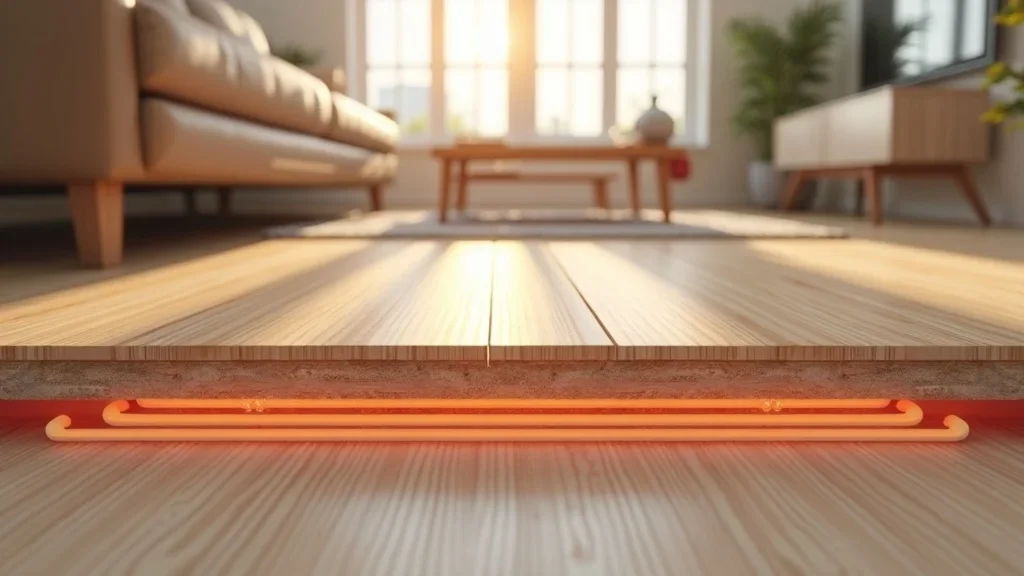
At the heart of underfloor heating's efficiency lies the concept that the floor essentially becomes the radiator. Jamie Alberts notes, "The floor essentially becomes the radiator, with heat stored in the screed and insulation layers, providing a constant, flat line of warmth rather than the on-off cycles typical of radiators." This means the warm floor surface acts as a large thermal mass, absorbing and slowly releasing heat evenly. Compared to radiators that heat and cool rapidly, underfloor heating offers a steadier, more comfortable heat profile that enhances living spaces.
This system typically involves laying pipes within insulated screed, which retains heat effectively, releasing it gently into the room. This mass makes the heat-up time slower than with conventional radiators but ensures that once warm, the floor stays at a comfortable temperature longer. The result is lower temperature fluctuations and a more relaxed environment.
Temperature Settings and Energy Efficiency
Typical flow temperatures: Between 40-50°C, which is significantly lower than the 60-70°C used for radiators.
Advanced systems: Jamie’s company uses Swedish technology that can run at flows as low as 30°C, further boosting efficiency.
Heat pump compatibility: These lower temperatures are ideal for pairing with air source heat pumps, enabling greener, sustainable heating.
Cost savings: Systems like these can reduce utility bills by up to one third, making them economically attractive.

Installation Methods and System Design Considerations
New Build vs Retrofit Solutions
Installation approaches vary significantly depending on whether the home is a new build or a retrofit. New builds allow for full integration of insulation layers, screed depth, and floor finishes, optimizing system efficiency. Jamie Alberts explains that in these scenarios, the underfloor heating is incorporated early, ensuring the floor's thermal mass and insulation are precisely tailored.
For retrofit projects where floor height or construction limits exist, alternative methods apply. These include the usage of aluminium heat spreader plates and specially designed insulated boards to maximize heat output from a reduced system depth. Flooring material choice is critical because different finishes offer varying resistance to heat, directly impacting performance.
New builds: Incorporate insulation, screed, and final floor finish for optimal thermal mass.
Retrofit: Employ aluminum heat spreader plates and specialized boards to enhance heat distribution.
Floor finish resistance affects system output - selection matters.
Manifold design and zoning allow precise control and efficiency.

Expert Tips on Installation Tools and Techniques
Jamie Alberts shares, "Specialist tools like pipe decoilers and staple guns make installation easier, but the key is experience and attention to detail to ensure system efficiency and longevity." Installing underfloor heating pipes can be labour-intensive without the proper tools; decoilers facilitate smooth pipe deployment, while staple guns securely fix pipes before covering. These relatively simple tools, combined with skilled workmanship, ensure the integrity and performance of the system.
Beyond equipment, experience plays a vital role. Understanding the correct layout, avoiding heat loss to undesired areas by insulating pipes passing through unheated zones, and thoughtfully planning manifold locations enhance both comfort and operational efficiency. Attention to these details ensures long-lasting satisfaction for homeowners.

Future Trends in Underfloor Heating
Integration with Renewable Energy Systems
The future of underfloor heating is clearly intertwined with renewable energy adoption. There is a growing trend towards pairing underfloor systems with air source heat pumps, as these pumps operate efficiently at the lower temperatures underfloor heating requires. Jamie Alberts observes, "We do probably fifty percent of the sites now with air source heat pumps, and obviously they go hand in hand with underfloor heating and the lower temperature operation."
Such synergy aligns with anticipated regulatory changes aiming to reduce gas boiler use in new builds from 2025. As sustainability pressures mount, underfloor heating coupled with renewable technologies offers a pathway to meet energy efficiency goals while maintaining occupant comfort. Demand is already rising in new housing developments, reflecting market recognition of these benefits.
Increased coupling with air source heat pumps for energy efficiency
Shift towards lower system temperatures enhancing heat pump performance
Regulatory shifts away from fossil fuel heating systems
Growing popularity in new home constructions

Common Misconceptions and Practical Advice
Not always on: Underfloor heating is controlled by individual room thermostats and switches on only as needed, rather than running 24/7.
Heat-up times: The system takes longer to warm up than radiators but retains heat longer due to thermal mass.
Floor finishes matter: Hard floors like tile work best; thick carpets or insulating materials can reduce efficiency.
Maintenance: Usually low but occasional specialist checks ensure long-term performance.
People Also Ask
What are the main advantages of underfloor heating?
Underfloor heating provides consistent, even warmth without taking up wall space. Its efficiency leads to lower energy bills and better comfort, thanks to radiant heat that improves indoor air quality by reducing dust circulation.
Is underfloor heating suitable for retrofit projects?
Yes, with specialized retrofit methods such as heat spreader plates and insulated boards, underfloor heating can be successfully installed in existing homes, though it requires careful planning regarding floor height and materials.
How does underfloor heating work with heat pumps?
Underfloor heating operates at lower temperatures, which perfectly complements the efficiency range of air source heat pumps, making them an ideal pairing for reduced carbon emissions and running costs.
What maintenance does underfloor heating require?
Maintenance is generally minimal but involves periodic system checks to ensure pipes and manifolds are functioning correctly, with attention to controls and potential leaks in water-based systems.
Key Takeaways
Aspect |
Underfloor Heating |
Traditional Radiators |
|---|---|---|
Heat Distribution |
Even across floor surface |
Localized around radiator |
Running Temperature |
40-50°C (can be lower) |
60-70°C |
Space Usage |
No wall space needed |
Requires wall space |
Energy Efficiency |
Higher due to thermal mass |
Lower due to cycling |
Installation Complexity |
Higher, especially retrofit |
Lower |
Conclusion: Embracing the Future of Underfloor Heating
Jamie Alberts concludes, "Underfloor heating represents a forward-thinking solution for modern homes, combining comfort, efficiency, and compatibility with renewable technologies. It's an investment that pays off in both lifestyle and energy savings." Homeowners and builders alike should consider this innovative heating solution to enhance comfort and sustainability for years to come.
If you’re inspired to future-proof your home with advanced heating solutions, there’s a wealth of knowledge to explore beyond the basics. Delving into topics like rapid response to plumbing emergencies or integrating smart controls can further elevate your comfort and peace of mind. For those interested in safeguarding their property and optimising their heating investment, learning how to handle urgent issues such as burst pipe repairs is a smart next step. By staying informed and proactive, you’ll ensure your home remains both efficient and resilient, no matter what the future brings.
For Expert Help and Advice
Visit Peak Underfloor Heating for professional consultation.
Explore tailored heating solutions designed specifically for your home or project needs.
Benefit from expert installation, ongoing support, and trusted industry knowledge.
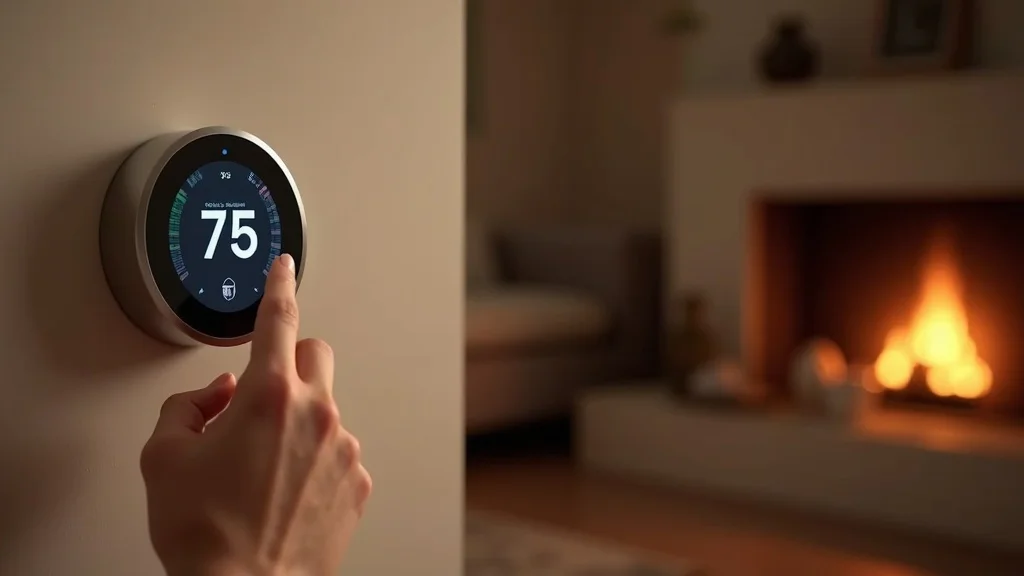
The underfloor heating market is experiencing significant growth, driven by the integration of smart technologies and renewable energy sources. According to a report by Future Market Insights, the global hydronic underfloor heating market is projected to reach $8.4 billion by 2035, with a compound annual growth rate (CAGR) of 6%. This expansion is largely attributed to the increasing adoption of smart technologies and the integration of renewable energy sources, enhancing energy efficiency and user control. (fmiblog.com)
Similarly, the electric underfloor heating sector is witnessing substantial growth. A report from the Journal of Environmental News indicates that the market is expected to grow from $2.4 billion in 2025 to $4.0 billion by 2035, reflecting a CAGR of 5.0%. This surge is fueled by the rising demand for energy-efficient heating solutions and the rapid adoption of smart home technologies, which offer enhanced comfort and control. (journalofenvironmentalnews.com)
These developments underscore a clear trend: the future of underfloor heating lies in its synergy with smart home ecosystems and sustainable energy practices. For homeowners and builders aiming to create modern, energy-efficient living spaces, understanding these trends is crucial. If you’re serious about enhancing your home’s heating efficiency and integrating cutting-edge technology, these resources will provide valuable insights into the evolving landscape of underfloor heating.











Write A Comment