Add Row
Add Element
cropper
update

Plumbing and Heating Chesterfield

Logo-plumbing and heating chesterfield
update
Add Element
update

CALL US

07966 884368

Add Element
update

EMAIL US

info@edsplumbing.co.uk

Add Element
update

OPEN 24 HOURS  OPEN

Add Element

Add Element
  • Insights Home
  • Topics
    • Eco-Friendly Plumbing Projects
    • Trade Secrets: Eco Edition
    • Smart Spend: Eco Product Picks
    • Smarter Heating to Slash Your Bills
    • Plumbing and Heating Success Stories
    • Sustainable Plumbing and Heating News
    • Innovative Heating Solutions
    • Sustainability Tips for Every Property
    • Plumbing and Heating Services
    • Emergency Plumbing
    • Boiler Installation Repairs and Servicing
    • Commercial Plumbing Solutions
    • Smart Underfloor Heating
  • Contact Us
  • Subscribe
Add Element
  • Peak Plumbing and Heating Insights on Facebook
    update
  • Peak Plumbing and Heating Insights on X.com
    update
  • Peak Plumbing and Heating Insights Google Business Profile
    update
  • update
  • update
  • Peak Plumbing and Heating Insights on Youtube
    update
  • Peak Plumbing and Heating Insights on Instagram
    update
  • All Posts
  • Eco-Friendly Plumbing Projects
  • Trade Secrets: Eco Edition
  • Smart Spend: Eco Product Picks
  • Smarter Heating to Slash Your Bills
  • Plumbing and Heating Success Stories
  • Sustainable Plumbing and Heating News
  • Innovative Heating Solutions
  • Sustainability Tips for Every Property
  • Plumbing and Heating Services
  • Emergency Plumbing
  • Boiler Installation Repairs and Servicing
  • Commercial Plumbing Solutions
  • Smart Underfloor Heating
December 15.2025
1 Minute Read

Energy Efficiency and Cost Savings with Underfloor Heating and Heat Pumps

When Anna switched to energy efficient underfloor heating paired with heat pumps, her energy bills plummeted, and comfort soared. Discover how this smart combination transforms homes, cutting costs while keeping spaces warm and eco-friendly—perfect for anyone keen to upgrade heating without breaking the bank.

Understanding Energy Efficient Underfloor Heating: An Overview

Energy efficient underfloor heating is a modern heating approach where the floor of your home acts as the radiator, creating an evenly heated space. Unlike traditional radiators that heat the air around them unevenly and involve hot water running through panels on the walls, underfloor heating distributes warmth across a wide surface area, resulting in more consistent comfort.

The system works on the principle of thermal mass—the ability of the floor materials, often including concrete and insulation layers, to absorb and slowly release heat over time. This drastically reduces heat loss and leads to significant energy savings. Good insulation beneath the floor is crucial to maintaining this efficiency, preventing heat from dissipating downward and ensuring it warms your living space effectively.

Jamie Alberts, of Peak Underfloor Heating Ltd, explains, The ethos of underfloor heating is that the floor itself becomes the radiator, providing a more consistent and efficient heat distribution compared to traditional radiators. This means the warmth is gentle and all-encompassing, improving comfort and reducing the spikes and dips in temperature commonly experienced with other heating methods.

Energy efficient underfloor heating schematic in a contemporary living room with exposed floor structure and children playing

The Benefits of Energy Efficient Underfloor Heating for Modern Homes

Choosing energy efficient underfloor heating brings a range of advantages that modern homes increasingly appreciate. Foremost is space-saving. Removing bulky radiators from walls frees up interior space, allowing for cleaner aesthetics and more flexible furniture arrangements.

Moreover, this system encourages improved indoor air quality by reducing dust circulation. Unlike convective heating from radiators that stir dust particles, the gentle radiant heat from underfloor systems limits airborne dust movement, offering relief to allergy sufferers and enhancing overall comfort.

With efficient heat retention from well-insulated floors, homeowners benefit from lower running costs. The thermal mass means less energy is needed to maintain warmth, saving money on utility bills. Additionally, the even heat distribution eliminates cold spots, enhancing comfort and wellbeing.

While underfloor heating systems are designed for efficiency and reliability, it’s important to be prepared for unexpected plumbing issues that can impact your home’s comfort and safety. For instance, understanding how to quickly address a burst pipe can help you prevent costly damage and maintain the performance of your heating system. Learn more about effective emergency response in this guide to stopping burst pipe damage fast.

Expert Insight: Why Underfloor Heating is Gaining Popularity

Jamie Alberts notes, Underfloor heating has become more common over the years, especially in new builds and renovations, because it offers long-term savings and a cleaner, more comfortable environment. He emphasizes that while installation costs can be higher, the superior comfort and reduced energy use make it increasingly preferred by homeowners who value sustainability and efficiency.

Integrating Heat Pumps with Energy Efficient Underfloor Heating

Heat pumps are increasingly paired with energy efficient underfloor heating to optimise performance and sustainability. Heat pumps operate effectively at lower water temperatures (often between 30°C and 45°C), making them ideal partners for underfloor systems designed to run at comparatively low temperatures.

This synergy allows for improved energy savings because the heat pump uses less electricity than traditional boilers do when heating water to 60-70°C for radiators. The low-temperature operation is gentler on equipment, prolonging lifespan and reducing maintenance needs.

Environmentally, this combination boosts home sustainability by reducing your carbon footprint. Heat pumps use renewable energy from the air or ground, and when paired with underfloor heating's efficient distribution, homeowners enjoy a smart, green heating solution.
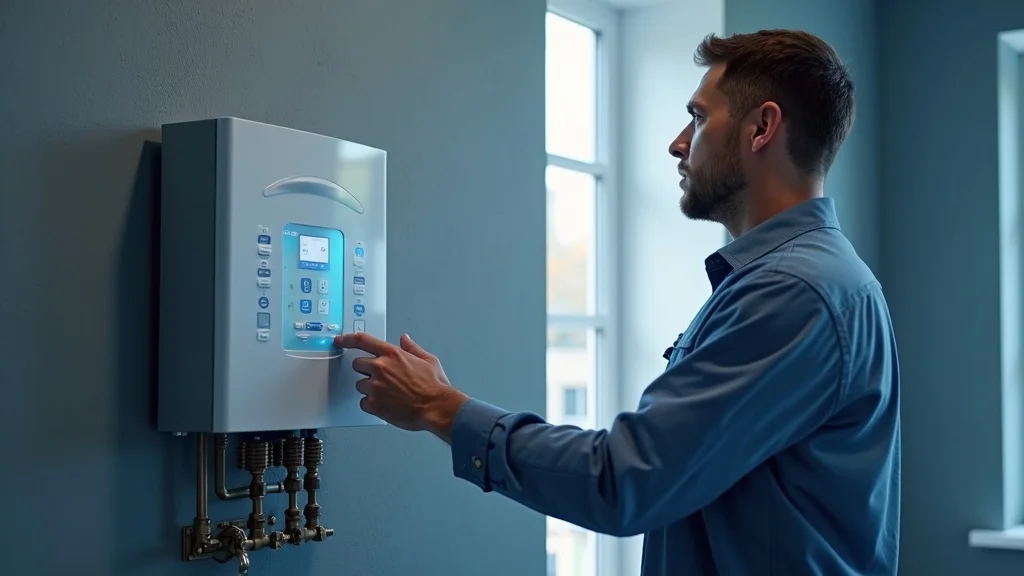
Modern heat pump system connected to an underfloor heating manifold in a residential utility room with visible piping

Why Heat Pumps Are the Future of Home Heating

  • Government incentives and regulations increasingly encourage heat pump adoption in new and existing homes.

  • Heat pumps work seamlessly with renewable energy sources like solar and wind power, complementing sustainable energy strategies.

  • Over time, heat pump systems are more cost-effective than traditional gas boilers due to lower fuel consumption and maintenance costs.

Jamie Alberts highlights, Heat pumps are the perfect match for underfloor heating because they operate efficiently at lower temperatures, which aligns with the system’s design and maximises energy savings.

Design and Installation Considerations for Energy Efficient Underfloor Heating

Careful design and installation are pivotal for maximising the benefits of energy efficient underfloor heating. The type of floor construction plays a key role—new builds often incorporate insulation and screed from the ground up, whereas retrofit projects must consider existing floor limitations.

Jamie Alberts advises, A thorough site visit and heat loss calculation are essential to design an underfloor heating system that meets the specific needs of each home, ensuring maximum efficiency and comfort. This initial assessment helps determine pipe layout, insulation type, and manifold location to ensure optimal heating performance.

Thermostatic controls and zoning systems allow homeowners to fine-tune heat distribution room by room, conserving energy where less heat is needed, and creating personalised comfort zones throughout the home.

Professional installers fitting flooring over underfloor heating pipes in a semi-renovated modern home

Common Misconceptions About Energy Efficient Underfloor Heating

  • Myth: Underfloor heating takes too long to heat a room.
    Fact: While the system heats more slowly than radiators initially, it maintains warmth steadily, often heating intermittently just to maintain temperature rather than cycling on and off.

  • Myth: It’s always expensive to install.
    Fact: Although installation costs are higher upfront, the long-term savings on energy bills and improved comfort deliver excellent return on investment.

  • Myth: Underfloor heating is complicated to control.
    Fact: Modern thermostats provide precise control with easy-to-use interfaces, offering optimal temperature management across different rooms.

Cost Savings and Energy Efficiency: What Homeowners Can Expect

Heating System

Average Running Temperature (°C)

Estimated Energy Savings (%)

Typical Installation Cost (£)

Traditional Radiators

60-70

Baseline

£1,500 - £3,000

Energy Efficient Underfloor Heating

40-50

20-30%

£3,000 - £6,000

Underfloor Heating with Heat Pump

30-45

Up to 40%

£6,000 - £10,000

Happy homeowner reviewing energy cost savings from underfloor heating on a digital tablet in a bright modern kitchen

Actionable Tips for Maximising Energy Efficiency with Underfloor Heating

  1. Ensure proper insulation beneath the floor to prevent heat loss and improve heat retention.

  2. Use programmable thermostats for precise temperature control, allowing the system to run only when necessary.

  3. Schedule regular maintenance for heat pumps and underfloor heating components to sustain peak efficiency.

  4. Consider floor finishes that enhance heat transfer, such as tile or stone, rather than thick carpeting that can insulate heat.
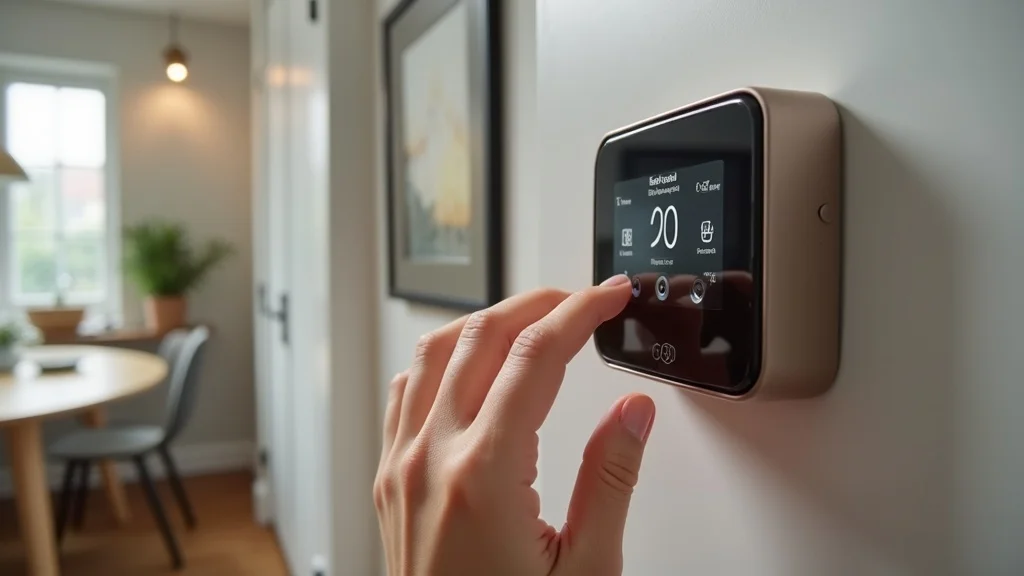
Close-up of hand adjusting smart thermostat settings for efficient underfloor heating control

People Also Ask

  • What is the average lifespan of energy efficient underfloor heating systems?
    Typically, these systems last 30 years or more with proper maintenance.

  • Can underfloor heating be installed in existing homes?
    Yes, retrofit systems exist that can be installed with minimal floor height increases.

  • How do heat pumps reduce energy bills when paired with underfloor heating?
    Heat pumps operate efficiently at low temperatures, matching underfloor heating requirements and reducing electricity consumption.

  • Is underfloor heating suitable for all types of flooring?
    Most floor types work, but some finishes like tile and stone have better heat conduction than thick carpets.

Key Takeaways

  • Energy efficient underfloor heating offers superior comfort and cost savings over traditional radiators.

  • Pairing underfloor heating with heat pumps maximises energy efficiency and environmental benefits.

  • Proper design, installation, and control are critical to achieving optimal performance.

  • Despite higher upfront costs, long-term savings and increased home value make underfloor heating a smart investment.

Conclusion: Embracing Energy Efficient Underfloor Heating for a Sustainable Future

Jamie Alberts concludes, Investing in energy efficient underfloor heating combined with heat pumps is not just about comfort; it’s about future-proofing homes against rising energy costs and environmental challenges.

If you’re inspired to make your home more efficient and resilient, it’s worth considering how a holistic approach to plumbing and heating can further protect your investment. From advanced heating solutions to rapid emergency response, staying informed empowers you to safeguard your property and maximise comfort year-round. For practical advice on handling urgent plumbing issues and ensuring your heating system remains in top condition, explore the strategies outlined in this comprehensive burst pipe repair resource. Taking these extra steps can help you enjoy peace of mind and long-term savings as you embrace a more sustainable home.

For Expert Help or Advice

  • Visit Peak Underfloor Heating for professional guidance and installation services.

Sources:

  • https://peakunderfloorheating.com/

Integrating energy-efficient underfloor heating with heat pumps offers homeowners significant advantages in comfort and cost savings. According to the article “Benefits of Underfloor Heating Systems - Comfort & Energy Efficiency” by Radiant Made Simple, underfloor heating systems operate at lower temperatures, providing consistent and even heating, which reduces energy consumption. (radiantmadesimple.com) Additionally, the article “Exploring the Pros and Cons of Underfloor Heating” from Environmental Protection highlights that water-based underfloor heating systems can be around 25% more efficient than radiators, with this efficiency increasing to 40% when paired with a heat pump. (eponline.com) These resources offer valuable insights into how combining underfloor heating with heat pumps can enhance home heating efficiency and sustainability.
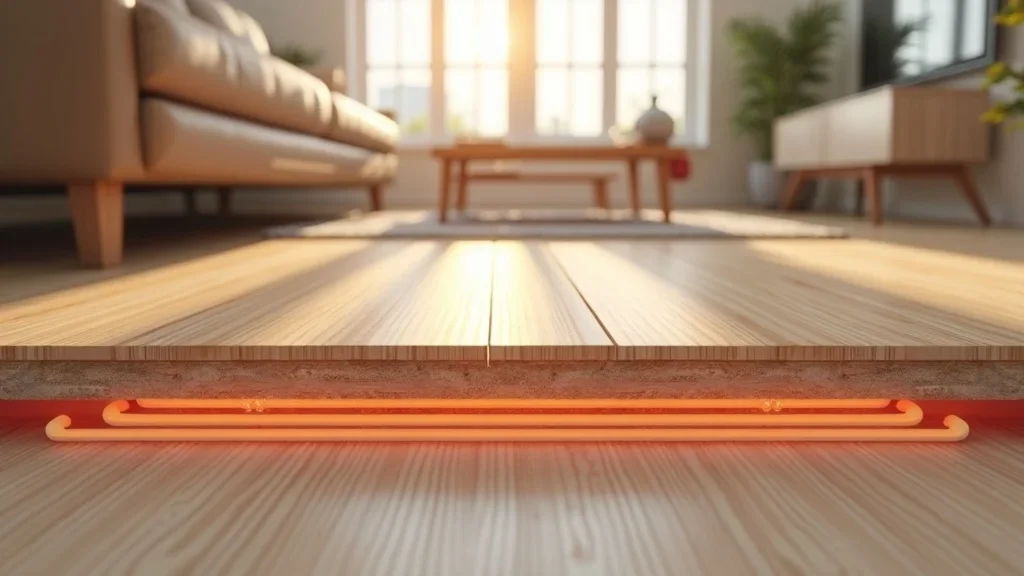

Smart Underfloor Heating

0 Views

0 Comments

Write A Comment

*
*
Related Posts All Posts
12.12.2025

Underfloor Heating FAQs: Everything You Need to Know

Are you curious why underfloor heating is becoming the preferred heating system in modern homes? With evolving technology and growing demand for comfort and efficiency, underfloor heating has rapidly gained popularity. This comprehensive guide answers all your pressing questions about underfloor heating—from how it works and its benefits, to installation insights and common troubleshooting tips.Overview of Underfloor Heating SystemsWhat is an Underfloor Heating System?Underfloor heating is a radiant heating method that warms a room through heat emitted from the floor surface. Unlike traditional heating systems such as radiators, which heat the air around them, underfloor heating distributes warmth evenly across a large surface area, creating a cosy environment. The floor itself essentially becomes a large radiator, radiating comfortable heat upwards into the room. Jamie Alberts, of Peak Underfloor Heating Ltd, explains, “Underfloor heating is becoming more common because it offers better efficiency and frees up wall space, making homes more comfortable and modern.”These systems are particularly suited to modern homes striving for minimalist aesthetics or where wall space is at a premium. Since the floor delivers heat evenly, it reduces cold spots and draughts typically associated with radiator systems.Types of Underfloor Heating: Water Underfloor Heating vs Electric Underfloor HeatingThere are two primary underfloor heating systems: water underfloor heating and electric underfloor heating. Water underfloor heating, often described as 'wet' systems, use heated water circulating through pipes installed beneath the floor surface. This method is highly efficient, especially for larger areas, and works well with modern heat sources such as heat pumps.Electric underfloor heating systems use electrical cables or mats embedded under the flooring that heat up when powered. These systems are usually easier and quicker to install, making them ideal for smaller rooms or retrofit projects. While electric systems can be more expensive to run on a large scale, they offer precision control and installation flexibility.For homeowners interested in how underfloor heating fits within the broader context of home heating systems, exploring the central heating system installation process can provide valuable insights into integration, compatibility, and best practices for efficient home comfort.How Underfloor Heating Systems Differ from Traditional Radiator Heating SystemsTraditional radiator heating relies on hot water circulated through wall-mounted units that warm the air primarily by convection. Radiators heat the area near them quickly but can leave cold corners and require bulky wall space. Conversely, underfloor heating offers thermal mass heating, spreading warmth gradually and evenly across the entire floor surface.This approach results in a slower but more stable heat-up time, with less heat loss when the system cycles on and off. The concrete or screed floor used in wet underfloor systems retains heat efficiently, lowering running costs. As Jamie Alberts explains, “The floor becomes the radiator. Although heat-up times are slower than radiators, the floor cools less quickly, creating a more constant temperature.”Benefits of Underfloor Heating SystemsEnergy Efficiency and Cost Savings with Underfloor HeatingOne of the most compelling advantages of underfloor heating is its energy efficiency. Because it operates at lower water temperatures—typically between 40 and 50 degrees Celsius for wet systems—it requires less energy than radiators that might run at 60–70 degrees Celsius. This lower operating temperature pairs exceptionally well with renewable heat sources like heat pumps, helping reduce carbon footprints and energy bills.Jamie Alberts shares, “We use a Swedish manufactured system that allows flow temperatures down to 30 degrees, cutting energy bills by around a third compared to traditional systems. This synergy with heat pumps positions underfloor heating at the forefront of modern, green heating technologies.”Space Saving and Aesthetic Advantages Compared to RadiatorsWith no need for wall-mounted radiators, underfloor heating frees up valuable wall space, giving rooms a cleaner, more spacious aesthetic. This advantage is particularly noticeable in smaller rooms where radiator placement can limit furniture options.The system’s invisible presence allows interior design freedom and avoids the accumulation of dust around radiator units, which is a benefit for allergy sufferers. By heating the space from below, rooms maintain a uniform temperature and feel warmer at lower thermostat settings.Compatibility with Heat Pumps and Modern Heating TechnologiesModern underfloor heating systems are designed to integrate seamlessly with renewable heat sources. Since heat pumps generate heat at lower temperatures, they complement underfloor heating's need for mild water temperatures, ensuring optimal system efficiency and comfort.Jamie Alberts highlights, “In new builds we work on, about half now use air source heat pumps paired with underfloor heating, blending sustainability with effective heating.” This compatibility supports future-proofing homes against rising energy costs and environmental regulations.How Underfloor Heating Works: Technical InsightsThermal Mass and Heat Distribution in Underfloor Heating SystemsThe principle behind underfloor heating centres on the concept of thermal mass. The system typically consists of layers: insulation at the base, plastic piping embedded in a screed layer, and the final floor finish on top. The screed acts as a heat reservoir, storing and evenly radiating warmth across the floor surface.This stable heat source prevents the rapid temperature fluctuations common with radiators. As the warmth radiates from the floor up, it gently heats occupants and objects in the room, creating a cosy atmosphere without draughts or cold spots.Typical Operating Temperatures and Control MechanismsUnlike radiators that may run at temperatures over 60 degrees Celsius, underfloor heating systems work effectively at lower flow temperatures—generally between 40 and 50 degrees Celsius. This contributes to energy savings and system longevity.Control is typically via thermostats in individual rooms, allowing precise temperature regulation. Rather than being on or off for long periods, systems cycle briefly to maintain a steady temperature “flatline”. This approach ensures comfort while minimizing energy use.Design Considerations: Floor Construction and InsulationEffective underfloor heating depends heavily on proper floor construction. For new builds, the ideal setup includes insulation boards beneath the pipework to prevent heat loss downwards and a screed layer to encase the pipes. The choice of floor finish—wood, tile, or carpet—impacts heat transfer and must be factored into the design.In retrofit installations, aluminium heat spreader plates or specialised boards may be used to maximise heat output without a significant floor build-up. Early design and planning consultations are crucial to determine the best system type and layout for the property.Installation Process and Tools Required for Underfloor HeatingStep-by-Step Installation OverviewInstallation begins with a site visit to evaluate the floor construction and plan the system layout. New builds allow embedding pipes within screed, whereas retrofit cases may require surface-mounted systems with slimline panels or mats.After finalising the design and heat loss calculations, materials such as insulation, pipes, and manifolds are prepared. The pipes are carefully laid and secured according to the design, followed by covering with screed or specialised boards before applying the final floor finish.Specialist Tools and Equipment NeededJamie Alberts notes, “The main specialist tools are pipe staplers and decoilers, which make installation much easier compared to traditional methods.”Key tools for underfloor heating installation include pipe staplers to fasten pipes securely and decoilers to efficiently feed long coils of pipe during laying. These simplify the process significantly compared to manual staple fixing.General plumbing and heating tools also apply, but underfloor heating requires patience and precision. The right equipment ensures reliable installation, reducing future maintenance problems.Common Questions and Challenges About Underfloor HeatingWhat Are the Pitfalls of Underfloor Heating?Although underfloor heating offers many benefits, there are potential pitfalls. The system’s slow heat-up time means it’s not suitable for rapid temperature changes or infrequent use. If insulation is inadequate, heat loss can reduce efficiency.Jamie Alberts explains, “A common misconception is that the heating is always on. Actually, it cycles to maintain temperature, but poor controls or installation can lead to uneven warmth and frustration.” Proper design, insulation, and system commissioning are vital to mitigate these drawbacks.How Soon Can You Turn Underfloor Heating On After Tiling?After tiling, the floor screed or adhesive needs to cure fully before turning on underfloor heating to avoid cracking and ensure system longevity. Usually, a gradual warm-up period starts several days post-tiling, starting at low temperatures and increasing incrementally over about a week.This cautious approach protects floor finishes and helps stabilise the system for consistent heating performance.Are You Supposed to Leave Underfloor Heating On All the Time?Unlike traditional heating, underfloor systems are designed to maintain a steady baseline temperature, often running intermittently throughout the day. Operating continuously at a low level supports consistent warmth and energy efficiency, rather than turning the system fully on or off.Proper thermostat programming is essential, with some smart controls allowing extreme customisation per room for comfort and savings.Why Is My Floor Cold With Underfloor Heating?Cold spots often result from insufficient insulation, incorrect system design, or blocked pipes. Floor finish resistance, such as thick carpets or rugs, can also reduce heat transmission. Consulting a specialist to assess the setup, flow rates, and thermostat settings can identify and resolve such issues effectively.Comparison Table: Underfloor Heating vs Radiator HeatingFeatureUnderfloor HeatingRadiator HeatingEfficiencyHigher energy efficiency; operates at lower temperaturesLess efficient; requires higher water temperaturesInstallation CostHigher initial installation cost, especially for wet systemsLower installation cost and simpler retrofitRunning CostLower due to steady heating and thermal massHigher; cycles on/off leading to heat lossSpace UsageInvisible; frees wall spaceRequires wall space; limits furniture placementHeat DistributionEven and comfortable floor-wide heatLocalized heat near radiatorsHeat-up TimeSlower heat-up, but retains warmth longerFaster heat-up and cool downCompatibility with Heat PumpsExcellent; works at low temperaturesLess efficient with heat pumpsMaintenanceLow with quality installationModerate; valves and bleeding requiredExpert Tips and Best Practices for Underfloor HeatingOptimizing Heat Pump Integration with Underfloor HeatingTo maximise efficiency, install underfloor heating systems designed for low temperature operation. Ensure the heat pump is sized correctly for the property, and use smart controls to harmonise system performance with external conditions, reducing energy wastage.Managing Heat Zones and Manifold ControlsDividing a property into heat zones controlled by the manifold allows individual room temperature control and reduces energy consumption. Proper insulation of pipes between manifold and rooms prevents unwanted heat loss, as Jamie Alberts explains about sleeving pipes to isolate heat transfer efficiently.Maintenance and Troubleshooting AdviceRegularly check manifold pressure, ensure thermostats are functioning correctly, and flush the system periodically to avoid blockages. If cold spots appear, review insulation or floor finish choices, and consult experts early to prevent costly repairs.Key TakeawaysUnderfloor heating offers efficient, space-saving heating solutions ideal for modern homes.Water underfloor heating systems typically operate at lower temperatures, making them compatible with heat pumps.Proper design, insulation, and control are critical for optimal performance.Installation requires some specialist tools but is manageable with professional guidance.Common FAQs address concerns about operation, installation timing, and troubleshooting.ConclusionWhy Underfloor Heating is a Smart Choice for Your HomeJamie Alberts concludes, "Underfloor heating is not just a luxury; it’s a practical, efficient heating system that’s here to stay, especially as we move towards greener technologies like heat pumps."Investing in underfloor heating means choosing comfort, efficiency, and future-proofing your home’s heating. For expert advice and tailored solutions, consult professionals who understand your unique needs.If you’re inspired to take your home’s comfort and efficiency even further, consider how renewable energy heating products are transforming the way we heat our living spaces. By learning about innovative renewable heating solutions, you can discover advanced options that not only complement underfloor heating but also help future-proof your property. Explore the latest trends and technologies to make informed decisions that benefit both your home and the environment. The journey to a warmer, greener home starts with understanding all the possibilities available to you.People Also AskWhat are the pitfalls of underfloor heating?Slow heat-up times, higher upfront costs, and the need for proper insulation are common pitfalls. Poor design or controls may cause uneven heating, but these issues are avoidable with quality installation and planning.How soon can you turn underfloor heating on after tiling?Typically, wait at least 7 days post-tiling before gradually turning on the system to allow adhesives and screed to cure properly.Are you supposed to leave underfloor heating on all the time?It is often more efficient to maintain a steady low-level heat all day, rather than switching the system fully on and off.Why is my floor cold with underfloor heating?Causes include poor insulation, blocked pipes, or floor finish resistance. Professional inspection can identify and remedy the issue.Call to ActionFor expert help or advice visit Peak Underfloor HeatingFor a deeper understanding of underfloor heating, consider exploring the following resources:Underfloor Heating FAQs | The Underfloor Heating StoreThis comprehensive FAQ section addresses common questions about underfloor heating, including system compatibility with various floor types, installation considerations, and operational guidelines. (theunderfloorheatingstore.com)Underfloor Heating FAQs | Warmup IncWarmup Inc provides detailed answers to frequently asked questions, covering topics such as system components, installation procedures, and maintenance tips to ensure optimal performance of underfloor heating systems. (warmup.com)These resources offer valuable insights to help you make informed decisions about underfloor heating solutions for your home.

12.08.2025

The Complete Guide to Underfloor Heating: Design, Installation, and Benefits

Imagine stepping onto a warm floor on a chilly morning, feeling the comfort radiate through every room. Underfloor heating transforms our homes into cozy sanctuaries, offering energy-efficient warmth and timeless comfort. This guide will help you embrace a smarter, more inviting way to heat your home - combining expert insights, practical advice, and an in-depth look at how underfloor heating can revolutionise your living environment. What You'll Learn in This Underfloor Heating GuideUnderstanding the basics and benefits of underfloor heatingDesign considerations for new builds and retrofitsInstallation processes and materials involvedExpert insights from Jamie Alberts of Peak Underfloor Heating LtdCommon misconceptions and practical tipsEnergy efficiency and compatibility with modern heating systemsOverview of Underfloor Heating: What It Is and Why Choose ItJamie Alberts, of Peak Underfloor Heating, explains, "Underfloor heating is becoming more common because it offers efficient heating and saves space by eliminating radiators."Underfloor heating is a modern heating solution that involves installing a network of pipes or electric elements beneath the floor surface to radiate warmth evenly throughout your rooms. Unlike traditional radiator systems, which heat the air locally and often result in uneven temperature distribution, underfloor heating uses the entire floor as a large, gentle radiator.This system's main benefits include energy efficiency, thanks to its lower operating temperatures; space-saving design, since it removes the need for bulky wall-mounted radiators; and enhanced comfort, as warmth rises naturally and uniformly. The concept of thermal mass plays a vital role here - the floor materials absorb and slowly release heat, maintaining a steady ambient temperature.Definition and basic concept of underfloor heatingComparison with traditional radiator systemsBenefits including energy efficiency, space saving, and comfortThermal mass and heat distribution explained How Underfloor Heating Works Compared to RadiatorsRadiators heat air quickly but cool down fastUnderfloor heating uses the floor as a large radiator with slower heat-up and cool-down timesMaintains a more constant temperature for comfortTypical operating temperatures and thermostat controlTraditional radiators work by heating the air around them quickly, which means rooms warm up fast but often unevenly. The heat rises and cools just as fast, causing temperature fluctuations and hot or cold spots. Conversely, underfloor heating warms the floor itself, which acts as a giant radiator. Although it takes longer to warm up due to the thermal mass of materials like concrete and screed, the system cools slowly, providing a steady, comfortable heat.Typically, underfloor heating operates at lower temperatures — generally between 40 to 50°C — compared to radiators that often run at 60 to 70°C. Thermostats control the system to maintain a consistent temperature, activating only as required. This means the heating doesn't have to run constantly but is available throughout the day, maintaining a "flat line" temperature rather than cycling on and off frequently.When considering the installation of underfloor heating, it's important to be aware of potential plumbing issues that can arise in any home. For example, understanding how to quickly address a burst pipe can help prevent significant damage and ensure your heating system remains efficient. If you want to learn more about rapid response strategies, explore this guide on how to stop damage fast from burst pipes.Designing Your Underfloor Heating System: From Site Visit to LayoutJamie Alberts shares, "We start with a site visit to assess floor construction and decide between new build or retrofit systems, then proceed with detailed design and heat loss calculations."Designing an underfloor heating system begins with a thorough site assessment to understand your home's floor construction and heating needs. For new builds, systems can be integrated into the construction process, allowing for full insulation and screed installation. For existing homes, retrofit systems need careful consideration around floor height and insulation to optimise performance.The design phase includes calculating heat loss for each room to determine the appropriate system output. This calculation informs pipe layout, manifold placement, and thermostat settings to ensure even and efficient heating across different areas. As Jamie Alberts explains, this precise design work is essential to "cross the t's and dot the i's" and guarantee your system performs exactly as expected.Initial site assessment and floor construction considerationsDifferences between new build and retrofit installationsHeat loss calculations and system design processManifold location and pipe layout planningImportance of floor finish and insulation Materials and Components Used in InstallationInsulation boards, screed, and pipe typesManifolds and control systemsSpecialist tools like pipe decoilers and staple gunsThermal resistance of floor finishesThe installation process involves layering insulation boards to prevent heat loss, followed by carefully laid pipes that carry warm water throughout the floors. These pipes are fixed using staple guns to ensure secure placement beneath the screed, the concrete layer poured over them to provide thermal mass for heat retention.Control is managed via manifolds, which distribute the warm water to different loops or zones in the system, each regulated by thermostats for precise temperature management. Specialist tools such as pipe decoilers - which help uncoil pipe coils smoothly - and staple guns make installation efficient and accurate. Moreover, the choice of floor finish significantly affects heat transfer; materials with lower thermal resistance like tile or stone maximise efficiency. Benefits of Underfloor Heating: Comfort, Efficiency, and Space SavingEven heat distribution and improved comfortLower running costs due to efficient thermal massNo wall radiators freeing up spaceReduced dust circulation improving air qualityAccording to Jamie Alberts, "Underfloor heating can reduce utility bills by up to a third compared to traditional systems, especially when paired with heat pumps."Underfloor heating creates a uniformly warm environment, eliminating cold spots and providing a luxurious sense of comfort as the heat radiates gently from below. This even heat distribution keeps rooms consistently cosy at lower thermostat settings, which directly translates to energy savings and reduced fuel bills.Another significant advantage is the complete removal of unsightly radiators, freeing up wall and floor space for furniture or interior design preferences. Additionally, underfloor heating reduces air movement and dust circulation, which can benefit those with allergies and improve overall indoor air quality. Underfloor Heating and Modern Heating TechnologiesCompatibility with air source heat pumps and low-temperature systemsFuture-proofing homes against gas boiler phase-outExamples of advanced flow temperature systems from Swedish manufacturersUnderfloor heating systems work exceptionally well with modern low-temperature heating technologies like air source heat pumps. Jamie Alberts emphasises that many new builds now incorporate such heat pumps, running at temperatures as low as 30°C with specialised components, delivering remarkable energy savings and reduced carbon footprints.This compatibility is crucial as the UK moves towards phasing out traditional gas boilers by 2025, encouraging homeowners to future-proof their heating systems. Swedish manufacturers, such as LK International, offer advanced flow temperature systems capable of running efficiently at much lower temperatures than conventional setups, which greatly benefits running costs and sustainability.Common Challenges and Misconceptions About Underfloor HeatingMisunderstanding of heating control and thermostat useLonger heat-up times compared to radiatorsInstallation complexity and upfront costsMaintenance and repair considerationsOne common misconception about underfloor heating is that it needs to be on constantly. In reality, thermostats in each room control the heating so it activates only when the temperature dips below the set threshold, maintaining a steady warmth efficiently. The heat-up time is longer due to the thermal mass, but once warmed, the floor retains heat longer than radiators.Underfloor heating installation is more complex upfront, involving careful design, insulation, and skilled labour, which can make initial costs higher than traditional heating. However, with professional installation and high-quality components, ongoing maintenance is minimal, and repair is manageable via accessible manifolds and zoning controls.Expert Tips for Maintaining and Optimising Your Underfloor Heating SystemRegular system checks and thermostat calibrationUnderstanding zoning and manifold controlsChoosing appropriate floor finishes for heat transferPlanning for retrofit installations with minimal disruptionJamie Alberts recommends regular system inspections to ensure thermostats and manifolds are functioning correctly for optimal temperature control. Understanding how to zone your heating allows you to heat only the rooms you use, improving efficiency and comfort.When choosing floor finishes, aim for materials with low thermal resistance like tiles or polished concrete to maximise heat transfer. For retrofit projects, detailed planning is essential to minimise floor height changes and disruption, often through the use of specialist panels or screeded solutions. People Also Ask About Underfloor HeatingHow long does underfloor heating take to warm a room? – Typically, it takes up to one hour to reach full warmth due to the thermal mass, compared to minutes for radiators.Is underfloor heating more energy efficient than radiators? – Yes, underfloor heating operates at lower temperatures and provides more consistent heating, leading to lower running costs.Can underfloor heating be installed in existing homes? – Yes, through retrofit systems that account for floor height and insulation constraints.What floor types work best with underfloor heating? – Tile, stone, polished concrete, and some laminate floors transfer heat most effectively.How do I control the temperature in different rooms? – Using thermostats connected to zoned manifolds allows independent temperature control per room.Key Takeaways from This Underfloor Heating GuideUnderfloor heating offers efficient, comfortable, and space-saving warmth.Proper design and installation are critical for optimal performance.Modern systems integrate well with renewable heating technologies like heat pumps.Expert advice and quality components ensure long-term satisfaction.AspectUnderfloor HeatingRadiatorsHeat DistributionEven across floorLocalized around radiatorHeat-up TimeSlower (up to 1 hour)Faster (minutes)Operating Temperature40-50°C typical60-70°C typicalSpace UsageNo wall space neededRequires wall spaceEnergy EfficiencyHigher due to thermal massLower due to cyclingConclusion: Embrace the Future of Home Heating with Underfloor HeatingJamie Alberts concludes, "Underfloor heating is not just a luxury; it’s a smart investment for comfort, efficiency, and modern living."Take action today and explore underfloor heating solutions that combine warmth, savings, and modern technology for your home or building project.If you’re inspired to enhance your home’s comfort and efficiency, remember that a truly resilient heating system is about more than just warmth - it’s about safeguarding your property and ensuring peace of mind. Delving into topics like emergency plumbing response can help you prepare for the unexpected and protect your investment for years to come. For a deeper understanding of how to handle urgent plumbing issues and keep your home running smoothly, discover the essential steps in managing burst pipe repairs quickly and effectively. This knowledge will empower you to create a home that’s not only comfortable, but also secure and future-ready.For Expert Help or AdviceVisit Peak Underfloor Heating at https://peakunderfloorheating.com/ for professional guidance and bespoke underfloor heating services.To deepen your understanding of underfloor heating, consider exploring the following resources:“An Installer’s Guide to Underfloor Heating” by John Guest offers comprehensive insights into system sizing, suitability, and compliance for both retrofits and new builds. (johnguest.com)“Underfloor Heating Design & Layout Guide” from The Underfloor Heating Store provides detailed information on layout patterns, thermostat placement, and floor finish considerations to optimize your system’s performance. (theunderfloorheatingstore.com)These guides will equip you with the knowledge to design and install an efficient underfloor heating system tailored to your home’s needs.

12.05.2025

Choosing the Right Underfloor Heating System: Advice from Industry Professionals

Imagine stepping onto warm floors during a chilly morning—comfort that transforms your daily routine. Choosing the best underfloor heating system isn't just about technology; it’s about creating a cozy, energy-efficient home. Whether you are building new or retrofitting existing spaces, the right system can bring lasting warmth and savings. Industry experts like Jamie Alberts from Peak Underfloor Heating Ltd share their insights, helping you make an informed, heartfelt choice for your household. What You'll Learn Key factors to consider when selecting the best underfloor heating system Differences between underfloor heating and traditional radiators Expert insights on installation, efficiency, and maintenance Common misconceptions and how to avoid them Practical tips for homeowners and builders Understanding the Best Underfloor Heating System: An Overview Jamie Alberts, of Peak Underfloor Heating, explains, "The ethos of underfloor heating is that the floor itself becomes the radiator, providing a more even and efficient heat distribution compared to traditional systems." The best underfloor heating system operates on a simple yet powerful principle: instead of heating the room through a radiator on the wall, the entire floor surface radiates heat evenly. This creates a comfortable environment by warming from the ground up and significantly improves energy efficiency. Central to underfloor heating effectiveness is the concept of thermal mass — the capacity of the floor material, typically concrete or screed, to absorb, store, and evenly radiate heat. Insulation beneath the heating pipes is essential as it prevents heat loss downward, ensuring warmth reaches the living space effectively. Systems typically operate at lower water temperatures—between 40 to 50 degrees Celsius—yet deliver a pleasantly steady warmth, contrasting with the higher temperatures required by traditional radiators. Definition and basic principles of underfloor heating Thermal mass and insulation importance Typical temperature ranges and energy efficiency Comparing Underfloor Heating with Radiators While traditional radiators heat small zones quickly, their warmth dissipates faster and tends to create uneven temperature zones. Radiators require water temperatures as high as 60 to 70 degrees Celsius to function efficiently, resulting in more energy consumption. On the other hand, the best underfloor heating system uses the whole floor’s surface to gently emit heat, achieving a more even ambient temperature with water running at much lower temperatures. Although the heat-up time is slower, thermal mass ensures consistent warmth that lasts longer after the system switches off. Another advantage of underfloor systems is the space-saving benefit; without bulky radiators on walls, homeowners enjoy greater freedom in room design and furniture placement. Underfloor heating also contributes to better air quality by reducing dust circulation, as it doesn’t rely on convection currents like radiators. Heat-up and cool-down times Space-saving benefits Running costs and energy consumption Comfort and air quality considerations For a more detailed breakdown of how to select the most suitable underfloor heating system for your specific property type and needs, you might find this comprehensive homeowner's guide to underfloor heating systems especially useful. It covers practical considerations and common scenarios faced by UK homeowners. Expert Insights on Choosing the Best Underfloor Heating System Jamie Alberts shares, "We use LK International’s systems, a Swedish company with over a century of experience, because their technology allows us to run flow temperatures as low as 30 degrees, which significantly reduces energy bills." A key to selecting the best underfloor heating system lies in partnering with trusted suppliers who understand the technology and provide robust technical support. Jamie Alberts, of Peak Underfloor Heating Ltd, relies on LK International, a Swedish manufacturer with 110 years of industry experience, who specialize in advanced low-temperature flow systems. These modern systems are designed to function optimally at flow temperatures as low as 30 degrees Celsius, which is considerably cooler than most UK underfloor heating systems. This technological edge makes them particularly compatible with heat pumps—a sustainable heating solution expected to dominate future installations, especially with carbon regulations looming. Importance of supplier relationships and technical support Advantages of modern low-temperature systems Compatibility with heat pumps and sustainable energy solutions Installation Considerations for the Best Underfloor Heating System When deciding on the best underfloor heating system, installation methods differ significantly depending on whether your home is a new build or a retrofit. For new builds, installing pipes within insulated screed floors is the standard practice, optimizing thermal mass and energy efficiency. Insulation boards beneath prevent heat loss, and the screed evenly distributes warmth. In retrofit situations—such as existing timber joisted floors—specialized systems using aluminum heat spreader plates or pre-routed chipboard are used. These systems are thinner and allow fitting under existing floor finishes but often require slightly higher operating temperatures. Proper placement of the manifold—a central point distributing heated water to various pipe loops—is crucial. It aids zoning and provides individual control, allowing tailored room temperatures. Additionally, pipework that passes through unheated spaces is sleeved with insulating conduit to prevent unwanted heat loss. Jamie Alberts notes that professional installation requires specific tools such as pipe decoilers for coil management and staple guns to fasten pipework securely—aiding efficiency and ensuring durability without excessive physical strain. New build versus retrofit options Floor construction types and their impact on system choice Manifold placement and pipe insulation techniques Specialist tools and equipment required Managing Heat Distribution and Control A sophisticated thermostat system is fundamental to maintaining comfort with the best underfloor heating system. Unlike radiators which cycle on and off in blocks of time, underfloor heating operates to maintain a steady, constant temperature throughout the day by switching on only when temperatures dip below a set point. Temperature control is done room-by-room through insulated manifolds and electronic thermostats. This setup ensures zones can be independently adjusted, enhancing comfort and cutting energy waste. The floor’s thermal mass means heat does not cool rapidly, so even short heating cycles keep rooms warm effectively. To prevent heat escaping into non-heated areas such as closets or floor voids, pipes running through those zones are insulated, maintaining efficiency and preventing unnecessary energy usage. Thermostat settings and room-by-room control Avoiding heat loss in non-heated areas Maintaining a consistent temperature for comfort and efficiency Common Misconceptions About the Best Underfloor Heating System Myth: Underfloor heating is always on and costly. Fact: It operates with precise thermostatic control to save energy and cost. Myth: Installation is prohibitively expensive. Fact: While initial costs can be higher, long-term savings on energy bills and space efficiency often outweigh the upfront investment. Jamie Alberts emphasizes, "People often think underfloor heating means the system is on 24/7. In reality, depending on thermostat settings, it may only be active for brief periods throughout the day to maintain comfort and avoid unnecessary running costs." Practical Tips for Homeowners Considering the Best Underfloor Heating System Assess your floor type and insulation before choosing a system to optimize performance. Consult with experienced professionals like Jamie Alberts who provide tailored solutions based on your home’s specifics. Consider future-proofing your heating system by ensuring compatibility with renewable energy sources such as heat pumps. Plan for routine maintenance and seasonal adjustments to keep your system running efficiently year-round. People Also Ask What is the most efficient underfloor heating system? How long does underfloor heating take to warm a room? Can underfloor heating be installed in existing homes? Is underfloor heating compatible with heat pumps? What maintenance does underfloor heating require? Key Takeaways The best underfloor heating system balances efficiency, comfort, and cost-effectiveness. Modern low-temperature systems reduce energy consumption and enhance sustainability. Proper installation and zone control are essential for optimal performance and savings. Strong supplier partnerships provide vital technical support and reliability. Underfloor heating suits both new builds and retrofit projects as a smart investment. Conclusion Jamie Alberts concludes, "Choosing the right underfloor heating system is about understanding your home’s needs and working with trusted professionals to ensure lasting warmth and efficiency." If you’re interested in exploring the broader landscape of underfloor heating solutions, including how to compare options for different property types and local climates, our in-depth article on underfloor heating systems in Chesterfield offers strategic guidance and expert tips. Delve into regional considerations, installation best practices, and the latest trends shaping energy-efficient homes. By expanding your knowledge, you’ll be better equipped to make confident decisions that enhance comfort and value for years to come. Take the next step and discover how tailored heating solutions can transform your living space. Call to Action For expert help or advice visit Peak Underfloor Heating. Sources Peak Underfloor Heating Official Website LK International Underfloor Heating Systems When selecting the best underfloor heating system, it’s essential to consider factors such as energy efficiency, compatibility with your flooring, and ease of installation. For a comprehensive understanding of underfloor heating options, including the benefits of electric versus hydronic systems, the article “Underfloor heating” provides valuable insights. (en.wikipedia.org) Additionally, for guidance on choosing the right flooring to pair with your heating system, “The Best Flooring Types for Underfloor Heating: A 2025 Buyer’s Guide” offers detailed recommendations. (fastwarm.com) These resources will equip you with the knowledge to make informed decisions tailored to your home’s specific needs.

Terms of Service

Privacy Policy

Core Modal Title

Sorry, no results found

You Might Find These Articles Interesting

T
Please Check Your Email
We Will Be Following Up Shortly
*
*
*