


Did you know underfloor heating can boost energy efficiency by up to 30% compared to traditional radiators? Understanding these heating options helps you make smarter choices for comfort and cost-saving. Whether you're building a new home or upgrading an old one, knowing the real pros and cons will help you warm your home effectively and economically. In this article, we'll explore how underfloor heating vs radiators stack up, featuring expert insights from Jamie Alberts of Peak Underfloor Heating Ltd, who brings over 20 years of hands-on industry experience.
What You'll Learn About Underfloor Heating vs Radiators
Key differences between underfloor heating and radiators
Energy efficiency and running costs comparison
Installation considerations and space usage
Expert insights from Jamie Alberts of Peak Underfloor Heating
Common misconceptions and maintenance tips
1. Overview: Understanding Underfloor Heating vs Radiators
How Underfloor Heating Works Compared to Radiators
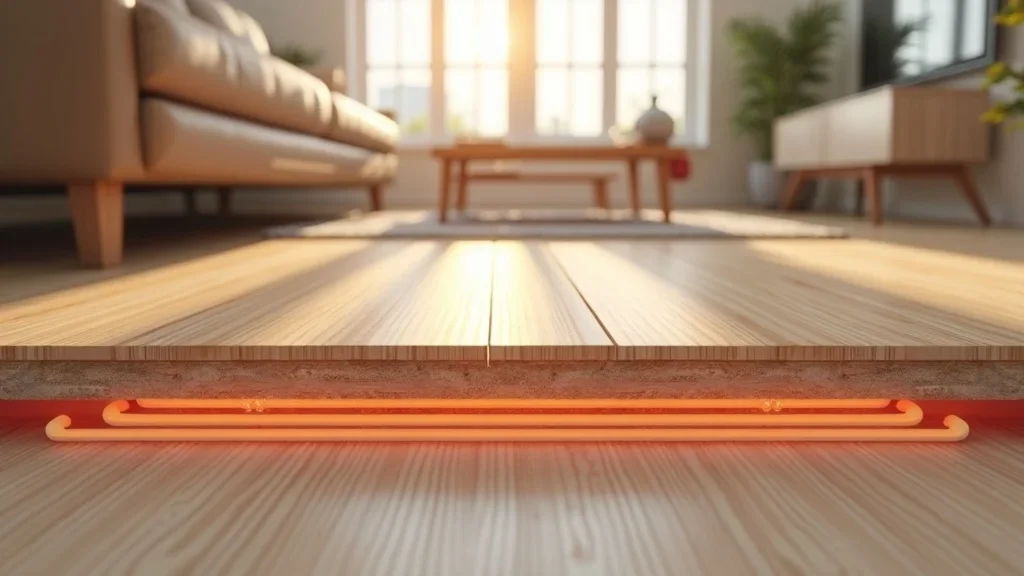
Underfloor heating works by turning the floor into a radiant heat source, offering a fundamentally different experience from traditional radiators. Whereas radiators heat the air in proximity to their location on the walls, underfloor heating provides warmth evenly across the entire floor surface. This method improves thermal comfort by warming your feet and the room uniformly.
Jamie Alberts, of Peak Underfloor Heating, explains, "The ethos of underfloor heating is that the floor itself becomes the radiator, providing a more even and efficient heat distribution through thermal mass." This thermal mass effect means once the floor is warmed, it retains heat longer, reducing temperature fluctuations and providing a steady, cosy environment.
Typical Temperature Ranges and Heat-Up Times
Heating Type |
Typical Operating Temperature |
Heat-Up Time |
Temperature Stability |
|---|---|---|---|
Underfloor Heating |
40-50°C (average 45°C) |
30-60 minutes to reach desired comfort level |
Maintains stable temperature with slow cool down |
Radiators |
60-70°C |
10-20 minutes for fast heat |
Faster temperature fluctuations; heats and cools quickly |

2. Energy Efficiency and Running Costs: Underfloor Heating vs Radiators
Why Underfloor Heating Can Reduce Energy Bills
Underfloor heating systems typically run at lower water temperatures, usually between 40 to 50°C, compared to radiators which can operate at 60 to 70°C. This lower operating temperature leads to greater energy efficiency and reduces your heating bills over time. The large thermal mass of the floor means heat is held longer, meaning the system cycles on and off in shorter bursts rather than continuous operation.
Jamie Alberts notes, "Underfloor heating systems often run at lower temperatures, around 40-50°C, compared to radiators that can reach 60-70°C, which contributes to significant energy savings." This more efficient heat delivery is especially well-suited to modern heating technologies such as air source heat pumps, which perform best at lower flow temperatures.
For a more in-depth look at how these two systems compare in real homes, including practical tips and user experiences, you might find it helpful to review this comprehensive guide on which heating solution truly wins for your needs. It offers additional perspectives on installation, efficiency, and comfort to help you make an informed decision.
Compatibility with Modern Heat Pumps
The increasing adoption of eco-friendly heat pumps pairs naturally with underfloor heating. Heat pumps deliver heat at lower temperatures, ideally suited for the gentle, widespread warmth of underfloor heating. This combination can yield substantial savings and environmental benefits.

3. Installation and Space Considerations
New Builds vs Retrofit: Installation Differences
The planning and installation of underfloor heating greatly depend on whether you are working with a new build or retrofitting an existing property. In new builds, underfloor heating can be integrated beneath the floor slab with layers of insulation and screed, ensuring optimal performance and efficiency.
In retrofit projects, installation is more challenging due to existing floor structures. Solutions often involve specialist systems like aluminium heat spreader plates or pre-routed chipboard panels that minimize floor height increases. Though more complex, retrofit installations are still feasible and deliver many benefits of underfloor heating.
Space Saving Benefits of Underfloor Heating
Unlike radiators, which consume wall space and often dictate furniture placement, underfloor heating frees up walls for uninterrupted design and more usable living areas. This is especially beneficial in smaller rooms or contemporary minimalist interiors where space is at a premium.

4. Comfort and Heat Distribution: Pros and Cons
Even Heat Distribution with Underfloor Heating
Because underfloor heating heats the entire surface of the floor, it provides a consistent and gentle heat that rises evenly. This results in fewer cold spots and a typically more pleasant sensation of warmth at foot level, ideal for homes seeking superior comfort standards.
Faster Heat-Up with Radiators
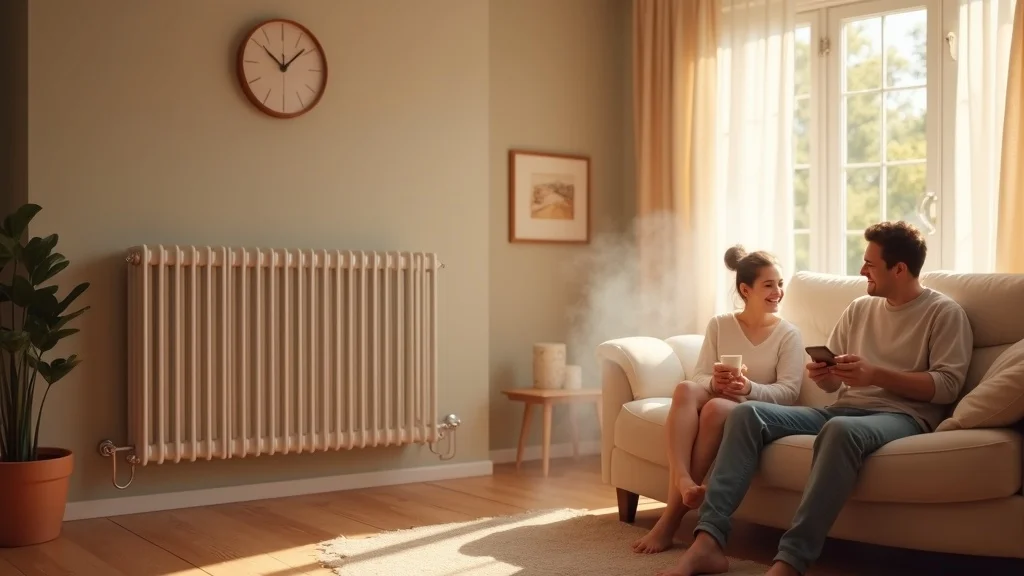
Radiators warm the air quickly by convection, which means a room can often reach a desired temperature more rapidly than with underfloor heating. This speed is advantageous when quick warmth is needed, such as in intermittently used rooms or older properties without much insulation.
5. Maintenance and Longevity
Common Maintenance Needs for Underfloor Heating
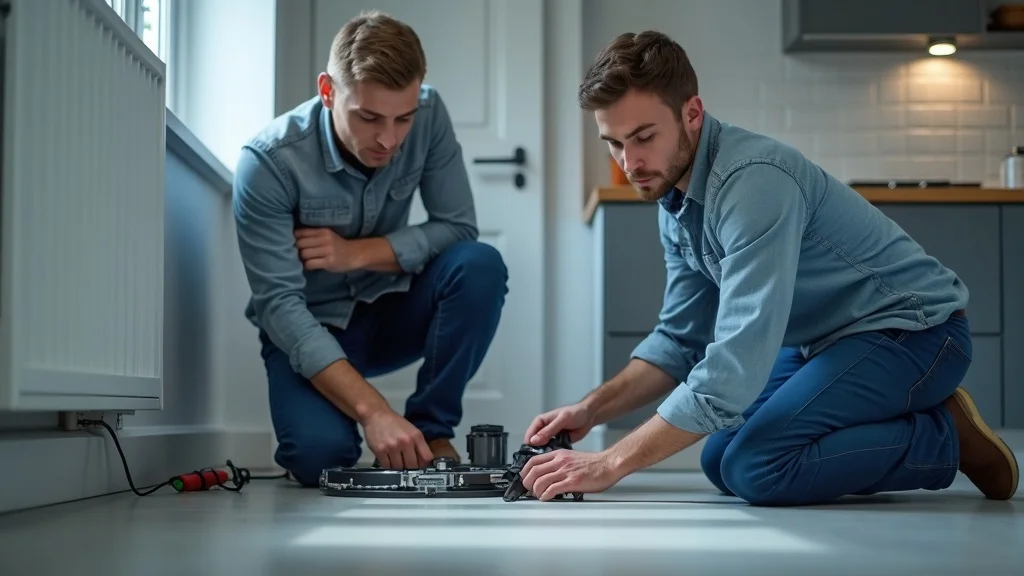
Underfloor heating systems are generally low maintenance due to their hidden nature, but periodic checks are recommended to ensure thermostats, manifolds, and control systems are functioning correctly. Leaks are rare when professionally installed but can require specialist repair if they occur.
Radiator Maintenance and Potential Issues
Radiators require periodic bleeding to release trapped air and ensure efficient operation. They are more prone to dents and damage, and the visible pipework can sometimes require repair. Additionally, radiators can collect dust, which some occupants find less desirable, especially for allergies.
6. Common Misconceptions About Underfloor Heating vs Radiators
Underfloor heating is always more expensive to run – Not necessarily; while initial costs are higher, running costs can be lower.
Radiators provide better heat control – Underfloor heating can have individual room thermostats providing precise control.
Underfloor heating is difficult to repair – When installed by experts, issues are rare and manageable with proper design and controls.
7. Expert Tips from Jamie Alberts on Choosing Between Underfloor Heating and Radiators
Jamie Alberts advises, "Consider your home's floor construction and lifestyle needs. Underfloor heating is excellent for new builds and energy efficiency, but radiators still have their place for quick heat and retrofit scenarios." He encourages homeowners and professionals to weigh both comfort and practical installation factors when deciding.
8. People Also Ask: FAQs on Underfloor Heating vs Radiators
Is underfloor heating more energy efficient than radiators? Yes, generally due to lower running temperatures and heat retention.
Can underfloor heating be installed in existing homes? Yes, with retrofit systems tailored to floor height limitations.
What are the running costs of underfloor heating compared to radiators? Typically lower in underfloor heating systems because of efficient heat distribution.
How long does underfloor heating take to heat a room? Usually 30-60 minutes, slower than radiators but more stable heat.
Are radiators better for quick heating? Yes, radiators heat rooms faster, ideal for intermittent use.

9. Key Takeaways: Making the Right Heating Choice for Your Home
Factor |
Underfloor Heating |
Radiators |
|---|---|---|
Cost of Installation |
Higher initial cost, especially for retrofits |
Lower upfront cost, easier retrofit |
Energy Efficiency |
Generally more efficient due to lower temperature operation |
Less efficient; higher operating temperatures |
Comfort and Heat Distribution |
Even, gentle heat across floor area |
Quick heat but less even distribution |
Space Usage |
Frees up wall space, ideal for aesthetic interiors |
Occupies wall space, limits furniture placement |
Maintenance |
Low maintenance, occasional system checks |
Requires bleeding and regular upkeep |
10. Conclusion: Underfloor Heating vs Radiators – Which Is Best for You?
Jamie Alberts concludes, "Both systems have their merits. Your choice should be guided by your home's design, budget, and heating preferences to achieve optimal comfort and efficiency." Consider your lifestyle, property constraints, and long-term goals carefully to pick the heating solution that suits you best.
If you're interested in exploring even more expert advice and practical comparisons, the article on underfloor heating versus radiators offers a broader perspective on choosing the right system for your home. Delve into real-world scenarios, advanced tips, and strategic considerations to help you make a confident, future-proof decision for your living space. Whether you're planning a renovation or a new build, expanding your knowledge can lead to greater comfort and long-term savings.
11. For Expert Help or Advice
Contact Peak Underfloor Heating Ltd for professional guidance and tailored solutions.
Visit https://peakunderfloorheating.com/ for more information and consultations.
12. Additional Resources and References
For deeper reading on underfloor heating and radiator systems, check out industry guidelines and trusted resources such as:
When evaluating heating options for your home, it’s essential to consider both underfloor heating and radiators, as each offers distinct advantages and potential drawbacks.
Heat Distribution and Comfort
Underfloor heating provides uniform warmth across the entire floor surface, eliminating cold spots and ensuring consistent temperatures throughout the room. This system operates by radiating heat from the ground up, directly warming objects and people, which enhances comfort levels. In contrast, radiators heat the air around them, leading to uneven heat distribution and potential cold areas within the space. (warmup.com)
Energy Efficiency and Running Costs
Underfloor heating systems typically operate at lower temperatures (around 35–45°C) compared to radiators (60–75°C), resulting in improved energy efficiency. This lower operating temperature can lead to energy savings of up to 35% when compared to traditional radiator systems. Additionally, underfloor heating is particularly compatible with modern heat pumps, which perform optimally at these lower temperatures, further enhancing efficiency. (warmup.com)
Installation Considerations
Installing underfloor heating is more straightforward in new builds, where it can be integrated seamlessly beneath the floor. Retrofitting underfloor heating into existing structures can be more challenging and may involve additional costs and disruptions. Radiators, on the other hand, are easier to install in existing homes and can be more cost-effective upfront. (homebuilding.co.uk)
Aesthetics and Space Usage
Underfloor heating is concealed beneath the floor, freeing up wall space and allowing for greater flexibility in interior design. This can be particularly beneficial in smaller rooms or for achieving a minimalist aesthetic. Radiators occupy wall space and may limit furniture placement options. (idealhome.co.uk)
Maintenance and Longevity
Underfloor heating systems are generally low maintenance and have a lifespan exceeding 50 years. Radiators typically last between 8–12 years and may require more frequent maintenance, such as bleeding to remove trapped air and addressing potential leaks. (idealhome.co.uk)
Conclusion
Both underfloor heating and radiators have their merits. Your choice should be guided by your home’s design, budget, and heating preferences to achieve optimal comfort and efficiency. Consider your lifestyle, property constraints, and long-term goals carefully to pick the heating solution that suits you best.











Write A Comment